
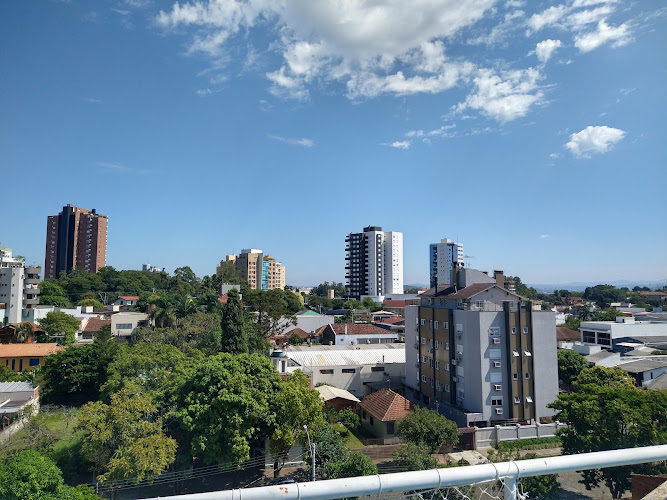
State of Rio Grande do Sul
About State of Rio Grande do Sul
Description
Rio Grande do Sul, the southernmost state of Brazil, has always felt like a place of contrasts—European-influenced mountain towns sitting side by side with gaucho traditions and a coastline that shows off both wild beauty and peaceful retreats. Because of its location, pressed between Uruguay and Argentina, the state carries a unique blend of cultures and flavors. One moment you may be sipping a deep red wine in the Serra Gaúcha, and the next you could be walking along the cobbled streets of Porto Alegre, surrounded by colonial architecture and a bustling port atmosphere. It’s a place where history, diversity, and natural beauty intersect, making it a fascinating stop for travelers curious to see a side of Brazil that feels both familiar and different at once.
Travelers who come here quickly notice how much identity matters to locals. Gaucho culture runs strong in the land, from chimarrão (that strong, bitter herbal drink shared amongst friends) to the society of ranches where horseback riding is still a way of life. Quite honestly, you won’t find another state in Brazil with quite the same blend of European-inspired customs and Latin American heritage. And then there are the landscapes—the lush hills and valleys of Serra Gaúcha, world-class wineries tucked into the Vale dos Vinhedos, waterfalls that seem to appear out of nowhere in Canela, and a coastline stretching more than 600 kilometers with dunes, lagoons, and secluded beaches. Even the urban side carries charm. Porto Alegre, its capital, feels like a Portuguese trading city and a modern hub at the same time, where markets, plazas, and a lively food scene all claim your attention.
Not everyone falls in love immediately—some say parts of the state feel underrated or a bit quieter compared to Brazil’s better-known tourist spots. But those who give it time often walk away with deep appreciation for its authenticity. Personally, I think that’s the magic of Rio Grande do Sul—it doesn’t try too hard. It just is what it is: proud, layered, and grounded in tradition while still evolving.
Key Features
- Serra Gaúcha: Mountain range with German and Italian heritage towns like Gramado and Canela, known for chocolate shops, winter festivals, and dramatic landscapes.
- Vale dos Vinhedos: Wine region producing Brazil’s most celebrated vintages, offering vineyard tours and tastings in a European countryside atmosphere.
- Porto Alegre: A capital city and cultural hub with landmarks such as the Public Market, Metropolitan Cathedral, and lively waterfront life.
- Litoral (Coastline): Over 600 kilometers long, including sandy beaches, lagoons, and seaside towns perfect for summer getaways.
- Traditional Gaucho Culture: Ranches, chimarrão, churrasco (barbecue), and rodeos that reveal the local way of life.
- Colonial Influence: German and Italian immigrant heritage visible through architecture, cuisine, and festivals.
- Natural Attractions: Waterfalls in Canela, hiking trails in Aparados da Serra National Park, and expansive natural reserves.
- Year-Round Experiences: Winter festivals in the mountains, summer along the beaches, and grape harvest seasons in the vineyards.
Best Time to Visit
The timing really depends on what kind of trip you’re after. If you love winter, June through August offers crisp air in the Serra Gaúcha, with Gramado and Canela putting on snow-inspired festivals and cozy evenings by fireplaces. For wine enthusiasts, March and April mark the grape harvest in Vale dos Vinhedos—a period when the vineyards come alive with tastings and rustic celebrations. Those who crave the beach should make their way from December to February, when locals flock to the coast. I actually visited in shoulder season once (October), and it was perfect. Everything was quieter, cheaper, and still beautiful, though evenings get surprisingly chilly, so pack a sweater even if it’s springtime.
And here’s the thing most guidebooks don’t tell you: weather can swing wildly. One day you might walk around Porto Alegre in the sunshine, and the next clouds roll in with sudden rain. So don’t just bring clothes for one “season”—layers will save the day.
How to Get There
Porto Alegre’s Salgado Filho International Airport is the main gateway, serving as the easiest entry point. From there, renting a car is strongly recommended if you’re looking to explore smaller towns, wineries, and parks at your own pace. Driving here is a treat—the roads are scenic, especially as you head up toward the Serra Gaúcha. I’ll admit, traffic in Porto Alegre can be hectic, so patience and a GPS are your best friends. Still, once you escape the city limits, the drives are dotted with lakes, fields, and charming roadside cafes.
Buses are another solid option. Brazil’s long-distance buses are surprisingly comfortable, and the network is extensive. If you’re crossing in from Argentina or Uruguay, land borders bring you right into the southern part of the state, often directly connected to smaller towns. Trains aren’t much of a thing here for travelers, which is a shame, because the scenery would be perfect for it.
Tips for Visiting
First and foremost: embrace the culture. Trying chimarrão isn’t optional—it’s almost an unspoken rule if you want locals to trust you. The same goes for sitting down at a churrascaria, where skewers of meat just keep coming until you can’t possibly eat another bite. If you’re vegetarian, don’t worry, it’s becoming more accommodating, though it may take some extra effort.
Language-wise, Portuguese is what you’ll hear everywhere, but in the Serra Gaúcha and wine regions, you’ll notice traces of German or Italian influence in accents and surnames. A few words of Portuguese go a long way, though I got by with smiles, gestures, and some creative “Portuñol” (mix of Portuguese and Spanish) when words failed me.
For wine lovers, do book vineyard visits in advance—especially during harvest season. Smaller, family-run spots offer charmingly personal tours that the larger wineries can’t quite match. When heading to the coast, remember that Brazilian beaches are social events. People bring coolers, chairs, umbrellas, and set up for the entire day. Don’t be shy about joining in. And if you’re into parks and waterfalls, places like Aparados da Serra and Parque das Águas in Viamão (often called Clube Parque das Águas by locals) offer great opportunities to see nature close-up—it’s not all wineries and cities here, after all.
Lastly, pack for variety. You’ll want light clothes for the coast, warmer ones for the Serra, sturdy shoes for the national parks, and a little room in your luggage for wine bottles or maybe locally made chocolate. The souvenirs here are genuinely worth carrying home. My motto when traveling to Rio Grande do Sul? Expect to eat well, drive a little, and discover that Brazil is far more layered than most people ever realize.
Key Features
- Key Features
- Best Time to Visit
- How to Get There
- Tips for Visiting
More Details
Updated October 2, 2025
Table of Contents
Description
Rio Grande do Sul, the southernmost state of Brazil, has always felt like a place of contrasts—European-influenced mountain towns sitting side by side with gaucho traditions and a coastline that shows off both wild beauty and peaceful retreats. Because of its location, pressed between Uruguay and Argentina, the state carries a unique blend of cultures and flavors. One moment you may be sipping a deep red wine in the Serra Gaúcha, and the next you could be walking along the cobbled streets of Porto Alegre, surrounded by colonial architecture and a bustling port atmosphere. It’s a place where history, diversity, and natural beauty intersect, making it a fascinating stop for travelers curious to see a side of Brazil that feels both familiar and different at once.
Travelers who come here quickly notice how much identity matters to locals. Gaucho culture runs strong in the land, from chimarrão (that strong, bitter herbal drink shared amongst friends) to the society of ranches where horseback riding is still a way of life. Quite honestly, you won’t find another state in Brazil with quite the same blend of European-inspired customs and Latin American heritage. And then there are the landscapes—the lush hills and valleys of Serra Gaúcha, world-class wineries tucked into the Vale dos Vinhedos, waterfalls that seem to appear out of nowhere in Canela, and a coastline stretching more than 600 kilometers with dunes, lagoons, and secluded beaches. Even the urban side carries charm. Porto Alegre, its capital, feels like a Portuguese trading city and a modern hub at the same time, where markets, plazas, and a lively food scene all claim your attention.
Not everyone falls in love immediately—some say parts of the state feel underrated or a bit quieter compared to Brazil’s better-known tourist spots. But those who give it time often walk away with deep appreciation for its authenticity. Personally, I think that’s the magic of Rio Grande do Sul—it doesn’t try too hard. It just is what it is: proud, layered, and grounded in tradition while still evolving.
Key Features
- Serra Gaúcha: Mountain range with German and Italian heritage towns like Gramado and Canela, known for chocolate shops, winter festivals, and dramatic landscapes.
- Vale dos Vinhedos: Wine region producing Brazil’s most celebrated vintages, offering vineyard tours and tastings in a European countryside atmosphere.
- Porto Alegre: A capital city and cultural hub with landmarks such as the Public Market, Metropolitan Cathedral, and lively waterfront life.
- Litoral (Coastline): Over 600 kilometers long, including sandy beaches, lagoons, and seaside towns perfect for summer getaways.
- Traditional Gaucho Culture: Ranches, chimarrão, churrasco (barbecue), and rodeos that reveal the local way of life.
- Colonial Influence: German and Italian immigrant heritage visible through architecture, cuisine, and festivals.
- Natural Attractions: Waterfalls in Canela, hiking trails in Aparados da Serra National Park, and expansive natural reserves.
- Year-Round Experiences: Winter festivals in the mountains, summer along the beaches, and grape harvest seasons in the vineyards.
Best Time to Visit
The timing really depends on what kind of trip you’re after. If you love winter, June through August offers crisp air in the Serra Gaúcha, with Gramado and Canela putting on snow-inspired festivals and cozy evenings by fireplaces. For wine enthusiasts, March and April mark the grape harvest in Vale dos Vinhedos—a period when the vineyards come alive with tastings and rustic celebrations. Those who crave the beach should make their way from December to February, when locals flock to the coast. I actually visited in shoulder season once (October), and it was perfect. Everything was quieter, cheaper, and still beautiful, though evenings get surprisingly chilly, so pack a sweater even if it’s springtime.
And here’s the thing most guidebooks don’t tell you: weather can swing wildly. One day you might walk around Porto Alegre in the sunshine, and the next clouds roll in with sudden rain. So don’t just bring clothes for one “season”—layers will save the day.
How to Get There
Porto Alegre’s Salgado Filho International Airport is the main gateway, serving as the easiest entry point. From there, renting a car is strongly recommended if you’re looking to explore smaller towns, wineries, and parks at your own pace. Driving here is a treat—the roads are scenic, especially as you head up toward the Serra Gaúcha. I’ll admit, traffic in Porto Alegre can be hectic, so patience and a GPS are your best friends. Still, once you escape the city limits, the drives are dotted with lakes, fields, and charming roadside cafes.
Buses are another solid option. Brazil’s long-distance buses are surprisingly comfortable, and the network is extensive. If you’re crossing in from Argentina or Uruguay, land borders bring you right into the southern part of the state, often directly connected to smaller towns. Trains aren’t much of a thing here for travelers, which is a shame, because the scenery would be perfect for it.
Tips for Visiting
First and foremost: embrace the culture. Trying chimarrão isn’t optional—it’s almost an unspoken rule if you want locals to trust you. The same goes for sitting down at a churrascaria, where skewers of meat just keep coming until you can’t possibly eat another bite. If you’re vegetarian, don’t worry, it’s becoming more accommodating, though it may take some extra effort.
Language-wise, Portuguese is what you’ll hear everywhere, but in the Serra Gaúcha and wine regions, you’ll notice traces of German or Italian influence in accents and surnames. A few words of Portuguese go a long way, though I got by with smiles, gestures, and some creative “Portuñol” (mix of Portuguese and Spanish) when words failed me.
For wine lovers, do book vineyard visits in advance—especially during harvest season. Smaller, family-run spots offer charmingly personal tours that the larger wineries can’t quite match. When heading to the coast, remember that Brazilian beaches are social events. People bring coolers, chairs, umbrellas, and set up for the entire day. Don’t be shy about joining in. And if you’re into parks and waterfalls, places like Aparados da Serra and Parque das Águas in Viamão (often called Clube Parque das Águas by locals) offer great opportunities to see nature close-up—it’s not all wineries and cities here, after all.
Lastly, pack for variety. You’ll want light clothes for the coast, warmer ones for the Serra, sturdy shoes for the national parks, and a little room in your luggage for wine bottles or maybe locally made chocolate. The souvenirs here are genuinely worth carrying home. My motto when traveling to Rio Grande do Sul? Expect to eat well, drive a little, and discover that Brazil is far more layered than most people ever realize.
Key Highlights
- Key Features
- Best Time to Visit
- How to Get There
- Tips for Visiting
Location
Places to Stay Near State of Rio Grande do Sul
Find and Book a Tour
Explore More Travel Guides
No reviews found! Be the first to review!
Traveler Reviews for State of Rio Grande do Sul
There are no reviews yet. Be the first one to write one.
Have you visited State of Rio Grande do Sul? Help other travelers by sharing your review.
You Might Also Like
Av. Boa Viagem
Imboassica Lake
Praia da Fonte
Find Accommodations Nearby
Recommended Tours & Activities
Visitor Reviews
There are no reviews yet. Be the first one to write one.
Share Your Experience
Have you visited State of Rio Grande do Sul? Help other travelers by leaving a review.