About State of Maranhão

Description

Maranhão, tucked away in the northeastern corner of Brazil, is the kind of place that quietly surprises you. It’s not the first name that pops up when people dream about Brazil, but maybe that’s what makes it so special. The state stretches from dense Amazon rainforest to the wild Atlantic coast, where the wind hums through palm trees and fishermen still haul in their catch the old-fashioned way. It’s a land of contrasts — part jungle, part desert, part colonial charm — and somehow, it all fits together beautifully.

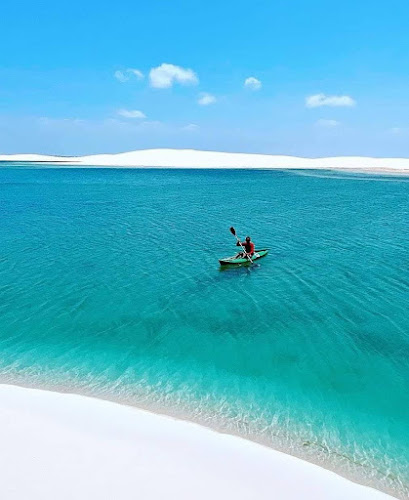
One of the most jaw-dropping sights here is Lençóis Maranhenses National Park. Imagine rolling white dunes that look like waves frozen in time, and between them, turquoise lagoons that appear like magic after the rains. I still remember the first time I walked barefoot across that sand — it squeaked underfoot, and the air shimmered with heat. Then, out of nowhere, a lagoon appeared, cool and clear as glass. You can actually swim in them, and if you’re lucky, you’ll have one all to yourself. It feels like stepping into another world.

The capital, São Luís, feels like a storybook city from a different era. Its cobblestone streets and tiled colonial houses tell tales of Portuguese settlers and African rhythms. The historic center, known as Reviver, hums with life — music drifting from open windows, the smell of fresh seafood, and locals chatting in that warm, melodic Portuguese that seems to dance in the air. There’s something raw and real about São Luís. It’s not polished or overly touristy, which honestly makes it even more authentic.

And let’s not forget the smaller towns — Alcântara, with its crumbling churches and quiet plazas, or Barreirinhas, the gateway to the dunes. Each has its own rhythm, its own way of slowing you down until you start to move at Maranhão’s pace — unhurried, curious, and deeply connected to nature.

Key Features

  • Lençóis Maranhenses National Park: Vast white dunes and crystal-clear lagoons that appear during the rainy season — one of the most unique landscapes in South America.
  • São Luís Historic District (Reviver): A UNESCO World Heritage Site filled with colonial architecture, traditional music, and Afro-Brazilian culture.
  • Amazon Rainforest Fringe: Dense, biodiverse jungle areas that extend into Maranhão’s western region, perfect for eco-tourism and wildlife spotting.
  • Authentic Cuisine: A mix of Portuguese, African, and Indigenous influences — dishes like arroz de cuxá and fresh seafood are absolute must-tries.
  • Local Festivals: The Bumba Meu Boi festival is a colorful explosion of dance, costumes, and folklore — a truly unforgettable experience if you catch it in June.
  • Beaches and Islands: Remote stretches of sand like Atins and Caburé are ideal for kitesurfing, relaxing, or simply disconnecting from the world.

Best Time to Visit

Timing matters a lot in Maranhão, especially if you’re planning to visit Lençóis Maranhenses. The best time to go is between June and September, right after the rainy season. That’s when the lagoons are full and the dunes shimmer under the sun. I once visited in July, and honestly, it was perfect — warm days, cool nights, and that surreal mix of desert and water that makes the park so famous.

If you’re more into cultural experiences, June is also the month for the Bumba Meu Boi festival in São Luís. It’s loud, colorful, and full of energy — the kind of celebration that stays with you long after you’ve left. The dry season (from July to December) is generally best for exploring the coast and colonial towns, while the rainy months (January to May) bring a greener, more dramatic landscape — though some roads can get tricky.

How to Get There

Getting to Maranhão is part of the adventure. The main entry point is São Luís International Airport, which connects to major Brazilian cities like São Paulo, Rio de Janeiro, and Brasília. From there, it’s about a four-hour drive to Barreirinhas, the main gateway to Lençóis Maranhenses. The road trip itself is a treat — small villages, coconut groves, and glimpses of rural life along the way.

If you’re feeling a bit more adventurous, you can travel by 4x4 or even by boat along the Preguiças River to reach the dunes. Some travelers choose to continue along the Rota das Emoções (Route of Emotions), a scenic trail that connects Maranhão to Piauí and Ceará, passing through some of the most stunning coastal landscapes in Brazil.

Public transport is available, but if you want flexibility — and trust me, you’ll want to stop often for photos — renting a car or joining a guided tour is the way to go.

Tips for Visiting

First things first: bring plenty of sunscreen and water. The sun in Maranhão doesn’t play around, especially in the dunes. And wear light clothing — it gets hot. If you plan to visit Lençóis Maranhenses, go with a local guide. They know the safest routes through the dunes and can take you to lagoons that most tourists never see.

I’d also recommend staying at least two nights in Barreirinhas or Atins. That way, you can explore different parts of the park without rushing. The sunsets here are unreal — the kind that make you stop mid-sentence just to take it all in.

Cash is still king in many small towns, so don’t rely solely on cards. And if you’re heading into rural areas, bring mosquito repellent — lots of it. The Amazonian influence means you’ll meet a few buzzing locals along the way.

Oh, and one more thing — don’t try to cram everything into a short trip. Maranhão isn’t a place you “do.” It’s a place you feel. Spend time chatting with locals, tasting street food, or just sitting by the water watching the boats drift by. That’s where the real magic lies.

For photographers, early morning and late afternoon light are unbeatable. The dunes glow golden, and the lagoons turn into mirrors. And if you’re into adventure sports, Atins is a kitesurfing paradise — steady winds, wide beaches, and a laid-back vibe that makes you want to stay longer than planned.

In short, Maranhão is one of those rare destinations that still feels undiscovered. It’s wild, soulful, and full of stories waiting to be told. Whether you’re chasing the thrill of the dunes, the rhythm of São Luís, or the peace of a quiet beach, you’ll find it here — often when you least expect it.

Key Features

  • Key Features
  • Best Time to Visit
  • How to Get There
  • Tips for Visiting

More Details

Updated October 10, 2025


Description

Maranhão, tucked away in the northeastern corner of Brazil, is the kind of place that quietly surprises you. It’s not the first name that pops up when people dream about Brazil, but maybe that’s what makes it so special. The state stretches from dense Amazon rainforest to the wild Atlantic coast, where the wind hums through palm trees and fishermen still haul in their catch the old-fashioned way. It’s a land of contrasts — part jungle, part desert, part colonial charm — and somehow, it all fits together beautifully.

One of the most jaw-dropping sights here is Lençóis Maranhenses National Park. Imagine rolling white dunes that look like waves frozen in time, and between them, turquoise lagoons that appear like magic after the rains. I still remember the first time I walked barefoot across that sand — it squeaked underfoot, and the air shimmered with heat. Then, out of nowhere, a lagoon appeared, cool and clear as glass. You can actually swim in them, and if you’re lucky, you’ll have one all to yourself. It feels like stepping into another world.

The capital, São Luís, feels like a storybook city from a different era. Its cobblestone streets and tiled colonial houses tell tales of Portuguese settlers and African rhythms. The historic center, known as Reviver, hums with life — music drifting from open windows, the smell of fresh seafood, and locals chatting in that warm, melodic Portuguese that seems to dance in the air. There’s something raw and real about São Luís. It’s not polished or overly touristy, which honestly makes it even more authentic.

And let’s not forget the smaller towns — Alcântara, with its crumbling churches and quiet plazas, or Barreirinhas, the gateway to the dunes. Each has its own rhythm, its own way of slowing you down until you start to move at Maranhão’s pace — unhurried, curious, and deeply connected to nature.

Key Features

  • Lençóis Maranhenses National Park: Vast white dunes and crystal-clear lagoons that appear during the rainy season — one of the most unique landscapes in South America.
  • São Luís Historic District (Reviver): A UNESCO World Heritage Site filled with colonial architecture, traditional music, and Afro-Brazilian culture.
  • Amazon Rainforest Fringe: Dense, biodiverse jungle areas that extend into Maranhão’s western region, perfect for eco-tourism and wildlife spotting.
  • Authentic Cuisine: A mix of Portuguese, African, and Indigenous influences — dishes like arroz de cuxá and fresh seafood are absolute must-tries.
  • Local Festivals: The Bumba Meu Boi festival is a colorful explosion of dance, costumes, and folklore — a truly unforgettable experience if you catch it in June.
  • Beaches and Islands: Remote stretches of sand like Atins and Caburé are ideal for kitesurfing, relaxing, or simply disconnecting from the world.

Best Time to Visit

Timing matters a lot in Maranhão, especially if you’re planning to visit Lençóis Maranhenses. The best time to go is between June and September, right after the rainy season. That’s when the lagoons are full and the dunes shimmer under the sun. I once visited in July, and honestly, it was perfect — warm days, cool nights, and that surreal mix of desert and water that makes the park so famous.

If you’re more into cultural experiences, June is also the month for the Bumba Meu Boi festival in São Luís. It’s loud, colorful, and full of energy — the kind of celebration that stays with you long after you’ve left. The dry season (from July to December) is generally best for exploring the coast and colonial towns, while the rainy months (January to May) bring a greener, more dramatic landscape — though some roads can get tricky.

How to Get There

Getting to Maranhão is part of the adventure. The main entry point is São Luís International Airport, which connects to major Brazilian cities like São Paulo, Rio de Janeiro, and Brasília. From there, it’s about a four-hour drive to Barreirinhas, the main gateway to Lençóis Maranhenses. The road trip itself is a treat — small villages, coconut groves, and glimpses of rural life along the way.

If you’re feeling a bit more adventurous, you can travel by 4×4 or even by boat along the Preguiças River to reach the dunes. Some travelers choose to continue along the Rota das Emoções (Route of Emotions), a scenic trail that connects Maranhão to Piauí and Ceará, passing through some of the most stunning coastal landscapes in Brazil.

Public transport is available, but if you want flexibility — and trust me, you’ll want to stop often for photos — renting a car or joining a guided tour is the way to go.

Tips for Visiting

First things first: bring plenty of sunscreen and water. The sun in Maranhão doesn’t play around, especially in the dunes. And wear light clothing — it gets hot. If you plan to visit Lençóis Maranhenses, go with a local guide. They know the safest routes through the dunes and can take you to lagoons that most tourists never see.

I’d also recommend staying at least two nights in Barreirinhas or Atins. That way, you can explore different parts of the park without rushing. The sunsets here are unreal — the kind that make you stop mid-sentence just to take it all in.

Cash is still king in many small towns, so don’t rely solely on cards. And if you’re heading into rural areas, bring mosquito repellent — lots of it. The Amazonian influence means you’ll meet a few buzzing locals along the way.

Oh, and one more thing — don’t try to cram everything into a short trip. Maranhão isn’t a place you “do.” It’s a place you feel. Spend time chatting with locals, tasting street food, or just sitting by the water watching the boats drift by. That’s where the real magic lies.

For photographers, early morning and late afternoon light are unbeatable. The dunes glow golden, and the lagoons turn into mirrors. And if you’re into adventure sports, Atins is a kitesurfing paradise — steady winds, wide beaches, and a laid-back vibe that makes you want to stay longer than planned.

In short, Maranhão is one of those rare destinations that still feels undiscovered. It’s wild, soulful, and full of stories waiting to be told. Whether you’re chasing the thrill of the dunes, the rhythm of São Luís, or the peace of a quiet beach, you’ll find it here — often when you least expect it.

Key Highlights

  • Key Features
  • Best Time to Visit
  • How to Get There
  • Tips for Visiting

Location

Places to Stay Near State of Maranhão

Find and Book a Tour

Explore More Travel Guides

No reviews found! Be the first to review!

Traveler Reviews for State of Maranhão

There are no reviews yet. Be the first one to write one.

Share Your Experience

Have you visited State of Maranhão? Help other travelers by sharing your review.

Find Accommodations Nearby

Recommended Tours & Activities

Visitor Reviews

There are no reviews yet. Be the first one to write one.

Share Your Experience

Have you visited State of Maranhão? Help other travelers by leaving a review.