
Cyprus Motor Museum
About Cyprus Motor Museum
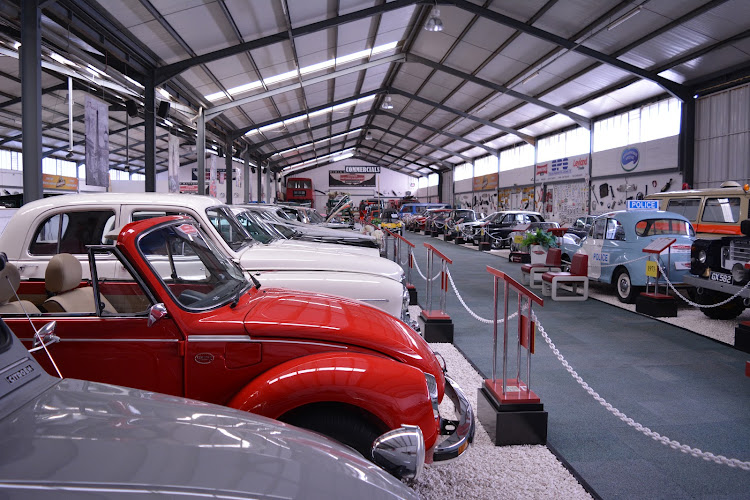
The Cyprus Motor Museum in Limassol presents a hands-on, affectionate look at automotive history on the island — and it tends to surprise even people who think they know cars. Housed in a compact but well-curated space, the museum focuses on classic and collectible automobiles, from veteran-era pieces to mid-20th-century icons. The centerpiece for many visitors is an early-20th-century Ford Model T, the kind of car that makes you pause and imagine dusty roads and hand-cranked engines. But the collection doesn't stop there: it ranges across European and American makes, sporting roadsters, sedans with presidential-style gravitas, and a few rally- and racing-oriented vehicles that hint at Cyprus’s motorsport past.
This place is not one of those cavernous, echoing halls where cars sit behind ropes like jewelry. Instead, it feels like stepping into a private collection that someone has thoughtfully opened up to share. The display style is intimate; vehicles are arranged so you can get close, peer into cabins, read the placards, and take photos without feeling corralled. And yes, that matters — because a lot of the charm is in the details: patina on leather seats, engine bay labels, little manufacturing quirks that tell a story about technology and style through the decades.
Visitors who come for automotive history will find plenty to chew on. The museum emphasizes not just the vehicles themselves but the social and technological context—how cars shaped daily life in Cyprus and abroad. There are exhibits and notes about manufacturing eras, the evolution of steering and braking, and the way motorsport influenced consumer models. For travelers who like facts, there are concise information panels and helpful staff on hand to explain particulars. Onsite services are available, and the staff tend to be keen on offering background stories—often with a laugh or two—about favorite cars, restorations, and the odd treasure that arrived in need of a miracle.
Families find it surprisingly kid-friendly. The museum welcomes children and manages to hold their attention with shiny metal and clear visuals. There’s nothing overly fragile behind glass, and the proximity to the exhibits means youngsters can point and ask questions. But if you have a toddler who loves to touch everything, a gentle reminder that these cars are historic might be needed. One practical advantage for visitors with mobility concerns: the museum offers a wheelchair-accessible entrance, accessible restroom facilities, and parking arrangements that accommodate wheelchair users. That accessibility makes a real difference for multigenerational groups wanting to explore together.
Practical amenities are straightforward: restrooms are available and there is Wi‑Fi for those who like to upload photos on the spot or look up model histories as they wander. There isn’t an on-site restaurant, so plan accordingly (pack a snack or leave time to sample a nearby café after the visit). Free street parking options exist close by, though during busy hours it can require a short walk; bring comfortable shoes. For folks who prefer structure, the museum often offers guided sessions and occasional special events — the kind of evenings where car enthusiasts bring their own classics or restorers give talks about maintenance and provenance. These events are great for deeper dives and for meeting local collectors.
As for vibe: the museum skews enthusiast-friendly but remains welcoming to casual visitors. The tone is informative rather than pretentious. Staff and volunteers usually share anecdotes about how a certain car was found (yes, sometimes in a barn, sometimes shipwrecked in paperwork), and those backstories are often the most memorable part of a visit. Those little human details — the grease-stained mechanic who saved an engine, the owner who wouldn’t sell until persuaded — make the cars feel alive, and for many visitors that’s the real attraction.
There are a few things to keep in mind. First, because the place is focused and personal, some visitors expecting a huge, encyclopedic collection might find it compact. But many who come expecting a small display end up appreciating the intimacy: it’s easier to absorb details, photos, and technical notes without feeling rushed. Second, the absence of an on-site restaurant is often mentioned by people who spend longer than anticipated. On the flip side, this encourages exploration of Limassol’s cafés and bakeries nearby — and that’s a pleasant way to continue the day.
From an SEO-minded traveler’s perspective, the Cyprus Motor Museum ranks high for anyone searching for classic car exhibits in Limassol or vintage car collections on the island. Key search terms that bring visitors here—Cyprus Motor Museum, Limassol classic cars, vintage automobile collection, Model T exhibit—accurately reflect what the museum delivers. Yet beyond keywords, the experience appeals because it’s tactile, story-driven, and rooted in local automotive culture. For people who love cars, history, or design, it’s a rewarding stop. For the photographer, there are cool angles and reflections; for the historian, there are neat timelines and manufacturing notes; for the casual traveler, it’s an offbeat diversion that often ends up as a highlight of a day in Limassol.
Unexpected perks: the collection sometimes features vehicles tied to Cypriot public figures or to motorsport events on the island, so visitors can glimpse cars that have social or sporting significance locally. And because the museum curators rotate exhibits and restore vehicles in-house from time to time, repeat visits can reveal new arrivals or restored gems that weren't there during a prior trip. It’s one of those places where even repeat visitors discover something fresh, whether it’s a newly polished chrome bumper or a deeper label describing a car’s wartime history.
One small anecdote worth passing along: a visitor once went in planning a ten-minute stop because the day was packed. Two hours later they left with a grin, a handful of photos, and coffee stains on a map where they'd scribbled notes about specific models to look up later. That spontaneous detour-turned-memory is a common tale. And the museum tends to reward curiosity — ask a question, and staff are likely to indulge with a story. Even minor tangents are welcome; sometimes those asides lead to hearing about restoration projects or the local community of vintage-car owners who gather for weekend drives.
For travelers planning logistics, the museum works well as a mid-morning or late-afternoon stop when temperatures outside may be intense during summer months. It pairs nicely with other Limassol attractions: a short stroll through a nearby neighborhood, a visit to a museum of a different genre, or a seaside lunch afterward. If a traveler’s schedule is tight, they can get a solid tour of the collection in about 60–90 minutes; those who linger over technical details, chat with the staff, or attend a timed event may happily spend two hours or more.
In summary, the Cyprus Motor Museum in Limassol is an unpretentious, well-loved spot for classic and collectible cars. It blends educational displays with passionate curation and offers a distinctly local perspective on automobile history. Accessibility features, free nearby parking options, Wi‑Fi, and restrooms mean a comfortable visit for most travelers. Some practical drawbacks are the lack of a restaurant and the modest physical size, but those are minor compared to the strength of the collection and the personable atmosphere. Whether a visitor is a dedicated petrolhead, a curious family, or someone looking for a memorable detour in Limassol, the museum rewards a stop with stories, shiny metal, and the kind of small discoveries that make travel worth remembering.
Key Features
Cyprus Motor Museum
You Might Also Like

A. G. Leventis Gallery

Acropolis Park
Ağa Cafer Pasha Mosque
Tours & Activities
GetYourGuide provides this tour inventory. We may earn a commission if you book through it; verify current availability, prices, and terms with the provider.
Visitor Reviews
There are no reviews yet. Be the first one to write one.
Share Your Experience
Have you visited Cyprus Motor Museum? Help other travelers by leaving a review.