
Museum of Memory and Human Rights
About Museum of Memory and Human Rights
Museum of Memory and Human Rights is a highly acclaimed tourist attraction located in Santiago, Chile. With a rating of 4.7 out of 5, it stands out as one of the top-rated tourist attractions in the area.
Location
You can find Museum of Memory and Human Rights at Matucana 501, 8500000 Santiago, Región Metropolitana, Chile.
Visiting Museum of Memory and Human Rights
Located in Santiago, Chile, Museum of Memory and Human Rights is a tourist attraction that visitors to the area may find worth exploring.
Planning Your Visit
The tourist attraction is located at Matucana 501, 8500000 Santiago, Región Metropolitana, Chile. GPS coordinates: -33.439736, -70.679386. Check locally for current opening hours and any admission fees before visiting.
Key Features
More Details
Updated June 4, 2026
Museum of Memory and Human Rights is a highly acclaimed tourist attraction located in Santiago, Chile. With a rating of 4.7 out of 5, it stands out as one of the top-rated tourist attractions in the area.
Location
You can find Museum of Memory and Human Rights at Matucana 501, 8500000 Santiago, Región Metropolitana, Chile.
Visiting Museum of Memory and Human Rights
Located in Santiago, Chile, Museum of Memory and Human Rights is a tourist attraction that visitors to the area may find worth exploring.
Planning Your Visit
The tourist attraction is located at Matucana 501, 8500000 Santiago, Región Metropolitana, Chile. GPS coordinates: -33.439736, -70.679386. Check locally for current opening hours and any admission fees before visiting.
Key Highlights
Admission: Free for all visitors
Hours: Tuesday–Sunday, 10:00 a.m.–6:00 p.m.; closed Mondays
Exhibition Space: Approximately 5,000 square meters across multiple floors
Memorial Wall: Lists names of the detained and disappeared under the dictatorship
Archive: Documentation center with photographs, documents, and personal objects
Opened: January 11, 2010, inaugurated by President Michelle Bachelet
Nearest Metro: Quinta Normal Station, Line 5 (green line), five-minute walk
Temporary Exhibitions: Rotating shows on Latin American and global human rights themes
Location
Places to Stay Near Museum of Memory and Human Rights
Find and Book a Tour
Explore More Travel Guides
No reviews found! Be the first to review!
Description
The Museum of Memory and Human Rights, located at Matucana 501 in the Barrio Yungay neighborhood of Santiago, Chile, is a state-funded institution dedicated to preserving the historical memory of systematic human rights violations committed under the Pinochet military dictatorship between 1973 and 1990. Opened on January 11, 2010, the museum occupies a striking contemporary building designed by Brazilian architects Estudio América and serves as both a memorial and an educational center for visitors from Chile and around the world.
The permanent collection documents the coup of September 11, 1973, the subsequent repression, the experiences of victims of torture and forced disappearance, and the long process of recovery and justice that followed. The exhibits are immersive and deeply affecting, combining archival photographs, audio testimony, personal objects belonging to victims, official documents, and multimedia installations. The museum does not shy away from the scale of the atrocities: more than 40,000 people were imprisoned, tortured, or killed during the dictatorship period.
The building itself, free to enter, covers approximately 5,000 square meters of exhibition space across multiple floors. Large glass facades flood the interior with natural light, and the architectural design deliberately creates a sense of transparency and openness that contrasts with the secrecy of the era it documents.
Key Features
The museum’s permanent exhibition is its core offering, organized chronologically and thematically across several interconnected gallery spaces that guide visitors through the full arc of the dictatorship and its aftermath.
- The Memorial Wall displays the names of the detained and disappeared, making the scale of loss tangible and personal.
- Testimony rooms feature recorded audio and video accounts from survivors, family members, and witnesses, available in Spanish with some multilingual options.
- A dedicated section covers the international context, including Operation Condor, the coordinated campaign of political repression across multiple South American governments.
- The museum holds an extensive archive of documents, photographs, and objects that researchers and the public can access through its documentation center.
- Temporary exhibitions regularly address broader Latin American and global human rights themes, keeping the programming current and relevant.
- The rooftop terrace offers views across the Barrio Yungay district and toward the Andes on clear days.
Best Time to Visit
The museum is open Tuesday through Sunday, from 10:00 a.m. to 6:00 p.m., and is closed on Mondays and major Chilean public holidays, so a weekday morning visit typically offers the quietest, most reflective experience. Admission is free for all visitors. Allow at least two to three hours to move through the permanent collection without rushing. The subject matter is emotionally heavy; many visitors find a morning visit preferable so they have the rest of the day to process the experience. Santiago’s mild spring months of September and October coincide with the anniversary of the 1973 coup, when the museum often hosts special programming and commemorative events.
How to Get There
The museum sits on Avenida Matucana, directly across from Parque Quinta Normal, and is straightforward to reach by Santiago Metro, bus, or on foot from nearby neighborhoods. The closest Metro station is Quinta Normal on Line 5 (the green line), roughly a five-minute walk east along Avenida Matucana. Buses along Avenida Alameda and connecting routes on Avenida Matucana also stop within one block. From the historic center near Plaza de Armas, the journey by Metro takes under 20 minutes. Taxis and ride-share services drop off directly in front of the main entrance on Matucana. Street parking is available along adjacent roads, though traffic in this corridor can be heavy during peak hours.
Tips for Visiting
Bring a form of identification, as the museum requires registration at the entrance desk even though admission is free. Audio guides and printed materials are primarily in Spanish; if you do not read Spanish, prepare by reviewing background on the Pinochet period before your visit, as the emotional weight of the exhibits is significantly greater when you understand the context. Photography is permitted in most areas of the permanent collection, but audio and video rooms ask visitors to respect a no-recording policy. The museum has a café on the ground floor and a bookshop stocking titles on Chilean history, human rights, and transitional justice. Children can visit, but parents should be prepared for direct, graphic historical content including images of violence and testimony about torture. Lockers are available for bags near the entrance.
Traveler Reviews for Museum of Memory and Human Rights
There are no reviews yet. Be the first one to write one.
Have you visited Museum of Memory and Human Rights? Help other travelers by sharing your review.
Nearby Attractions
You Might Also Like

Plaza de Armas de Santiago
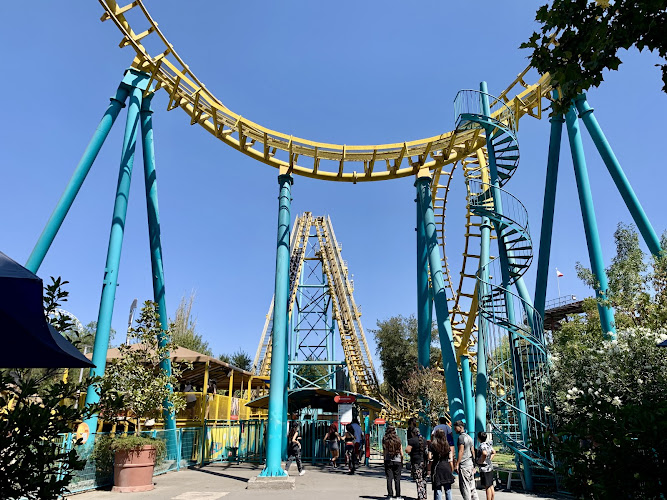
Fantasilandia
Mustafa Kemal Atatürk Square
Find Accommodations Nearby
Recommended Tours & Activities
Visitor Reviews
There are no reviews yet. Be the first one to write one.
Share Your Experience
Have you visited Museum of Memory and Human Rights? Help other travelers by leaving a review.