
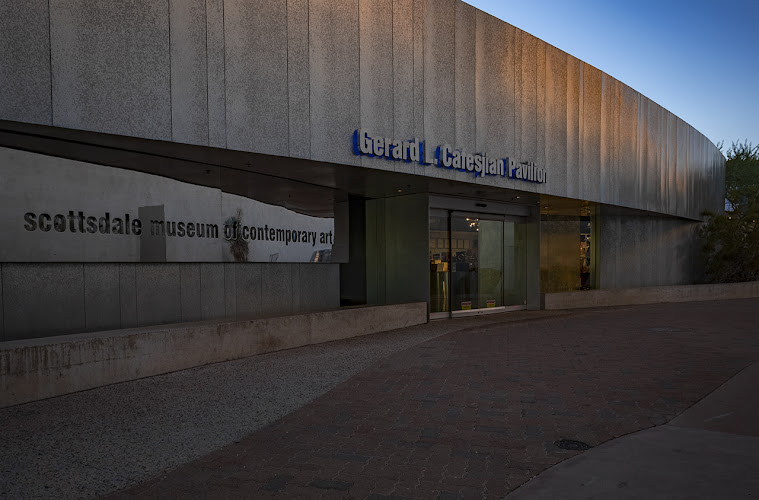
Scottsdale Museum of Contemporary Art
About Scottsdale Museum of Contemporary Art
Description
The Scottsdale Museum of Contemporary Art is described by many guides as a compact, thoughtfully curated stop in Old Town Scottsdale that focuses on modern contemporary art, design, and architecture. Rather than overwhelming visitors with a sprawling permanent collection, the museum concentrates on rotating exhibitions and special installations that change frequently—so every visit can feel like a small discovery. The building itself is quietly interesting: galleries arranged to encourage slow circulation, with natural light where it helps and controlled light where it matters. Outside, a modest sculpture garden provides breathing space between galleries, a place where three-dimensional work and desert light play off one another.
What sets this museum apart from standard regional museums is its commitment to contemporary practice. Exhibitions range from solo shows of mid-career artists to provocative group presentations exploring ideas in design and public art. The programming often highlights intersections—how an installation behaves in space, how architecture frames light, how a piece of public sculpture converses with the street. For visitors who come to Scottsdale looking for modern art experiences outside the typical commercial gallery circuit, the museum acts as a concentrated dose of thoughtful, often experimental art-making.
Accessibility and visitor services are straightforward: the museum offers onsite services including guided tours, a wheelchair-accessible entrance, parking, and restrooms. These practical details matter more than most people think when planning a day of gallery hopping or family outings. Families with children will find that the institution is pretty welcoming—kids are allowed and programming occasionally includes family-friendly events—so it’s realistic to plan a short visit with younger ones in tow. Admission is charged, which helps keep the programming nimble and supports educational efforts, and a small gift shop offers well-chosen books, prints, and objects related to current shows and contemporary art in general.
Visitors should expect a museum that favors quality over quantity. Where some museums pile on artifacts, this one edits. That means fewer rooms but more attention paid to how each work is displayed and what the exhibition wants to say. The galleries are often arranged around a theme or formal concern; viewers get time to absorb a single idea rather than sprint through dozens of unrelated rooms. But let it be said: that editing can frustrate those who expected encyclopedic coverage of contemporary art. On the other hand, it delights those who want an uncluttered, focused encounter with contemporary practices.
There is a local feel to the exhibitions, too. While national and international artists appear, the museum is attuned to regional conversations—artists working in Arizona and the Southwest, designers responding to desert materials, and projects that engage public space in Scottsdale and Phoenix. This curatorial balance means visitors will sometimes see one-off installations that respond to light and landscape in ways unique to this region. It’s one reason why architecture-minded visitors often linger here; the museum does not shy away from projects that emphasize spatial experience, whether through sculpture, installation, or site-specific commissions.
On any given visit, a traveler might encounter a minimal sculpture show, an interactive design installation, or a photography exhibition that reframes American landscapes. Exhibitions are changeable, and that creates a sense of urgency for repeat visitors: come back in three months and there will likely be something very different. That dynamism is part of the museum’s personality—restless curatorial energy rather than sleepy preservation of a static collection.
Practicality blends with the creative. The gallery staff are typically pragmatic and helpful; volunteers and educators will often offer short tours if asked, and special events—opening receptions, artist talks, and occasional workshops—add texture to a visit. For travelers who plan ahead, checking the museum’s calendar before arrival usually pays off. There are chances to see artist talks or guided tours that deepen the experience beyond simply viewing works. And while there is no full-service restaurant inside, the museum’s location in Old Town places it within easy reach of cafes and eateries, so a museum visit can easily become part of a full-day itinerary exploring shops, galleries, and nearby public art.
The museum’s scale also means time planning is simple: most visitors spend between 45 minutes and 90 minutes inside, depending on interest and how many rotating shows are on view. That makes it an excellent addition to a day of walking in downtown Scottsdale; it’s neither a multi-hour commitment nor a blink-and-miss-it stop. For photographers and art students, the way exhibitions are lit and installed offers useful examples of contemporary display strategies. For casual travelers, the sculpture garden and accessible layout provide a relaxing, contemplative pause amid the bustle of Old Town.
There are moments here that surprise. A small installation might use sound in a way that lingers in the mind, or a sculptural piece tucked into a sunlit corner might catch the light so precisely that it seems to change shape. Architecture shows sometimes include models, sketches, and multimedia pieces that reveal design processes—appealing to those curious about how ideas move from drawing to built form. In short, the museum rewards attention to detail. Visitors who slow down and let exhibitions unfold often leave with a stronger impression than those who rush.
Expect a degree of variety in audience reactions. The museum’s curatorial choices are sometimes challenging, intentionally so, which means reactions range from enthusiastic praise to occasional bafflement. That is, one person’s revelation will be another person’s head-scratcher. For travelers, this variety is part of the fun: visiting with an open mind often leads to unexpected takeaways and good conversation starters afterward—over coffee or while browsing the museum shop.
The gift shop merits a quick mention because it’s more than a tacked-on afterthought. Selections tend toward thoughtful design objects, exhibition catalogs, and artist-made items that reflect current shows. A well-chosen book or small print can serve as a practical souvenir that continues the museum experience at home. The shop is also a handy spot to pick up postcards and materials that provide context for what was just seen, especially when an exhibition resonates and the visitor wants to learn more.
Architecture and design fans should give the museum extra time. Past exhibitions have included works that foreground light, material, and the structural imagination. These shows are often organized to show process as well as product, and they can be unexpectedly moving for people who love the built environment. Even if architecture is not a primary interest, noticing how a gallery shows a work—what light it uses, how objects are spaced—can be instructive. There is educational value here beyond the usual, and the museum’s tours amplify that when offered.
Finally, the museum’s setting in Scottsdale gives it a particular character. The desert light outside and the rhythm of Old Town life create an environment where art often feels more immediate. Visitors mention the contrast between downtown activity and the quieter museum interior; that contrast makes the museum feel like a deliberate pause, a place where ideas get a moment to breathe and be considered. For travelers who want to include contemporary art in their Scottsdale visit without taking a huge chunk of time, the museum is a tidy, stimulating choice.
In sum, the Scottsdale Museum of Contemporary Art offers a focused, well-edited experience of contemporary art, architecture, and design. It suits travelers who appreciate rotating exhibitions, site-responsive work, and a manageable museum footprint. The museum is accessible and service-oriented, with tours, restrooms, and a gift shop adding practical convenience. Visitors should come with curiosity and a willingness to engage—the museum’s best rewards come to those who slow down and look carefully. And yes, even if a particular show doesn’t land for a visitor, the very act of encountering something new in a considered space often makes the visit worth the time.
Key Features
More Details
Updated August 29, 2025
Table of Contents
Description
The Scottsdale Museum of Contemporary Art is described by many guides as a compact, thoughtfully curated stop in Old Town Scottsdale that focuses on modern contemporary art, design, and architecture. Rather than overwhelming visitors with a sprawling permanent collection, the museum concentrates on rotating exhibitions and special installations that change frequently—so every visit can feel like a small discovery. The building itself is quietly interesting: galleries arranged to encourage slow circulation, with natural light where it helps and controlled light where it matters. Outside, a modest sculpture garden provides breathing space between galleries, a place where three-dimensional work and desert light play off one another.
What sets this museum apart from standard regional museums is its commitment to contemporary practice. Exhibitions range from solo shows of mid-career artists to provocative group presentations exploring ideas in design and public art. The programming often highlights intersections—how an installation behaves in space, how architecture frames light, how a piece of public sculpture converses with the street. For visitors who come to Scottsdale looking for modern art experiences outside the typical commercial gallery circuit, the museum acts as a concentrated dose of thoughtful, often experimental art-making.
Accessibility and visitor services are straightforward: the museum offers onsite services including guided tours, a wheelchair-accessible entrance, parking, and restrooms. These practical details matter more than most people think when planning a day of gallery hopping or family outings. Families with children will find that the institution is pretty welcoming—kids are allowed and programming occasionally includes family-friendly events—so it’s realistic to plan a short visit with younger ones in tow. Admission is charged, which helps keep the programming nimble and supports educational efforts, and a small gift shop offers well-chosen books, prints, and objects related to current shows and contemporary art in general.
Visitors should expect a museum that favors quality over quantity. Where some museums pile on artifacts, this one edits. That means fewer rooms but more attention paid to how each work is displayed and what the exhibition wants to say. The galleries are often arranged around a theme or formal concern; viewers get time to absorb a single idea rather than sprint through dozens of unrelated rooms. But let it be said: that editing can frustrate those who expected encyclopedic coverage of contemporary art. On the other hand, it delights those who want an uncluttered, focused encounter with contemporary practices.
There is a local feel to the exhibitions, too. While national and international artists appear, the museum is attuned to regional conversations—artists working in Arizona and the Southwest, designers responding to desert materials, and projects that engage public space in Scottsdale and Phoenix. This curatorial balance means visitors will sometimes see one-off installations that respond to light and landscape in ways unique to this region. It’s one reason why architecture-minded visitors often linger here; the museum does not shy away from projects that emphasize spatial experience, whether through sculpture, installation, or site-specific commissions.
On any given visit, a traveler might encounter a minimal sculpture show, an interactive design installation, or a photography exhibition that reframes American landscapes. Exhibitions are changeable, and that creates a sense of urgency for repeat visitors: come back in three months and there will likely be something very different. That dynamism is part of the museum’s personality—restless curatorial energy rather than sleepy preservation of a static collection.
Practicality blends with the creative. The gallery staff are typically pragmatic and helpful; volunteers and educators will often offer short tours if asked, and special events—opening receptions, artist talks, and occasional workshops—add texture to a visit. For travelers who plan ahead, checking the museum’s calendar before arrival usually pays off. There are chances to see artist talks or guided tours that deepen the experience beyond simply viewing works. And while there is no full-service restaurant inside, the museum’s location in Old Town places it within easy reach of cafes and eateries, so a museum visit can easily become part of a full-day itinerary exploring shops, galleries, and nearby public art.
The museum’s scale also means time planning is simple: most visitors spend between 45 minutes and 90 minutes inside, depending on interest and how many rotating shows are on view. That makes it an excellent addition to a day of walking in downtown Scottsdale; it’s neither a multi-hour commitment nor a blink-and-miss-it stop. For photographers and art students, the way exhibitions are lit and installed offers useful examples of contemporary display strategies. For casual travelers, the sculpture garden and accessible layout provide a relaxing, contemplative pause amid the bustle of Old Town.
There are moments here that surprise. A small installation might use sound in a way that lingers in the mind, or a sculptural piece tucked into a sunlit corner might catch the light so precisely that it seems to change shape. Architecture shows sometimes include models, sketches, and multimedia pieces that reveal design processes—appealing to those curious about how ideas move from drawing to built form. In short, the museum rewards attention to detail. Visitors who slow down and let exhibitions unfold often leave with a stronger impression than those who rush.
Expect a degree of variety in audience reactions. The museum’s curatorial choices are sometimes challenging, intentionally so, which means reactions range from enthusiastic praise to occasional bafflement. That is, one person’s revelation will be another person’s head-scratcher. For travelers, this variety is part of the fun: visiting with an open mind often leads to unexpected takeaways and good conversation starters afterward—over coffee or while browsing the museum shop.
The gift shop merits a quick mention because it’s more than a tacked-on afterthought. Selections tend toward thoughtful design objects, exhibition catalogs, and artist-made items that reflect current shows. A well-chosen book or small print can serve as a practical souvenir that continues the museum experience at home. The shop is also a handy spot to pick up postcards and materials that provide context for what was just seen, especially when an exhibition resonates and the visitor wants to learn more.
Architecture and design fans should give the museum extra time. Past exhibitions have included works that foreground light, material, and the structural imagination. These shows are often organized to show process as well as product, and they can be unexpectedly moving for people who love the built environment. Even if architecture is not a primary interest, noticing how a gallery shows a work—what light it uses, how objects are spaced—can be instructive. There is educational value here beyond the usual, and the museum’s tours amplify that when offered.
Finally, the museum’s setting in Scottsdale gives it a particular character. The desert light outside and the rhythm of Old Town life create an environment where art often feels more immediate. Visitors mention the contrast between downtown activity and the quieter museum interior; that contrast makes the museum feel like a deliberate pause, a place where ideas get a moment to breathe and be considered. For travelers who want to include contemporary art in their Scottsdale visit without taking a huge chunk of time, the museum is a tidy, stimulating choice.
In sum, the Scottsdale Museum of Contemporary Art offers a focused, well-edited experience of contemporary art, architecture, and design. It suits travelers who appreciate rotating exhibitions, site-responsive work, and a manageable museum footprint. The museum is accessible and service-oriented, with tours, restrooms, and a gift shop adding practical convenience. Visitors should come with curiosity and a willingness to engage—the museum’s best rewards come to those who slow down and look carefully. And yes, even if a particular show doesn’t land for a visitor, the very act of encountering something new in a considered space often makes the visit worth the time.
Key Highlights
Scottsdale Museum of Contemporary Art
Location
Places to Stay Near Scottsdale Museum of Contemporary Art
Find and Book a Tour
Explore More Travel Guides
No reviews found! Be the first to review!
Traveler Reviews for Scottsdale Museum of Contemporary Art
There are no reviews yet. Be the first one to write one.
Have you visited Scottsdale Museum of Contemporary Art? Help other travelers by sharing your review.
You Might Also Like

Scottsdale Historical Museum
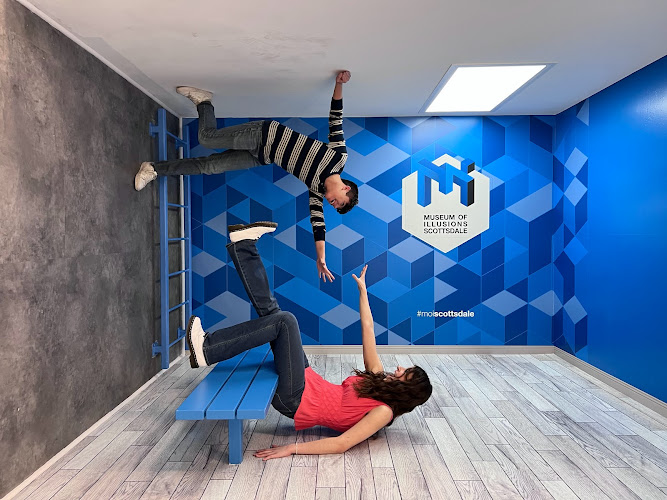
Museum of Illusions Scottsdale
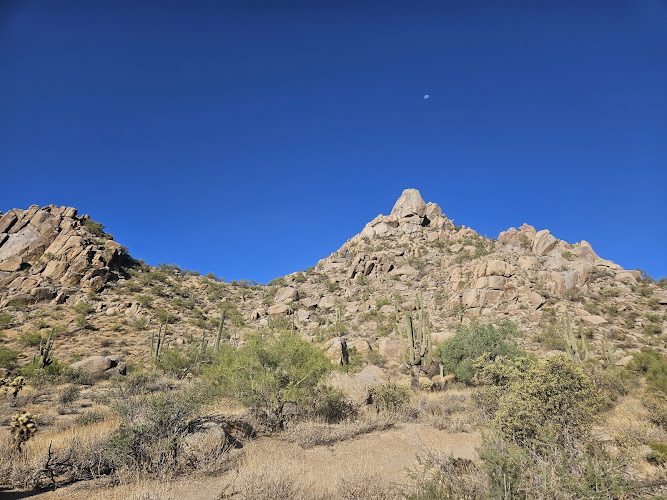
Pinnacle Peak Park
Find Accommodations Nearby
Recommended Tours & Activities
Visitor Reviews
There are no reviews yet. Be the first one to write one.
Share Your Experience
Have you visited Scottsdale Museum of Contemporary Art? Help other travelers by leaving a review.