
Scottsdale Historical Museum
About Scottsdale Historical Museum
Description
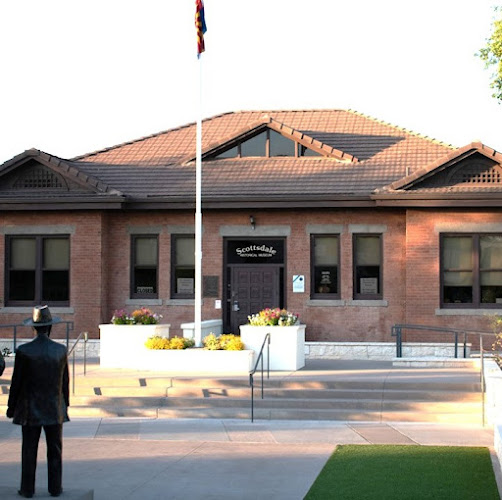
The Scottsdale Historical Museum is a compact, no-nonsense stop for anyone curious about how a small desert settlement grew into the city known today. Housed in a modest building near the civic center and east Scottsdale Mall, the museum focuses on local history with an emphasis on objects, photographs, and stories that reveal everyday life in Scottsdale from its early days through the 20th century. At the heart of the collection is the Little Red Schoolhouse, a one-room school exhibit that often becomes the draw — partly because it looks exactly like the kind of historic schoolhouse that turns up in postcards and partly because it tells a simple, human story about education on the Arizona frontier.
Visitors will find exhibits that highlight ranching, early commerce, municipal growth, and the arts that have shaped Scottsdale. Artifacts range from tools and household items to original photographs and documents. There are curated displays about the American West influence on the region, but the museum resists turning Scottsdale into a caricature of cowboys and saloons. Instead, the focus is on how community institutions, families, and changing industries created the particular local history of Scottsdale. In short, it is history told through the small, tangible things that connect people across time: a school desk, a ledger, a family portrait.
The museum is intentionally intimate. That compactness is an advantage: it makes the experience manageable for families, travelers with limited time, and anyone who likes museums that reward a quiet pace of discovery. The layout encourages lingering. One can stand five minutes in front of a case and feel like a detective; or stay half an hour reading oral histories and suddenly realize an afternoon has slipped by. It’s the sort of place where a casual passerby can learn a surprising amount, and where locals sometimes discover details about their own neighborhood they never knew.
Accessibility is part of the design. The entrance, restroom, and parking are wheelchair accessible, which matters more than people often admit when planning a trip. There’s a simple, friendly gift shop with local books and keepsakes, plus basic amenities like a restroom. Those practical touches make the museum a dependable option for families traveling with kids or older relatives. It’s family-friendly in a genuine way: exhibits are arranged so children can see and touch some things, and adults can enjoy reading deeper historical context without feeling crowded.
Scottsdale Historical Museum does not attempt to compete with large art museums or sprawling historical centers in the region. Instead, it parks itself as an essential complement to Old Town Scottsdale’s arts district and the city’s cultural circuit. People who enjoy walking tours, public art, and boutique galleries will find this museum a pleasant detour. For travelers who plan their day around Old Town, the museum is a quick and satisfying stop that often gives richer context to the architecture and public art encountered nearby.
There is a gentle, neighborhood-museum vibe here. The staff and volunteers are often local historians or people with long ties to the community, which means the interpretation comes with personality and anecdotes. The author remembers one volunteer leaning in to explain, in a voice half amused and half reverent, how a particular family shaped a neighborhood park — and that little aside stuck in memory far more firmly than some textbook summary ever would. Those human touches are part of the reason visitors often come away feeling they experienced a conversation with the city, not just a display.
For travelers who like context, the museum offers it in spades. Exhibits touch on Scottsdale’s agricultural roots — citrus groves, cattle, and irrigation projects — and then move forward into periods of urban development, tourism, and the rise of the local arts scene. The narrative is chronological but not rigidly linear; thematic corners pull attention to the everyday: shopkeepers, schoolteachers, recreation, and the slow negotiation between preserving open desert and welcoming growth. It’s an approach that helps someone unfamiliar with Scottsdale to picture how the place evolved across decades, and why certain landmarks in town look and feel the way they do.
One of the quietly appealing aspects is how the museum treats photography. Historic photos are used thoughtfully, not just as decoration. Close-up shots show faces and fashions, while panoramic views reveal street patterns and early civic centers. Those images are the sort that prompt a traveler to slow down and imagine the past — the dusty roads, the occasional Model T, children clustered around a teacher. For many, those photographs are the emotional core of the visit.
Practical travelers who keep an eye on time can treat the museum as a 30- to 90-minute stop depending on curiosity level. A quick visit lets a person tick off the Little Red Schoolhouse and a handful of main exhibits; a slower pace allows for reading display labels and chatting with staff or volunteers. The museum’s size makes it perfect for layering into a day: morning coffee, museum, walk through the Old Town galleries, lunch, and then a stroll in the civic center park.
There are a few lesser-known advantages that seasoned visitors appreciate. For example, exhibits sometimes rotate small, focused themes — a single family’s archive, a history of a particular neighborhood, or ephemeral items from early-town celebrations. Those rotating displays mean repeat visits can feel fresh. Also, because the museum is community-centered, it often hosts talks, school visits, and occasional pop-up events that reveal current civic concerns alongside historical perspective. In short, it’s not a static repository; it’s a living part of Scottsdale’s cultural landscape.
If a traveler has a limited attention span but a love for authenticity, the museum rewards that. Unlike megamuseums that demand a full day, this one asks for a shorter attention commitment and gives back human-scale stories. On the other hand, historians and detail-oriented visitors will find enough archival material to enjoy an afternoon. So the experience scales: the more time someone gives, the more nuanced the payoff.
There are some pragmatic notes worth mentioning. The museum’s compact nature means it can feel busier on certain weekends, especially when groups or school tours drop in. But that crowding rarely becomes overwhelming; it simply brings more energy. Also, because the museum is focused on local history rather than blockbuster exhibitions, visitors hoping for sweeping national narratives or major artifacts may find it modest. That is a feature, not a flaw, if the visitor’s aim is to learn about Scottsdale specifically.
For families traveling with kids, the Little Red Schoolhouse is a highlight that usually delights children. The tactile, visual nature of the exhibit — little desks, period supplies, and interpretive signs tailored to younger readers — helps make history accessible. Parents often appreciate that the museum is small enough for kids to stay engaged without getting overwhelmed. And yes, there are moments where a child’s question will lead to a volunteer sharing an unexpected story about the town; those moments are the kind of travel memory that sticks.
Finally, the museum sits in a part of Scottsdale where walking between attractions is easy. After a visit, people often continue to nearby galleries, public art installations, or shaded civic spaces. The museum quietly makes other visits more interesting because it supplies the backstory: suddenly, plaques and murals have context, and the place names one passes have faces attached to them. If the traveler wants to understand a city beyond the surface, the Scottsdale Historical Museum gives that understanding in a compact, friendly, and human way.
Key Features
More Details
Updated August 29, 2025
Table of Contents
Description
The Scottsdale Historical Museum is a compact, no-nonsense stop for anyone curious about how a small desert settlement grew into the city known today. Housed in a modest building near the civic center and east Scottsdale Mall, the museum focuses on local history with an emphasis on objects, photographs, and stories that reveal everyday life in Scottsdale from its early days through the 20th century. At the heart of the collection is the Little Red Schoolhouse, a one-room school exhibit that often becomes the draw — partly because it looks exactly like the kind of historic schoolhouse that turns up in postcards and partly because it tells a simple, human story about education on the Arizona frontier.
Visitors will find exhibits that highlight ranching, early commerce, municipal growth, and the arts that have shaped Scottsdale. Artifacts range from tools and household items to original photographs and documents. There are curated displays about the American West influence on the region, but the museum resists turning Scottsdale into a caricature of cowboys and saloons. Instead, the focus is on how community institutions, families, and changing industries created the particular local history of Scottsdale. In short, it is history told through the small, tangible things that connect people across time: a school desk, a ledger, a family portrait.
The museum is intentionally intimate. That compactness is an advantage: it makes the experience manageable for families, travelers with limited time, and anyone who likes museums that reward a quiet pace of discovery. The layout encourages lingering. One can stand five minutes in front of a case and feel like a detective; or stay half an hour reading oral histories and suddenly realize an afternoon has slipped by. It’s the sort of place where a casual passerby can learn a surprising amount, and where locals sometimes discover details about their own neighborhood they never knew.
Accessibility is part of the design. The entrance, restroom, and parking are wheelchair accessible, which matters more than people often admit when planning a trip. There’s a simple, friendly gift shop with local books and keepsakes, plus basic amenities like a restroom. Those practical touches make the museum a dependable option for families traveling with kids or older relatives. It’s family-friendly in a genuine way: exhibits are arranged so children can see and touch some things, and adults can enjoy reading deeper historical context without feeling crowded.
Scottsdale Historical Museum does not attempt to compete with large art museums or sprawling historical centers in the region. Instead, it parks itself as an essential complement to Old Town Scottsdale’s arts district and the city’s cultural circuit. People who enjoy walking tours, public art, and boutique galleries will find this museum a pleasant detour. For travelers who plan their day around Old Town, the museum is a quick and satisfying stop that often gives richer context to the architecture and public art encountered nearby.
There is a gentle, neighborhood-museum vibe here. The staff and volunteers are often local historians or people with long ties to the community, which means the interpretation comes with personality and anecdotes. The author remembers one volunteer leaning in to explain, in a voice half amused and half reverent, how a particular family shaped a neighborhood park — and that little aside stuck in memory far more firmly than some textbook summary ever would. Those human touches are part of the reason visitors often come away feeling they experienced a conversation with the city, not just a display.
For travelers who like context, the museum offers it in spades. Exhibits touch on Scottsdale’s agricultural roots — citrus groves, cattle, and irrigation projects — and then move forward into periods of urban development, tourism, and the rise of the local arts scene. The narrative is chronological but not rigidly linear; thematic corners pull attention to the everyday: shopkeepers, schoolteachers, recreation, and the slow negotiation between preserving open desert and welcoming growth. It’s an approach that helps someone unfamiliar with Scottsdale to picture how the place evolved across decades, and why certain landmarks in town look and feel the way they do.
One of the quietly appealing aspects is how the museum treats photography. Historic photos are used thoughtfully, not just as decoration. Close-up shots show faces and fashions, while panoramic views reveal street patterns and early civic centers. Those images are the sort that prompt a traveler to slow down and imagine the past — the dusty roads, the occasional Model T, children clustered around a teacher. For many, those photographs are the emotional core of the visit.
Practical travelers who keep an eye on time can treat the museum as a 30- to 90-minute stop depending on curiosity level. A quick visit lets a person tick off the Little Red Schoolhouse and a handful of main exhibits; a slower pace allows for reading display labels and chatting with staff or volunteers. The museum’s size makes it perfect for layering into a day: morning coffee, museum, walk through the Old Town galleries, lunch, and then a stroll in the civic center park.
There are a few lesser-known advantages that seasoned visitors appreciate. For example, exhibits sometimes rotate small, focused themes — a single family’s archive, a history of a particular neighborhood, or ephemeral items from early-town celebrations. Those rotating displays mean repeat visits can feel fresh. Also, because the museum is community-centered, it often hosts talks, school visits, and occasional pop-up events that reveal current civic concerns alongside historical perspective. In short, it’s not a static repository; it’s a living part of Scottsdale’s cultural landscape.
If a traveler has a limited attention span but a love for authenticity, the museum rewards that. Unlike megamuseums that demand a full day, this one asks for a shorter attention commitment and gives back human-scale stories. On the other hand, historians and detail-oriented visitors will find enough archival material to enjoy an afternoon. So the experience scales: the more time someone gives, the more nuanced the payoff.
There are some pragmatic notes worth mentioning. The museum’s compact nature means it can feel busier on certain weekends, especially when groups or school tours drop in. But that crowding rarely becomes overwhelming; it simply brings more energy. Also, because the museum is focused on local history rather than blockbuster exhibitions, visitors hoping for sweeping national narratives or major artifacts may find it modest. That is a feature, not a flaw, if the visitor’s aim is to learn about Scottsdale specifically.
For families traveling with kids, the Little Red Schoolhouse is a highlight that usually delights children. The tactile, visual nature of the exhibit — little desks, period supplies, and interpretive signs tailored to younger readers — helps make history accessible. Parents often appreciate that the museum is small enough for kids to stay engaged without getting overwhelmed. And yes, there are moments where a child’s question will lead to a volunteer sharing an unexpected story about the town; those moments are the kind of travel memory that sticks.
Finally, the museum sits in a part of Scottsdale where walking between attractions is easy. After a visit, people often continue to nearby galleries, public art installations, or shaded civic spaces. The museum quietly makes other visits more interesting because it supplies the backstory: suddenly, plaques and murals have context, and the place names one passes have faces attached to them. If the traveler wants to understand a city beyond the surface, the Scottsdale Historical Museum gives that understanding in a compact, friendly, and human way.
Key Highlights
Scottsdale Historical Museum
Location
Places to Stay Near Scottsdale Historical Museum
Find and Book a Tour
Explore More Travel Guides
No reviews found! Be the first to review!
Traveler Reviews for Scottsdale Historical Museum
There are no reviews yet. Be the first one to write one.
Have you visited Scottsdale Historical Museum? Help other travelers by sharing your review.
You Might Also Like

iFLY Indoor Skydiving - Phoenix
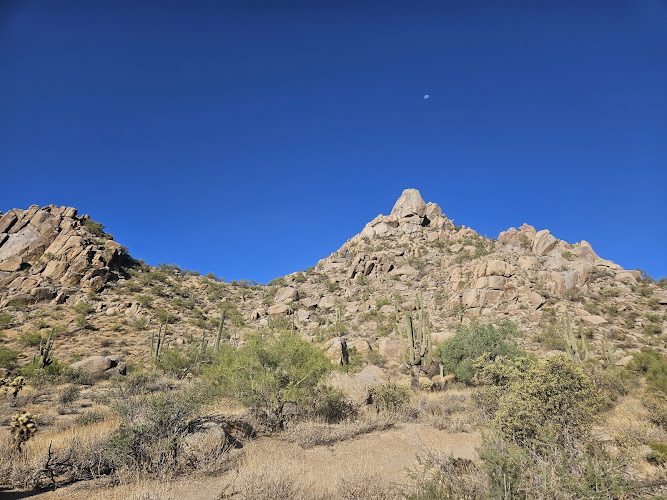
Pinnacle Peak Park
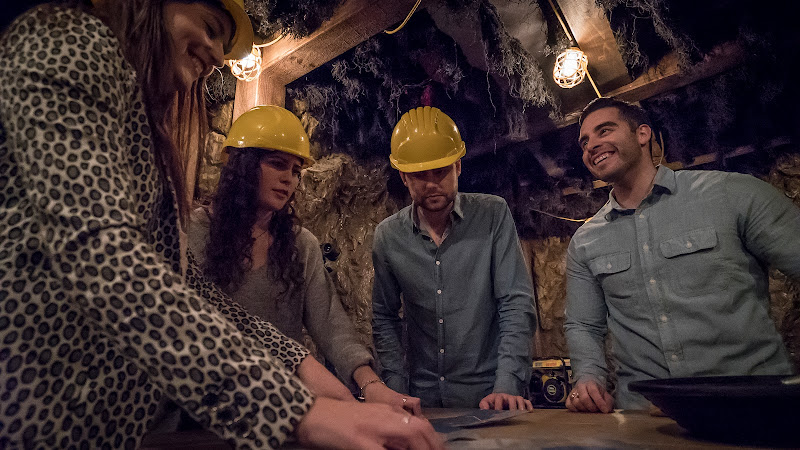
Escape the Room AZ
Find Accommodations Nearby
Recommended Tours & Activities
Visitor Reviews
There are no reviews yet. Be the first one to write one.
Share Your Experience
Have you visited Scottsdale Historical Museum? Help other travelers by leaving a review.