
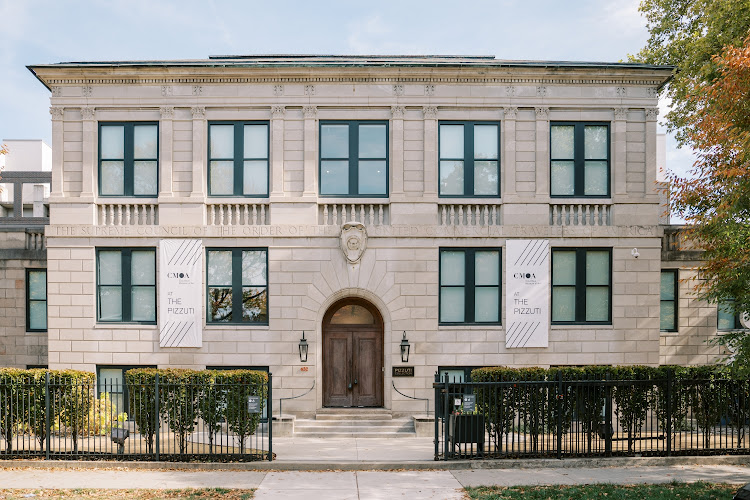
Columbus Museum of Art at The Pizzuti
About Columbus Museum of Art at The Pizzuti
Description
The Columbus Museum of Art at The Pizzuti sits as a focused, non-profit gallery within Columbus, Ohio, known for thoughtful presentations of contemporary and modern work. The Pizzuti Collection, part of the museum’s broader efforts, brings together paintings, sculptures and experimental film programs from around the world, and organizes those pieces into exhibitions that often feel more like conversations than mere displays. It is the sort of place where a single painting can anchor a room and a single video installation can change how visitors move through the space.
Travelers who make the trip to The Pizzuti usually arrive with an appetite for discovery. They are met by clean galleries, clever curatorial pairings and an intimacy that larger institutions sometimes lack. The museum operates as a gallery focused on contemporary practice, but it also leans into historical context when that deepens the story. Expect rotating exhibitions rather than a permanent blockbuster lineup; the programming is curated to highlight emerging voices alongside established artists. In short, this is a collection that aims to surprise and provoke a few questions while still being accessible to people who are not daily gallery-goers.
The building itself has a measured, almost residential scale compared with glass-and-steel museum boxes. That makes it easy to move through for a 45-minute detour or a two-hour, slow-afternoon exploration. Lighting is considered, wall colors are used with intention, and the flow between rooms often encourages visitors to pause and connect dots across mediums. In practice this means someone interested in photography will likely stumble into an installation or a sculpture they wouldn’t have sought out otherwise. Those little, accidental discoveries are the secret sauce here.
Accessibility is not an afterthought. The Pizzuti offers a wheelchair accessible entrance and even wheelchair rentals, which is a thoughtful detail that often gets overlooked at smaller galleries. The museum also provides gender-neutral restrooms, and the staff tends to be friendly and helpful when it comes to navigating the space or answering questions about a work. For military visitors, an active-duty discount is available, a practical courtesy that demonstrates the museum’s commitment to being welcoming to a broad public.
Families will find the place unexpectedly kid-friendly. While contemporary art sometimes intimidates families with young children, The Pizzuti makes several efforts to ease that barrier. The exhibitions often include hands-on or interpretive elements and the atmosphere remains relaxed; parents have described it as a place where curious kids can be introduced to ideas without rigid rules. It’s not a children’s museum, but it treats families like real visitors rather than inconveniences. In his own first visit with a small niece, the guide noticed how a quiet sculptural work became the backdrop for a five-year-old’s imaginative game, and instead of disapproving glances the staff offered crayons and a family worksheet that encouraged further exploration. That small moment stuck with him longer than a lot of curated statements do.
Visitors who pay attention will notice that the collection emphasizes contemporary artists and experimental forms. Film screenings and time-based media are part of the program, too, which gives the museum a slightly different rhythm than a gallery focused only on painting and sculpture. If the guest prefers traditional galleries, they will still appreciate the quality of presentation here; if the guest loves contemporary practice, be prepared for new, sometimes challenging, work. Either way the exhibitions are arranged to make each visit feel like an encounter rather than a checklist.
Practical details matter when traveling, and The Pizzuti manages most of them well. There is no full-service restaurant on site, so plan for a coffee or lunch stop nearby. That said, the Short North nearby is peppered with cafés and eateries that cater well to museum crowds. Coat checks and lockers are available for larger bags, and the cloakroom policy is straightforward. The staff communicates opening hours and ticketing procedures clearly; they tend to be frank about what is on view and what might be closed for installation, which travelers appreciate when plotting a day that may include other nearby stops.
For those who like numbers: the museum sees a steady stream of positive reviews from visitors, with a strong majority praising exhibitions and the friendly staff. There are mixed opinions too, naturally; a handful of visitors expect a much larger campus and leave disappointed. So the best approach is to go in with modest expectations: think curated gallery experience, not a sprawling national museum. When the expectation aligns with reality, the rewards are tangible — intimate encounters with contemporary pieces, clear sight lines to artwork, and a sense that the experience was designed with human scale in mind.
The Pizzuti also plays well within the city’s cultural ecosystem. It actively participates in public programming and special events, hosting talks, exhibition openings and occasional film series. While spectacle is rare here, thoughtful programming and community-facing events do occur with enough frequency to make repeat visits worthwhile. If travelers plan ahead, they might time a visit to coincide with an artist talk or a themed evening, which can change the day from a casual visit into a memorable local experience.
One subtle but important attribute is the museum’s relationship to place. Located near the Short North arts district, it benefits from a walkable urban context; visitors can easily pair a museum stop with galleries, boutiques and a range of restaurants within a short stroll. The neighborhood vibe encourages lingering, and many people end their gallery visit on a bench in a nearby plaza, trading impressions of what they just saw. The Pizzuti’s footprint amplifies that kind of casual, culturally rich day in the city.
Another lesser-known aspect: the institution’s curatorial program sometimes showcases work tied to Ohio’s broader art conversations — collaborations with local artists or university programs have appeared in past exhibitions. For travelers invested in regional art scenes, these pieces provide a valuable counterpoint to the international work on display. It’s a nice mix; you get a sense of Columbus’s own artistic pulse alongside international voices. That local-global tango is one of the reasons many repeat visitors keep coming back.
To sum up the visitor experience in practical terms, The Pizzuti invites curiosity without overwhelming. It is a compact, well-curated contemporary collection housed in an accessible environment. People who enjoy slower museum experiences, who like to let one striking painting or an intense film linger in their heads for hours afterward, will find it rewarding. And for the casual tourist who wants a dose of contemporary art without committing a whole day, a 60- to 90-minute visit often does the trick. The place rewards attention, not speed.
The only thing a traveler really needs to remember is this: come with an open mind, comfortable shoes and a willingness to let the art set the pace. If the weather or schedule demands a different plan, the surrounding Short North neighborhood offers plenty of fallback options for dining and casual exploration. And if the guest later feels like retelling a travel story, they’ll likely remember an odd sculpture or a short film more vividly than another museum selfie. In that odd way, The Pizzuti tends to stick with visitors — not because it shouts the loudest, but because it makes room for small, memorable encounters with art.
Key Features
More Details
Updated August 29, 2025
Table of Contents
Description
The Columbus Museum of Art at The Pizzuti sits as a focused, non-profit gallery within Columbus, Ohio, known for thoughtful presentations of contemporary and modern work. The Pizzuti Collection, part of the museum’s broader efforts, brings together paintings, sculptures and experimental film programs from around the world, and organizes those pieces into exhibitions that often feel more like conversations than mere displays. It is the sort of place where a single painting can anchor a room and a single video installation can change how visitors move through the space.
Travelers who make the trip to The Pizzuti usually arrive with an appetite for discovery. They are met by clean galleries, clever curatorial pairings and an intimacy that larger institutions sometimes lack. The museum operates as a gallery focused on contemporary practice, but it also leans into historical context when that deepens the story. Expect rotating exhibitions rather than a permanent blockbuster lineup; the programming is curated to highlight emerging voices alongside established artists. In short, this is a collection that aims to surprise and provoke a few questions while still being accessible to people who are not daily gallery-goers.
The building itself has a measured, almost residential scale compared with glass-and-steel museum boxes. That makes it easy to move through for a 45-minute detour or a two-hour, slow-afternoon exploration. Lighting is considered, wall colors are used with intention, and the flow between rooms often encourages visitors to pause and connect dots across mediums. In practice this means someone interested in photography will likely stumble into an installation or a sculpture they wouldn’t have sought out otherwise. Those little, accidental discoveries are the secret sauce here.
Accessibility is not an afterthought. The Pizzuti offers a wheelchair accessible entrance and even wheelchair rentals, which is a thoughtful detail that often gets overlooked at smaller galleries. The museum also provides gender-neutral restrooms, and the staff tends to be friendly and helpful when it comes to navigating the space or answering questions about a work. For military visitors, an active-duty discount is available, a practical courtesy that demonstrates the museum’s commitment to being welcoming to a broad public.
Families will find the place unexpectedly kid-friendly. While contemporary art sometimes intimidates families with young children, The Pizzuti makes several efforts to ease that barrier. The exhibitions often include hands-on or interpretive elements and the atmosphere remains relaxed; parents have described it as a place where curious kids can be introduced to ideas without rigid rules. It’s not a children’s museum, but it treats families like real visitors rather than inconveniences. In his own first visit with a small niece, the guide noticed how a quiet sculptural work became the backdrop for a five-year-old’s imaginative game, and instead of disapproving glances the staff offered crayons and a family worksheet that encouraged further exploration. That small moment stuck with him longer than a lot of curated statements do.
Visitors who pay attention will notice that the collection emphasizes contemporary artists and experimental forms. Film screenings and time-based media are part of the program, too, which gives the museum a slightly different rhythm than a gallery focused only on painting and sculpture. If the guest prefers traditional galleries, they will still appreciate the quality of presentation here; if the guest loves contemporary practice, be prepared for new, sometimes challenging, work. Either way the exhibitions are arranged to make each visit feel like an encounter rather than a checklist.
Practical details matter when traveling, and The Pizzuti manages most of them well. There is no full-service restaurant on site, so plan for a coffee or lunch stop nearby. That said, the Short North nearby is peppered with cafés and eateries that cater well to museum crowds. Coat checks and lockers are available for larger bags, and the cloakroom policy is straightforward. The staff communicates opening hours and ticketing procedures clearly; they tend to be frank about what is on view and what might be closed for installation, which travelers appreciate when plotting a day that may include other nearby stops.
For those who like numbers: the museum sees a steady stream of positive reviews from visitors, with a strong majority praising exhibitions and the friendly staff. There are mixed opinions too, naturally; a handful of visitors expect a much larger campus and leave disappointed. So the best approach is to go in with modest expectations: think curated gallery experience, not a sprawling national museum. When the expectation aligns with reality, the rewards are tangible — intimate encounters with contemporary pieces, clear sight lines to artwork, and a sense that the experience was designed with human scale in mind.
The Pizzuti also plays well within the city’s cultural ecosystem. It actively participates in public programming and special events, hosting talks, exhibition openings and occasional film series. While spectacle is rare here, thoughtful programming and community-facing events do occur with enough frequency to make repeat visits worthwhile. If travelers plan ahead, they might time a visit to coincide with an artist talk or a themed evening, which can change the day from a casual visit into a memorable local experience.
One subtle but important attribute is the museum’s relationship to place. Located near the Short North arts district, it benefits from a walkable urban context; visitors can easily pair a museum stop with galleries, boutiques and a range of restaurants within a short stroll. The neighborhood vibe encourages lingering, and many people end their gallery visit on a bench in a nearby plaza, trading impressions of what they just saw. The Pizzuti’s footprint amplifies that kind of casual, culturally rich day in the city.
Another lesser-known aspect: the institution’s curatorial program sometimes showcases work tied to Ohio’s broader art conversations — collaborations with local artists or university programs have appeared in past exhibitions. For travelers invested in regional art scenes, these pieces provide a valuable counterpoint to the international work on display. It’s a nice mix; you get a sense of Columbus’s own artistic pulse alongside international voices. That local-global tango is one of the reasons many repeat visitors keep coming back.
To sum up the visitor experience in practical terms, The Pizzuti invites curiosity without overwhelming. It is a compact, well-curated contemporary collection housed in an accessible environment. People who enjoy slower museum experiences, who like to let one striking painting or an intense film linger in their heads for hours afterward, will find it rewarding. And for the casual tourist who wants a dose of contemporary art without committing a whole day, a 60- to 90-minute visit often does the trick. The place rewards attention, not speed.
The only thing a traveler really needs to remember is this: come with an open mind, comfortable shoes and a willingness to let the art set the pace. If the weather or schedule demands a different plan, the surrounding Short North neighborhood offers plenty of fallback options for dining and casual exploration. And if the guest later feels like retelling a travel story, they’ll likely remember an odd sculpture or a short film more vividly than another museum selfie. In that odd way, The Pizzuti tends to stick with visitors — not because it shouts the loudest, but because it makes room for small, memorable encounters with art.
Key Highlights
Columbus Museum of Art at The Pizzuti
Location
Places to Stay Near Columbus Museum of Art at The Pizzuti
Find and Book a Tour
Explore More Travel Guides
No reviews found! Be the first to review!
Traveler Reviews for Columbus Museum of Art at The Pizzuti
There are no reviews yet. Be the first one to write one.
Have you visited Columbus Museum of Art at The Pizzuti? Help other travelers by sharing your review.
You Might Also Like
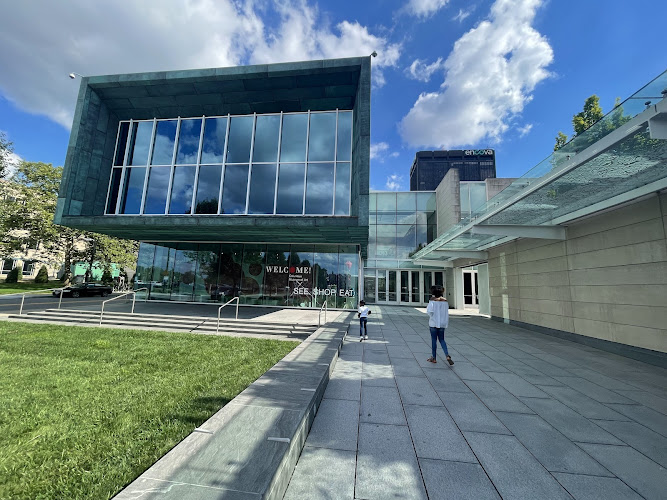
Columbus Museum of Art
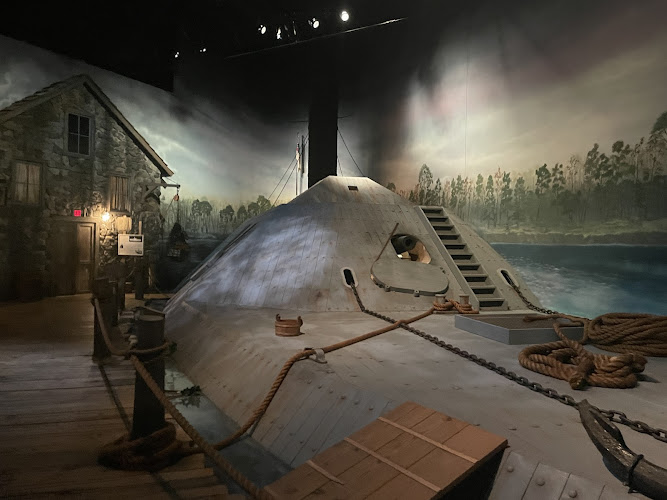
National Civil War Naval Museum
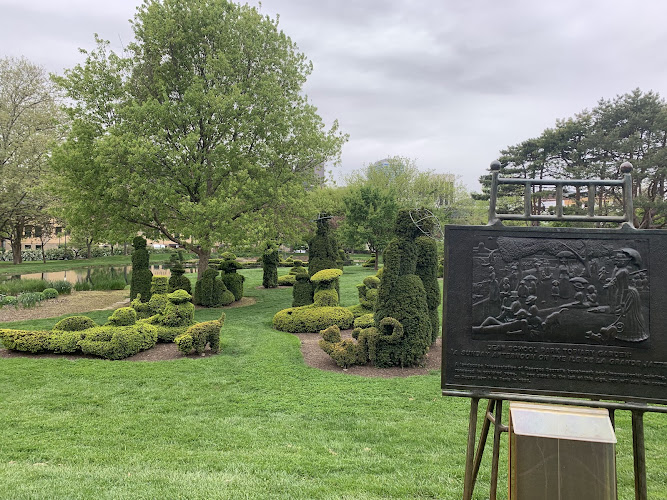
Topiary Park
Find Accommodations Nearby
Recommended Tours & Activities
Visitor Reviews
There are no reviews yet. Be the first one to write one.
Share Your Experience
Have you visited Columbus Museum of Art at The Pizzuti? Help other travelers by leaving a review.