
Columbus Museum of Art
About Columbus Museum of Art
Description
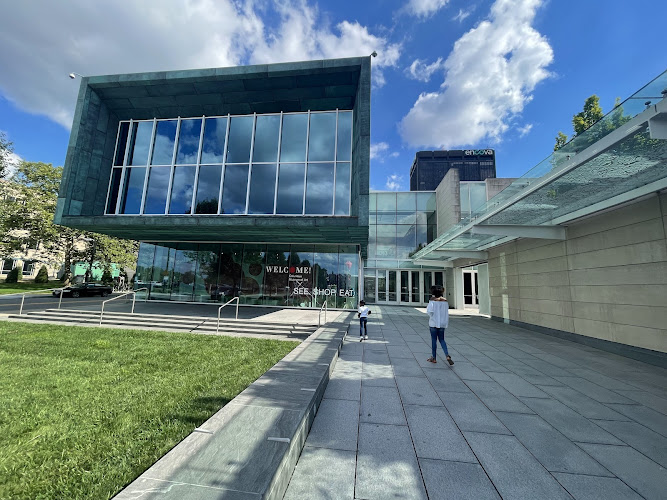
The Columbus Museum of Art presents itself as a thoughtful, layered destination for anyone curious about art, history, and community life in Columbus, Ohio. It stands as a place where permanent collections and traveling exhibitions intersect with programs, performances, and everyday conveniences like a café and a well-stocked gift shop. Visitors will find work that spans American paintings, early modern pieces, contemporary installations, photography, glasswork, and more — a wide sweep that makes the museum useful whether someone is a first-time museum-goer or a seasoned art nerd.
What strikes people right away is the balance between old and new. Classical galleries with carefully lit paintings sit not far from experimental spaces where modern media and installations can be loud, subtle, or somewhere in between. The curatorial approach is pragmatic: show canonical works alongside emerging artists, and sprinkle in thematic exhibits that invite conversation about local culture and national trends. It is not a museum that hides behind stuffy labels; the placards are readable, sometimes wry, and often encourage the viewer to think about the context, not just the craft.
On a practical level the museum hits many of the visitor boxes that matter: accessible entrances and parking, wheelchair-friendly restrooms, family facilities including changing tables, and free Wi-Fi. Guided tours are offered for those who prefer a docent-led experience, and special programs — including live performances — pop up with some regularity. Those performances, whether experimental music, spoken-word events, or short theater pieces, give the institution an energy beyond the galleries. That said, the museum does charge admission, so casual strollers may want to plan their time to get the most value from the visit.
Food lovers and people who need a break from looking at art will appreciate the museum café and on-site restaurant. They tend to lean toward approachable, seasonal menus rather than haute cuisine — which, honestly, is fine because it means someone can have a decent sandwich and coffee without breaking the flow of the day. The gift shop similarly avoids the typical museum-shop trap of fifty small objects that all look suspiciously similar; instead, it often features locally made goods, art books, quirky stationery, and thoughtful souvenirs that feel like something one would actually want to bring home.
Accessibility and family-friendliness are strong suits here. Families with kids will find programming tailored to younger visitors, hands-on activities (when scheduled), and exhibits designed to engage rather than intimidate. The museum is careful to advertise when certain activities are best for children and when content may be more adult. That kind of honesty matters, because a museum that assumes every child will love an abstract video installation — well, that rarely works out. The Columbus Museum of Art tends instead to give both kids and adults manageable pathways through its spaces, so everyone leaves feeling they got something out of the visit.
There are a few things that regulars quietly celebrate. One is the rotation of traveling exhibitions: curators bring in shows that stretch beyond Ohio, offering perspectives on European modernism, American realism, contemporary photography, and occasionally blockbusters that attract art lovers from across the region. Another little gem is the museum’s commitment to local artists and community projects. That shows up in small galleries dedicated to regional work, frequent collaborations with local arts groups, and educational programs that feel rooted in the city rather than parachuted in from elsewhere.
Visitors often ask whether the museum is intimidating. The answer is no, not really. The layout is intentional, with quiet rooms for concentrated viewing and larger halls for more theatrical pieces. Galleries are designed to create moments of pause; benches are thoughtfully placed, natural light is used where appropriate, and sightlines allow people to take in a painting or sculpture from multiple angles. Yet, at times, popular exhibits can draw crowds, and that changes the mood — it becomes more social, more lively, less meditative. Both moods have their merits. For people who crave quiet, weekday mornings are a blessing. For those who enjoy a buzz, weekend afternoons can be quite pleasant.
The museum also has a habit of surprising visitors with small, memorable experiences: an unexpected video installation that perfectly complements a painting, a docent with a story that reframes a familiar work, or a temporary exhibit that resonates with a current event. These surprises are part of why people return. And to be transparent: there are occasional mismatches between expectations and reality. Some traveling shows are better received than others; installation spaces can feel tight during peak times; and, like many urban cultural institutions, the permanent collection areas might sometimes tilt toward the familiar. Still, the museum shows a willingness to adapt, experiment, and take risks — which keeps it relevant.
One detail worth noting for the inquisitive traveler: the museum takes contemporary art seriously, but it also preserves and interprets historical works with care. So a visit will likely include both mid-20th-century American masters and current artists working in photography, glass, or mixed media. Curators often create dialogues between eras in adjacent galleries, which can be enlightening — a 19th-century portrait followed by a modern piece that riffs on identity, for instance. That kind of juxtaposition makes the museum feel less like a static archive and more like an ongoing conversation about what art does and why it matters now.
For those who enjoy numbers and a bit of context, the museum’s programming schedule is active: exhibitions rotate several times a year, special events and performances occur monthly, and educational programs run throughout the school year. That rhythm helps make the museum a reliable stop for both one-off tourists and repeat visitors. The momentum is visible: galleries fill, shows change, and the museum reinvents itself enough to reward a return trip within a season.
There is a strong institutional focus on outreach and education. School groups visit regularly, and there are adult learning programs, lectures, and artist talks that broaden the museum’s reach. Community engagement is more than lip service here; partnerships with local organizations and targeted initiatives aim to lower barriers to access, both physical and cultural. People who live in the region often mention programs designed to welcome first-timers into the world of art, which is a subtle but important part of the museum’s mission.
Finally, the Columbus Museum of Art is, at heart, a civic space. It’s a place where art gets shown, yes, but also a place where people gather, debate, learn, and eat. The café and restaurant make it possible to linger; the gift shop encourages a small, physical memory to come home with. For a traveler, that combination of thoughtful exhibitions, practical amenities, accessibility features, and a pulse of public programming makes the museum a satisfying stop on a Columbus itinerary. If someone wants to leave with a sense of the city’s artistic life — and perhaps to understand a little about the region’s place in broader American art narratives — a few hours here will do the job well.
In short, the Columbus Museum of Art is recommended for visitors who enjoy layered experiences: scholarly enough to satisfy learners, experimental enough to intrigue the curious, and friendly enough to welcome families. It is not flawless, but it is engaged, evolving, and rooted in the local arts ecology — qualities that make time spent here feel both enjoyable and worthwhile.
Key Features
More Details
Updated August 29, 2025
Table of Contents
Description
The Columbus Museum of Art presents itself as a thoughtful, layered destination for anyone curious about art, history, and community life in Columbus, Ohio. It stands as a place where permanent collections and traveling exhibitions intersect with programs, performances, and everyday conveniences like a café and a well-stocked gift shop. Visitors will find work that spans American paintings, early modern pieces, contemporary installations, photography, glasswork, and more — a wide sweep that makes the museum useful whether someone is a first-time museum-goer or a seasoned art nerd.
What strikes people right away is the balance between old and new. Classical galleries with carefully lit paintings sit not far from experimental spaces where modern media and installations can be loud, subtle, or somewhere in between. The curatorial approach is pragmatic: show canonical works alongside emerging artists, and sprinkle in thematic exhibits that invite conversation about local culture and national trends. It is not a museum that hides behind stuffy labels; the placards are readable, sometimes wry, and often encourage the viewer to think about the context, not just the craft.
On a practical level the museum hits many of the visitor boxes that matter: accessible entrances and parking, wheelchair-friendly restrooms, family facilities including changing tables, and free Wi-Fi. Guided tours are offered for those who prefer a docent-led experience, and special programs — including live performances — pop up with some regularity. Those performances, whether experimental music, spoken-word events, or short theater pieces, give the institution an energy beyond the galleries. That said, the museum does charge admission, so casual strollers may want to plan their time to get the most value from the visit.
Food lovers and people who need a break from looking at art will appreciate the museum café and on-site restaurant. They tend to lean toward approachable, seasonal menus rather than haute cuisine — which, honestly, is fine because it means someone can have a decent sandwich and coffee without breaking the flow of the day. The gift shop similarly avoids the typical museum-shop trap of fifty small objects that all look suspiciously similar; instead, it often features locally made goods, art books, quirky stationery, and thoughtful souvenirs that feel like something one would actually want to bring home.
Accessibility and family-friendliness are strong suits here. Families with kids will find programming tailored to younger visitors, hands-on activities (when scheduled), and exhibits designed to engage rather than intimidate. The museum is careful to advertise when certain activities are best for children and when content may be more adult. That kind of honesty matters, because a museum that assumes every child will love an abstract video installation — well, that rarely works out. The Columbus Museum of Art tends instead to give both kids and adults manageable pathways through its spaces, so everyone leaves feeling they got something out of the visit.
There are a few things that regulars quietly celebrate. One is the rotation of traveling exhibitions: curators bring in shows that stretch beyond Ohio, offering perspectives on European modernism, American realism, contemporary photography, and occasionally blockbusters that attract art lovers from across the region. Another little gem is the museum’s commitment to local artists and community projects. That shows up in small galleries dedicated to regional work, frequent collaborations with local arts groups, and educational programs that feel rooted in the city rather than parachuted in from elsewhere.
Visitors often ask whether the museum is intimidating. The answer is no, not really. The layout is intentional, with quiet rooms for concentrated viewing and larger halls for more theatrical pieces. Galleries are designed to create moments of pause; benches are thoughtfully placed, natural light is used where appropriate, and sightlines allow people to take in a painting or sculpture from multiple angles. Yet, at times, popular exhibits can draw crowds, and that changes the mood — it becomes more social, more lively, less meditative. Both moods have their merits. For people who crave quiet, weekday mornings are a blessing. For those who enjoy a buzz, weekend afternoons can be quite pleasant.
The museum also has a habit of surprising visitors with small, memorable experiences: an unexpected video installation that perfectly complements a painting, a docent with a story that reframes a familiar work, or a temporary exhibit that resonates with a current event. These surprises are part of why people return. And to be transparent: there are occasional mismatches between expectations and reality. Some traveling shows are better received than others; installation spaces can feel tight during peak times; and, like many urban cultural institutions, the permanent collection areas might sometimes tilt toward the familiar. Still, the museum shows a willingness to adapt, experiment, and take risks — which keeps it relevant.
One detail worth noting for the inquisitive traveler: the museum takes contemporary art seriously, but it also preserves and interprets historical works with care. So a visit will likely include both mid-20th-century American masters and current artists working in photography, glass, or mixed media. Curators often create dialogues between eras in adjacent galleries, which can be enlightening — a 19th-century portrait followed by a modern piece that riffs on identity, for instance. That kind of juxtaposition makes the museum feel less like a static archive and more like an ongoing conversation about what art does and why it matters now.
For those who enjoy numbers and a bit of context, the museum’s programming schedule is active: exhibitions rotate several times a year, special events and performances occur monthly, and educational programs run throughout the school year. That rhythm helps make the museum a reliable stop for both one-off tourists and repeat visitors. The momentum is visible: galleries fill, shows change, and the museum reinvents itself enough to reward a return trip within a season.
There is a strong institutional focus on outreach and education. School groups visit regularly, and there are adult learning programs, lectures, and artist talks that broaden the museum’s reach. Community engagement is more than lip service here; partnerships with local organizations and targeted initiatives aim to lower barriers to access, both physical and cultural. People who live in the region often mention programs designed to welcome first-timers into the world of art, which is a subtle but important part of the museum’s mission.
Finally, the Columbus Museum of Art is, at heart, a civic space. It’s a place where art gets shown, yes, but also a place where people gather, debate, learn, and eat. The café and restaurant make it possible to linger; the gift shop encourages a small, physical memory to come home with. For a traveler, that combination of thoughtful exhibitions, practical amenities, accessibility features, and a pulse of public programming makes the museum a satisfying stop on a Columbus itinerary. If someone wants to leave with a sense of the city’s artistic life — and perhaps to understand a little about the region’s place in broader American art narratives — a few hours here will do the job well.
In short, the Columbus Museum of Art is recommended for visitors who enjoy layered experiences: scholarly enough to satisfy learners, experimental enough to intrigue the curious, and friendly enough to welcome families. It is not flawless, but it is engaged, evolving, and rooted in the local arts ecology — qualities that make time spent here feel both enjoyable and worthwhile.
Key Highlights
Columbus Museum of Art
Location
Places to Stay Near Columbus Museum of Art
Find and Book a Tour
Explore More Travel Guides
No reviews found! Be the first to review!
Traveler Reviews for Columbus Museum of Art
There are no reviews yet. Be the first one to write one.
Have you visited Columbus Museum of Art? Help other travelers by sharing your review.
You Might Also Like
Columbus Helicopter Tours

iLoveKickboxing - Columbus
John F. Wolfe Columbus Commons
Find Accommodations Nearby
Recommended Tours & Activities
Visitor Reviews
There are no reviews yet. Be the first one to write one.
Share Your Experience
Have you visited Columbus Museum of Art? Help other travelers by leaving a review.