
Lake Tritriva
About Lake Tritriva
Description
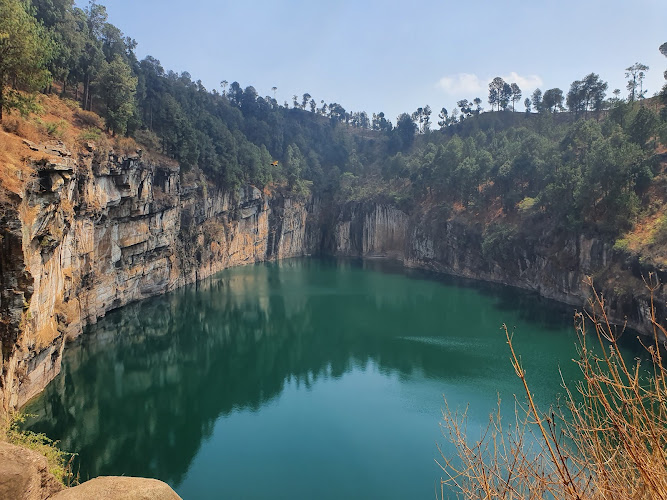
Lake Tritriva is one of those places that quietly takes your breath away before you even realize it. Tucked high in Madagascar’s central highlands, this volcanic lake sits calmly inside the crater of an extinct volcano. The first time one lays eyes on it—those deep, almost mysterious green-blue waters framed by steep, wooded cliffs—it’s hard not to just stop and stare. The air feels different up there, a little cooler, a little more alive. Some locals even say the lake’s color changes with the weather, which honestly, I believe after seeing it shift between emerald and sapphire hues within minutes.
There’s something about the stillness of Lake Tritriva that feels almost sacred. The lake carries an old legend of two lovers, Rabeniomby and Ravolahanta, whose story is as tragic as it is beautiful. They’re said to have leapt into the lake together after their love was forbidden, and to this day, locals consider the lake a symbol of eternal devotion. Whether one believes in legends or not, it’s hard to deny that the place has an aura—a quiet, solemn presence that lingers long after you leave.
Surrounded by pine forests and rocky cliffs, the lake lies about 15 kilometers from Antsirabe. It’s a popular stop for travelers looking for a peaceful escape from the city, though it still feels relatively untouched. The hike around the crater rim isn’t too demanding, but it rewards you with panoramic views of the lake and the rolling hills beyond. And if you’re into photography, this spot will fill your camera roll faster than you can say “just one more shot.”
Of course, not everything here is perfect. The path can get slippery after rain, and sometimes the area feels a bit commercialized with guides and vendors offering souvenirs. But honestly, that’s part of the charm—it’s real, it’s human, and it’s Madagascar at its most authentic. The lake’s sulfurous scent might surprise some visitors, but it’s a reminder of its volcanic origin, a trace of the earth’s fiery past still whispering beneath the surface.
Key Features
- Volcanic Origin: Formed inside an extinct volcano, the lake’s circular shape and steep cliffs make it a natural wonder for geology enthusiasts.
- Changing Water Colors: Depending on the sunlight and weather, the lake’s color shifts from deep blue to green, creating a mesmerizing spectacle.
- Legend of the Lovers: The story of Rabeniomby and Ravolahanta adds a romantic and cultural depth to the site, making it more than just a scenic spot.
- Scenic Hiking Trails: Trails around the crater offer stunning viewpoints and a chance to explore the surrounding pine forests and rock formations.
- Altitude & Climate: Sitting at over 1,700 meters above sea level, the area enjoys cool, refreshing air, ideal for a morning or late afternoon visit.
- Local Culture: Visitors can meet local guides who share legends and stories passed down through generations, adding a personal touch to the experience.
Best Time to Visit
The best time to visit Lake Tritriva is during Madagascar’s dry season, roughly from May to October. During these months, the skies are clear, the paths are dry, and the lake’s colors are at their most vibrant. I once went in early July, and the air was crisp but sunny—perfect for hiking without breaking too much of a sweat. The rainy season, from November to April, can make the trails muddy and slippery, though the misty atmosphere does give the lake an almost mystical feel. If that’s your vibe, it might actually be worth braving a bit of drizzle.
Morning hours tend to be the most peaceful, before tour groups arrive. The light at sunrise paints the cliffs golden, and the reflection on the lake is nothing short of magical. Late afternoon is another great time—especially if you’re chasing that warm, amber glow for photos. Just keep in mind that temperatures drop quickly after sunset, so bring a light jacket even if it feels warm when you set out.
How to Get There
Getting to Lake Tritriva is fairly straightforward if you’re starting from Antsirabe, one of Madagascar’s most charming highland towns. It’s about a 15-kilometer journey west of the city, which takes roughly 30 to 45 minutes by car or motorbike. The road is partially paved and then turns into a dirt track as you approach the lake, so a 4x4 vehicle or a sturdy scooter is your best bet. If you’re up for an adventure, some travelers choose to cycle from Antsirabe—it’s a challenging ride with a few steep climbs, but the views along the way are worth every pedal.
Local guides are usually available at the entrance, and hiring one is highly recommended. They’ll not only help you navigate the trails but also share fascinating stories about the lake’s history and legends. Plus, it’s a great way to support the local community. There’s a small entrance fee, which goes toward maintaining the site, and a few stalls nearby sell snacks, drinks, and handmade crafts. Don’t expect fancy facilities though—this is still very much a natural, rustic destination.
Tips for Visiting
Visiting Lake Tritriva is one of those experiences that sticks with you, but a few practical tips can make it even better. Here’s what you should know before you go:
- Wear proper shoes: The trails can be uneven and rocky. A pair of sturdy sneakers or hiking boots will save you from slipping on loose gravel.
- Bring cash: There are no ATMs near the lake, and entrance fees or local purchases are cash-only.
- Respect local customs: The lake is considered sacred by locals. Swimming is not allowed, and it’s best to avoid loud behavior or littering.
- Stay hydrated: The altitude can make you feel tired faster than expected, so carry enough water, especially on sunny days.
- Hire a guide: It’s not just about navigation—guides share stories and insights that make the visit much more meaningful.
- Photography tips: Early morning or late afternoon light brings out the lake’s colors beautifully. If you’re using a drone, check with your guide first, as there may be restrictions.
- Combine with other attractions: If you’ve got time, pair your visit with a trip to nearby Lake Andraikiba or explore Antsirabe’s artisan workshops.
And here’s a small personal note: don’t rush your time here. Sit by the edge, listen to the wind moving through the pines, and just breathe. There’s something grounding about being in a place that has witnessed centuries of change yet remains so untouched. I remember sitting there for nearly an hour, watching ripples on the water and thinking how small and peaceful the world can feel when you let it. That’s what Lake Tritriva gives you—not just a view, but a moment of stillness you didn’t know you needed.
So, whether you’re a hiker, a history buff, or someone who just loves discovering hidden corners of the world, Lake Tritriva deserves a spot on your Madagascar itinerary. It’s not the biggest or the flashiest attraction, but it’s the kind of place that stays with you long after you’ve left. And maybe, just maybe, you’ll leave a little piece of your heart there too—just like those two lovers from the legend did all those years ago.
Key Features
- Key Features
- Best Time to Visit
- How to Get There
- Tips for Visiting
More Details
Updated November 9, 2025
Table of Contents
Description
Lake Tritriva is one of those places that quietly takes your breath away before you even realize it. Tucked high in Madagascar’s central highlands, this volcanic lake sits calmly inside the crater of an extinct volcano. The first time one lays eyes on it—those deep, almost mysterious green-blue waters framed by steep, wooded cliffs—it’s hard not to just stop and stare. The air feels different up there, a little cooler, a little more alive. Some locals even say the lake’s color changes with the weather, which honestly, I believe after seeing it shift between emerald and sapphire hues within minutes.
There’s something about the stillness of Lake Tritriva that feels almost sacred. The lake carries an old legend of two lovers, Rabeniomby and Ravolahanta, whose story is as tragic as it is beautiful. They’re said to have leapt into the lake together after their love was forbidden, and to this day, locals consider the lake a symbol of eternal devotion. Whether one believes in legends or not, it’s hard to deny that the place has an aura—a quiet, solemn presence that lingers long after you leave.
Surrounded by pine forests and rocky cliffs, the lake lies about 15 kilometers from Antsirabe. It’s a popular stop for travelers looking for a peaceful escape from the city, though it still feels relatively untouched. The hike around the crater rim isn’t too demanding, but it rewards you with panoramic views of the lake and the rolling hills beyond. And if you’re into photography, this spot will fill your camera roll faster than you can say “just one more shot.”
Of course, not everything here is perfect. The path can get slippery after rain, and sometimes the area feels a bit commercialized with guides and vendors offering souvenirs. But honestly, that’s part of the charm—it’s real, it’s human, and it’s Madagascar at its most authentic. The lake’s sulfurous scent might surprise some visitors, but it’s a reminder of its volcanic origin, a trace of the earth’s fiery past still whispering beneath the surface.
Key Features
- Volcanic Origin: Formed inside an extinct volcano, the lake’s circular shape and steep cliffs make it a natural wonder for geology enthusiasts.
- Changing Water Colors: Depending on the sunlight and weather, the lake’s color shifts from deep blue to green, creating a mesmerizing spectacle.
- Legend of the Lovers: The story of Rabeniomby and Ravolahanta adds a romantic and cultural depth to the site, making it more than just a scenic spot.
- Scenic Hiking Trails: Trails around the crater offer stunning viewpoints and a chance to explore the surrounding pine forests and rock formations.
- Altitude & Climate: Sitting at over 1,700 meters above sea level, the area enjoys cool, refreshing air, ideal for a morning or late afternoon visit.
- Local Culture: Visitors can meet local guides who share legends and stories passed down through generations, adding a personal touch to the experience.
Best Time to Visit
The best time to visit Lake Tritriva is during Madagascar’s dry season, roughly from May to October. During these months, the skies are clear, the paths are dry, and the lake’s colors are at their most vibrant. I once went in early July, and the air was crisp but sunny—perfect for hiking without breaking too much of a sweat. The rainy season, from November to April, can make the trails muddy and slippery, though the misty atmosphere does give the lake an almost mystical feel. If that’s your vibe, it might actually be worth braving a bit of drizzle.
Morning hours tend to be the most peaceful, before tour groups arrive. The light at sunrise paints the cliffs golden, and the reflection on the lake is nothing short of magical. Late afternoon is another great time—especially if you’re chasing that warm, amber glow for photos. Just keep in mind that temperatures drop quickly after sunset, so bring a light jacket even if it feels warm when you set out.
How to Get There
Getting to Lake Tritriva is fairly straightforward if you’re starting from Antsirabe, one of Madagascar’s most charming highland towns. It’s about a 15-kilometer journey west of the city, which takes roughly 30 to 45 minutes by car or motorbike. The road is partially paved and then turns into a dirt track as you approach the lake, so a 4×4 vehicle or a sturdy scooter is your best bet. If you’re up for an adventure, some travelers choose to cycle from Antsirabe—it’s a challenging ride with a few steep climbs, but the views along the way are worth every pedal.
Local guides are usually available at the entrance, and hiring one is highly recommended. They’ll not only help you navigate the trails but also share fascinating stories about the lake’s history and legends. Plus, it’s a great way to support the local community. There’s a small entrance fee, which goes toward maintaining the site, and a few stalls nearby sell snacks, drinks, and handmade crafts. Don’t expect fancy facilities though—this is still very much a natural, rustic destination.
Tips for Visiting
Visiting Lake Tritriva is one of those experiences that sticks with you, but a few practical tips can make it even better. Here’s what you should know before you go:
- Wear proper shoes: The trails can be uneven and rocky. A pair of sturdy sneakers or hiking boots will save you from slipping on loose gravel.
- Bring cash: There are no ATMs near the lake, and entrance fees or local purchases are cash-only.
- Respect local customs: The lake is considered sacred by locals. Swimming is not allowed, and it’s best to avoid loud behavior or littering.
- Stay hydrated: The altitude can make you feel tired faster than expected, so carry enough water, especially on sunny days.
- Hire a guide: It’s not just about navigation—guides share stories and insights that make the visit much more meaningful.
- Photography tips: Early morning or late afternoon light brings out the lake’s colors beautifully. If you’re using a drone, check with your guide first, as there may be restrictions.
- Combine with other attractions: If you’ve got time, pair your visit with a trip to nearby Lake Andraikiba or explore Antsirabe’s artisan workshops.
And here’s a small personal note: don’t rush your time here. Sit by the edge, listen to the wind moving through the pines, and just breathe. There’s something grounding about being in a place that has witnessed centuries of change yet remains so untouched. I remember sitting there for nearly an hour, watching ripples on the water and thinking how small and peaceful the world can feel when you let it. That’s what Lake Tritriva gives you—not just a view, but a moment of stillness you didn’t know you needed.
So, whether you’re a hiker, a history buff, or someone who just loves discovering hidden corners of the world, Lake Tritriva deserves a spot on your Madagascar itinerary. It’s not the biggest or the flashiest attraction, but it’s the kind of place that stays with you long after you’ve left. And maybe, just maybe, you’ll leave a little piece of your heart there too—just like those two lovers from the legend did all those years ago.
Key Highlights
- Key Features
- Best Time to Visit
- How to Get There
- Tips for Visiting
Location
Places to Stay Near Lake Tritriva
Find and Book a Tour
Explore More Travel Guides
No reviews found! Be the first to review!
Traveler Reviews for Lake Tritriva
There are no reviews yet. Be the first one to write one.
Have you visited Lake Tritriva? Help other travelers by sharing your review.
You Might Also Like
Ranomafana National Park
Tsingy Rouge
Lake Andraikiba
Find Accommodations Nearby
Recommended Tours & Activities
Visitor Reviews
There are no reviews yet. Be the first one to write one.
Share Your Experience
Have you visited Lake Tritriva? Help other travelers by leaving a review.