
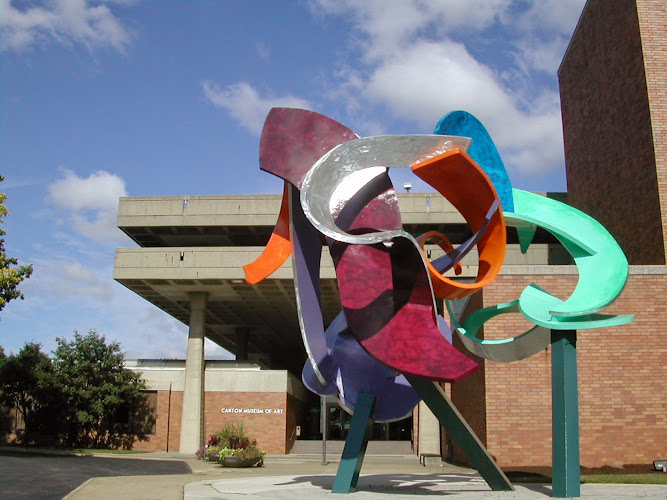
Canton Museum of Art
About Canton Museum of Art
Description
The Canton Museum of Art presents a focused, quietly spirited look at American art from the 1800s through contemporary times. Visitors will find gallery spaces dedicated to paintings, works on paper, and contemporary ceramics, with rotating exhibitions that keep the museum feeling fresh even for repeat visitors. The institution operates as an arts organization and non-profit, combining public-facing galleries with a programmatic side that includes classes, lectures, and family-oriented educational programs. It sits in the cultural pulse of Canton, Ohio, and functions as both a scholarly steward of regional art traditions and a welcoming place for people who are simply curious about American art.
The collection emphasizes American-made work and often spotlights artists who shaped the nation’s visual language. While many museums spread themselves thin thematically, this museum leans into depth: exhibitions may trace a single medium across a century, or present contemporary ceramics alongside historical pieces so visitors can see technique, material, and idea evolve. That curatorial approach makes the Canton Museum of Art especially rewarding for travelers who appreciate learning the through-lines of art history without getting overwhelmed by hundreds of rooms and endless corridors.
One of the distinguishing features of the Canton Museum of Art is its strong commitment to works on paper. Printmaking, drawings, and watercolors often take center stage in exhibitions, and the museum maintains environmental controls and display practices designed for long-term preservation. Ceramics programming is another element that tends to surprise first-time guests; the museum has built a reputation for contemporary ceramics shows that are nationally relevant. It is not unusual for a visitor who came expecting a modest local collection to leave with a deeper appreciation for American studio ceramics and the tactile labor behind clay-based art.
The museum also functions as a community hub. Educational offerings are robust: hands-on art classes for kids, adult workshops, school group tours, and lectures. For families traveling with children, the museum’s programming is genuinely thoughtful. It is family-friendly in a way that feels intentional rather than an afterthought. Younger visitors can encounter interactive or sensory-friendly elements tied to specific exhibitions, while older students and adults can register for more technical classes. The staff often collaborate with local teachers and community organizations, so exhibitions are frequently paired with outreach that extends the experience beyond the gallery walls.
Accessibility and visitor services are clearly considered priorities. Entrances and parking are wheelchair accessible, restrooms include wheelchair-accessible facilities and a gender-neutral option, and there is even wheelchair rental available on-site. Those practical details matter when travelers are deciding whether a museum will suit multigenerational groups or visitors with mobility needs. Additionally, the museum offers guided tours, free Wi-Fi, and a small but well-curated gift shop where visitors can pick up prints, catalogues, and artist-made goods—perfect for remembering a trip or finding a unique gift to bring home.
Architecturally, the building itself is approachable and human-scaled. It houses gallery rooms that flow logically from one exhibition area to the next, and there is an auditorium used for talks, performances, and community events—so a museum visit can easily turn into a longer cultural outing. Because it doubles as an auditorium venue, travelers might catch a lecture, film screening, or live performance during their visit. That dual function gives the museum an alive-in-the-moment feel: exhibits are the spine, but programs provide muscle and circulation.
For the traveler who cares about timing their visit, exhibitions are curated with regular changes that mean repeat visits are often rewarded. Seasonal exhibits, juried shows that highlight local and regional artists, and national-level ceramics exhibitions rotate through the schedule, so there is usually something new every few months. That said, the permanent collection provides continuity; favorite pieces often return to the gallery rotation, making it possible to see signature works even if a traveler’s schedule is tight.
What many visitors underestimate is how approachable the museum’s staff and docents are. The tone of interaction tends to be friendly and low-pressure: staff will happily discuss a particular print or artist, recommend a 30-minute gallery loop when time is short, or suggest activities for families. For the culturally curious traveler who likes a little backstory, those conversations can transform a simple viewing into a memorable, contextualized experience. One might overhear a docent point out a local artist who began in Canton and later gained national attention—little nuggets that make the visit feel personal rather than generic.
Those who plan museum-centered days in a new city will appreciate the museum’s centrality to Canton’s cultural circuit. It pairs well with a short walking tour of downtown galleries and historical sites. The museum’s exhibitions are often part of larger community events or citywide cultural nights, so planning a visit around a scheduled program can deepen the experience. Travelers who have limited time but love art should consider checking the museum’s calendar to see if an artist talk or special exhibition opening coincides with their trip; it can turn a standard tour into an insider moment.
On a practical note, most visitors report that a focused visit takes 60 to 90 minutes, while those who attend a class or lecture may stay two to three hours. That’s manageable for daytrippers or those including a museum stop in a broader itinerary. The museum’s layout makes it easy to pick and choose—if time is tight, it’s simple to loop through the main galleries and pop into the gift shop, or to linger in a ceramics exhibition that rewards close observation.
From a traveler’s perspective, the Canton Museum of Art is an unexpected highlight. It manages to balance scholarship and local relevance with a friendly, straightforward visitor experience. It does not overwhelm with size, yet it offers a depth of programming and a curated identity focused on American art. For people who track ceramics, works on paper, or regional American artists, it’s a must-see. For those who are simply passing through Canton and want a cultured stop that’s easy to digest, it’s an ideal half-day activity.
Finally, the museum’s role in the community enhances its appeal. It supports local artists through juried exhibitions and outreach, collaborates with schools, and offers volunteer opportunities that connect residents and travelers alike to the arts in tangible ways. That civic-minded dimension is not just museum rhetoric; visitors often sense that the Canton Museum of Art is embedded in the city’s cultural life, which makes a visit feel like participation instead of passive observation. For travelers who prefer experiences that connect them to the places they visit, this museum offers that quiet, rewarding link to Canton’s artistic identity.
Key Features
More Details
Updated August 29, 2025
Table of Contents
Description
The Canton Museum of Art presents a focused, quietly spirited look at American art from the 1800s through contemporary times. Visitors will find gallery spaces dedicated to paintings, works on paper, and contemporary ceramics, with rotating exhibitions that keep the museum feeling fresh even for repeat visitors. The institution operates as an arts organization and non-profit, combining public-facing galleries with a programmatic side that includes classes, lectures, and family-oriented educational programs. It sits in the cultural pulse of Canton, Ohio, and functions as both a scholarly steward of regional art traditions and a welcoming place for people who are simply curious about American art.
The collection emphasizes American-made work and often spotlights artists who shaped the nation’s visual language. While many museums spread themselves thin thematically, this museum leans into depth: exhibitions may trace a single medium across a century, or present contemporary ceramics alongside historical pieces so visitors can see technique, material, and idea evolve. That curatorial approach makes the Canton Museum of Art especially rewarding for travelers who appreciate learning the through-lines of art history without getting overwhelmed by hundreds of rooms and endless corridors.
One of the distinguishing features of the Canton Museum of Art is its strong commitment to works on paper. Printmaking, drawings, and watercolors often take center stage in exhibitions, and the museum maintains environmental controls and display practices designed for long-term preservation. Ceramics programming is another element that tends to surprise first-time guests; the museum has built a reputation for contemporary ceramics shows that are nationally relevant. It is not unusual for a visitor who came expecting a modest local collection to leave with a deeper appreciation for American studio ceramics and the tactile labor behind clay-based art.
The museum also functions as a community hub. Educational offerings are robust: hands-on art classes for kids, adult workshops, school group tours, and lectures. For families traveling with children, the museum’s programming is genuinely thoughtful. It is family-friendly in a way that feels intentional rather than an afterthought. Younger visitors can encounter interactive or sensory-friendly elements tied to specific exhibitions, while older students and adults can register for more technical classes. The staff often collaborate with local teachers and community organizations, so exhibitions are frequently paired with outreach that extends the experience beyond the gallery walls.
Accessibility and visitor services are clearly considered priorities. Entrances and parking are wheelchair accessible, restrooms include wheelchair-accessible facilities and a gender-neutral option, and there is even wheelchair rental available on-site. Those practical details matter when travelers are deciding whether a museum will suit multigenerational groups or visitors with mobility needs. Additionally, the museum offers guided tours, free Wi-Fi, and a small but well-curated gift shop where visitors can pick up prints, catalogues, and artist-made goods—perfect for remembering a trip or finding a unique gift to bring home.
Architecturally, the building itself is approachable and human-scaled. It houses gallery rooms that flow logically from one exhibition area to the next, and there is an auditorium used for talks, performances, and community events—so a museum visit can easily turn into a longer cultural outing. Because it doubles as an auditorium venue, travelers might catch a lecture, film screening, or live performance during their visit. That dual function gives the museum an alive-in-the-moment feel: exhibits are the spine, but programs provide muscle and circulation.
For the traveler who cares about timing their visit, exhibitions are curated with regular changes that mean repeat visits are often rewarded. Seasonal exhibits, juried shows that highlight local and regional artists, and national-level ceramics exhibitions rotate through the schedule, so there is usually something new every few months. That said, the permanent collection provides continuity; favorite pieces often return to the gallery rotation, making it possible to see signature works even if a traveler’s schedule is tight.
What many visitors underestimate is how approachable the museum’s staff and docents are. The tone of interaction tends to be friendly and low-pressure: staff will happily discuss a particular print or artist, recommend a 30-minute gallery loop when time is short, or suggest activities for families. For the culturally curious traveler who likes a little backstory, those conversations can transform a simple viewing into a memorable, contextualized experience. One might overhear a docent point out a local artist who began in Canton and later gained national attention—little nuggets that make the visit feel personal rather than generic.
Those who plan museum-centered days in a new city will appreciate the museum’s centrality to Canton’s cultural circuit. It pairs well with a short walking tour of downtown galleries and historical sites. The museum’s exhibitions are often part of larger community events or citywide cultural nights, so planning a visit around a scheduled program can deepen the experience. Travelers who have limited time but love art should consider checking the museum’s calendar to see if an artist talk or special exhibition opening coincides with their trip; it can turn a standard tour into an insider moment.
On a practical note, most visitors report that a focused visit takes 60 to 90 minutes, while those who attend a class or lecture may stay two to three hours. That’s manageable for daytrippers or those including a museum stop in a broader itinerary. The museum’s layout makes it easy to pick and choose—if time is tight, it’s simple to loop through the main galleries and pop into the gift shop, or to linger in a ceramics exhibition that rewards close observation.
From a traveler’s perspective, the Canton Museum of Art is an unexpected highlight. It manages to balance scholarship and local relevance with a friendly, straightforward visitor experience. It does not overwhelm with size, yet it offers a depth of programming and a curated identity focused on American art. For people who track ceramics, works on paper, or regional American artists, it’s a must-see. For those who are simply passing through Canton and want a cultured stop that’s easy to digest, it’s an ideal half-day activity.
Finally, the museum’s role in the community enhances its appeal. It supports local artists through juried exhibitions and outreach, collaborates with schools, and offers volunteer opportunities that connect residents and travelers alike to the arts in tangible ways. That civic-minded dimension is not just museum rhetoric; visitors often sense that the Canton Museum of Art is embedded in the city’s cultural life, which makes a visit feel like participation instead of passive observation. For travelers who prefer experiences that connect them to the places they visit, this museum offers that quiet, rewarding link to Canton’s artistic identity.
Key Highlights
Canton Museum of Art
Location
Places to Stay Near Canton Museum of Art
Find and Book a Tour
Explore More Travel Guides
No reviews found! Be the first to review!
Traveler Reviews for Canton Museum of Art
There are no reviews yet. Be the first one to write one.
Have you visited Canton Museum of Art? Help other travelers by sharing your review.
You Might Also Like
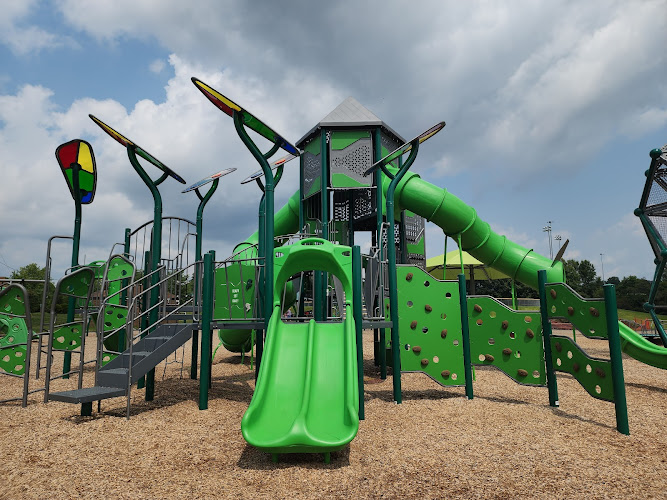
Weis Park
3059 Alpine St NE
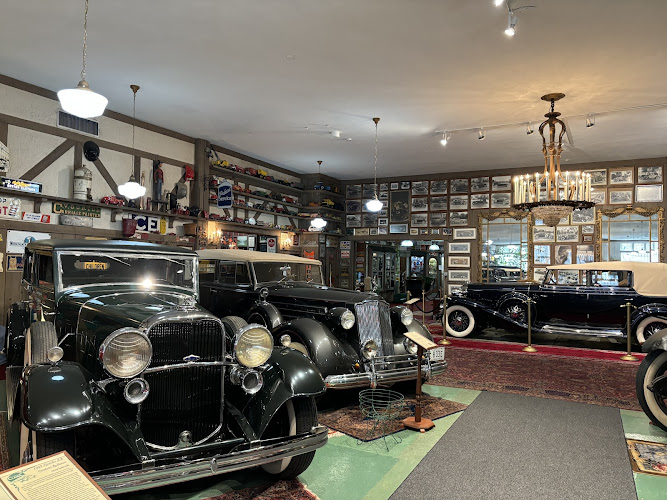
Canton Classic Car Museum
Find Accommodations Nearby
Recommended Tours & Activities
Visitor Reviews
There are no reviews yet. Be the first one to write one.
Share Your Experience
Have you visited Canton Museum of Art? Help other travelers by leaving a review.