
Adventure! Children’s Museum
About Adventure! Children’s Museum
Description
The Adventure! Children’s Museum is a hands-on, curiosity-driven spot in Eugene that invites kids to tinker, build, imagine, and seriously get their hands messy in the best possible way. It sits in the Valley River Center area and occupies a recently expanded 15,000-square-foot space where exhibits are made largely from recycled, upcycled, and repurposed materials — which is as charming as it sounds. The museum’s mission is to help children grow as explorers, artists, and innovators by creating an environment dedicated to playful discovery. And yes, that mission shows up in every nook: from a timber-built play structure assembled with salvaged wood to art stations that encourage bold, experimental marks instead of perfect outcomes.
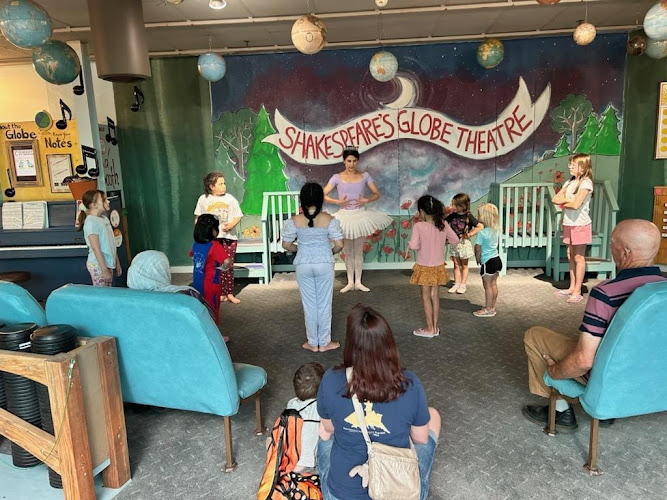
Visitors will find an emphasis on learning through play. Interactive exhibits blend art, basic science, and open-ended construction so that kids don’t just see things — they do, make, and test things. There are weekly classes (which returned in November 2022 after pandemic interruptions), birthday-party packages, and pop-up mini-performances by local theater groups on many weekend days. The museum doubles as a neighborhood hub where families bump into each other, kids discover shared interests, and adults sometimes trade tips on the best local playgrounds. That unscripted social side is part of what makes it feel less like a sterile attraction and more like a living room for creative play.
Accessibility and family comfort are more than afterthoughts here. The museum offers a wheelchair-accessible entrance, parking, and restrooms, plus gender-neutral facilities, a nursing room, and changing tables. Those amenities matter — a lot — when you’re traveling with young children. There’s on-site parking, too, so families hauling strollers and craft supplies don’t have to lug everything across a huge lot. Payment is structured around an admission fee, with active military discounts available, and there are membership options for locals or repeat visitors who want to drop in often.
What stands out: the creative reuse of materials gives every exhibit a distinct personality. Instead of mass-produced plastic playsets, many installations are one-offs made from reclaimed bits, which makes exploring feel a bit like wandering into a maker’s studio. Kids can experiment with simple machines, build forts from odd-shaped pieces, try role-play in themed areas, or participate in guided art sessions. The on-site theater hosts short performances and storytelling shows that are timed for families — good for a half-hour change of pace if attention spans are fraying.
It’s also a place where educators and caregivers can lean into purposeful play. The programs are designed to spark curiosity: small experiments that introduce cause and effect, collaborative building projects that practice negotiation and planning, and open art time that prizes process over product. School groups and field trips are welcomed, and guided tours are offered for those who want to see the museum through a more structured lens. Volunteers and staff tend to be personable and helpful, often spotting a frustrated toddler and redirecting with a new activity or offering simple suggestions to keep a sibling engaged.
Now, full disclosure — it can get busy. Weekends, school holidays, and rainy Oregon days draw large crowds because families need indoor options. When the place is full, some exhibits become high-traffic zones, so patience is required. But for many visitors, the payoff is worth it: kids get to move freely, experiment with materials they won’t usually touch at home, and come away with sticky hands and new ideas. If a quieter visit matters to you, early weekday mornings after opening are often calmer. Also, be prepared for small imperfections; reclaimed-material installations are wonderfully idiosyncratic, but that means they’re not always pristine — they’re well-loved, which some people prefer and others notice right away.
Practical features that travelers appreciate: a modest gift shop with locally made items (perfect for a last-minute birthday present), clearly signed restrooms, a nursing room, and staff who can point out exhibits that best fit a child’s age and temperament. There isn’t a full-service restaurant inside, so plan accordingly — many families bring snacks or eat in the food court of the nearby shopping area after a visit. Birthday parties are back in full swing, and the museum has flexible party packages that include use of the exhibits plus a dedicated party space, which makes celebrating on the road surprisingly easy.
For people who like small delights: the museum periodically rotates hands-on installations and runs themed days tied to seasons or local makers. Those special events often feature guest artists or science demo teams and are a great excuse to visit again. Memberships can be an excellent deal for families staying in town for more than a week or for locals who plan repeated visits; perks often include discounted admission for guests and advance booking for classes or parties.
One of the museum’s subtler strengths is the way it models sustainability. Because so many exhibits use repurposed materials, children are constantly confronted with the creative potential of things others might call trash. That nudges conversations about reuse and resourcefulness in ways that don’t feel preachy. A child who builds a marble run from salvaged tubing learns physics, yes — but also learns to see potential in the overlooked. For travelers who appreciate meaningful experiences for their kids, that dual lesson is a nice bonus.
Expect a learning-through-play vibe rather than museum-formal quiet. Exhibits encourage exploration, collaboration, and sometimes a bit of safe chaos. Staff-led classes provide structure, while open play areas encourage independent discovery. Visitors who come with flexible expectations — and a willingness to let kids lead — typically have the best time. And if the weather is foul (it happens), this place becomes an especially honest refuge: warm-ish, energetic, and full of options to wear kids out before bedtime.
In short, Adventure! Children’s Museum is the kind of family attraction that rewards curiosity and experimentation. It’s not polished like a high-budget children’s center; instead, it’s quirky, creative, and human-scale. That makes it ideal for travelers who want a stimulating, locally flavored indoor activity for kids, especially when paired with a stroll around the Valley River Center area or an afternoon at one of Eugene’s parks. If a visitor can tolerate occasional crowds and likes the idea of play that teaches as much as it entertains, this museum usually delivers a memorable, hands-on experience.
Key Features
More Details
Updated August 29, 2025
Table of Contents
Description
The Adventure! Children’s Museum is a hands-on, curiosity-driven spot in Eugene that invites kids to tinker, build, imagine, and seriously get their hands messy in the best possible way. It sits in the Valley River Center area and occupies a recently expanded 15,000-square-foot space where exhibits are made largely from recycled, upcycled, and repurposed materials — which is as charming as it sounds. The museum’s mission is to help children grow as explorers, artists, and innovators by creating an environment dedicated to playful discovery. And yes, that mission shows up in every nook: from a timber-built play structure assembled with salvaged wood to art stations that encourage bold, experimental marks instead of perfect outcomes.
Visitors will find an emphasis on learning through play. Interactive exhibits blend art, basic science, and open-ended construction so that kids don’t just see things — they do, make, and test things. There are weekly classes (which returned in November 2022 after pandemic interruptions), birthday-party packages, and pop-up mini-performances by local theater groups on many weekend days. The museum doubles as a neighborhood hub where families bump into each other, kids discover shared interests, and adults sometimes trade tips on the best local playgrounds. That unscripted social side is part of what makes it feel less like a sterile attraction and more like a living room for creative play.
Accessibility and family comfort are more than afterthoughts here. The museum offers a wheelchair-accessible entrance, parking, and restrooms, plus gender-neutral facilities, a nursing room, and changing tables. Those amenities matter — a lot — when you’re traveling with young children. There’s on-site parking, too, so families hauling strollers and craft supplies don’t have to lug everything across a huge lot. Payment is structured around an admission fee, with active military discounts available, and there are membership options for locals or repeat visitors who want to drop in often.
What stands out: the creative reuse of materials gives every exhibit a distinct personality. Instead of mass-produced plastic playsets, many installations are one-offs made from reclaimed bits, which makes exploring feel a bit like wandering into a maker’s studio. Kids can experiment with simple machines, build forts from odd-shaped pieces, try role-play in themed areas, or participate in guided art sessions. The on-site theater hosts short performances and storytelling shows that are timed for families — good for a half-hour change of pace if attention spans are fraying.
It’s also a place where educators and caregivers can lean into purposeful play. The programs are designed to spark curiosity: small experiments that introduce cause and effect, collaborative building projects that practice negotiation and planning, and open art time that prizes process over product. School groups and field trips are welcomed, and guided tours are offered for those who want to see the museum through a more structured lens. Volunteers and staff tend to be personable and helpful, often spotting a frustrated toddler and redirecting with a new activity or offering simple suggestions to keep a sibling engaged.
Now, full disclosure — it can get busy. Weekends, school holidays, and rainy Oregon days draw large crowds because families need indoor options. When the place is full, some exhibits become high-traffic zones, so patience is required. But for many visitors, the payoff is worth it: kids get to move freely, experiment with materials they won’t usually touch at home, and come away with sticky hands and new ideas. If a quieter visit matters to you, early weekday mornings after opening are often calmer. Also, be prepared for small imperfections; reclaimed-material installations are wonderfully idiosyncratic, but that means they’re not always pristine — they’re well-loved, which some people prefer and others notice right away.
Practical features that travelers appreciate: a modest gift shop with locally made items (perfect for a last-minute birthday present), clearly signed restrooms, a nursing room, and staff who can point out exhibits that best fit a child’s age and temperament. There isn’t a full-service restaurant inside, so plan accordingly — many families bring snacks or eat in the food court of the nearby shopping area after a visit. Birthday parties are back in full swing, and the museum has flexible party packages that include use of the exhibits plus a dedicated party space, which makes celebrating on the road surprisingly easy.
For people who like small delights: the museum periodically rotates hands-on installations and runs themed days tied to seasons or local makers. Those special events often feature guest artists or science demo teams and are a great excuse to visit again. Memberships can be an excellent deal for families staying in town for more than a week or for locals who plan repeated visits; perks often include discounted admission for guests and advance booking for classes or parties.
One of the museum’s subtler strengths is the way it models sustainability. Because so many exhibits use repurposed materials, children are constantly confronted with the creative potential of things others might call trash. That nudges conversations about reuse and resourcefulness in ways that don’t feel preachy. A child who builds a marble run from salvaged tubing learns physics, yes — but also learns to see potential in the overlooked. For travelers who appreciate meaningful experiences for their kids, that dual lesson is a nice bonus.
Expect a learning-through-play vibe rather than museum-formal quiet. Exhibits encourage exploration, collaboration, and sometimes a bit of safe chaos. Staff-led classes provide structure, while open play areas encourage independent discovery. Visitors who come with flexible expectations — and a willingness to let kids lead — typically have the best time. And if the weather is foul (it happens), this place becomes an especially honest refuge: warm-ish, energetic, and full of options to wear kids out before bedtime.
In short, Adventure! Children’s Museum is the kind of family attraction that rewards curiosity and experimentation. It’s not polished like a high-budget children’s center; instead, it’s quirky, creative, and human-scale. That makes it ideal for travelers who want a stimulating, locally flavored indoor activity for kids, especially when paired with a stroll around the Valley River Center area or an afternoon at one of Eugene’s parks. If a visitor can tolerate occasional crowds and likes the idea of play that teaches as much as it entertains, this museum usually delivers a memorable, hands-on experience.
Key Highlights
Adventure! Children’s Museum
Location
Places to Stay Near Adventure! Children's Museum
Find and Book a Tour
Explore More Travel Guides
No reviews found! Be the first to review!
Traveler Reviews for Adventure! Children’s Museum
There are no reviews yet. Be the first one to write one.
Have you visited Adventure! Children’s Museum? Help other travelers by sharing your review.
You Might Also Like
Candlelight Park

Alton Baker Park
Cascades Raptor Center
Find Accommodations Nearby
Recommended Tours & Activities
Visitor Reviews
There are no reviews yet. Be the first one to write one.
Share Your Experience
Have you visited Adventure! Children’s Museum? Help other travelers by leaving a review.