
Villa Escudero Museum
About Villa Escudero Museum
Description
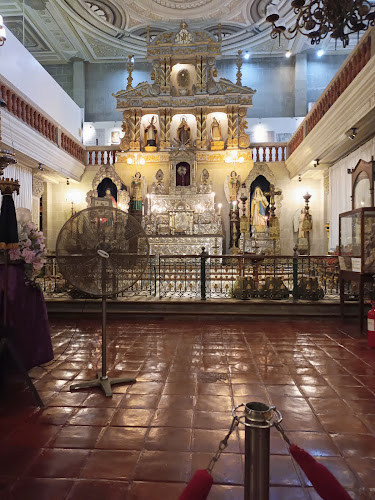
The Villa Escudero Museum occupies an old pink church on the estate and presents a private family collection of historical items, antique furniture and assorted collectibles that trace a slice of Philippine social and religious life. The display is not a sterile, glass-box affair; rather, the objects sit within an architectural shell that feels lived-in—pews, altar pieces and carved wooden cabinets mingle with 19th- and early-20th-century domestic furniture, portraiture and everyday implements from the plantation era. This unusual setting gives the museum a conversational tone: visitors can almost imagine footsteps on the worn floorboards and conversations held in another century.
Many of the pieces are tied to local history and to the story of the estate itself. Several rooms focus on household life—dining sets, trunks, embroidery and period clothing—while other niches hold religious icons, brass candlesticks and vernacular art that reveal Catholic and rural traditions as they developed in Quezon province. The collection also includes tools and artifacts from plantation life, quietly reminding visitors that the museum sits within an active agricultural landscape that once shaped livelihoods and still shapes local identity.
This is the sort of museum where the provenance of objects matters. Labels vary in depth; some artifacts have full stories attached, while others are presented with more modest captions, leaving room for the mind to wander. For readers who like facts and dates, there is enough documentation to appreciate historical context. For those who prefer impressions and atmosphere, the space rewards slow looking: the grain of a wooden table, the patina of a chest, the way light filters through colored glass in the church windows.
Practical strengths of the Villa Escudero Museum stand out. The pink church that houses the exhibits is equipped with wheelchair accessible entrances, accessible parking and restrooms, making the collection more approachable for visitors with mobility needs. A restaurant on the grounds serves traditional Filipino dishes and can be paired with a museum visit for a fuller day out. Tickets are often recommended to be purchased in advance, especially during holidays and weekends when the whole estate draws families and tour groups.
Visitors typically allocate about 60 to 90 minutes for the museum alone, though many stretch that to a half day when combining the museum with a plantation tour, the famous lunch by the man-made waterfall, or short cultural programs offered on the grounds. The mood is relaxed rather than guided; docents or staff are available, but exploration feels self-directed. That said, several visitors appreciate a short talk from staff about key objects—these brief interpretive moments can turn an interesting visit into a memorable one.
What sets this museum apart is context. It sits within an active resort and plantation complex, so the artifacts never feel divorced from the landscape that produced them. Carabao carts, coconut husking implements and rustic agricultural tools are not presented as isolated museum pieces but as part of a living story. For travelers who want to combine history with tactile, experiential travel—imagine seeing an old trunk and then walking through the plantation where such trunks once moved—this combination works very well.
There are, naturally, caveats to keep in mind. The museum’s charm is intimate rather than encyclopedic: it is not a national history museum with exhaustive timelines, but a carefully curated private collection with strong local flavor. On busy days, the shared spaces—corridors of the pink church and the adjacent courtyards—can feel crowded, which diminishes the quiet contemplation some visitors seek. Lighting and signage in a few galleries are modest, so those who delight in meticulous museum labels might wish for more detail.
Still, for families, hobby historians and travelers who like their cultural stops with atmosphere, the Villa Escudero Museum delivers. Children often respond well to the tactile backstory of plantation life and the theatricality of life-size pieces; elders frequently linger over religious artifacts and furniture that echo family histories. Many visitors describe a feeling of connection: not just to objects, but to the continuity of everyday life across generations.
In short, the Villa Escudero Museum is a compact, characterful place. It rewards patience and curiosity, especially when visitors come prepared to interpret small clues—fabric patterns, carved motifs, initials on trunks—that whisper about trade, status and taste decades ago. The museum works best when it is part of a larger plan on the estate: combine it with a meal at the waterfall restaurant and a short tour of the plantation, and the narrative of place becomes clear: how a family, its land and local labor shaped material culture and community over time.
For planners and travelers, a few final practical notes belong in the description: tickets should be secured ahead when possible; allow at least an hour to move through the exhibits; bring a camera if documentation is desired but check on photography rules at the desk; and consider weekday visits for quieter galleries. The space is accessible, modestly interpretive, and richly atmospheric—an honest, human-scale museum that tells its stories quietly and invites visitors to fill in the rest.
Key Features
More Details
Updated August 29, 2025
Table of Contents
Description
The Villa Escudero Museum occupies an old pink church on the estate and presents a private family collection of historical items, antique furniture and assorted collectibles that trace a slice of Philippine social and religious life. The display is not a sterile, glass-box affair; rather, the objects sit within an architectural shell that feels lived-in—pews, altar pieces and carved wooden cabinets mingle with 19th- and early-20th-century domestic furniture, portraiture and everyday implements from the plantation era. This unusual setting gives the museum a conversational tone: visitors can almost imagine footsteps on the worn floorboards and conversations held in another century.
Many of the pieces are tied to local history and to the story of the estate itself. Several rooms focus on household life—dining sets, trunks, embroidery and period clothing—while other niches hold religious icons, brass candlesticks and vernacular art that reveal Catholic and rural traditions as they developed in Quezon province. The collection also includes tools and artifacts from plantation life, quietly reminding visitors that the museum sits within an active agricultural landscape that once shaped livelihoods and still shapes local identity.
This is the sort of museum where the provenance of objects matters. Labels vary in depth; some artifacts have full stories attached, while others are presented with more modest captions, leaving room for the mind to wander. For readers who like facts and dates, there is enough documentation to appreciate historical context. For those who prefer impressions and atmosphere, the space rewards slow looking: the grain of a wooden table, the patina of a chest, the way light filters through colored glass in the church windows.
Practical strengths of the Villa Escudero Museum stand out. The pink church that houses the exhibits is equipped with wheelchair accessible entrances, accessible parking and restrooms, making the collection more approachable for visitors with mobility needs. A restaurant on the grounds serves traditional Filipino dishes and can be paired with a museum visit for a fuller day out. Tickets are often recommended to be purchased in advance, especially during holidays and weekends when the whole estate draws families and tour groups.
Visitors typically allocate about 60 to 90 minutes for the museum alone, though many stretch that to a half day when combining the museum with a plantation tour, the famous lunch by the man-made waterfall, or short cultural programs offered on the grounds. The mood is relaxed rather than guided; docents or staff are available, but exploration feels self-directed. That said, several visitors appreciate a short talk from staff about key objects—these brief interpretive moments can turn an interesting visit into a memorable one.
What sets this museum apart is context. It sits within an active resort and plantation complex, so the artifacts never feel divorced from the landscape that produced them. Carabao carts, coconut husking implements and rustic agricultural tools are not presented as isolated museum pieces but as part of a living story. For travelers who want to combine history with tactile, experiential travel—imagine seeing an old trunk and then walking through the plantation where such trunks once moved—this combination works very well.
There are, naturally, caveats to keep in mind. The museum’s charm is intimate rather than encyclopedic: it is not a national history museum with exhaustive timelines, but a carefully curated private collection with strong local flavor. On busy days, the shared spaces—corridors of the pink church and the adjacent courtyards—can feel crowded, which diminishes the quiet contemplation some visitors seek. Lighting and signage in a few galleries are modest, so those who delight in meticulous museum labels might wish for more detail.
Still, for families, hobby historians and travelers who like their cultural stops with atmosphere, the Villa Escudero Museum delivers. Children often respond well to the tactile backstory of plantation life and the theatricality of life-size pieces; elders frequently linger over religious artifacts and furniture that echo family histories. Many visitors describe a feeling of connection: not just to objects, but to the continuity of everyday life across generations.
In short, the Villa Escudero Museum is a compact, characterful place. It rewards patience and curiosity, especially when visitors come prepared to interpret small clues—fabric patterns, carved motifs, initials on trunks—that whisper about trade, status and taste decades ago. The museum works best when it is part of a larger plan on the estate: combine it with a meal at the waterfall restaurant and a short tour of the plantation, and the narrative of place becomes clear: how a family, its land and local labor shaped material culture and community over time.
For planners and travelers, a few final practical notes belong in the description: tickets should be secured ahead when possible; allow at least an hour to move through the exhibits; bring a camera if documentation is desired but check on photography rules at the desk; and consider weekday visits for quieter galleries. The space is accessible, modestly interpretive, and richly atmospheric—an honest, human-scale museum that tells its stories quietly and invites visitors to fill in the rest.
Key Highlights
Villa Escudero Museum
Location
Places to Stay Near Villa Escudero Museum
Find and Book a Tour
Explore More Travel Guides
No reviews found! Be the first to review!
Traveler Reviews for Villa Escudero Museum
There are no reviews yet. Be the first one to write one.
Have you visited Villa Escudero Museum? Help other travelers by sharing your review.
You Might Also Like


Find Accommodations Nearby
Recommended Tours & Activities
Visitor Reviews
There are no reviews yet. Be the first one to write one.
Share Your Experience
Have you visited Villa Escudero Museum? Help other travelers by leaving a review.