
Musée Fabre
About Musée Fabre
Description
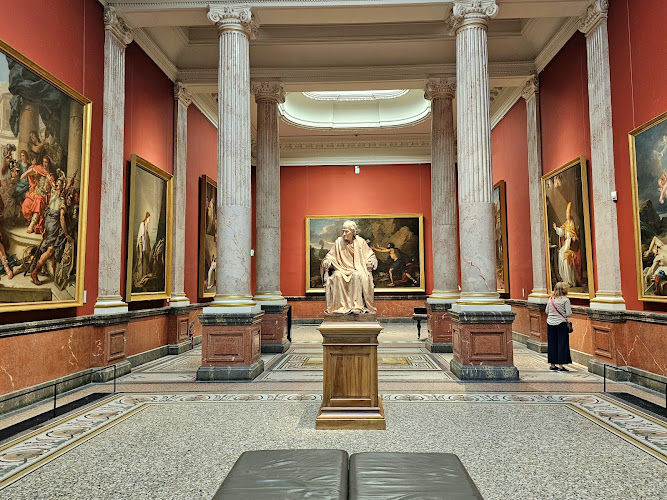
There’s something quietly majestic about the Musée Fabre in Montpellier. It’s not one of those museums that shouts for attention — instead, it draws you in with a kind of understated charm that feels deeply personal. Founded back in 1825 by François-Xavier Fabre, a local painter with a generous heart and an eye for beauty, this museum has grown into one of France’s most respected regional art institutions. It’s a place where centuries of artistic expression come together under one roof, from Renaissance masterpieces to bold contemporary works. And honestly, it’s hard not to feel a little awestruck when you stand in front of a Delacroix or a Raphael just a few feet away.
The museum’s layout can be a bit of a labyrinth — three interconnected buildings that have evolved over time — but that’s part of its charm. You wander through airy galleries, stumble upon unexpected corners, and suddenly find yourself face-to-face with a painting that stops you in your tracks. I remember getting lost there once, completely turned around, and then discovering a Pierre Soulages painting glowing like liquid midnight. That’s the kind of magic this place has — it rewards the curious wanderer.
Musée Fabre doesn’t just showcase art; it tells stories. Each room feels like a conversation between artists across time — from the delicate brushwork of the 17th century to the striking abstractions of the modern era. You can sense Fabre’s original vision still echoing through the walls: a museum for the people of Montpellier, built on generosity, curiosity, and love for the craft. It’s family-friendly, accessible, and refreshingly unpretentious. You’ll see kids marveling at sculptures, students sketching quietly in corners, and locals who treat it almost like a second home. That’s what makes it special — it’s alive, not just a gallery of static art.
Key Features
- Extensive Collection: The museum’s holdings span from the Renaissance to contemporary art, including works by Raphael, Delacroix, and local hero Pierre Soulages.
- Historical Significance: Founded in 1825 by François-Xavier Fabre, whose personal donation laid the foundation for one of France’s most important regional museums.
- Architectural Blend: A combination of classical and modern design elements spread across three interconnected buildings, blending history with innovation.
- Accessibility: Fully wheelchair accessible, with adapted entrances, restrooms, and parking facilities to ensure a comfortable visit for all.
- Family-Friendly: Welcomes children and families, offering a welcoming environment that encourages exploration and learning.
- Guided Tours: Optional tours available for visitors who prefer deeper insights into the artworks and the museum’s history.
- Atmosphere: Calm, reflective, and immersive — perfect for travelers who appreciate art without the overwhelming crowds of bigger museums.
Best Time to Visit
Timing can make all the difference when it comes to enjoying the Musée Fabre. Spring and autumn are ideal — April through June or September through October — when the weather in Montpellier is mild, and the tourist crowds haven’t reached their summer peak. The light filtering through the museum’s tall windows feels warmer then, softer somehow, casting a golden hue on the paintings. It’s the kind of detail that makes you linger a little longer in each room.
Winter has its charm too. The museum becomes a quiet refuge from the chill, and you can take your time without the usual bustle. I once visited on a rainy January afternoon, and honestly, it felt like having the place to myself. The sound of footsteps echoing through the marble halls, the faint hum of the heating system — it all added to the sense of intimacy. Summer, on the other hand, can be busier and warmer, but if you plan an early morning visit, you’ll still find moments of calm before the city fully wakes up.
How to Get There
Getting to the Musée Fabre is surprisingly easy, especially if you’re already exploring Montpellier. The city’s public transport system is efficient, and the tram network connects most major points of interest. The museum sits right in the heart of the city center, within walking distance from the main square and most central hotels. If you’re coming from the train station, it’s just a pleasant stroll through the old streets — the kind where you can grab a coffee and a croissant along the way.
For those driving, there are several parking areas nearby, though spaces can fill up quickly during weekends or holidays. Honestly, walking is the best option. Montpellier’s old town is compact, full of narrow lanes and hidden courtyards, and the journey itself feels like part of the experience. You’ll pass by street musicians, small boutiques, and cafés spilling onto cobblestone streets. It’s the kind of walk that makes you fall in love with the city before you even reach the museum doors.
Tips for Visiting
Here’s where a few personal lessons learned the hard way might come in handy. First, give yourself time — at least two to three hours. The Musée Fabre isn’t massive, but it’s dense with beauty. Rushing through it would be like skimming a great novel. Take breaks between galleries. There are benches scattered around, and sitting for a moment lets you absorb what you’ve seen.
Second, don’t skip the modern art wing. Even if you’re more into classical paintings, the contrast between eras is what gives this museum its depth. The Pierre Soulages collection, in particular, is mesmerizing. His use of black — “outrenoir,” as he called it — feels alive, shifting with the light. I remember standing there for ten minutes just watching how the reflections changed as people moved past. It’s hypnotic.
Third, if you can, join a guided tour. The guides here are passionate and knowledgeable, and they bring the collection to life with stories you won’t find on the wall labels. One guide told me about how Fabre’s personal donation of paintings was both an act of generosity and a bit of a statement — a way to put Montpellier on the cultural map. That kind of backstory adds layers to the experience.
Also, check the museum’s schedule before you go. Temporary exhibitions rotate regularly, and they’re often fascinating. Sometimes they feature contemporary artists in dialogue with the old masters — a kind of artistic conversation across centuries. And yes, bring your camera or phone, but be respectful. Flash photography isn’t allowed, and honestly, it’s better to just look. Take a few photos, sure, but let your eyes do most of the work.
One more thing — the museum doesn’t have an on-site restaurant, but there are plenty of cafés nearby. After your visit, grab a seat at a terrace, order a glass of local wine or a coffee, and just people-watch for a while. That’s how you end a perfect museum day in Montpellier. And if you’re traveling with kids, don’t worry — the museum is surprisingly engaging for them. The open spaces, colors, and sculptures tend to capture their imagination more than you’d expect.
In short, the Musée Fabre isn’t just a stop on an itinerary; it’s an experience that lingers. It’s the kind of place that reminds you why art matters — not just as decoration, but as a mirror of human emotion and history. Whether you’re an art connoisseur or just someone looking for a quiet afternoon surrounded by beauty, this museum has a way of leaving its mark. And if you’re lucky, you’ll walk out feeling a little more inspired than when you walked in — which, really, is what great art should do.
Key Features
- Key Features
- Best Time to Visit
- How to Get There
- Tips for Visiting
More Details
Updated November 9, 2025
Table of Contents
Description
There’s something quietly majestic about the Musée Fabre in Montpellier. It’s not one of those museums that shouts for attention — instead, it draws you in with a kind of understated charm that feels deeply personal. Founded back in 1825 by François-Xavier Fabre, a local painter with a generous heart and an eye for beauty, this museum has grown into one of France’s most respected regional art institutions. It’s a place where centuries of artistic expression come together under one roof, from Renaissance masterpieces to bold contemporary works. And honestly, it’s hard not to feel a little awestruck when you stand in front of a Delacroix or a Raphael just a few feet away.
The museum’s layout can be a bit of a labyrinth — three interconnected buildings that have evolved over time — but that’s part of its charm. You wander through airy galleries, stumble upon unexpected corners, and suddenly find yourself face-to-face with a painting that stops you in your tracks. I remember getting lost there once, completely turned around, and then discovering a Pierre Soulages painting glowing like liquid midnight. That’s the kind of magic this place has — it rewards the curious wanderer.
Musée Fabre doesn’t just showcase art; it tells stories. Each room feels like a conversation between artists across time — from the delicate brushwork of the 17th century to the striking abstractions of the modern era. You can sense Fabre’s original vision still echoing through the walls: a museum for the people of Montpellier, built on generosity, curiosity, and love for the craft. It’s family-friendly, accessible, and refreshingly unpretentious. You’ll see kids marveling at sculptures, students sketching quietly in corners, and locals who treat it almost like a second home. That’s what makes it special — it’s alive, not just a gallery of static art.
Key Features
- Extensive Collection: The museum’s holdings span from the Renaissance to contemporary art, including works by Raphael, Delacroix, and local hero Pierre Soulages.
- Historical Significance: Founded in 1825 by François-Xavier Fabre, whose personal donation laid the foundation for one of France’s most important regional museums.
- Architectural Blend: A combination of classical and modern design elements spread across three interconnected buildings, blending history with innovation.
- Accessibility: Fully wheelchair accessible, with adapted entrances, restrooms, and parking facilities to ensure a comfortable visit for all.
- Family-Friendly: Welcomes children and families, offering a welcoming environment that encourages exploration and learning.
- Guided Tours: Optional tours available for visitors who prefer deeper insights into the artworks and the museum’s history.
- Atmosphere: Calm, reflective, and immersive — perfect for travelers who appreciate art without the overwhelming crowds of bigger museums.
Best Time to Visit
Timing can make all the difference when it comes to enjoying the Musée Fabre. Spring and autumn are ideal — April through June or September through October — when the weather in Montpellier is mild, and the tourist crowds haven’t reached their summer peak. The light filtering through the museum’s tall windows feels warmer then, softer somehow, casting a golden hue on the paintings. It’s the kind of detail that makes you linger a little longer in each room.
Winter has its charm too. The museum becomes a quiet refuge from the chill, and you can take your time without the usual bustle. I once visited on a rainy January afternoon, and honestly, it felt like having the place to myself. The sound of footsteps echoing through the marble halls, the faint hum of the heating system — it all added to the sense of intimacy. Summer, on the other hand, can be busier and warmer, but if you plan an early morning visit, you’ll still find moments of calm before the city fully wakes up.
How to Get There
Getting to the Musée Fabre is surprisingly easy, especially if you’re already exploring Montpellier. The city’s public transport system is efficient, and the tram network connects most major points of interest. The museum sits right in the heart of the city center, within walking distance from the main square and most central hotels. If you’re coming from the train station, it’s just a pleasant stroll through the old streets — the kind where you can grab a coffee and a croissant along the way.
For those driving, there are several parking areas nearby, though spaces can fill up quickly during weekends or holidays. Honestly, walking is the best option. Montpellier’s old town is compact, full of narrow lanes and hidden courtyards, and the journey itself feels like part of the experience. You’ll pass by street musicians, small boutiques, and cafés spilling onto cobblestone streets. It’s the kind of walk that makes you fall in love with the city before you even reach the museum doors.
Tips for Visiting
Here’s where a few personal lessons learned the hard way might come in handy. First, give yourself time — at least two to three hours. The Musée Fabre isn’t massive, but it’s dense with beauty. Rushing through it would be like skimming a great novel. Take breaks between galleries. There are benches scattered around, and sitting for a moment lets you absorb what you’ve seen.
Second, don’t skip the modern art wing. Even if you’re more into classical paintings, the contrast between eras is what gives this museum its depth. The Pierre Soulages collection, in particular, is mesmerizing. His use of black — “outrenoir,” as he called it — feels alive, shifting with the light. I remember standing there for ten minutes just watching how the reflections changed as people moved past. It’s hypnotic.
Third, if you can, join a guided tour. The guides here are passionate and knowledgeable, and they bring the collection to life with stories you won’t find on the wall labels. One guide told me about how Fabre’s personal donation of paintings was both an act of generosity and a bit of a statement — a way to put Montpellier on the cultural map. That kind of backstory adds layers to the experience.
Also, check the museum’s schedule before you go. Temporary exhibitions rotate regularly, and they’re often fascinating. Sometimes they feature contemporary artists in dialogue with the old masters — a kind of artistic conversation across centuries. And yes, bring your camera or phone, but be respectful. Flash photography isn’t allowed, and honestly, it’s better to just look. Take a few photos, sure, but let your eyes do most of the work.
One more thing — the museum doesn’t have an on-site restaurant, but there are plenty of cafés nearby. After your visit, grab a seat at a terrace, order a glass of local wine or a coffee, and just people-watch for a while. That’s how you end a perfect museum day in Montpellier. And if you’re traveling with kids, don’t worry — the museum is surprisingly engaging for them. The open spaces, colors, and sculptures tend to capture their imagination more than you’d expect.
In short, the Musée Fabre isn’t just a stop on an itinerary; it’s an experience that lingers. It’s the kind of place that reminds you why art matters — not just as decoration, but as a mirror of human emotion and history. Whether you’re an art connoisseur or just someone looking for a quiet afternoon surrounded by beauty, this museum has a way of leaving its mark. And if you’re lucky, you’ll walk out feeling a little more inspired than when you walked in — which, really, is what great art should do.
Key Highlights
- Key Features
- Best Time to Visit
- How to Get There
- Tips for Visiting
Location
Places to Stay Near Musée Fabre
Find and Book a Tour
Explore More Travel Guides
No reviews found! Be the first to review!
Traveler Reviews for Musée Fabre
There are no reviews yet. Be the first one to write one.
Have you visited Musée Fabre? Help other travelers by sharing your review.
You Might Also Like

Carré Sainte Anne

Marché du Lez
Bois de Montmaur
Find Accommodations Nearby
Recommended Tours & Activities
Visitor Reviews
There are no reviews yet. Be the first one to write one.
Share Your Experience
Have you visited Musée Fabre? Help other travelers by leaving a review.