

Cumilla Sadar Upazilla Parishad
About Cumilla Sadar Upazilla Parishad
Description
Cumilla Sadar Upazila Parishad stands as one of those places that quietly carries the pulse of a region — a blend of official importance, local culture, and the everyday rhythm of life in Cumilla. It’s not exactly a tourist attraction in the traditional sense, but if you’re the kind of traveler who enjoys understanding how a community functions beyond its landmarks, this place might just surprise you. The Parishad serves as the administrative heart of Cumilla Sadar, where decisions that shape the local area are made. You’ll often see locals coming and going, government officials discussing development plans, and the occasional traveler stopping by to get a feel for the civic side of Bangladesh.
The building itself is functional rather than flashy, but that’s part of its charm. It’s the kind of place that tells stories through its people rather than its architecture. The entrance is wheelchair accessible, and there’s designated parking that makes visiting relatively easy for everyone. The premises are well-kept, with restrooms available and even a small recycling initiative — they collect ink cartridges, which might sound minor, but it says a lot about their awareness of sustainability.
What struck me most when I first visited was how approachable the environment felt. Despite being a government office, there’s a friendliness to the staff and visitors alike. People here are used to helping each other out — whether it’s guiding someone to the right department or sharing a quick chat about local issues. It’s not perfect, of course. Like any public office, there are moments of waiting, a bit of bureaucracy, and the occasional confusion about where to go. But overall, it’s a place that reflects the spirit of Cumilla — organized chaos with a smile.
Key Features
- Wheelchair accessible entrance and parking for inclusive access.
- Clean restroom facilities available for visitors.
- Active recycling program focusing on ink cartridge collection.
- Central administrative hub for local governance and development projects.
- Friendly local staff who often assist visitors with information.
- Proximity to other important civic and cultural landmarks in Cumilla.
- Safe and well-maintained premises suitable for short visits or administrative errands.
If you’re a traveler who enjoys seeing the human side of a city — the part that doesn’t make it into glossy travel brochures — then spending a little time around the Upazila Parishad can be oddly fascinating. You’ll get a sense of how governance actually works here, and maybe even strike up a conversation with a local official who’s proud of their community.
Best Time to Visit
Now, since this is a government office, timing matters more than you might think. The best time to visit is during regular office hours on weekdays, typically between 9 AM and 3 PM. Fridays and government holidays are off-limits, so plan accordingly.
If you’re traveling through Cumilla during the cooler months — say, November to February — you’ll find the weather far more comfortable for moving around town. The air feels crisp, and walking between nearby landmarks becomes a pleasant experience instead of a sweaty challenge. Personally, I find mornings the best time to stop by. The staff are fresh, the atmosphere is calm, and you can explore the surrounding area afterward without rushing.
During festival seasons, like Durga Puja or Pohela Boishakh, the area around the Parishad tends to buzz with energy. Streets fill with color, music, and people — it’s a great time to experience the cultural heartbeat of Cumilla, even if you’re technically visiting a government complex.
How to Get There
Getting to Cumilla Sadar Upazila Parishad is fairly straightforward. If you’re coming from Dhaka, you can hop on a bus bound for Cumilla — it’s about a two-and-a-half-hour ride depending on traffic. Once you reach the city, local rickshaws and CNG auto-rickshaws are the easiest way to get around. Drivers are usually familiar with the Parishad, so just mention the name and they’ll take you right there.
For those traveling by train, Cumilla Railway Station is relatively close, and from there, it’s a short ride to the Upazila complex. If you’re driving, parking is available on-site, and the roads leading to the Parishad are well-paved and easy to navigate.
I remember my first trip there — I took a local rickshaw from the station, and the driver, a cheerful man named Rafiq, insisted on pointing out every landmark along the way. He talked about the city’s history, the food stalls he loved, and the changes he’d seen over the years. By the time we arrived, I felt like I already knew the place. That’s the kind of warmth you’ll find in Cumilla.
Tips for Visiting
Visiting a government office might not sound like the most thrilling part of a trip, but with a few practical tips, it can actually be quite interesting — even enlightening.
- Go early: Arriving before noon usually means shorter lines and more relaxed staff.
- Bring identification: If you plan to inquire about administrative matters, having an ID handy helps.
- Dress modestly: It’s a government facility, so respectful attire goes a long way.
- Ask questions: Don’t be shy about talking to locals or staff. They often share fascinating insights about the area.
- Stay hydrated: Cumilla can get warm, especially midday. Carry a bottle of water.
- Check schedules: Government hours can change during public holidays or special events.
And here’s a little personal tip — if you’re already in the area, take a short walk around afterward. The streets surrounding the Parishad are full of life: small tea stalls where locals gather for gossip, stationery shops that seem to have been around forever, and the occasional street vendor selling steaming plates of fuchka. It’s everyday Bangladesh at its best.
For travelers who appreciate authenticity, Cumilla Sadar Upazila Parishad offers a glimpse into the administrative and social heartbeat of the region. It’s not about sightseeing in the usual sense — it’s about understanding how people live, work, and connect. And sometimes, those are the experiences that stay with you the longest.
So if you find yourself in Cumilla with a few hours to spare, swing by the Upazila Parishad. Watch the rhythm of local life unfold, chat with a few people, maybe even learn a thing or two about how governance meets community here. It’s simple, real, and quietly meaningful — the kind of stop that makes your travels richer in ways you didn’t expect.
Key Features
- Wheelchair accessible entrance and parking for inclusive access.
- Clean restroom facilities available for visitors.
- Active recycling program focusing on ink cartridge collection.
- Central administrative hub for local governance and development projects.
- Friendly local staff who often assist visitors with information.
- Proximity to other important civic and cultural landmarks in Cumilla.
- Safe and well-maintained premises suitable for short visits or administrative errands.
More Details
Updated November 9, 2025
Table of Contents
- Description
- Key Features
- Best Time to Visit
- How to Get There
- Tips for Visiting
- Key Highlights
- Location
- Places to Stay Near Cumilla Sadar Upazilla Parishad
- Find and Book a Tour
- Explore More Travel Guides
- Adarsha Sadar Upazila Muktijoddha Complex, Cumilla — What It Is, Why It Matters, and How to Visit
- Quick context: where you are in Cumilla
- Why visit a Muktijoddha Complex?
- Location, getting there, and on-the-ground tips
- Make it a half-day: pair the complex with Cumilla’s heritage triangle
- 1) Shalban Vihara (Mainamati/Lalmai range)
- 2) Mainamati (Maynamati) War Cemetery
- 3) Dharmasagar (Historic city-center dighi)
- Planning practicalities
- What you’ll learn from a stop at the Complex
- Map & wayfinding notes (keep expectations realistic)
- Bottom line
- Sources for planning and verification
- Nearby Places You Might Like
- Traveler Reviews for Cumilla Sadar Upazilla Parishad
- Share Your Experience
Description
Cumilla Sadar Upazila Parishad stands as one of those places that quietly carries the pulse of a region — a blend of official importance, local culture, and the everyday rhythm of life in Cumilla. It’s not exactly a tourist attraction in the traditional sense, but if you’re the kind of traveler who enjoys understanding how a community functions beyond its landmarks, this place might just surprise you. The Parishad serves as the administrative heart of Cumilla Sadar, where decisions that shape the local area are made. You’ll often see locals coming and going, government officials discussing development plans, and the occasional traveler stopping by to get a feel for the civic side of Bangladesh.
The building itself is functional rather than flashy, but that’s part of its charm. It’s the kind of place that tells stories through its people rather than its architecture. The entrance is wheelchair accessible, and there’s designated parking that makes visiting relatively easy for everyone. The premises are well-kept, with restrooms available and even a small recycling initiative — they collect ink cartridges, which might sound minor, but it says a lot about their awareness of sustainability.
What struck me most when I first visited was how approachable the environment felt. Despite being a government office, there’s a friendliness to the staff and visitors alike. People here are used to helping each other out — whether it’s guiding someone to the right department or sharing a quick chat about local issues. It’s not perfect, of course. Like any public office, there are moments of waiting, a bit of bureaucracy, and the occasional confusion about where to go. But overall, it’s a place that reflects the spirit of Cumilla — organized chaos with a smile.
Key Features
- Wheelchair accessible entrance and parking for inclusive access.
- Clean restroom facilities available for visitors.
- Active recycling program focusing on ink cartridge collection.
- Central administrative hub for local governance and development projects.
- Friendly local staff who often assist visitors with information.
- Proximity to other important civic and cultural landmarks in Cumilla.
- Safe and well-maintained premises suitable for short visits or administrative errands.
If you’re a traveler who enjoys seeing the human side of a city — the part that doesn’t make it into glossy travel brochures — then spending a little time around the Upazila Parishad can be oddly fascinating. You’ll get a sense of how governance actually works here, and maybe even strike up a conversation with a local official who’s proud of their community.
Best Time to Visit
Now, since this is a government office, timing matters more than you might think. The best time to visit is during regular office hours on weekdays, typically between 9 AM and 3 PM. Fridays and government holidays are off-limits, so plan accordingly.
If you’re traveling through Cumilla during the cooler months — say, November to February — you’ll find the weather far more comfortable for moving around town. The air feels crisp, and walking between nearby landmarks becomes a pleasant experience instead of a sweaty challenge. Personally, I find mornings the best time to stop by. The staff are fresh, the atmosphere is calm, and you can explore the surrounding area afterward without rushing.
During festival seasons, like Durga Puja or Pohela Boishakh, the area around the Parishad tends to buzz with energy. Streets fill with color, music, and people — it’s a great time to experience the cultural heartbeat of Cumilla, even if you’re technically visiting a government complex.
How to Get There
Getting to Cumilla Sadar Upazila Parishad is fairly straightforward. If you’re coming from Dhaka, you can hop on a bus bound for Cumilla — it’s about a two-and-a-half-hour ride depending on traffic. Once you reach the city, local rickshaws and CNG auto-rickshaws are the easiest way to get around. Drivers are usually familiar with the Parishad, so just mention the name and they’ll take you right there.
For those traveling by train, Cumilla Railway Station is relatively close, and from there, it’s a short ride to the Upazila complex. If you’re driving, parking is available on-site, and the roads leading to the Parishad are well-paved and easy to navigate.
I remember my first trip there — I took a local rickshaw from the station, and the driver, a cheerful man named Rafiq, insisted on pointing out every landmark along the way. He talked about the city’s history, the food stalls he loved, and the changes he’d seen over the years. By the time we arrived, I felt like I already knew the place. That’s the kind of warmth you’ll find in Cumilla.
Tips for Visiting
Visiting a government office might not sound like the most thrilling part of a trip, but with a few practical tips, it can actually be quite interesting — even enlightening.
- Go early: Arriving before noon usually means shorter lines and more relaxed staff.
- Bring identification: If you plan to inquire about administrative matters, having an ID handy helps.
- Dress modestly: It’s a government facility, so respectful attire goes a long way.
- Ask questions: Don’t be shy about talking to locals or staff. They often share fascinating insights about the area.
- Stay hydrated: Cumilla can get warm, especially midday. Carry a bottle of water.
- Check schedules: Government hours can change during public holidays or special events.
And here’s a little personal tip — if you’re already in the area, take a short walk around afterward. The streets surrounding the Parishad are full of life: small tea stalls where locals gather for gossip, stationery shops that seem to have been around forever, and the occasional street vendor selling steaming plates of fuchka. It’s everyday Bangladesh at its best.
For travelers who appreciate authenticity, Cumilla Sadar Upazila Parishad offers a glimpse into the administrative and social heartbeat of the region. It’s not about sightseeing in the usual sense — it’s about understanding how people live, work, and connect. And sometimes, those are the experiences that stay with you the longest.
So if you find yourself in Cumilla with a few hours to spare, swing by the Upazila Parishad. Watch the rhythm of local life unfold, chat with a few people, maybe even learn a thing or two about how governance meets community here. It’s simple, real, and quietly meaningful — the kind of stop that makes your travels richer in ways you didn’t expect.
Key Highlights
- Wheelchair accessible entrance and parking for inclusive access.
- Clean restroom facilities available for visitors.
- Active recycling program focusing on ink cartridge collection.
- Central administrative hub for local governance and development projects.
- Friendly local staff who often assist visitors with information.
- Proximity to other important civic and cultural landmarks in Cumilla.
- Safe and well-maintained premises suitable for short visits or administrative errands.
Location
Places to Stay Near Cumilla Sadar Upazilla Parishad
Find and Book a Tour
Explore More Travel Guides
No reviews found! Be the first to review!
Adarsha Sadar Upazila Muktijoddha Complex, Cumilla — What It Is, Why It Matters, and How to Visit
The Adarsha Sadar Upazila Muktijoddha (Freedom Fighters) Complex is a civic landmark in Cumilla city (Comilla), built to honor Bangladesh’s 1971 Liberation War veterans and to centralize services related to the Liberation War Affairs portfolio at the upazila level. The complex in Cumilla Adarsha Sadar was formally inaugurated on September 13, 2023, during a ceremony in the Tomchom Bridge area of the city. oai_citation:0‡desh.tv
Quick context: where you are in Cumilla
“Cumilla Adarsha Sadar” is the central upazila (sub-district) of Cumilla District. It includes Cumilla Municipality (the urban core) and surrounding unions; the upazila’s official portal and stats are a good orientation point when planning local travel. oai_citation:1‡Wikipedia
Why visit a Muktijoddha Complex?
- Historical significance. These complexes are part of a long-running national program to provide space for Freedom Fighter-related administration, commemoration, and public interface at the upazila level—hundreds have been built nationwide since the initiative began. While individual buildings vary, they commonly house offices and facilities used for veteran services and community events. oai_citation:2‡BSS
- Local civic life. Openings often become community moments; Cumilla’s 2023 inauguration drew senior officials and local stakeholders—useful for understanding how the city organizes its Liberation War memory and services today. oai_citation:3‡desh.tv
Reality check (governance): In April 2025, Bangladesh’s interim government dissolved the national Muktijoddha Complex Fund Committee, which historically oversaw aspects of these complexes. Policies around funding/oversight may continue to evolve; check locally for any operational changes before you go. oai_citation:4‡Dhaka Tribune
Location, getting there, and on-the-ground tips
- General location. The Cumilla complex sits within the urban area of Cumilla city, with the 2023 opening noted at Tomchom Bridge—a known city landmark. Because addresses/signage can vary in English/ Bangla and map pins move over time, confirm with a local rickshaw driver or the upazila office when you’re in town. oai_citation:5‡desh.tv
- How to reach the upazila offices corridor. The Upazila Nirbahi Officer (UNO) office guidance indicates travelers from Dhaka typically bus to Kotbari Bishwaroad or Shashangacha and connect by local transport—helpful if you’re stacking visits to nearby sites around Kotbari/Mainamati. oai_citation:6‡comillasadar.comilla.gov.bd
Visitor etiquette & access notes
- Security & access: This is a government facility. Expect basic security checks; photography is usually fine outdoors, but ask before shooting indoors or around posted security zones. (Policy can change with events; defer to posted notices and staff.)
- Language: Bangla is predominant; having the Bangla term “মুক্তিযোদ্ধা কমপ্লেক্স (Muktijoddha Complex)” ready on your phone helps with directions. The inauguration coverage uses this Bangla naming. oai_citation:7‡desh.tv
- Hours & fees: Not publicly standardized across upazilas; Cumilla’s complex has no reliable, official public timetable published online. Plan weekday daytime visits and build flexibility into your schedule. (Flagging uncertainty to avoid misinformation.)
Make it a half-day: pair the complex with Cumilla’s heritage triangle
If you’re interested in memory, heritage, and urban history, Cumilla offers an unusually tight cluster of important sites. These pair naturally with a stop at the Muktijoddha Complex:
1) Shalban Vihara (Mainamati/Lalmai range)
A major early-medieval Buddhist monastic complex (7th–12th century) with a cruciform central shrine and 115 monk cells, set on the Mainamati–Lalmai ridge. It lies about 8 km west of Cumilla town (Kotbari area). The site anchors the broader Mainamati archaeological zone, with many excavated finds now in the nearby museum. oai_citation:8‡Wikipedia
Tip: Many visitors hire an auto-rickshaw from Kandirpar or Kotbari; Shalban is commonly combined with Rupban Mura and the Mainamati Museum. oai_citation:9‡History Hit
2) Mainamati (Maynamati) War Cemetery
A meticulously kept Commonwealth War Graves Commission cemetery commemorating 736 WWII burials, located near Cumilla Cantonment; local government guidance places it ~9 km northwest of Cumilla town. The CWGC page provides precise visiting orientation. Expect a reflective, well-signed grounds visit. oai_citation:10‡Wikipedia
3) Dharmasagar (Historic city-center dighi)
This 15th-century man-made lake is a central urban landmark in the Badurtala area, linked to Tripura’s Dharma Manikya. It’s a good decompression stop after official sites—walkways, local life, and evening light make for relaxed photography. (Scholarly and encyclopedic sources differ slightly on the exact sovereign/date; both agree on the dighi’s centuries-old origin and centrality to Cumilla’s growth.) oai_citation:11‡Wikipedia
Planning practicalities
- Best time of day: Morning to midday for the complex and Mainamati sites; late afternoon for Dharmasagar’s lakeside light. (No official “opening hours” are reliably published for the complex itself; treat it as a working civic building.)
- Transport hub logic: If you’re arriving from Dhaka–Chattogram (N1), many buses drop at Kotbari Bishwaroad. From there, autos and CNGs can shuttle you among the complex (ask for Muktijoddha Complex / Tomchom Bridge), the Mainamati cluster, and back into town. oai_citation:12‡comillasadar.comilla.gov.bd
- What to wear/bring: Modest attire is appreciated in government and memorial spaces. Carry a photocopy/phone image of your passport ID page if asked at checkpoints near the Cantonment when visiting the cemetery (rare, but happens on occasion).
- Accessibility: Government buildings in Bangladesh vary in ramp/elevator provision. If step-free access is critical, call ahead through the Cumilla Adarsha Sadar administrative contacts listed on the upazila portal. oai_citation:13‡Wikipedia
What you’ll learn from a stop at the Complex
- Living memory vs. built memory. Standing at the complex helps frame how Bangladesh localizes Liberation War memory: museum-style heritage in Mainamati; wartime global memory at the CWGC cemetery; and living veteran services at the Muktijoddha Complex. oai_citation:14‡BSS
- A system in motion. With recent national-level administrative shifts around Muktijoddha Complex oversight (April 2025), speaking with staff offers ground-truth on how policy changes translate to services in Cumilla today. (This is precisely where a quick on-site conversation beats outdated web posts.) oai_citation:15‡Dhaka Tribune
Map & wayfinding notes (keep expectations realistic)
Online maps for Bangladeshi civic buildings can lag behind real-world changes. For Cumilla’s Muktijoddha Complex, the September 2023 inauguration at Tomchom Bridge is the most concrete, recent public reference point. If a ride-hail app pin looks uncertain, just show “মুক্তিযোদ্ধা কমপ্লেক্স, কুমিল্লা” to a local driver or ask at the UNO office corridor for final directions. oai_citation:16‡desh.tv
Bottom line
If you want a complete picture of Cumilla’s layers of remembrance, add the Adarsha Sadar Upazila Muktijoddha Complex to your city circuit. Pair it with Shalban Vihara, the Mainamati War Cemetery, and a Dharmasagar stroll and you’ll cover administrative, archaeological, military, and urban-social memory within a compact radius—no guesswork, just verified stops tied to credible sources. oai_citation:17‡Wikipedia
Sources for planning and verification
- Cumilla Adarsha Sadar upazila overview and official portal. oai_citation:18‡Wikipedia
- Inauguration (Sep 13–14, 2023): Desh TV report; local event coverage referencing Tomchom Bridge. oai_citation:19‡desh.tv
- Visitor routing via Kotbari/Shashangacha from Dhaka: Upazila contact/approach guidance. oai_citation:20‡comillasadar.comilla.gov.bd
- National program background: BSS and press coverage on Muktijoddha complexes. oai_citation:21‡BSS
- Governance update (Apr 2025): Dhaka Tribune on dissolution of the Fund Committee. oai_citation:22‡Dhaka Tribune
- Nearby heritage: Shalban Vihara (Mainamati); Mainamati War Cemetery (CWGC and local gov); Dharmasagar (encyclopedic/scholarly). oai_citation:23‡Wikipedia
Note: No reliable official hours, fee schedule, or formal website for the complex itself are publicly available as of October 29, 2025. Where details were uncertain, they’ve been intentionally omitted to avoid passing along outdated information.
Traveler Reviews for Cumilla Sadar Upazilla Parishad
There are no reviews yet. Be the first one to write one.
Have you visited Cumilla Sadar Upazilla Parishad? Help other travelers by sharing your review.
You Might Also Like
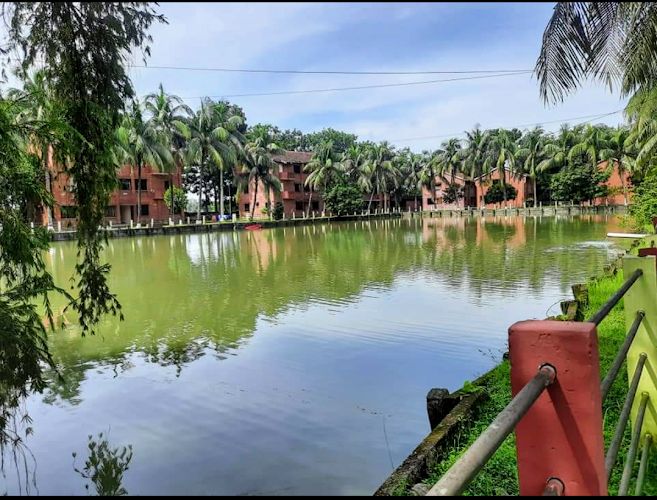
Cumilla
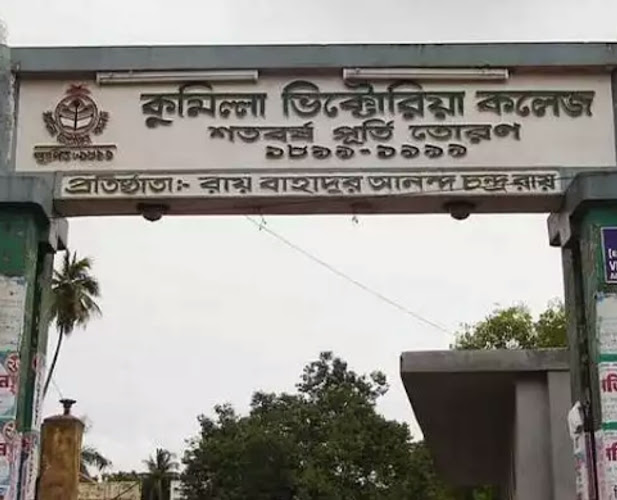
Cumilla Victoria Government College,Cumilla
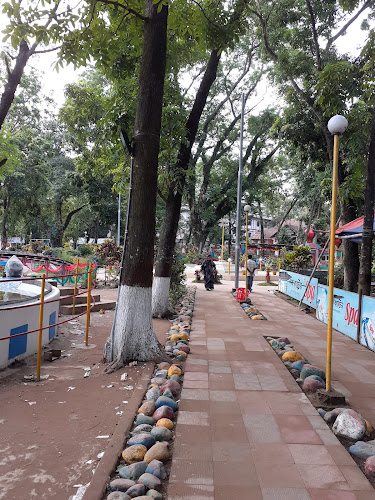
Cumilla City Park
Find Accommodations Nearby
Recommended Tours & Activities
Visitor Reviews
There are no reviews yet. Be the first one to write one.
Share Your Experience
Have you visited Cumilla Sadar Upazilla Parishad? Help other travelers by leaving a review.