
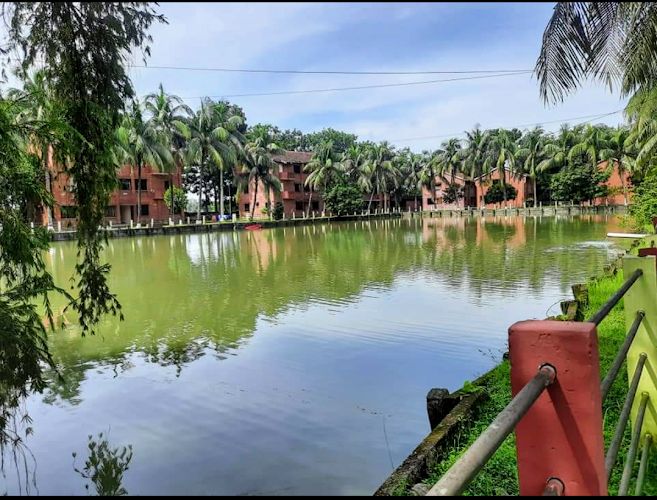
Cumilla
About Cumilla
Description
Cumilla, sometimes still called Comilla by locals, sits along the banks of the Gumti River in eastern Bangladesh. It’s one of those places that quietly hums with history—you can feel it in the air, in the rhythm of the streets, and in the weathered faces of the old temples and ruins scattered around town. Once the capital of the ancient Tripura kingdom, Cumilla has roots that stretch back centuries, and yet it’s not stuck in the past. The city has found a way to blend its archaeological treasures with modern life, creating a fascinating contrast between old-world charm and new-age development.
Walking through Cumilla, you might stumble upon remnants of Buddhist monasteries from the 7th century, then turn a corner and find yourself in a bustling bazaar selling everything from handmade clay pots to the latest smartphones. It’s that mix that gives Cumilla its personality—unpretentious, deeply cultural, and full of stories waiting to be discovered. The people here are proud of their heritage, and it shows in how they preserve their traditions while embracing progress.
One of my favorite memories from Cumilla was sipping tea at a roadside stall near the Kotbari area. A local man, probably in his sixties, told me about his grandfather who used to guide visitors through the Shalban Vihara ruins long before tourism was even a thing here. That’s the kind of place Cumilla is—where every conversation seems to lead you deeper into its layered past.
Today, Cumilla is also known for its educational institutions, music, and food. The city’s biryani and sweetmeats are legendary among Bangladeshis. And if you’re a fan of history, archaeology, or just love wandering off the beaten path, Cumilla offers plenty to keep your curiosity alive.
Key Features
- Ancient Heritage: Home to Shalban Vihara and Mainamati ruins, both significant archaeological sites from the Buddhist era.
- Rich Cultural Scene: Traditional music, crafts, and festivals that celebrate both ancient and modern Bangladeshi culture.
- Natural Beauty: The Gumti River and surrounding countryside offer peaceful escapes and scenic views.
- Local Cuisine: Famous for Cumilla’s distinctive biryani, khichuri, and sweet dishes like roshmalai.
- Accessibility: Conveniently located between Dhaka and Chattogram, making it easy to reach for domestic travelers.
- Friendly Locals: Residents known for their warmth and hospitality, always ready to share stories or directions.
Best Time to Visit
If you want my honest opinion, the best time to visit Cumilla is between November and February. The weather during these months is cooler and pleasant—perfect for exploring ruins without melting under the sun. The monsoon season, from June to September, has its own charm though. The countryside turns lush green, and the Gumti River swells with life. But be warned: some rural roads can get muddy and tricky during heavy rains.
Spring (March to April) is also a good time if you enjoy festivals. You might catch local celebrations like Pahela Baishakh, the Bengali New Year, when the city bursts into color, music, and food fairs. Just remember to pack light clothes and a hat—the sun can be unforgiving.
How to Get There
Reaching Cumilla is fairly straightforward. The city lies about 100 kilometers southeast of Dhaka, and you can get there by road or rail. Buses leave regularly from Dhaka’s Sayedabad or Kamalapur terminals, and the journey usually takes around three hours depending on traffic. If you prefer trains, the Cumilla Railway Station connects to major cities like Dhaka and Chattogram, offering a comfortable and scenic ride through the countryside.
For those coming from Chattogram, it’s roughly a two-hour drive. I personally recommend the train—it’s slower, yes, but you get to see the rolling fields, small villages, and glimpses of rural life that make Bangladesh so special. Once in Cumilla, rickshaws and CNG auto-rickshaws are the best way to move around. They’re cheap, easy to find, and honestly, part of the experience.
Tips for Visiting
First and foremost, take your time. Cumilla isn’t a place you rush through. Give yourself at least two to three days to explore the archaeological sites, local markets, and maybe even a day trip to the nearby Mainamati-Lalmai hill range. Wear comfortable shoes—you’ll be walking a lot, especially around the Shalban Vihara ruins and Mainamati Museum.
Photography enthusiasts will love the golden light in the late afternoon—it makes the old bricks of the monasteries glow beautifully. But do ask before photographing people, especially in rural areas. The locals are friendly, but a little courtesy goes a long way.
Food-wise, don’t miss the local street food. Try the spicy fuchka or the sweet doi (yogurt). And if you’re a tea lover like me, you’ll find some of the best roadside tea stalls here. Just be prepared for a sugar rush—they don’t hold back on sweetness!
Safety-wise, Cumilla is generally peaceful. Still, like anywhere, keep an eye on your belongings, especially in crowded areas. English isn’t widely spoken outside of hotels or tourist spots, so learning a few Bangla phrases can make your trip smoother and more fun.
If you’re into history, spend an afternoon at the Mainamati Museum—it’s small but packed with ancient relics, sculptures, and pottery that tell the story of Bengal’s Buddhist past. And for a quiet evening, head to the banks of the Gumti River. Watching the sunset there, with the sound of water and distant calls of prayer, is one of those moments that stays with you long after you’ve left.
All in all, Cumilla isn’t flashy or loud—it’s the kind of place that grows on you. It’s for travelers who appreciate authenticity, who don’t mind a few bumps on the road if it means discovering a story no one else has told them yet. If that sounds like you, then Cumilla might just surprise you in the best possible way.
Key Features
- Key Features
- Best Time to Visit
- How to Get There
- Tips for Visiting
More Details
Updated November 9, 2025
Table of Contents
Description
Cumilla, sometimes still called Comilla by locals, sits along the banks of the Gumti River in eastern Bangladesh. It’s one of those places that quietly hums with history—you can feel it in the air, in the rhythm of the streets, and in the weathered faces of the old temples and ruins scattered around town. Once the capital of the ancient Tripura kingdom, Cumilla has roots that stretch back centuries, and yet it’s not stuck in the past. The city has found a way to blend its archaeological treasures with modern life, creating a fascinating contrast between old-world charm and new-age development.
Walking through Cumilla, you might stumble upon remnants of Buddhist monasteries from the 7th century, then turn a corner and find yourself in a bustling bazaar selling everything from handmade clay pots to the latest smartphones. It’s that mix that gives Cumilla its personality—unpretentious, deeply cultural, and full of stories waiting to be discovered. The people here are proud of their heritage, and it shows in how they preserve their traditions while embracing progress.
One of my favorite memories from Cumilla was sipping tea at a roadside stall near the Kotbari area. A local man, probably in his sixties, told me about his grandfather who used to guide visitors through the Shalban Vihara ruins long before tourism was even a thing here. That’s the kind of place Cumilla is—where every conversation seems to lead you deeper into its layered past.
Today, Cumilla is also known for its educational institutions, music, and food. The city’s biryani and sweetmeats are legendary among Bangladeshis. And if you’re a fan of history, archaeology, or just love wandering off the beaten path, Cumilla offers plenty to keep your curiosity alive.
Key Features
- Ancient Heritage: Home to Shalban Vihara and Mainamati ruins, both significant archaeological sites from the Buddhist era.
- Rich Cultural Scene: Traditional music, crafts, and festivals that celebrate both ancient and modern Bangladeshi culture.
- Natural Beauty: The Gumti River and surrounding countryside offer peaceful escapes and scenic views.
- Local Cuisine: Famous for Cumilla’s distinctive biryani, khichuri, and sweet dishes like roshmalai.
- Accessibility: Conveniently located between Dhaka and Chattogram, making it easy to reach for domestic travelers.
- Friendly Locals: Residents known for their warmth and hospitality, always ready to share stories or directions.
Best Time to Visit
If you want my honest opinion, the best time to visit Cumilla is between November and February. The weather during these months is cooler and pleasant—perfect for exploring ruins without melting under the sun. The monsoon season, from June to September, has its own charm though. The countryside turns lush green, and the Gumti River swells with life. But be warned: some rural roads can get muddy and tricky during heavy rains.
Spring (March to April) is also a good time if you enjoy festivals. You might catch local celebrations like Pahela Baishakh, the Bengali New Year, when the city bursts into color, music, and food fairs. Just remember to pack light clothes and a hat—the sun can be unforgiving.
How to Get There
Reaching Cumilla is fairly straightforward. The city lies about 100 kilometers southeast of Dhaka, and you can get there by road or rail. Buses leave regularly from Dhaka’s Sayedabad or Kamalapur terminals, and the journey usually takes around three hours depending on traffic. If you prefer trains, the Cumilla Railway Station connects to major cities like Dhaka and Chattogram, offering a comfortable and scenic ride through the countryside.
For those coming from Chattogram, it’s roughly a two-hour drive. I personally recommend the train—it’s slower, yes, but you get to see the rolling fields, small villages, and glimpses of rural life that make Bangladesh so special. Once in Cumilla, rickshaws and CNG auto-rickshaws are the best way to move around. They’re cheap, easy to find, and honestly, part of the experience.
Tips for Visiting
First and foremost, take your time. Cumilla isn’t a place you rush through. Give yourself at least two to three days to explore the archaeological sites, local markets, and maybe even a day trip to the nearby Mainamati-Lalmai hill range. Wear comfortable shoes—you’ll be walking a lot, especially around the Shalban Vihara ruins and Mainamati Museum.
Photography enthusiasts will love the golden light in the late afternoon—it makes the old bricks of the monasteries glow beautifully. But do ask before photographing people, especially in rural areas. The locals are friendly, but a little courtesy goes a long way.
Food-wise, don’t miss the local street food. Try the spicy fuchka or the sweet doi (yogurt). And if you’re a tea lover like me, you’ll find some of the best roadside tea stalls here. Just be prepared for a sugar rush—they don’t hold back on sweetness!
Safety-wise, Cumilla is generally peaceful. Still, like anywhere, keep an eye on your belongings, especially in crowded areas. English isn’t widely spoken outside of hotels or tourist spots, so learning a few Bangla phrases can make your trip smoother and more fun.
If you’re into history, spend an afternoon at the Mainamati Museum—it’s small but packed with ancient relics, sculptures, and pottery that tell the story of Bengal’s Buddhist past. And for a quiet evening, head to the banks of the Gumti River. Watching the sunset there, with the sound of water and distant calls of prayer, is one of those moments that stays with you long after you’ve left.
All in all, Cumilla isn’t flashy or loud—it’s the kind of place that grows on you. It’s for travelers who appreciate authenticity, who don’t mind a few bumps on the road if it means discovering a story no one else has told them yet. If that sounds like you, then Cumilla might just surprise you in the best possible way.
Key Highlights
- Key Features
- Best Time to Visit
- How to Get There
- Tips for Visiting
Location
Places to Stay Near Cumilla
Find and Book a Tour
Explore More Travel Guides
No reviews found! Be the first to review!
Traveler Reviews for Cumilla
There are no reviews yet. Be the first one to write one.
Have you visited Cumilla? Help other travelers by sharing your review.
You Might Also Like

Dharmasagar

Maynamati War Cemetry
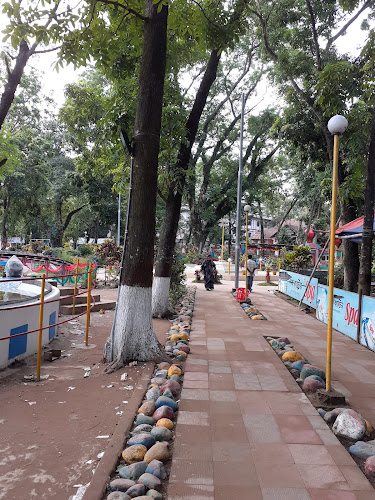
Cumilla City Park
Find Accommodations Nearby
Recommended Tours & Activities
Visitor Reviews
There are no reviews yet. Be the first one to write one.
Share Your Experience
Have you visited Cumilla? Help other travelers by leaving a review.