
The Getty
About The Getty
Description
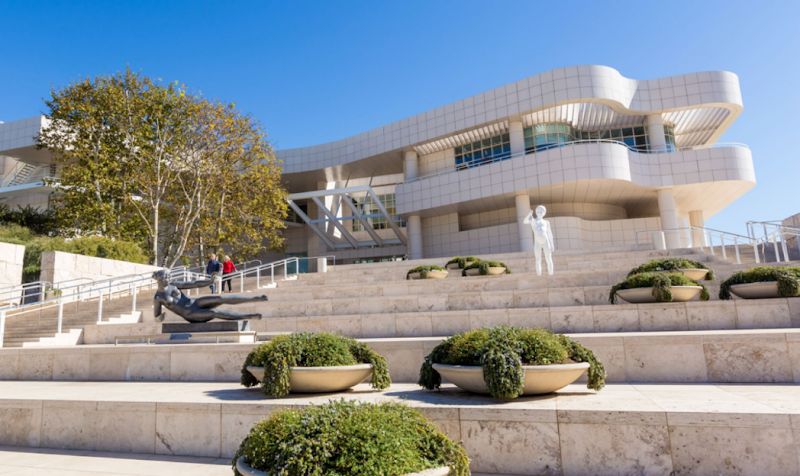
The Getty is one of those places that you don’t just visit—you experience it. Sitting high above Los Angeles, it’s a museum that feels both grand and personal, where art, architecture, and nature all seem to have a quiet conversation with each other. The first time I went, I remember being more excited about the tram ride up the hill than anything else. But then I stepped out and saw the view—Los Angeles stretching endlessly under a soft haze—and I realized this wasn’t just another museum stop. It’s a destination that makes you slow down, breathe, and actually look at things.
Inside, the Getty holds an impressive collection of American and European art, with works dating back centuries. You’ll find everything from Renaissance paintings to 19th-century photography, all beautifully displayed in airy, light-filled galleries. The architecture itself, designed by Richard Meier, is a modern marvel—crisp lines, travertine stone, and open courtyards that let sunlight pour in at just the right angles. It’s the kind of place where even the shadows feel intentional.
And the gardens—don’t even get me started. The Central Garden, designed by artist Robert Irwin, is a living artwork that changes with the seasons. I once sat there for nearly an hour, just watching bees drift from flower to flower while the sound of running water echoed through the terraces. It’s peaceful, but not in a boring way. It’s the kind of peace that makes you feel more awake.
While most visitors rave about the art and the views, what I find most striking is the atmosphere. There’s a sense of generosity here—the admission is free, the staff genuinely seem to love what they do, and you can tell the place was built to inspire, not intimidate. Sure, it can get busy (especially on weekends), but even then, you can always find a quiet corner to sit and just take it all in.
Key Features
- Extensive collection of American and European art, including paintings, sculptures, and decorative arts up to 1900.
- Striking modern architecture by Richard Meier with panoramic views of Los Angeles.
- Beautifully designed Central Garden by artist Robert Irwin, featuring over 500 plant varieties.
- Free admission for all visitors (parking fee applies).
- Onsite amenities including cafes, a restaurant, Wi-Fi, restrooms, and a gift shop.
- Accessibility features such as wheelchair access, assistive hearing loops, and accessible restrooms and parking.
- Family-friendly environment with changing tables, open spaces, and educational programs for kids.
- Live performances, lectures, and rotating exhibitions throughout the year.
- Guided tours and a digital GettyGuide app for self-paced exploration.
Best Time to Visit
If you ask me, the best time to visit the Getty is late afternoon on a weekday. The crowds thin out, the sunlight turns golden, and the city below starts to glow. It’s magic. Spring is gorgeous because the gardens are in full bloom, but autumn has its own charm—the air feels lighter, and the sunsets are ridiculously good. Summer can get hot, but the museum’s cool interiors and shaded terraces make it bearable. Winter is quieter, and there’s something special about wandering the galleries when it’s drizzling outside—it feels cozy, almost like the art is keeping you company.
Weekends are, of course, busier. Families, tourists, locals—all drawn by that unbeatable combo of art and views. If you don’t mind a little company, it’s a lively time to go. But if you prefer a more reflective visit, aim for mid-morning or late afternoon during the week. And honestly, even when it’s crowded, the Getty never feels overwhelming. There’s enough space—both physically and emotionally—for everyone.
How to Get There
Getting to the Getty is part of the fun. You’ll drive up to the base of the hill where there’s a large parking structure, and from there, a sleek white tram takes you up to the museum itself. The ride is short but scenic, gliding past landscaped slopes and offering glimpses of the city below. It’s a small detail, but it sets the tone—this idea that art and beauty start the moment you arrive, not when you step inside a gallery.
If you’re coming from downtown Los Angeles, it’s about a 25–30 minute drive, depending on traffic (and let’s be honest, there’s always some traffic). Public transportation is an option too, though it requires a bit of planning and patience. Rideshares are convenient, especially if you’re staying nearby in Westwood or Santa Monica. Parking isn’t free, but it’s easy and well-organized, and you can pay on-site. Pro tip: arrive early in the day to snag a good spot and enjoy cooler temperatures.
Tips for Visiting
Here’s where a little insider knowledge goes a long way. First off, wear comfortable shoes. You’ll be walking—a lot. Between the galleries, gardens, and terraces, it adds up quickly. And bring a hat or sunscreen if you plan to spend time outside; that California sun doesn’t mess around. I learned that the hard way after one too many “just five more minutes” moments in the garden.
Food-wise, the Getty’s cafes are surprisingly good. The coffee is solid, the pastries fresh, and the restaurant has a lovely patio with sweeping views. If you’re on a budget, you can bring your own snacks and enjoy them in designated picnic areas. The museum also offers free Wi-Fi, which is handy for checking the GettyGuide app or sharing your favorite art finds online (because let’s face it, everyone wants a photo from the terrace).
Plan to spend at least three to four hours here. You could rush through in less, but why would you? The Getty rewards those who linger. Take your time in the galleries—read the little plaques, listen to the audio guide, and notice the way light hits the marble floors. If you’re traveling with kids, check out the Family Room; it’s interactive and genuinely fun, not just a token “kids area.”
One thing I always tell friends: don’t skip the outdoor spaces. The architecture and gardens are as much a part of the experience as the art. Walk the terraces, sit by the fountains, and look out over the city. On a clear day, you can see all the way to the ocean. And if you’re lucky enough to catch a live performance or lecture, stay for it. The Getty’s programming is top-notch and often free with admission.
Lastly, a bit of personal advice—don’t try to see everything in one go. The Getty isn’t meant to be conquered; it’s meant to be absorbed. Pick a few exhibits that speak to you, spend time with them, and let the rest wait for another visit. Because trust me, you’ll want to come back. Whether it’s for the art, the gardens, or just the feeling of standing above Los Angeles with the wind in your hair, the Getty has a way of calling you back.
Key Features
- Extensive collection of American and European art, including paintings, sculptures, and decorative arts up to 1900.
- Striking modern architecture by Richard Meier with panoramic views of Los Angeles.
- Beautifully designed Central Garden by artist Robert Irwin, featuring over 500 plant varieties.
- Free admission for all visitors (parking fee applies).
- Onsite amenities including cafes, a restaurant, Wi-Fi, restrooms, and a gift shop.
- Accessibility features such as wheelchair access, assistive hearing loops, and accessible restrooms and parking.
- Family-friendly environment with changing tables, open spaces, and educational programs for kids.
- Live performances, lectures, and rotating exhibitions throughout the year.
More Details
Updated November 9, 2025
Table of Contents
Description
The Getty is one of those places that you don’t just visit—you experience it. Sitting high above Los Angeles, it’s a museum that feels both grand and personal, where art, architecture, and nature all seem to have a quiet conversation with each other. The first time I went, I remember being more excited about the tram ride up the hill than anything else. But then I stepped out and saw the view—Los Angeles stretching endlessly under a soft haze—and I realized this wasn’t just another museum stop. It’s a destination that makes you slow down, breathe, and actually look at things.
Inside, the Getty holds an impressive collection of American and European art, with works dating back centuries. You’ll find everything from Renaissance paintings to 19th-century photography, all beautifully displayed in airy, light-filled galleries. The architecture itself, designed by Richard Meier, is a modern marvel—crisp lines, travertine stone, and open courtyards that let sunlight pour in at just the right angles. It’s the kind of place where even the shadows feel intentional.
And the gardens—don’t even get me started. The Central Garden, designed by artist Robert Irwin, is a living artwork that changes with the seasons. I once sat there for nearly an hour, just watching bees drift from flower to flower while the sound of running water echoed through the terraces. It’s peaceful, but not in a boring way. It’s the kind of peace that makes you feel more awake.
While most visitors rave about the art and the views, what I find most striking is the atmosphere. There’s a sense of generosity here—the admission is free, the staff genuinely seem to love what they do, and you can tell the place was built to inspire, not intimidate. Sure, it can get busy (especially on weekends), but even then, you can always find a quiet corner to sit and just take it all in.
Key Features
- Extensive collection of American and European art, including paintings, sculptures, and decorative arts up to 1900.
- Striking modern architecture by Richard Meier with panoramic views of Los Angeles.
- Beautifully designed Central Garden by artist Robert Irwin, featuring over 500 plant varieties.
- Free admission for all visitors (parking fee applies).
- Onsite amenities including cafes, a restaurant, Wi-Fi, restrooms, and a gift shop.
- Accessibility features such as wheelchair access, assistive hearing loops, and accessible restrooms and parking.
- Family-friendly environment with changing tables, open spaces, and educational programs for kids.
- Live performances, lectures, and rotating exhibitions throughout the year.
- Guided tours and a digital GettyGuide app for self-paced exploration.
Best Time to Visit
If you ask me, the best time to visit the Getty is late afternoon on a weekday. The crowds thin out, the sunlight turns golden, and the city below starts to glow. It’s magic. Spring is gorgeous because the gardens are in full bloom, but autumn has its own charm—the air feels lighter, and the sunsets are ridiculously good. Summer can get hot, but the museum’s cool interiors and shaded terraces make it bearable. Winter is quieter, and there’s something special about wandering the galleries when it’s drizzling outside—it feels cozy, almost like the art is keeping you company.
Weekends are, of course, busier. Families, tourists, locals—all drawn by that unbeatable combo of art and views. If you don’t mind a little company, it’s a lively time to go. But if you prefer a more reflective visit, aim for mid-morning or late afternoon during the week. And honestly, even when it’s crowded, the Getty never feels overwhelming. There’s enough space—both physically and emotionally—for everyone.
How to Get There
Getting to the Getty is part of the fun. You’ll drive up to the base of the hill where there’s a large parking structure, and from there, a sleek white tram takes you up to the museum itself. The ride is short but scenic, gliding past landscaped slopes and offering glimpses of the city below. It’s a small detail, but it sets the tone—this idea that art and beauty start the moment you arrive, not when you step inside a gallery.
If you’re coming from downtown Los Angeles, it’s about a 25–30 minute drive, depending on traffic (and let’s be honest, there’s always some traffic). Public transportation is an option too, though it requires a bit of planning and patience. Rideshares are convenient, especially if you’re staying nearby in Westwood or Santa Monica. Parking isn’t free, but it’s easy and well-organized, and you can pay on-site. Pro tip: arrive early in the day to snag a good spot and enjoy cooler temperatures.
Tips for Visiting
Here’s where a little insider knowledge goes a long way. First off, wear comfortable shoes. You’ll be walking—a lot. Between the galleries, gardens, and terraces, it adds up quickly. And bring a hat or sunscreen if you plan to spend time outside; that California sun doesn’t mess around. I learned that the hard way after one too many “just five more minutes” moments in the garden.
Food-wise, the Getty’s cafes are surprisingly good. The coffee is solid, the pastries fresh, and the restaurant has a lovely patio with sweeping views. If you’re on a budget, you can bring your own snacks and enjoy them in designated picnic areas. The museum also offers free Wi-Fi, which is handy for checking the GettyGuide app or sharing your favorite art finds online (because let’s face it, everyone wants a photo from the terrace).
Plan to spend at least three to four hours here. You could rush through in less, but why would you? The Getty rewards those who linger. Take your time in the galleries—read the little plaques, listen to the audio guide, and notice the way light hits the marble floors. If you’re traveling with kids, check out the Family Room; it’s interactive and genuinely fun, not just a token “kids area.”
One thing I always tell friends: don’t skip the outdoor spaces. The architecture and gardens are as much a part of the experience as the art. Walk the terraces, sit by the fountains, and look out over the city. On a clear day, you can see all the way to the ocean. And if you’re lucky enough to catch a live performance or lecture, stay for it. The Getty’s programming is top-notch and often free with admission.
Lastly, a bit of personal advice—don’t try to see everything in one go. The Getty isn’t meant to be conquered; it’s meant to be absorbed. Pick a few exhibits that speak to you, spend time with them, and let the rest wait for another visit. Because trust me, you’ll want to come back. Whether it’s for the art, the gardens, or just the feeling of standing above Los Angeles with the wind in your hair, the Getty has a way of calling you back.
Key Highlights
- Extensive collection of American and European art, including paintings, sculptures, and decorative arts up to 1900.
- Striking modern architecture by Richard Meier with panoramic views of Los Angeles.
- Beautifully designed Central Garden by artist Robert Irwin, featuring over 500 plant varieties.
- Free admission for all visitors (parking fee applies).
- Onsite amenities including cafes, a restaurant, Wi-Fi, restrooms, and a gift shop.
- Accessibility features such as wheelchair access, assistive hearing loops, and accessible restrooms and parking.
- Family-friendly environment with changing tables, open spaces, and educational programs for kids.
- Live performances, lectures, and rotating exhibitions throughout the year.
Location
Places to Stay Near The Getty
Find and Book a Tour
Explore More Travel Guides
No reviews found! Be the first to review!
Traveler Reviews for The Getty
There are no reviews yet. Be the first one to write one.
Have you visited The Getty? Help other travelers by sharing your review.
You Might Also Like
Page Museum

Augustus F. Hawkins Nature Park
Belvedere Community Regional Park
Find Accommodations Nearby
Recommended Tours & Activities
Visitor Reviews
There are no reviews yet. Be the first one to write one.
Share Your Experience
Have you visited The Getty? Help other travelers by leaving a review.