
Page Museum
About Page Museum
You find the Page Museum at the La Brea Tar Pits on Wilshire Boulevard in Los Angeles. This active paleontological research site displays Ice Age fossils excavated from the naturally occurring asphalt seeps on its 23-acre grounds.
What to Expect
You will see asphalt still seeping from the ground, forming the famous bubbling Lake Pit. The museum showcases fossils from nearly 400 species of mammals, birds, amphibians, and fish that became trapped here. Life-size models of extinct mammoths and mastodons stand on the property. Inside, exhibits detail the active excavation work, which is one of the most famous in the world. A Pleistocene Garden on the grounds shows you what the Los Angeles landscape looked like during the last Ice Age.
History & Significance
The La Brea Tar Pits are a lake of primal sludge that formed over thousands of years. These pools lured animals that last roamed the Earth during the Pleistocene epoch. The site provides a stark, incongruous contrast to the modern city that surrounds it.
Practical Information
The museum's address is 5801 Wilshire Blvd, Los Angeles, CA 90036. It holds a 4.6 out of 5 rating from visitors. You can purchase tickets online through the museum's official website, tarpits.org. For general information, you can call (323) 934-PAGE.
More Details
Updated April 5, 2026
You find the Page Museum at the La Brea Tar Pits on Wilshire Boulevard in Los Angeles. This active paleontological research site displays Ice Age fossils excavated from the naturally occurring asphalt seeps on its 23-acre grounds.
Table of Contents
- What to Expect
- History & Significance
- Practical Information
- Location
- Places to Stay Near Page Museum
- Find and Book a Tour
- Explore More Travel Guides
- Key Takeaways
- About Page Museum
- History and Significance
- What Makes It Special
- What to See and Do
- Main Attractions and Highlights
- Best Time to Visit
- Visitor Information
- Location and How to Get There
- Tips for Visitors
- Nearby Places You Might Like
- Traveler Reviews for Page Museum
- Share Your Experience
What to Expect
You will see asphalt still seeping from the ground, forming the famous bubbling Lake Pit. The museum showcases fossils from nearly 400 species of mammals, birds, amphibians, and fish that became trapped here. Life-size models of extinct mammoths and mastodons stand on the property. Inside, exhibits detail the active excavation work, which is one of the most famous in the world. A Pleistocene Garden on the grounds shows you what the Los Angeles landscape looked like during the last Ice Age.
History & Significance
The La Brea Tar Pits are a lake of primal sludge that formed over thousands of years. These pools lured animals that last roamed the Earth during the Pleistocene epoch. The site provides a stark, incongruous contrast to the modern city that surrounds it.
Practical Information
The museum’s address is 5801 Wilshire Blvd, Los Angeles, CA 90036. It holds a 4.6 out of 5 rating from visitors. You can purchase tickets online through the museum’s official website, tarpits.org. For general information, you can call (323) 934-PAGE.
Location
Places to Stay Near Page Museum
Find and Book a Tour
Explore More Travel Guides
No reviews found! Be the first to review!
You’ll find one of the world’s most unusual museums right on Wilshire Boulevard in Los Angeles, where ancient history literally bubbles up from the ground. The Page Museum sits smack on top of the La Brea Tar Pits, so you’re not just looking at fossils—you’re standing right where they were found.
Since 1977, this paleontology hotspot has been showing off Ice Age creatures pulled from the still-active tar seeps just outside its doors. It’s wild to think that some of these bones have only traveled a few feet from where they spent thousands of years.
What makes this place stand out isn’t just the saber-toothed cats and dire wolves on display. You can actually watch scientists at work in the see-through Fossil Lab, cleaning and studying fossils right in front of you.
The 23-acre grounds include the Lake Pit, where tar still bubbles up, plus life-size mammoth models that are basically begging for a photo op. You’ll smell that petroleum tang before you even see the pits—no mistaking it.
Key Takeaways
- The Page Museum is built right on the La Brea Tar Pits, an active fossil site on Wilshire Boulevard.
- You can watch scientists prep real Ice Age fossils in the visible Fossil Lab.
- Admission is free on the first Tuesday of every month for all visitors.
About Page Museum
The Page Museum sits directly on one of the world’s busiest fossil dig sites, where Ice Age bones still work their way up from underground. Established in 1977 as the George C. Page Museum, it’s all about discoveries yanked straight from the tar pits outside.
History and Significance
The museum opened in 1977, named after George C. Page, who funded its construction. But the real story here goes back 40,000 years, to a time when giant mammals wandered what’s now Los Angeles.
The Rancho La Brea site has coughed up fossils since the early 1900s, when researchers realized the sticky asphalt was preserving a mind-boggling record of Ice Age life. Over a million bones have been dug up here, covering more than 600 species of animals and plants.
It’s now part of the Natural History Museums of Los Angeles County, so you’re not just visiting a museum—you’re stepping into an active research institution. Scientists are here every day, still pulling new finds from the pits.
What Makes It Special
You just don’t find this setup anywhere else—a museum built right over the fossils it studies. Through the see-through Fossil Lab, you can watch paleontologists carefully clean and prep bones, sometimes just days after they’re pulled from the tar.
There’s a wild lineup of creatures here: saber-toothed cats, dire wolves, mammoths, and mastodons—all animals that once called Los Angeles home. Don’t skip the microfossils either; those tiny specimens are easy to miss but they’re a goldmine for scientists.
Step outside and you’ll see life-size models of extinct mammals scattered around Lake Pit, where tar still oozes up. The Pleistocene Garden is a cool touch, showing what plants covered this land back in the day.
What to See and Do
The Page Museum sprawls across 23 acres in the Miracle Mile district, so there’s a lot more than just fossil halls to check out. You’ll find active excavation sites, massive animal replicas, and indoor exhibits that make Ice Age LA feel real.
Main Attractions and Highlights
The fossil wall is a showstopper—over 400 dire wolf skulls arranged in a floor-to-ceiling grid. It’s a little haunting, honestly, to see just how many predators got trapped here.
The see-through Fossil Lab is always buzzing. Scientists are often hunched over, using dental picks and tiny brushes to clean fossils pulled from the tar pits. This isn’t a staged demo—it’s the real deal, and you can watch it all go down.
Out by the Lake Pit, you’ll spot the biggest of the visible tar pits, still bubbling with methane. That smell? It’s all part of the experience. There’s a life-size mammoth family right at the edge, with one adult sinking into the tar—a strangely moving scene.
Pit 91, the active dig site, runs seasonally. If you’re lucky enough to visit when it’s open, you can watch volunteers and staff carefully excavate fossils using techniques that haven’t changed much since 1915.
The Pleistocene Garden is a quiet spot, planted with native species from the Ice Age. It’s a nice place to imagine what LA looked like 40,000 years ago—definitely a far cry from the city now.
Best Time to Visit
Weekday mornings before 11 a.m. are your best bet for avoiding crowds and snagging a front-row view in the Fossil Lab. Scientists are usually busiest then, and you’ll have a better shot at chatting with staff.
Summer is tourist central, but that’s also when Pit 91 is usually open for digging. If you want to see live excavations, July or August is your window—just brace yourself for tricky parking around Hancock Park on weekends.
The first Tuesday of every month is free for everyone, but it gets packed fast. LA County residents can also get in free from 3-5 p.m. daily, though that’s a pretty quick visit. If you’re not a fan of crowds or heat, winter months like November through February are quieter and way more comfortable for wandering the grounds.
Visitor Information
The Page Museum is at 5801 Wilshire Boulevard in the Miracle Mile neighborhood. Planning ahead makes a difference if you want to squeeze the most out of your Ice Age fossil adventure.
Location and How to Get There
You’ll find the Page Museum right in the middle of Los Angeles at 5801 Wilshire Boulevard, tucked into Hancock Park on the Miracle Mile. LACMA is just steps away, so you can easily knock out both in one day if you’re feeling ambitious.
Driving? There’s paid parking at the corner of Wilshire and Curson. Street parking exists but, honestly, it’s a gamble—especially on weekends.
Public transit is a lifesaver here. The Metro B Line (Red) and D Line (Purple) stop at Wilshire/Fairfax, just a short stroll away. Several bus lines run along Wilshire, including the 20 and the 720 Rapid.
The museum is open Wednesday through Sunday, but hours can shift seasonally. Double-check their website before you go. They’re usually closed Mondays and Tuesdays, so don’t get caught out.
Tips for Visitors
Arrive early on weekends if you want any hope of beating the crowds—especially when school’s out and families flood the Page Museum. If you can swing it, weekday mornings are blissfully quiet.
The museum’s fully accessible, with ramps and elevators tucked just about everywhere. Wheelchairs? They’re free, but you’ll need a bit of luck—they’re first come, first served.
Outside, the tar pits and viewing decks are wheelchair-friendly too, though I’ll be honest: some of those paths get a little bumpy. Good shoes are a must. You’ll be wandering between fossils inside and sticky, sun-baked tar outside, so don’t skimp on comfort.
And if you’re sensitive to smells, heads up—the asphalt pits can let off a faint whiff of sulfur, especially when LA turns up the heat. It’s not awful, but it’s there.
One thing nobody told me: the Observation Pit is underground and can get surprisingly stuffy. Bring layers you can peel off, or you’ll be sweating it out with the saber-tooths.
Photography’s fair game almost everywhere, but leave the flash off near the more delicate fossils. The staff will let you know if you forget.
Traveler Reviews for Page Museum
There are no reviews yet. Be the first one to write one.
Have you visited Page Museum? Help other travelers by sharing your review.
You Might Also Like
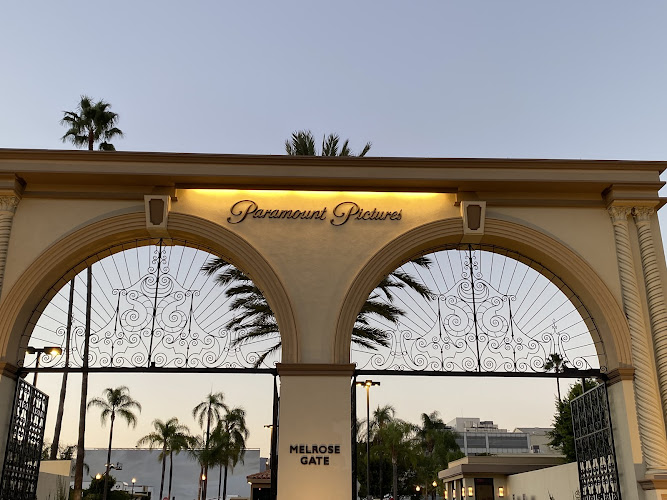
Paramount Pictures Studio Tour
Travel Town Gift Shop
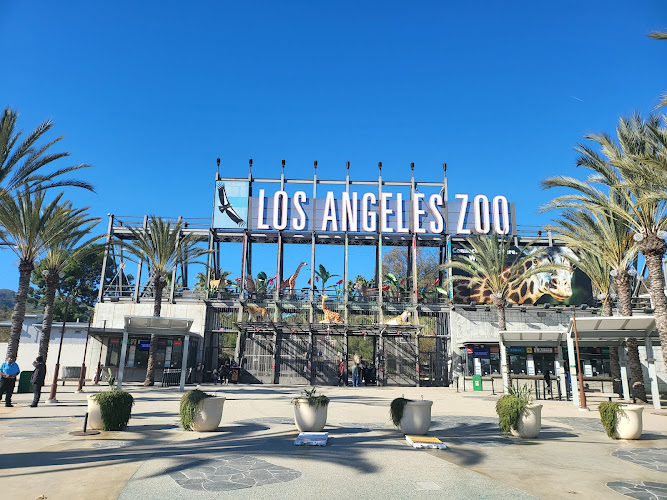
Los Angeles Zoo
Find Accommodations Nearby
Recommended Tours & Activities
Visitor Reviews
There are no reviews yet. Be the first one to write one.
Share Your Experience
Have you visited Page Museum? Help other travelers by leaving a review.