
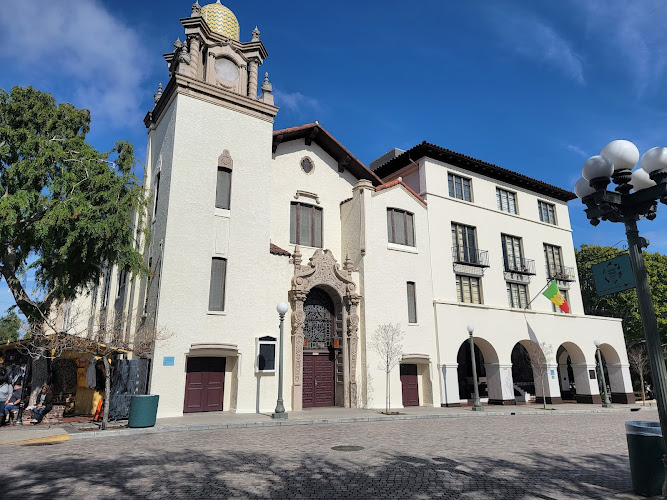
El Pueblo de Los Angeles Historical Monument
About El Pueblo de Los Angeles Historical Monument
El Pueblo de Los Angeles Historical Monument is a highly acclaimed monument located in Los Angeles, United States of America. With a rating of 4.5 out of 5, it stands out as one of the top-rated monuments in the area.
Location
You can find El Pueblo de Los Angeles Historical Monument at 125 Paseo de la Plz, Los Angeles, CA 90012.
Historical Significance
El Pueblo de Los Angeles Historical Monument is a monument of historical significance in Los Angeles, United States of America. It offers visitors a glimpse into the area heritage and history.
Planning Your Visit
The monument is located at 125 Paseo de la Plz, Los Angeles, CA 90012. GPS coordinates: 34.056525, -118.238768. Check locally for current opening hours and any admission fees before visiting.
More Details
Updated June 4, 2026
El Pueblo de Los Angeles Historical Monument is a highly acclaimed monument located in Los Angeles, United States of America. With a rating of 4.5 out of 5, it stands out as one of the top-rated monuments in the area.
Table of Contents
- Location
- Historical Significance
- Planning Your Visit
- Location
- Places to Stay Near El Pueblo de Los Angeles Historical Monument
- Find and Book a Tour
- Explore More Travel Guides
- Key Takeaways
- Key Details and Fast Facts
- Essential On-Site Experiences
- Planning Your Visit
- Best Time to Explore
- How to Get There
- Insider Tips
- Nearby Landmarks and More to Discover
- Frequently Asked Questions
- What’s the best way to experience El Pueblo on a self-guided walking tour, and how long should I budget?
- Do I need tickets for any museums or historic buildings in the area, and which ones are free to enter?
- What’s the backstory behind El Pueblo’s founding, and how did it shape early Los Angeles?
- Which landmarks are considered the must-see highlights, beyond the obvious stops on Olvera Street?
- Where can I find a reliable map that shows entrances, museum hours, and the easiest routes between sites?
- What is the oldest surviving building you can visit here, and what details should I look for to appreciate it?
- Plan Your Trip to El Pueblo de Los Angeles Historical Monument
- Nearby Places You Might Like
- Traveler Reviews for El Pueblo de Los Angeles Historical Monument
- Share Your Experience
Location
You can find El Pueblo de Los Angeles Historical Monument at 125 Paseo de la Plz, Los Angeles, CA 90012.
Historical Significance
El Pueblo de Los Angeles Historical Monument is a monument of historical significance in Los Angeles, United States of America. It offers visitors a glimpse into the area heritage and history.
Planning Your Visit
The monument is located at 125 Paseo de la Plz, Los Angeles, CA 90012. GPS coordinates: 34.056525, -118.238768. Check locally for current opening hours and any admission fees before visiting.
Location
Places to Stay Near El Pueblo de Los Angeles Historical Monument
Find and Book a Tour
Explore More Travel Guides
No reviews found! Be the first to review!
El Pueblo de Los Angeles Historical Monument is a 44-acre historic district in downtown Los Angeles. It’s best known as the birthplace of the city and home to Olvera Street, that lively Mexican marketplace you might’ve heard about.
You’ll stumble across free museums, LA’s oldest church and house, plus buildings that go all the way back to the 1781 Spanish settlement. This place is a living museum—great for history nerds, culture chasers, or anyone curious about LA before all the glitz and gridlock.
The monument sits right where 44 diverse settlers—including folks of African and Indigenous descent—established Los Angeles after trekking nine miles from Mission San Gabriel. Unlike the usual LA spots that worship the movie biz, this ten-block area gives you the city’s real roots.
You can wander the same plaza where those first colonists gathered. Some of these structures have survived over 200 years of wild growth.
The district functions as a free public park, managed by a mix of city, county, and state agencies. There’s no admission to enter the historic core, though some museums and Olvera Street vendors do sell food and crafts.
You’ll find it at 845 N. Alameda Street, smack in central LA and just steps from major freeways and transit.
Key Takeaways
- El Pueblo is a 44-acre free park preserving LA’s original 1781 settlement and oldest buildings.
- You can check out multiple museums, the historic plaza, and Olvera Street marketplace with no admission fee.
- It’s downtown at 845 N. Alameda Street, with parking and restrooms nearby.
Key Details and Fast Facts
El Pueblo de Los Angeles Historical Monument marks the city’s birthplace. Back in September 1781, 44 settlers of Native American, African, and European heritage built a farming community here after traveling more than 1,000 miles from northern Mexico.
Location & Size
- 44 acres in downtown LA
- 27 historic buildings from the 18th and 19th centuries
- Centered around the old plaza
Visiting Information
- Open daily, year-round
- Olvera Street: usually 9 am–6 pm
- Shops and restaurants stay open later on weekends, big events, and in summer
- All museums and exhibits are free
- Easy to reach by public transit, car, or bike
Annual Visitors & Recognition
The site attracts over 2 million visitors every year. The American Planning Association called Olvera Street one of the “Great Places of America” in 2015.
In 2019, California’s APA chapter named El Pueblo a “Great Place in California.”
What You’ll Find
You’ll wander through free museums, historical exhibits, and the famous Olvera Street marketplace. It’s both a living museum and a real cultural hub.
The district is run by the City of Los Angeles, with city, county, and state all having a hand in things.
Essential On-Site Experiences
Eight main historic sites are covered on the free one-hour guided tours, offered Thursday to Saturday at 10 AM, 11 AM, and noon. The tours walk you through the area’s transformation—from the indigenous Yaanga village to the present.
You’ll see the Old Plaza with the L.A. Pobladores Plaque, Pico House (LA’s first luxury hotel), the Old Firehouse, Chinese American Museum in the Garnier Building, Olvera Street’s Mexican Marketplace, the Avila Adobe (oldest house in LA), and the América Tropical Interpretive Center with David Siqueiros’ mural.
Standard Tour Sites:
- The Old Plaza and L.A. Pobladores Plaque
- Pico House (first three-story building in LA)
- Old Firehouse (the city’s first fire station)
- Chinese American Museum in the Garnier Building
- Olvera Street Mexican Marketplace
- Avila Adobe (LA’s oldest residence)
- América Tropical Interpretive Center
Available by Special Request:
- Leo Politi’s Blessing of the Animals mural at the Biscailuz Building
- Italian American Museum of LA in the historic Italian Hall
All tours are totally free and led by certified guides. You’ll need to book at least two weeks ahead, and if you’re bringing any K-12 students, there’s a mandatory waiver. For groups of 70+, self-guided tours are a better bet than the standard experience.
You can even request specific sites or topics by emailing [email protected] when booking.
Planning Your Visit
El Pueblo de Los Angeles is open every day at 845 N. Alameda Street, right in Downtown LA. Admission to the historic district and museums is always free.
It’s just across from Union Station, so you can get there by metro, and it runs year-round, though individual attractions have their own hours.
Best Time to Explore
Weekdays between 10 AM and 4 PM are your best bet—smaller crowds, all museums open. The historic district itself is open daily, but some buildings and exhibits close on Mondays.
Spring and fall? Great weather for walking outside. Summer can get pretty hot, with temps in the 80s and 90s.
If you want to catch traditional performances or festivals, plan your visit around Dia de los Muertos in early November or Cinco de Mayo. Weekend mornings before 11 AM are quieter on Olvera Street, so you can browse before the tour groups descend.
How to Get There
Take the Metro B (Red) or D (Purple) Line to Union Station, then walk across Alameda Street—it’s about two minutes on foot. The district sits right north of the station.
If you’re driving, there are parking lots on Main Street and near the plaza, usually $10–$15 for the day. Metered street parking is around but limited to two hours.
Union Station also connects to Metrolink trains from Orange, Ventura, San Bernardino, and Riverside counties. Several bus lines stop there too—routes 40, 60, and 70, for example.
Insider Tips
Free walking tours led by Las Angelitas del Pueblo docents run Tuesday through Saturday. They’ll give you the inside scoop on Avila Adobe, Pico House, and other buildings.
Call (213) 628-1274 to double-check tour times before you go. Most museums shut their doors by 4 or 5 PM, so get there early if you want to see the indoor stuff.
Avila Adobe, built in 1818, is the oldest house still standing in LA and it’s free to visit. Bring cash for Olvera Street vendors—some don’t take cards.
The marketplace is packed with handmade crafts, leather goods, and classic Mexican food stands. Restrooms and water fountains are scattered throughout the district.
The area is ADA accessible, but a few historic buildings have limited access due to their age and preservation rules.
Nearby Landmarks and More to Discover
Union Station is just steps away—you can walk there in five minutes or less. This 1939 transit hub mixes Spanish Colonial Revival with Art Deco, and its waiting rooms have popped up in loads of movies.
It’s still a busy spot for Amtrak, Metrolink, and Metro Rail passengers.
Chinatown starts about half a mile north along Broadway. You’ll find old-school herb shops, dim sum joints, and the Central Plaza with its pagoda-style architecture.
The neighborhood goes back to 1938, when LA’s Chinese community moved from their original settlement.
Other Close Attractions:
- LA Plaza de Cultura y Artes – Cultural center right next to El Pueblo, focusing on Mexican-American history
- Avila Adobe – LA’s oldest standing house, built in 1818
- The Broad – Contemporary art museum about 1.5 miles south on Grand Avenue
- Angels Flight Railway – Historic funicular connecting Hill Street to Grand Avenue, about a mile away
Little Tokyo is roughly a mile southeast. There’s the Japanese American National Museum and traditional shops on First Street.
You’ll find ramen houses and the old Higashi Honganji Buddhist Temple there, too.
Grand Park stretches from City Hall to the Music Center, about a mile south of El Pueblo. It’s a 12-acre green space with free events and some of the best downtown skyline views.
Frequently Asked Questions
Got questions about tickets, timing, or which historic sites deserve your time? The 44-acre district is packed with free museums and self-guided routes.
This place has roots stretching back to 1781, when a diverse group of settlers founded Los Angeles where the Gabrieleno village of Yangna once stood.
What’s the best way to experience El Pueblo on a self-guided walking tour, and how long should I budget?
You can wander the 44-acre district at your own pace in about 90 minutes to two hours. If you’re a real history buff, you might spend three or four hours poking around the 27 historic buildings by the old plaza.
Start at the Old Plaza, then work your way through Olvera Street and the museums. The layout’s compact—most buildings are within a few blocks.
If you prefer a more structured visit, free certified guides offer one-hour walks covering the area’s evolution from Yaanga village through Spanish, Mexican, and American periods.
Do I need tickets for any museums or historic buildings in the area, and which ones are free to enter?
All the museums inside El Pueblo are free—no tickets or reservations needed. It’s honestly one of LA’s best budget-friendly historic sites.
You can browse Olvera Street’s outdoor stalls without spending a dime, though the vendors do sell goods.
Some buildings have seasonal hours or close certain days, so check ahead.
What’s the backstory behind El Pueblo’s founding, and how did it shape early Los Angeles?
Forty-four settlers of Native American, African, and European heritage marched nine miles from Mission San Gabriel in September 1781. They set up a farming community where the Gabrieleno village of Yangna used to be.
This diverse crew founded El Pueblo de Nuestra Señora la Reina de los Ángeles del Río de Porciúncula (yeah, it’s a mouthful), which became LA’s center under Spanish, Mexican, and American rule through most of the 1800s.
The original pueblo at 845 N. Alameda Street stayed the city’s heart until the commercial core shifted west.
The site became a State Historic Monument in 1953 and later joined the National Register of Historic Places.
Which landmarks are considered the must-see highlights, beyond the obvious stops on Olvera Street?
The Old Plaza is the historic heart where the first settlers gathered—it’s a key stop, though lots of tourists skip it for Olvera Street’s shopping. There are 27 historic buildings here, with styles ranging from 1818 adobes to a 1926 Spanish-style church.
Tour guides usually hit the L.A. Plaza and other buildings showing off the area’s indigenous, Spanish, and Mexican layers.
Keep an eye out for adobe construction and early American-era changes. These details show how each era left its stamp on the neighborhood.
Where can I find a reliable map that shows entrances, museum hours, and the easiest routes between sites?
The official El Pueblo website has current maps with entrance spots. You can also grab printed maps at 845 N. Alameda Street, where parking and restrooms are.
The visitor center knows which buildings are open and if there are any temporary closures. ADA-accessible routes connect the main sites, and there’s drinking water and facilities near the main parking area.
What is the oldest surviving building you can visit here, and what details should I look for to appreciate it?
The oldest structure around here? It goes all the way back to 1818. You’ll see classic adobe dwelling techniques from the Spanish colonial era.
Take a close look at those thick walls—made from sun-dried mud bricks. They were surprisingly good at keeping the place cool in the LA heat.
Check out the original wooden beams if you can spot them. Door frames and window placements are worth a glance too, since they reflect building styles brought over from northern Mexico.
It’s honestly kind of wild that this building’s survived nearly 210 years of earthquakes and all the changes in the city. If you notice little reinforcements or tweaks, those came from later residents trying to keep the old soul of the place intact.
Plan Your Trip to El Pueblo de Los Angeles Historical Monument
Traveler Reviews for El Pueblo de Los Angeles Historical Monument
There are no reviews yet. Be the first one to write one.
Have you visited El Pueblo de Los Angeles Historical Monument? Help other travelers by sharing your review.
You Might Also Like
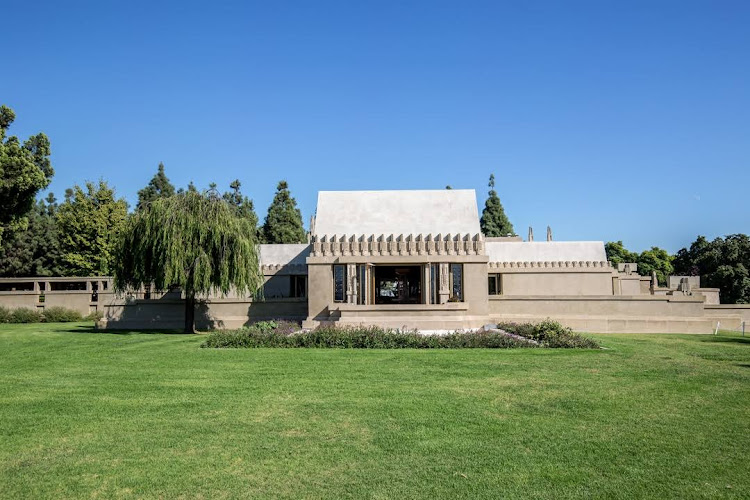
Barnsdall Art Park
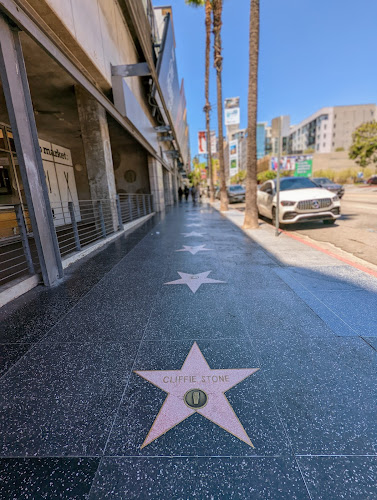
Hollywood Walk of Fame
Exposition Park
Find Accommodations Nearby
Recommended Tours & Activities
Visitor Reviews
There are no reviews yet. Be the first one to write one.
Share Your Experience
Have you visited El Pueblo de Los Angeles Historical Monument? Help other travelers by leaving a review.