
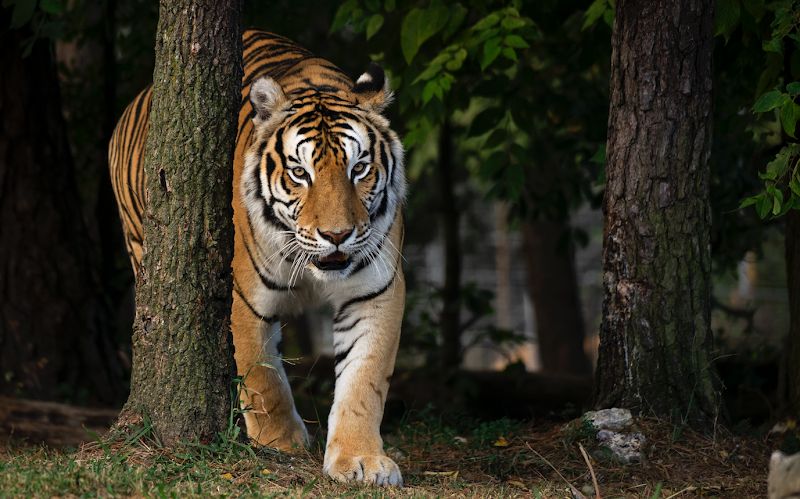
Turpentine Creek Wildlife Refuge
About Turpentine Creek Wildlife Refuge
Description
Turpentine Creek Wildlife Refuge in Eureka Springs, Arkansas, is one of those places that quietly takes your breath away—not because it’s flashy or commercialized, but because it’s real. Spread across about 450 acres in the Ozark Mountains, this nonprofit sanctuary has been rescuing and caring for big cats since the early 1990s. You’ll find lions, tigers, leopards, cougars, and even a few bears here, all living out their days in safety after being saved from neglect, abuse, or the exotic pet trade. There’s something deeply moving about seeing these magnificent animals up close, knowing they’ve finally found peace.
What makes Turpentine Creek stand out isn’t just the animals—it’s the mission. The staff and volunteers pour their hearts into giving these creatures a second chance. You can feel that dedication the moment you step onto the property. The habitats are spacious and natural, designed to let the cats roam, climb, and laze under the Arkansas sun. You won’t find any circus tricks or petting sessions here; this is a true sanctuary, accredited by the Global Federation of Animal Sanctuaries, which means the animals’ welfare always comes first. And honestly, that’s what makes the experience so powerful—it’s about respect, not entertainment.
Now, I’ll admit, the first time I visited, I wasn’t sure what to expect. I’d been to zoos before, but this felt completely different. There’s a quiet dignity to the place. You hear the low rumble of a tiger’s roar echoing through the hills, and it sort of hits you—these are wild animals that should never have been in cages to begin with. The refuge doesn’t shy away from that truth; instead, it uses it to educate visitors about wildlife conservation and responsible animal care. It’s the kind of experience that sticks with you long after you’ve left.
Key Features
- Authentic Sanctuary: Home to nearly 100 rescued big cats and other wildlife, all living in large, natural habitats.
- Educational Tours: Guided tours share stories of rescue and rehabilitation, offering insight into the challenges of exotic animal ownership.
- Family-Friendly Environment: Kids love watching the animals up close while learning about conservation in an engaging way.
- Accessibility: Wheelchair-accessible entrances, restrooms, and seating ensure everyone can enjoy the experience comfortably.
- Overnight Lodging: Unique lodges and glamping options allow guests to stay overnight within hearing distance of lions roaring at dusk.
- Photography Opportunities: The natural setting and open habitats make for some truly stunning wildlife photos.
- Ethical Tourism: No hands-on interaction or exploitation—just pure, responsible wildlife observation.
- Onsite Amenities: Restrooms, gift shop, shaded seating areas, and free parking make visits convenient and relaxed.
There’s also an educational center where you can learn about the broader issue of wildlife trafficking and why sanctuaries like this are so vital. It’s sobering stuff, but it’s presented in a way that inspires rather than depresses. You walk away feeling like you can make a difference, even if it’s just by spreading awareness or supporting ethical tourism.
Best Time to Visit
Honestly, Turpentine Creek is worth visiting any time of year, but if you want the best experience, aim for spring or fall. The weather in northwest Arkansas can get pretty warm in the summer, and the cats—being smart—tend to nap in the shade during the hottest parts of the day. In the cooler months, though, they’re more active, pacing around or playing with enrichment toys. Early morning tours are especially magical; the air is crisp, and the animals are often at their liveliest.
If you visit in autumn, you’ll also catch the Ozarks in full color. The rolling hills around the refuge turn fiery red and orange, and it’s just gorgeous. Winter visits have their charm too—the crowds thin out, and the crisp air makes for peaceful walks through the sanctuary. Just bring a jacket and maybe a thermos of coffee; it can get chilly out there.
How to Get There
Turpentine Creek Wildlife Refuge sits a short drive south of Eureka Springs, tucked into the scenic backroads of the Ozark Mountains. If you’re coming from Fayetteville or Rogers, it’s about an hour and a half drive, winding but beautiful. The roads are well-marked, and there’s plenty of signage as you get closer. Parking is free and plentiful, which is always a plus when you’re traveling with family or friends.
Many visitors make a day of it—exploring downtown Eureka Springs in the morning, grabbing lunch at one of the quirky local cafés, and then heading to the refuge for the afternoon tour. It’s a nice balance between small-town charm and raw, natural beauty. If you’re staying overnight, you can even book one of the refuge’s lodges or safari-style tents. Falling asleep to the sound of lions roaring in the distance? That’s not something you forget easily.
Tips for Visiting
First things first—wear comfortable shoes. The sanctuary is large, and while the main paths are easy to walk, you’ll be doing a fair bit of exploring. Bring sunscreen and water, especially in summer. There are shaded areas, but the Arkansas sun can be relentless. And if you’re a photographer (or even just love snapping pictures for Instagram), bring a zoom lens. The habitats are designed to give the animals space, so you’ll want that extra reach for the perfect shot.
Here’s something I learned the hard way—don’t expect the animals to “perform.” This isn’t that kind of place. Sometimes the cats will be lounging in the grass, half-asleep, and that’s perfectly normal. They’re living their best lives, free from stress and exploitation. Take your time, be patient, and you’ll catch those moments of magic—a tiger stretching in the sun, a lioness grooming her mate, or a bear splashing in a pool. It’s the kind of slow, quiet beauty that sneaks up on you.
Another tip: book your tour in advance. The refuge limits group sizes to keep things calm and educational, and spots can fill up quickly, especially on weekends or holidays. If you’re traveling with kids, the guided tours are a great way to keep them engaged; the guides are passionate and full of fun facts that make learning about conservation exciting rather than preachy.
And don’t skip the gift shop on your way out. It’s full of souvenirs that actually support the refuge’s mission—shirts, mugs, artwork, and even hand-crafted items made by local artists. Every purchase helps feed and care for the animals, which makes it feel a lot more meaningful than your typical tourist trinket.
Finally, take a moment before you leave to just stand still and listen. You might hear a tiger chuffing softly or a lion’s deep rumble rolling through the hills. It’s humbling, really. A reminder that these creatures don’t belong in cages or backyards—they belong in the wild, and until that’s possible, sanctuaries like Turpentine Creek are the next best thing.
Visiting Turpentine Creek Wildlife Refuge isn’t just a fun day trip—it’s an experience that changes how you see wildlife. It’s about compassion, education, and the belief that every animal deserves a life free from cruelty. Whether you’re an animal lover, a traveler looking for something meaningful, or just curious about big cats, this place will leave you with stories to tell and a heart a little fuller than when you arrived.
Key Features
- Key Features
- Best Time to Visit
- How to Get There
- Tips for Visiting
More Details
Updated November 9, 2025
Table of Contents
Description
Turpentine Creek Wildlife Refuge in Eureka Springs, Arkansas, is one of those places that quietly takes your breath away—not because it’s flashy or commercialized, but because it’s real. Spread across about 450 acres in the Ozark Mountains, this nonprofit sanctuary has been rescuing and caring for big cats since the early 1990s. You’ll find lions, tigers, leopards, cougars, and even a few bears here, all living out their days in safety after being saved from neglect, abuse, or the exotic pet trade. There’s something deeply moving about seeing these magnificent animals up close, knowing they’ve finally found peace.
What makes Turpentine Creek stand out isn’t just the animals—it’s the mission. The staff and volunteers pour their hearts into giving these creatures a second chance. You can feel that dedication the moment you step onto the property. The habitats are spacious and natural, designed to let the cats roam, climb, and laze under the Arkansas sun. You won’t find any circus tricks or petting sessions here; this is a true sanctuary, accredited by the Global Federation of Animal Sanctuaries, which means the animals’ welfare always comes first. And honestly, that’s what makes the experience so powerful—it’s about respect, not entertainment.
Now, I’ll admit, the first time I visited, I wasn’t sure what to expect. I’d been to zoos before, but this felt completely different. There’s a quiet dignity to the place. You hear the low rumble of a tiger’s roar echoing through the hills, and it sort of hits you—these are wild animals that should never have been in cages to begin with. The refuge doesn’t shy away from that truth; instead, it uses it to educate visitors about wildlife conservation and responsible animal care. It’s the kind of experience that sticks with you long after you’ve left.
Key Features
- Authentic Sanctuary: Home to nearly 100 rescued big cats and other wildlife, all living in large, natural habitats.
- Educational Tours: Guided tours share stories of rescue and rehabilitation, offering insight into the challenges of exotic animal ownership.
- Family-Friendly Environment: Kids love watching the animals up close while learning about conservation in an engaging way.
- Accessibility: Wheelchair-accessible entrances, restrooms, and seating ensure everyone can enjoy the experience comfortably.
- Overnight Lodging: Unique lodges and glamping options allow guests to stay overnight within hearing distance of lions roaring at dusk.
- Photography Opportunities: The natural setting and open habitats make for some truly stunning wildlife photos.
- Ethical Tourism: No hands-on interaction or exploitation—just pure, responsible wildlife observation.
- Onsite Amenities: Restrooms, gift shop, shaded seating areas, and free parking make visits convenient and relaxed.
There’s also an educational center where you can learn about the broader issue of wildlife trafficking and why sanctuaries like this are so vital. It’s sobering stuff, but it’s presented in a way that inspires rather than depresses. You walk away feeling like you can make a difference, even if it’s just by spreading awareness or supporting ethical tourism.
Best Time to Visit
Honestly, Turpentine Creek is worth visiting any time of year, but if you want the best experience, aim for spring or fall. The weather in northwest Arkansas can get pretty warm in the summer, and the cats—being smart—tend to nap in the shade during the hottest parts of the day. In the cooler months, though, they’re more active, pacing around or playing with enrichment toys. Early morning tours are especially magical; the air is crisp, and the animals are often at their liveliest.
If you visit in autumn, you’ll also catch the Ozarks in full color. The rolling hills around the refuge turn fiery red and orange, and it’s just gorgeous. Winter visits have their charm too—the crowds thin out, and the crisp air makes for peaceful walks through the sanctuary. Just bring a jacket and maybe a thermos of coffee; it can get chilly out there.
How to Get There
Turpentine Creek Wildlife Refuge sits a short drive south of Eureka Springs, tucked into the scenic backroads of the Ozark Mountains. If you’re coming from Fayetteville or Rogers, it’s about an hour and a half drive, winding but beautiful. The roads are well-marked, and there’s plenty of signage as you get closer. Parking is free and plentiful, which is always a plus when you’re traveling with family or friends.
Many visitors make a day of it—exploring downtown Eureka Springs in the morning, grabbing lunch at one of the quirky local cafés, and then heading to the refuge for the afternoon tour. It’s a nice balance between small-town charm and raw, natural beauty. If you’re staying overnight, you can even book one of the refuge’s lodges or safari-style tents. Falling asleep to the sound of lions roaring in the distance? That’s not something you forget easily.
Tips for Visiting
First things first—wear comfortable shoes. The sanctuary is large, and while the main paths are easy to walk, you’ll be doing a fair bit of exploring. Bring sunscreen and water, especially in summer. There are shaded areas, but the Arkansas sun can be relentless. And if you’re a photographer (or even just love snapping pictures for Instagram), bring a zoom lens. The habitats are designed to give the animals space, so you’ll want that extra reach for the perfect shot.
Here’s something I learned the hard way—don’t expect the animals to “perform.” This isn’t that kind of place. Sometimes the cats will be lounging in the grass, half-asleep, and that’s perfectly normal. They’re living their best lives, free from stress and exploitation. Take your time, be patient, and you’ll catch those moments of magic—a tiger stretching in the sun, a lioness grooming her mate, or a bear splashing in a pool. It’s the kind of slow, quiet beauty that sneaks up on you.
Another tip: book your tour in advance. The refuge limits group sizes to keep things calm and educational, and spots can fill up quickly, especially on weekends or holidays. If you’re traveling with kids, the guided tours are a great way to keep them engaged; the guides are passionate and full of fun facts that make learning about conservation exciting rather than preachy.
And don’t skip the gift shop on your way out. It’s full of souvenirs that actually support the refuge’s mission—shirts, mugs, artwork, and even hand-crafted items made by local artists. Every purchase helps feed and care for the animals, which makes it feel a lot more meaningful than your typical tourist trinket.
Finally, take a moment before you leave to just stand still and listen. You might hear a tiger chuffing softly or a lion’s deep rumble rolling through the hills. It’s humbling, really. A reminder that these creatures don’t belong in cages or backyards—they belong in the wild, and until that’s possible, sanctuaries like Turpentine Creek are the next best thing.
Visiting Turpentine Creek Wildlife Refuge isn’t just a fun day trip—it’s an experience that changes how you see wildlife. It’s about compassion, education, and the belief that every animal deserves a life free from cruelty. Whether you’re an animal lover, a traveler looking for something meaningful, or just curious about big cats, this place will leave you with stories to tell and a heart a little fuller than when you arrived.
Key Highlights
- Key Features
- Best Time to Visit
- How to Get There
- Tips for Visiting
Location
Places to Stay Near Turpentine Creek Wildlife Refuge
Find and Book a Tour
Explore More Travel Guides
No reviews found! Be the first to review!
Traveler Reviews for Turpentine Creek Wildlife Refuge
There are no reviews yet. Be the first one to write one.
Have you visited Turpentine Creek Wildlife Refuge? Help other travelers by sharing your review.
You Might Also Like

Find Accommodations Nearby
Recommended Tours & Activities
Visitor Reviews
There are no reviews yet. Be the first one to write one.
Share Your Experience
Have you visited Turpentine Creek Wildlife Refuge? Help other travelers by leaving a review.