
Sekimachiushiro Arayamachi
About Sekimachiushiro Arayamachi
Description
Sekimachiushiro Arayamachi is one of those quiet corners of Japan that somehow manages to stay off the radar of most travelers, even though it absolutely shouldn’t. Tucked away among the rolling hills and rice fields of Akita Prefecture, this small district feels like a living postcard of rural Japan. The air smells faintly of cedar and rain, and you can still hear the rhythmic clack of geta sandals on stone paths when the locals stroll by in the evening. It’s the kind of place that doesn’t try to impress you—it just quietly wins you over.
When I first wandered through Sekimachiushiro Arayamachi, I remember thinking, “This is what people mean when they talk about old Japan.” There’s a simplicity here that’s hard to find elsewhere. The old merchant houses, some with wooden latticed facades and paper lanterns swaying in the breeze, carry stories of generations past. You can almost imagine the merchants of Edo-era Akita hauling goods down these narrow streets, calling out to one another as the day began. Even the local shrines, modest and moss-covered, seem to hum with a kind of timeless calm.
But it’s not just about nostalgia. This place has a quiet pulse of life—farmers tending their fields, little cafés run by families who’ll treat you like an old friend, and festivals that light up the night with laughter and drums. It’s a blend of history and everyday life that makes Sekimachiushiro Arayamachi feel both ancient and alive.
Key Features
- Historic Townscape: Traditional wooden houses and narrow stone lanes that have remained largely unchanged for centuries.
- Local Craftsmanship: Small workshops where artisans create pottery, textiles, and lacquerware using age-old techniques.
- Seasonal Festivals: Annual events celebrating harvests, local folklore, and Shinto traditions—each with its own charm and energy.
- Natural Beauty: Surrounded by rice paddies, gentle hills, and forest trails perfect for slow walks or cycling.
- Local Cuisine: Home-style Akita dishes like kiritanpo (rice skewers) and hinai-jidori chicken, often served in cozy family-run eateries.
- Community Warmth: Friendly locals who are genuinely happy to share their stories, tea, and sometimes even their homemade pickles.
Best Time to Visit
If you ask the locals, they’ll tell you there’s no bad time to visit Sekimachiushiro Arayamachi—and honestly, they’re right. Each season paints the town in a different light. Spring brings a soft blush of cherry blossoms along the riverbanks, and the air feels fresh and full of promise. Summer is lush and lively, with the sound of cicadas echoing through the trees and festivals filling the evenings with lanterns and taiko drums.
Autumn, though—autumn might just be the sweet spot. The hills turn shades of gold and crimson, and the harvest season fills the town with a kind of humble celebration. You’ll find stalls selling roasted chestnuts, local sake, and warm bowls of miso soup that taste like comfort itself. Winter, on the other hand, transforms the area into a serene snow-covered wonderland. The old rooftops blanketed in white make for postcard-perfect views. Just be prepared for the chill—it’s Akita, after all.
Personally, I’d say late October to early November is the best time if you want to see the landscape at its most dramatic. But if you’re more of a snow-lover, January’s quiet beauty might steal your heart.
How to Get There
Getting to Sekimachiushiro Arayamachi isn’t difficult, but it does require a bit of planning—which, honestly, adds to the adventure. The nearest major hub is Akita City, which is well connected by the Shinkansen from Tokyo and other big cities. From there, you can hop on a local train or bus that winds its way through the countryside. The journey itself is part of the experience—the kind of ride where you find yourself gazing out the window, watching the landscape shift from urban sprawl to open fields and forested slopes.
If you’re more of a road trip person, renting a car gives you the freedom to explore at your own pace. The roads are well maintained, and driving through the region feels almost meditative. Just keep an eye out for the occasional deer crossing—trust me, they’re not shy around here.
Once you arrive, the area is compact enough to explore on foot or by bicycle. In fact, walking through the narrow streets is the best way to soak up the atmosphere. Every corner seems to reveal something new—a small shrine tucked behind a gate, an old tea shop with the faint scent of roasted barley in the air, or a local craftsman working quietly by an open window.
Tips for Visiting
Before you head out, here are a few things I’ve learned (sometimes the hard way) that might make your visit smoother and more enjoyable:
- Bring Cash: Many small shops and eateries here still prefer cash. ATMs can be scarce, so it’s best to come prepared.
- Learn a Few Phrases: Even a simple “arigatou” or “konnichiwa” goes a long way. The locals appreciate the effort, and it often sparks the warmest smiles.
- Dress for the Weather: Akita’s climate can be unpredictable. Layers are your friend, especially if you’re visiting in spring or autumn.
- Take Your Time: Don’t rush. This is a place meant to be experienced slowly—wander, linger, and let the rhythm of the town set your pace.
- Respect Local Customs: When visiting shrines or traditional homes, remember to remove your shoes and bow lightly. It’s not just polite—it’s part of the experience.
- Try the Local Food: Skip the convenience stores for a day and eat where the locals eat. The flavors here are earthy, simple, and unforgettable.
One more thing—don’t be afraid to get a little lost. Some of my favorite moments in Sekimachiushiro Arayamachi came from taking a wrong turn and stumbling upon something unexpected. Like the time I found a tiny workshop where an elderly man was hand-carving wooden fox masks. He didn’t speak much English, but he handed me a cup of tea and showed me his work with quiet pride. That moment stuck with me far more than any planned stop ever could.
If you’re the kind of traveler who loves discovering places that still hold their soul, Sekimachiushiro Arayamachi will feel like a gift. It’s not flashy or crowded, but it’s full of small wonders that reveal themselves only if you slow down enough to notice. And maybe that’s the real magic of it—it reminds you that travel isn’t always about ticking boxes or chasing the next big thing. Sometimes, it’s about standing still in a quiet street in rural Japan, breathing in the scent of cedar and rain, and realizing you’ve found something rare: a place that feels utterly, beautifully real.
Key Features
- Key Features
- Best Time to Visit
- How to Get There
- Tips for Visiting
More Details
Updated November 9, 2025
Table of Contents
Description
Sekimachiushiro Arayamachi is one of those quiet corners of Japan that somehow manages to stay off the radar of most travelers, even though it absolutely shouldn’t. Tucked away among the rolling hills and rice fields of Akita Prefecture, this small district feels like a living postcard of rural Japan. The air smells faintly of cedar and rain, and you can still hear the rhythmic clack of geta sandals on stone paths when the locals stroll by in the evening. It’s the kind of place that doesn’t try to impress you—it just quietly wins you over.
When I first wandered through Sekimachiushiro Arayamachi, I remember thinking, “This is what people mean when they talk about old Japan.” There’s a simplicity here that’s hard to find elsewhere. The old merchant houses, some with wooden latticed facades and paper lanterns swaying in the breeze, carry stories of generations past. You can almost imagine the merchants of Edo-era Akita hauling goods down these narrow streets, calling out to one another as the day began. Even the local shrines, modest and moss-covered, seem to hum with a kind of timeless calm.
But it’s not just about nostalgia. This place has a quiet pulse of life—farmers tending their fields, little cafés run by families who’ll treat you like an old friend, and festivals that light up the night with laughter and drums. It’s a blend of history and everyday life that makes Sekimachiushiro Arayamachi feel both ancient and alive.
Key Features
- Historic Townscape: Traditional wooden houses and narrow stone lanes that have remained largely unchanged for centuries.
- Local Craftsmanship: Small workshops where artisans create pottery, textiles, and lacquerware using age-old techniques.
- Seasonal Festivals: Annual events celebrating harvests, local folklore, and Shinto traditions—each with its own charm and energy.
- Natural Beauty: Surrounded by rice paddies, gentle hills, and forest trails perfect for slow walks or cycling.
- Local Cuisine: Home-style Akita dishes like kiritanpo (rice skewers) and hinai-jidori chicken, often served in cozy family-run eateries.
- Community Warmth: Friendly locals who are genuinely happy to share their stories, tea, and sometimes even their homemade pickles.
Best Time to Visit
If you ask the locals, they’ll tell you there’s no bad time to visit Sekimachiushiro Arayamachi—and honestly, they’re right. Each season paints the town in a different light. Spring brings a soft blush of cherry blossoms along the riverbanks, and the air feels fresh and full of promise. Summer is lush and lively, with the sound of cicadas echoing through the trees and festivals filling the evenings with lanterns and taiko drums.
Autumn, though—autumn might just be the sweet spot. The hills turn shades of gold and crimson, and the harvest season fills the town with a kind of humble celebration. You’ll find stalls selling roasted chestnuts, local sake, and warm bowls of miso soup that taste like comfort itself. Winter, on the other hand, transforms the area into a serene snow-covered wonderland. The old rooftops blanketed in white make for postcard-perfect views. Just be prepared for the chill—it’s Akita, after all.
Personally, I’d say late October to early November is the best time if you want to see the landscape at its most dramatic. But if you’re more of a snow-lover, January’s quiet beauty might steal your heart.
How to Get There
Getting to Sekimachiushiro Arayamachi isn’t difficult, but it does require a bit of planning—which, honestly, adds to the adventure. The nearest major hub is Akita City, which is well connected by the Shinkansen from Tokyo and other big cities. From there, you can hop on a local train or bus that winds its way through the countryside. The journey itself is part of the experience—the kind of ride where you find yourself gazing out the window, watching the landscape shift from urban sprawl to open fields and forested slopes.
If you’re more of a road trip person, renting a car gives you the freedom to explore at your own pace. The roads are well maintained, and driving through the region feels almost meditative. Just keep an eye out for the occasional deer crossing—trust me, they’re not shy around here.
Once you arrive, the area is compact enough to explore on foot or by bicycle. In fact, walking through the narrow streets is the best way to soak up the atmosphere. Every corner seems to reveal something new—a small shrine tucked behind a gate, an old tea shop with the faint scent of roasted barley in the air, or a local craftsman working quietly by an open window.
Tips for Visiting
Before you head out, here are a few things I’ve learned (sometimes the hard way) that might make your visit smoother and more enjoyable:
- Bring Cash: Many small shops and eateries here still prefer cash. ATMs can be scarce, so it’s best to come prepared.
- Learn a Few Phrases: Even a simple “arigatou” or “konnichiwa” goes a long way. The locals appreciate the effort, and it often sparks the warmest smiles.
- Dress for the Weather: Akita’s climate can be unpredictable. Layers are your friend, especially if you’re visiting in spring or autumn.
- Take Your Time: Don’t rush. This is a place meant to be experienced slowly—wander, linger, and let the rhythm of the town set your pace.
- Respect Local Customs: When visiting shrines or traditional homes, remember to remove your shoes and bow lightly. It’s not just polite—it’s part of the experience.
- Try the Local Food: Skip the convenience stores for a day and eat where the locals eat. The flavors here are earthy, simple, and unforgettable.
One more thing—don’t be afraid to get a little lost. Some of my favorite moments in Sekimachiushiro Arayamachi came from taking a wrong turn and stumbling upon something unexpected. Like the time I found a tiny workshop where an elderly man was hand-carving wooden fox masks. He didn’t speak much English, but he handed me a cup of tea and showed me his work with quiet pride. That moment stuck with me far more than any planned stop ever could.
If you’re the kind of traveler who loves discovering places that still hold their soul, Sekimachiushiro Arayamachi will feel like a gift. It’s not flashy or crowded, but it’s full of small wonders that reveal themselves only if you slow down enough to notice. And maybe that’s the real magic of it—it reminds you that travel isn’t always about ticking boxes or chasing the next big thing. Sometimes, it’s about standing still in a quiet street in rural Japan, breathing in the scent of cedar and rain, and realizing you’ve found something rare: a place that feels utterly, beautifully real.
Key Highlights
- Key Features
- Best Time to Visit
- How to Get There
- Tips for Visiting
Location
Places to Stay Near ももさだカエル
Find and Book a Tour
Explore More Travel Guides
No reviews found! Be the first to review!
Traveler Reviews for Sekimachiushiro Arayamachi
There are no reviews yet. Be the first one to write one.
Have you visited Sekimachiushiro Arayamachi? Help other travelers by sharing your review.
You Might Also Like

Takashimizu Park
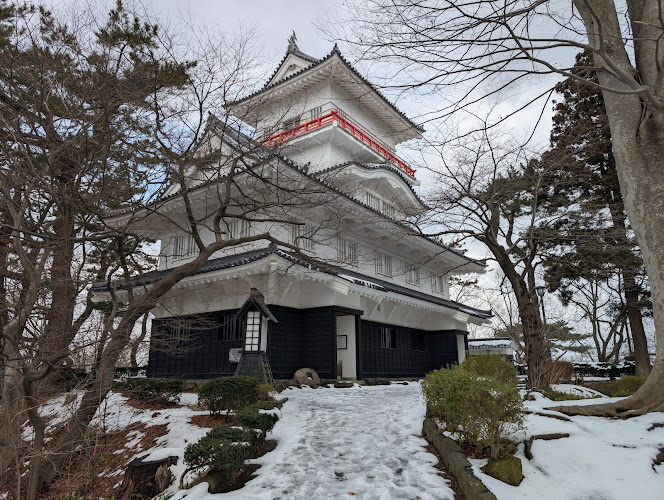
Turret of Kubota Castle

Kogetsu Pond
Find Accommodations Nearby
Recommended Tours & Activities
Visitor Reviews
There are no reviews yet. Be the first one to write one.
Share Your Experience
Have you visited Sekimachiushiro Arayamachi? Help other travelers by leaving a review.