
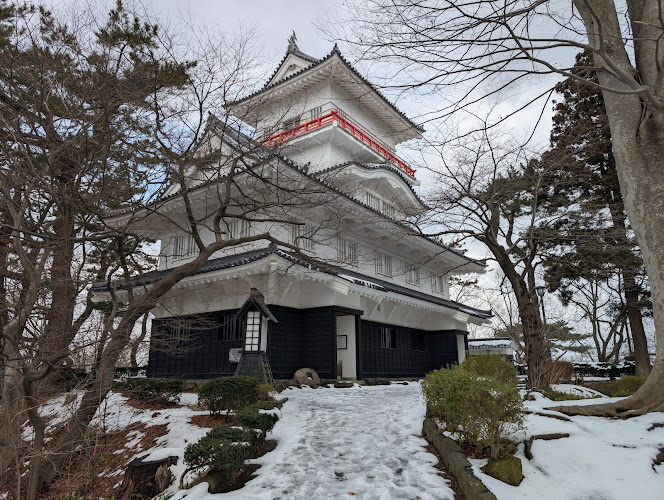
Turret of Kubota Castle
About Turret of Kubota Castle
Description
The Turret of Kubota Castle stands quietly in Senshu Park, right in the heart of Akita City. It’s not massive or overly grand like Osaka or Himeji, but that’s exactly what makes it special. There’s an understated charm here—a sense of calm that feels almost personal. The turret, a reconstructed part of the original Kubota Castle, offers travelers a glimpse into Akita’s feudal past without overwhelming them with crowds or commercial noise. It’s the kind of place where you can actually hear the wind rustling through the trees while imagining the samurai who once walked these grounds.
Kubota Castle was originally built in 1603 by Satake Yoshinobu, the first lord of the Kubota Domain, after he was relocated from Hitachi following the Battle of Sekigahara. The Satake clan ruled this region for over 260 years, shaping the culture and history of northern Dewa Province. The current turret, reconstructed in 1989, was designed to reflect the original architectural style of the Edo period. Inside, it houses a small but fascinating museum that tells the story of the Satake clan and the development of Akita through old maps, weapons, armor, and documents.
What I personally love about visiting the Turret of Kubota Castle is how it doesn’t try too hard. It’s not a flashy tourist trap—it’s more like a quiet conversation with history. You can climb up to the observation deck and look out over the city and the park below. The view isn’t just beautiful; it’s grounding. You see modern Akita stretching out beyond the moat, yet you can still sense the layers of history beneath it all.
The atmosphere changes with the seasons, too. In spring, cherry blossoms frame the turret in soft pink clouds. Summer brings lush greenery and the hum of cicadas. Autumn paints the park in fiery reds and golds, while winter wraps the whole scene in a blanket of snow—like a postcard from another time. There’s something poetic about standing in that turret, watching the seasons shift over a city that’s been standing for centuries.
Key Features
- Historical reconstruction: The turret faithfully recreates the architectural details of the Edo-period Kubota Castle, offering insight into samurai-era design and craftsmanship.
- Observation deck: A panoramic view of Akita City and Senshu Park can be enjoyed from the top floor—especially stunning during cherry blossom season.
- Exhibition rooms: Displays include samurai armor, historical documents, and artifacts related to the Satake clan and the castle’s history.
- Family-friendly environment: The site is great for kids, with easy paths, open lawns, and interactive exhibits that make history accessible.
- Modern conveniences: Visitors can pay using credit cards, debit cards, NFC mobile payments, and Rakuten Pay, making transactions smooth and easy.
- Peaceful setting: Located within Senshu Park, the turret is surrounded by nature, ponds, and walking paths that invite quiet reflection.
And honestly, that last point might be the one that sticks with you the most. The turret isn’t just a photo spot—it’s a place to slow down. You might find yourself sitting on a bench nearby, sipping a vending machine coffee, and thinking about how life must’ve felt here centuries ago. That’s the kind of travel moment that doesn’t show up on postcards but stays with you long after you’ve gone home.
Best Time to Visit
Timing makes all the difference at Kubota Castle’s turret. If you’re a fan of cherry blossoms, aim for early to mid-April when Senshu Park transforms into a sea of pink petals. The view from the observation deck during hanami season is one of the best in Akita—especially at sunset when the light hits the petals just right. Summer is lush and green, though it can get humid, so bring water and maybe a small towel (trust me, you’ll thank yourself later).
Autumn, though, is my personal favorite. The park bursts into color, and the air carries that crisp, earthy smell of fallen leaves. It’s quieter then, too—fewer crowds, more space to wander and think. Winter has its own magic. The turret dusted with snow, the moat frozen over, and the whole park hushed under the weight of the season—it’s hauntingly beautiful. Just bundle up, because Akita winters don’t play around.
How to Get There
Reaching the Turret of Kubota Castle is refreshingly simple. It’s located within walking distance from Akita Station—about 10 minutes on foot. Once you step out of the station, you’ll see signs pointing toward Senshu Park. Follow them, and before long, you’ll find yourself at the entrance surrounded by tall trees and the faint sound of water trickling through the moat.
If you’re traveling from further away, Akita Station is accessible via the Akita Shinkansen from Tokyo, which takes roughly four hours. Local buses and taxis are also available if you prefer not to walk, but honestly, the stroll through the park is part of the experience. You’ll pass by ponds, bridges, and maybe even a few friendly locals out for a jog or a morning walk. And if you’re driving, there are parking areas nearby—just keep in mind that they can fill up quickly during cherry blossom season.
Tips for Visiting
Here’s where a few insider tips can make your visit smoother (and more enjoyable). First off, wear comfortable shoes. The paths around Senshu Park are mostly even, but you’ll still do a bit of walking and some stair climbing inside the turret. If you’re visiting in summer, bring insect repellent—mosquitoes love the shaded areas near the moat. And if you’re coming in winter, watch your step; the paths can get icy.
The turret itself doesn’t take long to explore—maybe 30 minutes if you move slowly—but don’t rush it. Take your time reading the exhibits and soaking in the views. There’s a small souvenir shop near the entrance where you can pick up local crafts or snacks (Akita rice crackers are a solid choice). Photography is allowed, so bring your camera or phone, but remember to be respectful if others are trying to enjoy the quiet.
One thing I always tell people: go early. Mornings are calm, the light is soft, and you’ll often have the observation deck nearly to yourself. It’s the best time to take photos without crowds and to really feel the serenity of the place. If you can, plan your visit on a weekday—weekends can get busier, especially during festivals.
And here’s a little personal note—after visiting the turret, take a slow walk around Senshu Park. There’s a small pond with koi fish, a few shrines tucked among the trees, and plenty of benches where you can just sit and breathe. Grab some coffee or tea from a nearby café and let yourself linger. That’s the beauty of this place—it invites you to pause, to look around, and to feel connected to something quietly enduring.
Whether you’re a history buff, a casual traveler, or just someone who loves discovering places that feel authentic, the Turret of Kubota Castle deserves a spot on your itinerary. It’s not grandiose, but it’s real. It’s a piece of Akita’s soul wrapped in wood and stone, standing as a reminder of how the past still whispers through the present. And when you stand at the top, looking out over the city, you’ll understand why so many people—locals and travelers alike—keep coming back.
Key Features
- Key Features
- Best Time to Visit
- How to Get There
- Tips for Visiting
More Details
Updated November 9, 2025
Table of Contents
Description
The Turret of Kubota Castle stands quietly in Senshu Park, right in the heart of Akita City. It’s not massive or overly grand like Osaka or Himeji, but that’s exactly what makes it special. There’s an understated charm here—a sense of calm that feels almost personal. The turret, a reconstructed part of the original Kubota Castle, offers travelers a glimpse into Akita’s feudal past without overwhelming them with crowds or commercial noise. It’s the kind of place where you can actually hear the wind rustling through the trees while imagining the samurai who once walked these grounds.
Kubota Castle was originally built in 1603 by Satake Yoshinobu, the first lord of the Kubota Domain, after he was relocated from Hitachi following the Battle of Sekigahara. The Satake clan ruled this region for over 260 years, shaping the culture and history of northern Dewa Province. The current turret, reconstructed in 1989, was designed to reflect the original architectural style of the Edo period. Inside, it houses a small but fascinating museum that tells the story of the Satake clan and the development of Akita through old maps, weapons, armor, and documents.
What I personally love about visiting the Turret of Kubota Castle is how it doesn’t try too hard. It’s not a flashy tourist trap—it’s more like a quiet conversation with history. You can climb up to the observation deck and look out over the city and the park below. The view isn’t just beautiful; it’s grounding. You see modern Akita stretching out beyond the moat, yet you can still sense the layers of history beneath it all.
The atmosphere changes with the seasons, too. In spring, cherry blossoms frame the turret in soft pink clouds. Summer brings lush greenery and the hum of cicadas. Autumn paints the park in fiery reds and golds, while winter wraps the whole scene in a blanket of snow—like a postcard from another time. There’s something poetic about standing in that turret, watching the seasons shift over a city that’s been standing for centuries.
Key Features
- Historical reconstruction: The turret faithfully recreates the architectural details of the Edo-period Kubota Castle, offering insight into samurai-era design and craftsmanship.
- Observation deck: A panoramic view of Akita City and Senshu Park can be enjoyed from the top floor—especially stunning during cherry blossom season.
- Exhibition rooms: Displays include samurai armor, historical documents, and artifacts related to the Satake clan and the castle’s history.
- Family-friendly environment: The site is great for kids, with easy paths, open lawns, and interactive exhibits that make history accessible.
- Modern conveniences: Visitors can pay using credit cards, debit cards, NFC mobile payments, and Rakuten Pay, making transactions smooth and easy.
- Peaceful setting: Located within Senshu Park, the turret is surrounded by nature, ponds, and walking paths that invite quiet reflection.
And honestly, that last point might be the one that sticks with you the most. The turret isn’t just a photo spot—it’s a place to slow down. You might find yourself sitting on a bench nearby, sipping a vending machine coffee, and thinking about how life must’ve felt here centuries ago. That’s the kind of travel moment that doesn’t show up on postcards but stays with you long after you’ve gone home.
Best Time to Visit
Timing makes all the difference at Kubota Castle’s turret. If you’re a fan of cherry blossoms, aim for early to mid-April when Senshu Park transforms into a sea of pink petals. The view from the observation deck during hanami season is one of the best in Akita—especially at sunset when the light hits the petals just right. Summer is lush and green, though it can get humid, so bring water and maybe a small towel (trust me, you’ll thank yourself later).
Autumn, though, is my personal favorite. The park bursts into color, and the air carries that crisp, earthy smell of fallen leaves. It’s quieter then, too—fewer crowds, more space to wander and think. Winter has its own magic. The turret dusted with snow, the moat frozen over, and the whole park hushed under the weight of the season—it’s hauntingly beautiful. Just bundle up, because Akita winters don’t play around.
How to Get There
Reaching the Turret of Kubota Castle is refreshingly simple. It’s located within walking distance from Akita Station—about 10 minutes on foot. Once you step out of the station, you’ll see signs pointing toward Senshu Park. Follow them, and before long, you’ll find yourself at the entrance surrounded by tall trees and the faint sound of water trickling through the moat.
If you’re traveling from further away, Akita Station is accessible via the Akita Shinkansen from Tokyo, which takes roughly four hours. Local buses and taxis are also available if you prefer not to walk, but honestly, the stroll through the park is part of the experience. You’ll pass by ponds, bridges, and maybe even a few friendly locals out for a jog or a morning walk. And if you’re driving, there are parking areas nearby—just keep in mind that they can fill up quickly during cherry blossom season.
Tips for Visiting
Here’s where a few insider tips can make your visit smoother (and more enjoyable). First off, wear comfortable shoes. The paths around Senshu Park are mostly even, but you’ll still do a bit of walking and some stair climbing inside the turret. If you’re visiting in summer, bring insect repellent—mosquitoes love the shaded areas near the moat. And if you’re coming in winter, watch your step; the paths can get icy.
The turret itself doesn’t take long to explore—maybe 30 minutes if you move slowly—but don’t rush it. Take your time reading the exhibits and soaking in the views. There’s a small souvenir shop near the entrance where you can pick up local crafts or snacks (Akita rice crackers are a solid choice). Photography is allowed, so bring your camera or phone, but remember to be respectful if others are trying to enjoy the quiet.
One thing I always tell people: go early. Mornings are calm, the light is soft, and you’ll often have the observation deck nearly to yourself. It’s the best time to take photos without crowds and to really feel the serenity of the place. If you can, plan your visit on a weekday—weekends can get busier, especially during festivals.
And here’s a little personal note—after visiting the turret, take a slow walk around Senshu Park. There’s a small pond with koi fish, a few shrines tucked among the trees, and plenty of benches where you can just sit and breathe. Grab some coffee or tea from a nearby café and let yourself linger. That’s the beauty of this place—it invites you to pause, to look around, and to feel connected to something quietly enduring.
Whether you’re a history buff, a casual traveler, or just someone who loves discovering places that feel authentic, the Turret of Kubota Castle deserves a spot on your itinerary. It’s not grandiose, but it’s real. It’s a piece of Akita’s soul wrapped in wood and stone, standing as a reminder of how the past still whispers through the present. And when you stand at the top, looking out over the city, you’ll understand why so many people—locals and travelers alike—keep coming back.
Key Highlights
- Key Features
- Best Time to Visit
- How to Get There
- Tips for Visiting
Location
Places to Stay Near Turret of Kubota Castle
Find and Book a Tour
Explore More Travel Guides
No reviews found! Be the first to review!
Traveler Reviews for Turret of Kubota Castle
There are no reviews yet. Be the first one to write one.
Have you visited Turret of Kubota Castle? Help other travelers by sharing your review.
You Might Also Like
Sekimachiushiro Arayamachi
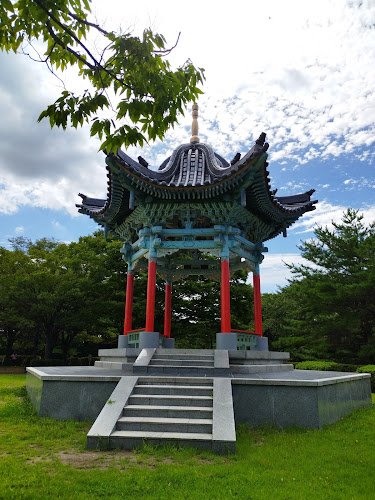
Hitotsumori Park
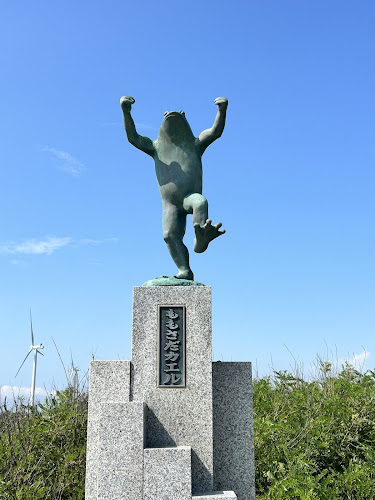
Araya Seaside Park
Find Accommodations Nearby
Recommended Tours & Activities
Visitor Reviews
There are no reviews yet. Be the first one to write one.
Share Your Experience
Have you visited Turret of Kubota Castle? Help other travelers by leaving a review.