
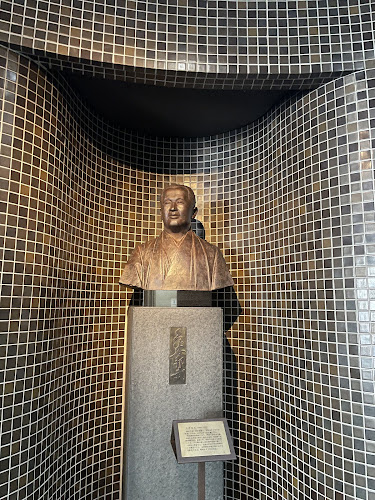
Kume Museum of Art
About Kume Museum of Art
Description
The Kume Museum of Art sits quietly in Shinagawa City, Tokyo, and it has a personality that rewards slow curiosity. The museum focuses on paintings and Japanese art, bridging older techniques and more recent contemporary approaches in ways that feel thoughtful rather than showy. Visitors will find rooms of measured scale — galleries that encourage close looking, low hums of conversation, the occasional click of a camera where photography is permitted. It is one of those small- to mid-sized museums in Tokyo that rewards people who like to linger; not a blockbuster palace, but a place with character and depth.
The collection leans into painting as a medium: traditional brushwork, ink pieces, and more recent canvases from contemporary artists who are in dialogue with Japanese aesthetics. The curators often create exhibitions that pair historic works with modern responses, which helps tell stories about continuity and change in Japanese art. And that pairing is where the museum shines — it’s easy to leave with new ways of seeing familiar motifs like landscapes, seasonal subjects, and portraiture.
Practical stuff first, because no one likes surprises: the Kume Museum of Art provides wheelchair accessible entrance and accessible restrooms, so visitors with mobility needs can expect basic physical access. There is a public restroom on site, though there is no restaurant inside the museum — plan to grab a bite nearby before or after your visit. The building’s scale means the atmosphere is quieter and more intimate than major Tokyo museums, so if you prefer reflective spaces you’ll appreciate the pace. If you prefer loud, crowded spectacle, then maybe this one won’t be your jam.
One of the best things about the museum is the way exhibitions are arranged. The gallery spaces are often compact but cleverly lit, with artworks given room to breathe. Lighting tends to favor natural color tones and the walls are neutral — an understated backdrop that puts a premium on the works themselves. And because the museum isn’t a tourist magnet on the scale of larger institutions, visitors will often find themselves practically alone in a room with a painting. That quiet intimacy makes it easier to notice details: a brushstroke that alters a horizon, a subtle layering of pigment, or a signature technique that speaks to a specific regional school of painting.
Another small but real advantage: the staff are approachable. Not theatrical docents, but helpful and willing to point out the eye-catching works or to explain the current show’s concept. A frequent visitor once noted how a staff member described the provenance of a particular hanging scroll in a way that made the piece suddenly click — contextual details that a label alone might not convey. Those moments are small but memorable.
The museum’s programming tends to favor focused temporary exhibitions and curated rotations rather than an unchanging permanent show. That means repeat visits can be genuinely rewarding because the experience changes across months and seasons. Visitors interested in contemporary Japanese artists will find occasional shows that introduce new names or present younger creators working with paint, mixed media, or reinterpretations of traditional forms. For travelers curious about Tokyo’s art ecology beyond the obvious hotspots, Kume Museum of Art is a neat little stop that offers perspective on both tradition and modern practice.
Location-wise, it sits in Shinagawa City, which is convenient for many travelers. Shinagawa station is a major hub, so reaching the museum is straightforward if one is already navigating Tokyo by rail. The surrounding neighborhood mixes everyday Tokyo life with pockets of culture — cafés, small galleries, and shops. It’s a good place to combine an art visit with a relaxed stroll, an errand, or a meal in a nearby diner. For people who like to balance museum time with wandering around a neighborhood, this works well.
Expect a moderately paced visit. Many people spend 45 minutes to 90 minutes inside, depending on the exhibition and their interest in painting. If someone wants to take notes, sketch, or work on a little visual study, the museum’s calm environment is welcoming. But note that large backpacks or bulky luggage will likely be discouraged; light travel is better. Also, the museum enforces sensible photography rules — sometimes limited or prohibited in certain galleries — so it’s best to check on arrival or ask staff if in doubt.
One little secret visitors often appreciate: because the museum doesn’t try to be everything at once, you get a clearer sense of the curator’s voice. Shows feel curated, intentional. That can be unexpectedly refreshing after a day of blockbuster exhibitions full of numbers and crowds. On the other hand, the compact size means facilities are limited, so manage expectations about extras like cafés, sprawling shops, or large educational centers. If you need those, plan to find them elsewhere in Shinagawa.
Accessibility and practical amenities make it realistic for a wide range of travelers: wheelchair accessible entrance and restroom, clear gallery circulation, and staff who can offer directions. But bring your own snacks or plan meal stops around your visit because there is no restaurant inside. Also, seasonal considerations matter — the museum often updates exhibitions in sync with cultural moments in Tokyo, so timing a visit to catch a special show can be rewarding.
All told, the Kume Museum of Art is a quietly satisfying stop for travelers who appreciate painting, careful curation, and an environment that invites looking rather than rushing. The experience is personal rather than theatrical, the galleries invite thought rather than spectacle, and the neighborhood offers enough nearby options to round out a pleasant cultural afternoon. For someone who likes their museum visits a bit like a conversation — patient, attentive, and occasionally surprising — this museum delivers.
Key Features
More Details
Updated August 29, 2025
Table of Contents
Description
The Kume Museum of Art sits quietly in Shinagawa City, Tokyo, and it has a personality that rewards slow curiosity. The museum focuses on paintings and Japanese art, bridging older techniques and more recent contemporary approaches in ways that feel thoughtful rather than showy. Visitors will find rooms of measured scale — galleries that encourage close looking, low hums of conversation, the occasional click of a camera where photography is permitted. It is one of those small- to mid-sized museums in Tokyo that rewards people who like to linger; not a blockbuster palace, but a place with character and depth.
The collection leans into painting as a medium: traditional brushwork, ink pieces, and more recent canvases from contemporary artists who are in dialogue with Japanese aesthetics. The curators often create exhibitions that pair historic works with modern responses, which helps tell stories about continuity and change in Japanese art. And that pairing is where the museum shines — it’s easy to leave with new ways of seeing familiar motifs like landscapes, seasonal subjects, and portraiture.
Practical stuff first, because no one likes surprises: the Kume Museum of Art provides wheelchair accessible entrance and accessible restrooms, so visitors with mobility needs can expect basic physical access. There is a public restroom on site, though there is no restaurant inside the museum — plan to grab a bite nearby before or after your visit. The building’s scale means the atmosphere is quieter and more intimate than major Tokyo museums, so if you prefer reflective spaces you’ll appreciate the pace. If you prefer loud, crowded spectacle, then maybe this one won’t be your jam.
One of the best things about the museum is the way exhibitions are arranged. The gallery spaces are often compact but cleverly lit, with artworks given room to breathe. Lighting tends to favor natural color tones and the walls are neutral — an understated backdrop that puts a premium on the works themselves. And because the museum isn’t a tourist magnet on the scale of larger institutions, visitors will often find themselves practically alone in a room with a painting. That quiet intimacy makes it easier to notice details: a brushstroke that alters a horizon, a subtle layering of pigment, or a signature technique that speaks to a specific regional school of painting.
Another small but real advantage: the staff are approachable. Not theatrical docents, but helpful and willing to point out the eye-catching works or to explain the current show’s concept. A frequent visitor once noted how a staff member described the provenance of a particular hanging scroll in a way that made the piece suddenly click — contextual details that a label alone might not convey. Those moments are small but memorable.
The museum’s programming tends to favor focused temporary exhibitions and curated rotations rather than an unchanging permanent show. That means repeat visits can be genuinely rewarding because the experience changes across months and seasons. Visitors interested in contemporary Japanese artists will find occasional shows that introduce new names or present younger creators working with paint, mixed media, or reinterpretations of traditional forms. For travelers curious about Tokyo’s art ecology beyond the obvious hotspots, Kume Museum of Art is a neat little stop that offers perspective on both tradition and modern practice.
Location-wise, it sits in Shinagawa City, which is convenient for many travelers. Shinagawa station is a major hub, so reaching the museum is straightforward if one is already navigating Tokyo by rail. The surrounding neighborhood mixes everyday Tokyo life with pockets of culture — cafés, small galleries, and shops. It’s a good place to combine an art visit with a relaxed stroll, an errand, or a meal in a nearby diner. For people who like to balance museum time with wandering around a neighborhood, this works well.
Expect a moderately paced visit. Many people spend 45 minutes to 90 minutes inside, depending on the exhibition and their interest in painting. If someone wants to take notes, sketch, or work on a little visual study, the museum’s calm environment is welcoming. But note that large backpacks or bulky luggage will likely be discouraged; light travel is better. Also, the museum enforces sensible photography rules — sometimes limited or prohibited in certain galleries — so it’s best to check on arrival or ask staff if in doubt.
One little secret visitors often appreciate: because the museum doesn’t try to be everything at once, you get a clearer sense of the curator’s voice. Shows feel curated, intentional. That can be unexpectedly refreshing after a day of blockbuster exhibitions full of numbers and crowds. On the other hand, the compact size means facilities are limited, so manage expectations about extras like cafés, sprawling shops, or large educational centers. If you need those, plan to find them elsewhere in Shinagawa.
Accessibility and practical amenities make it realistic for a wide range of travelers: wheelchair accessible entrance and restroom, clear gallery circulation, and staff who can offer directions. But bring your own snacks or plan meal stops around your visit because there is no restaurant inside. Also, seasonal considerations matter — the museum often updates exhibitions in sync with cultural moments in Tokyo, so timing a visit to catch a special show can be rewarding.
All told, the Kume Museum of Art is a quietly satisfying stop for travelers who appreciate painting, careful curation, and an environment that invites looking rather than rushing. The experience is personal rather than theatrical, the galleries invite thought rather than spectacle, and the neighborhood offers enough nearby options to round out a pleasant cultural afternoon. For someone who likes their museum visits a bit like a conversation — patient, attentive, and occasionally surprising — this museum delivers.
Key Highlights
Kume Museum of Art
Location
Places to Stay Near Kume Museum of Art
Find and Book a Tour
Explore More Travel Guides
No reviews found! Be the first to review!
Traveler Reviews for Kume Museum of Art
There are no reviews yet. Be the first one to write one.
Have you visited Kume Museum of Art? Help other travelers by sharing your review.
You Might Also Like
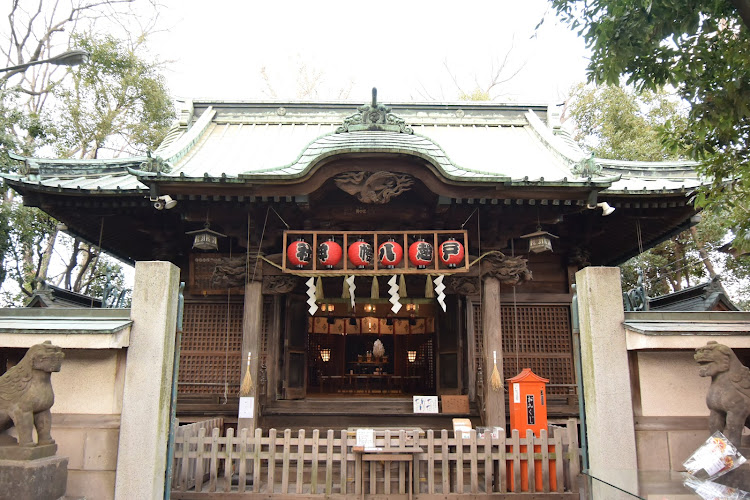
Togoshi Hachiman Shrine

The Museum of Package Culture

Yōganji Temple
Find Accommodations Nearby
Recommended Tours & Activities
Visitor Reviews
There are no reviews yet. Be the first one to write one.
Share Your Experience
Have you visited Kume Museum of Art? Help other travelers by leaving a review.