

Shide Shrine
About Shide Shrine
Description
Shide Shrine, tucked quietly in Yokkaichi, Mie Prefecture, is one of those places that doesn’t shout for attention but somehow lingers in your memory long after you’ve left. It’s a Shinto shrine dedicated to Inari, the deity of prosperity, rice, and good fortune. And like many Inari shrines across Japan, you’ll spot those familiar fox statues—guardians of the sacred grounds—each with its own weathered charm. There’s an understated beauty here, the kind that grows on you the longer you wander around the grounds.
The shrine’s name, “Shide,” refers to the zigzag-shaped paper streamers often seen in Shinto rituals—symbols marking the boundary between the sacred and the everyday world. You’ll see them fluttering gently in the breeze, attached to ropes and gateways, giving the whole place a subtle sense of purity and reverence. It’s not a large shrine, but that’s part of its appeal. It feels intimate, almost personal, like a quiet conversation between you and something ancient.
What struck me most when I first came here wasn’t any grand architectural feature—it was the stillness. The kind of silence that has texture, if that makes sense. You hear the crunch of gravel underfoot, the rustle of leaves, maybe a faint bell from a nearby hall. It’s a place that reminds you to slow down. And while it doesn’t draw massive tourist crowds, that’s exactly what makes it special. Locals come to offer prayers, tie wishes, and greet the fox guardians with a respectful nod. There’s something deeply grounding about that.
Though the facilities are modest, you’ll find clean restrooms and a few shaded spots to rest. The shrine isn’t wheelchair accessible, which can be a challenge for some visitors, but the pathways are well-kept and easy enough for most travelers. What it lacks in modern amenities, it more than makes up for in authenticity and atmosphere. It’s the kind of place where you can feel the layers of history in the air—quiet, humble, and deeply spiritual.
If you’re the type who appreciates places off the beaten path, Shide Shrine will likely charm you. It’s not flashy or overly polished, but it’s real. You can sense the care of generations who’ve tended it, the prayers whispered over centuries, and the quiet persistence of tradition. There’s a warmth here that doesn’t need to be announced—it’s just felt.
Key Features
- Dedicated to Inari, the kami of prosperity and agriculture, symbolized by fox statues throughout the shrine grounds.
- Features traditional shide paper streamers used in Shinto rituals to signify sacred boundaries.
- Compact, peaceful grounds ideal for reflection and prayer rather than sightseeing crowds.
- Clean restrooms available for visitors, though other amenities are minimal.
- Rich cultural symbolism with torii gates, ema (wooden prayer plaques), and omikuji (fortune slips).
- Frequented by locals, offering an authentic glimpse into everyday Shinto practice.
- Subtle seasonal beauty—cherry blossoms in spring, golden leaves in autumn, and soft snow in winter.
Best Time to Visit
Honestly, there’s no bad time to visit Shide Shrine—it changes character with the seasons. Spring brings a gentle wash of pink as the cherry blossoms bloom around the torii gates, and the air feels alive with renewal. Summer has this lush, almost overgrown green energy, where everything hums quietly with life. Autumn, though, might be my favorite. The maple leaves turn fiery red and orange, and the shrine seems to glow under the afternoon sun. Winter is quieter still, sometimes dusted with snow, giving it a serene, almost ethereal look.
If you prefer a calm visit, early mornings or late afternoons are perfect. The light filters through the trees in a way that makes the shrine feel timeless. And if you’re lucky enough to visit during a local festival, you’ll catch the community spirit that keeps this place alive—small processions, offerings, and maybe even a few food stalls nearby. Just be sure to check the local calendar if you want to experience that side of it.
How to Get There
Getting to Shide Shrine is fairly straightforward if you’re already in Yokkaichi or passing through Mie Prefecture. The most convenient way is by train, with several local stations nearby that connect to major lines from Nagoya or Osaka. From the nearest station, it’s a short taxi ride or a pleasant walk through quiet residential streets—nothing too strenuous, though you might want comfortable shoes.
If you’re driving, there’s limited parking nearby, so arriving early is a smart move, especially on weekends or festival days. The route is well-signposted, and the surrounding area offers a few small shops and cafés where you can grab a quick snack or a cup of green tea before heading in. Public buses also run in the area, though service can be infrequent depending on the time of day.
For those who enjoy wandering, the approach to the shrine itself is part of the experience. The path winds gently, lined with trees and small stone lanterns. It’s not a long walk, but it sets the tone—like a quiet prelude to the spiritual calm that awaits beyond the torii gate.
Tips for Visiting
A few things I wish someone had told me before my first visit: bring a small offering if you plan to pray—coins work fine, but it’s the gesture that counts. When you bow at the torii gate, take a moment to clear your mind; it really does make a difference in how you experience the place. And don’t rush. This isn’t a shrine you “see” so much as one you quietly feel your way through.
Photography is usually allowed, but be respectful—avoid snapping pictures during ceremonies or when locals are praying. The fox statues make for great photos, though, especially with the soft light filtering through the trees. If you’re visiting in summer, bug spray is your best friend (trust me on that one). And if you come in winter, bundle up—the breeze can be surprisingly sharp.
There’s a small shop near the entrance where you can buy omamori (protective charms) and ema plaques to write your wishes. I still have one hanging by my desk from a visit a few years ago—it’s a little reminder of that quiet day and the sense of peace I found there.
Above all, go with an open heart. Shide Shrine isn’t about spectacle—it’s about connection. The kind that sneaks up on you when you least expect it. Whether you’re a seasoned traveler chasing cultural depth or just someone looking for a moment of stillness in a busy world, this little shrine in Yokkaichi might surprise you. It’s not grand, but it’s genuine. And sometimes, that’s exactly what we need.
Key Features
- Dedicated to Inari, the kami of prosperity and agriculture, symbolized by fox statues throughout the shrine grounds.
- Features traditional shide paper streamers used in Shinto rituals to signify sacred boundaries.
- Compact, peaceful grounds ideal for reflection and prayer rather than sightseeing crowds.
- Clean restrooms available for visitors, though other amenities are minimal.
- Rich cultural symbolism with torii gates, ema (wooden prayer plaques), and omikuji (fortune slips).
- Frequented by locals, offering an authentic glimpse into everyday Shinto practice.
- Subtle seasonal beauty—cherry blossoms in spring, golden leaves in autumn, and soft snow in winter.
More Details
Updated November 30, 2025
Table of Contents
Description
Shide Shrine, tucked quietly in Yokkaichi, Mie Prefecture, is one of those places that doesn’t shout for attention but somehow lingers in your memory long after you’ve left. It’s a Shinto shrine dedicated to Inari, the deity of prosperity, rice, and good fortune. And like many Inari shrines across Japan, you’ll spot those familiar fox statues—guardians of the sacred grounds—each with its own weathered charm. There’s an understated beauty here, the kind that grows on you the longer you wander around the grounds.
The shrine’s name, “Shide,” refers to the zigzag-shaped paper streamers often seen in Shinto rituals—symbols marking the boundary between the sacred and the everyday world. You’ll see them fluttering gently in the breeze, attached to ropes and gateways, giving the whole place a subtle sense of purity and reverence. It’s not a large shrine, but that’s part of its appeal. It feels intimate, almost personal, like a quiet conversation between you and something ancient.
What struck me most when I first came here wasn’t any grand architectural feature—it was the stillness. The kind of silence that has texture, if that makes sense. You hear the crunch of gravel underfoot, the rustle of leaves, maybe a faint bell from a nearby hall. It’s a place that reminds you to slow down. And while it doesn’t draw massive tourist crowds, that’s exactly what makes it special. Locals come to offer prayers, tie wishes, and greet the fox guardians with a respectful nod. There’s something deeply grounding about that.
Though the facilities are modest, you’ll find clean restrooms and a few shaded spots to rest. The shrine isn’t wheelchair accessible, which can be a challenge for some visitors, but the pathways are well-kept and easy enough for most travelers. What it lacks in modern amenities, it more than makes up for in authenticity and atmosphere. It’s the kind of place where you can feel the layers of history in the air—quiet, humble, and deeply spiritual.
If you’re the type who appreciates places off the beaten path, Shide Shrine will likely charm you. It’s not flashy or overly polished, but it’s real. You can sense the care of generations who’ve tended it, the prayers whispered over centuries, and the quiet persistence of tradition. There’s a warmth here that doesn’t need to be announced—it’s just felt.
Key Features
- Dedicated to Inari, the kami of prosperity and agriculture, symbolized by fox statues throughout the shrine grounds.
- Features traditional shide paper streamers used in Shinto rituals to signify sacred boundaries.
- Compact, peaceful grounds ideal for reflection and prayer rather than sightseeing crowds.
- Clean restrooms available for visitors, though other amenities are minimal.
- Rich cultural symbolism with torii gates, ema (wooden prayer plaques), and omikuji (fortune slips).
- Frequented by locals, offering an authentic glimpse into everyday Shinto practice.
- Subtle seasonal beauty—cherry blossoms in spring, golden leaves in autumn, and soft snow in winter.
Best Time to Visit
Honestly, there’s no bad time to visit Shide Shrine—it changes character with the seasons. Spring brings a gentle wash of pink as the cherry blossoms bloom around the torii gates, and the air feels alive with renewal. Summer has this lush, almost overgrown green energy, where everything hums quietly with life. Autumn, though, might be my favorite. The maple leaves turn fiery red and orange, and the shrine seems to glow under the afternoon sun. Winter is quieter still, sometimes dusted with snow, giving it a serene, almost ethereal look.
If you prefer a calm visit, early mornings or late afternoons are perfect. The light filters through the trees in a way that makes the shrine feel timeless. And if you’re lucky enough to visit during a local festival, you’ll catch the community spirit that keeps this place alive—small processions, offerings, and maybe even a few food stalls nearby. Just be sure to check the local calendar if you want to experience that side of it.
How to Get There
Getting to Shide Shrine is fairly straightforward if you’re already in Yokkaichi or passing through Mie Prefecture. The most convenient way is by train, with several local stations nearby that connect to major lines from Nagoya or Osaka. From the nearest station, it’s a short taxi ride or a pleasant walk through quiet residential streets—nothing too strenuous, though you might want comfortable shoes.
If you’re driving, there’s limited parking nearby, so arriving early is a smart move, especially on weekends or festival days. The route is well-signposted, and the surrounding area offers a few small shops and cafés where you can grab a quick snack or a cup of green tea before heading in. Public buses also run in the area, though service can be infrequent depending on the time of day.
For those who enjoy wandering, the approach to the shrine itself is part of the experience. The path winds gently, lined with trees and small stone lanterns. It’s not a long walk, but it sets the tone—like a quiet prelude to the spiritual calm that awaits beyond the torii gate.
Tips for Visiting
A few things I wish someone had told me before my first visit: bring a small offering if you plan to pray—coins work fine, but it’s the gesture that counts. When you bow at the torii gate, take a moment to clear your mind; it really does make a difference in how you experience the place. And don’t rush. This isn’t a shrine you “see” so much as one you quietly feel your way through.
Photography is usually allowed, but be respectful—avoid snapping pictures during ceremonies or when locals are praying. The fox statues make for great photos, though, especially with the soft light filtering through the trees. If you’re visiting in summer, bug spray is your best friend (trust me on that one). And if you come in winter, bundle up—the breeze can be surprisingly sharp.
There’s a small shop near the entrance where you can buy omamori (protective charms) and ema plaques to write your wishes. I still have one hanging by my desk from a visit a few years ago—it’s a little reminder of that quiet day and the sense of peace I found there.
Above all, go with an open heart. Shide Shrine isn’t about spectacle—it’s about connection. The kind that sneaks up on you when you least expect it. Whether you’re a seasoned traveler chasing cultural depth or just someone looking for a moment of stillness in a busy world, this little shrine in Yokkaichi might surprise you. It’s not grand, but it’s genuine. And sometimes, that’s exactly what we need.
Key Highlights
- Dedicated to Inari, the kami of prosperity and agriculture, symbolized by fox statues throughout the shrine grounds.
- Features traditional shide paper streamers used in Shinto rituals to signify sacred boundaries.
- Compact, peaceful grounds ideal for reflection and prayer rather than sightseeing crowds.
- Clean restrooms available for visitors, though other amenities are minimal.
- Rich cultural symbolism with torii gates, ema (wooden prayer plaques), and omikuji (fortune slips).
- Frequented by locals, offering an authentic glimpse into everyday Shinto practice.
- Subtle seasonal beauty—cherry blossoms in spring, golden leaves in autumn, and soft snow in winter.
Location
Places to Stay Near Shide Shrine
Find and Book a Tour
Explore More Travel Guides
No reviews found! Be the first to review!
Traveler Reviews for Shide Shrine
There are no reviews yet. Be the first one to write one.
Have you visited Shide Shrine? Help other travelers by sharing your review.
You Might Also Like

Yokkaichi Dome
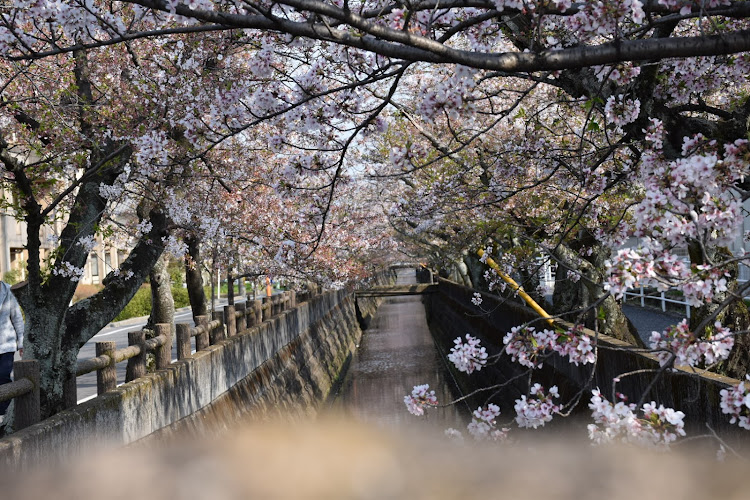
Tomida
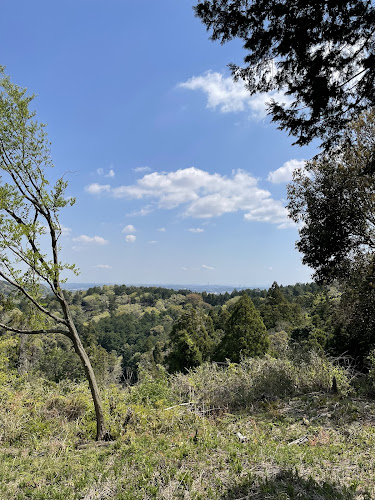
アスレチック
Find Accommodations Nearby
Recommended Tours & Activities
Visitor Reviews
There are no reviews yet. Be the first one to write one.
Share Your Experience
Have you visited Shide Shrine? Help other travelers by leaving a review.