
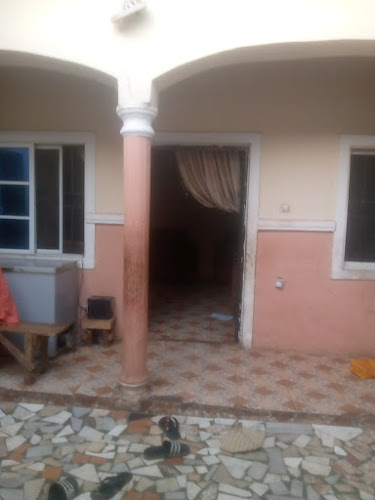
Kerau Izala Mosque Katsina
About Kerau Izala Mosque Katsina
Description
Kerau Izala Mosque in Katsina is one of those places that quietly commands respect. It’s not the kind of mosque that shouts for attention with extravagant design or massive domes, but rather one that draws people in with its calm presence and sense of community. The mosque stands as a reflection of faith and daily life in Katsina—a city deeply rooted in Islamic scholarship and tradition. For travelers, it’s a place where you can feel the rhythm of local devotion and witness a slice of northern Nigerian culture up close.
The mosque’s architecture is modest but meaningful. The structure is built with a simple yet elegant design that prioritizes function and comfort, especially for worshippers who come in large numbers during prayer times. The walls seem to hold stories—of generations who have prayed, studied, and gathered here. And while it may not be centuries old like the famous Gobarau Minaret, it carries its own modern charm and importance within the community.
What I personally find touching about Kerau Izala Mosque is how inclusive it feels. There’s a sense of openness here—literally and figuratively. The entrance and parking area are wheelchair accessible, which isn’t something you find everywhere in older mosques across Nigeria. It’s a thoughtful detail that shows how the mosque welcomes everyone, regardless of physical ability. And yes, there are restrooms on-site, which travelers will definitely appreciate, especially after a long drive under the Katsina sun.
The atmosphere around the mosque is usually peaceful. During the day, you might see people sitting quietly outside, reading or chatting in low tones. In the evenings, the air fills with the soft hum of prayer and the faint scent of dust and incense. It’s a grounding experience, even for non-Muslim visitors who just want to appreciate the spiritual and cultural heartbeat of the place. I remember the first time I visited—it wasn’t even prayer time, yet the serenity was almost tangible. It reminded me that spirituality doesn’t always shout; sometimes, it whispers.
Key Features
- Simple yet graceful architectural design emphasizing functionality and comfort
- Wheelchair accessible entrance and parking area for inclusive access
- Clean, well-maintained restrooms available for visitors
- Peaceful atmosphere ideal for reflection and cultural observation
- Central location within Katsina, making it easy to combine with nearby attractions
- Active community presence, especially during Friday prayers
- Friendly locals often willing to share insights about the mosque’s history and role
One thing many travelers notice is how the mosque feels alive but never crowded in spirit. Even when the prayer hall fills up, there’s an unspoken order that keeps everything flowing smoothly. The community here has a quiet discipline that’s admirable. You’ll likely be greeted with warm smiles or a polite nod, especially if you show respect for the customs and dress modestly.
Best Time to Visit
If you’re planning a visit, mornings and late afternoons are the most comfortable times. Katsina can get quite hot during the day, and walking around in the midday sun isn’t the best idea unless you’re used to it. The early hours offer a soft golden light that makes the mosque’s exterior glow beautifully—perfect for photography if you’re into that. And if you happen to visit during Ramadan or Eid, you’ll witness the mosque at its most vibrant (in the best sense of the word). The energy, the prayers, the sense of unity—it’s something you won’t forget.
That said, Fridays are particularly special. The Jumu’ah prayer brings together a large congregation, and while it might be busier than usual, it’s also the best time to experience the mosque’s full spirit. Just be mindful of prayer times and avoid wandering into the prayer hall during active worship unless you’re participating.
How to Get There
Reaching Kerau Izala Mosque is relatively straightforward if you’re already in Katsina. The mosque sits within the city area, so most local taxis or motorbikes (known as okadas) can get you there easily. If you’re coming from outside the city, Katsina is accessible by road from Kano or Daura, with well-connected routes. The drive can be long but scenic, especially if you enjoy watching the changing landscapes of northern Nigeria—flat plains, clusters of trees, and the occasional herds of cattle crossing the road.
Public transportation is available, but I’d personally recommend hiring a local driver or using a ride-hailing service if you can find one. It’s not just more convenient; it also gives you the chance to chat with locals who often have fascinating stories about the area. I once had a driver who told me about how the mosque has become a symbol for the younger generation of worshippers—modern, accessible, and deeply connected to community life.
Tips for Visiting
Before you go, there are a few things worth keeping in mind. First off, dress modestly. This isn’t just about respect—it’s about blending in and showing appreciation for local customs. For men, long trousers and a simple shirt work fine. For women, a loose-fitting dress or abaya and a headscarf are ideal. If you’re not sure what’s appropriate, don’t stress—locals are usually kind and understanding if you make an effort.
Photography is another thing to consider. Always ask before taking photos, especially of people or during prayer times. Some mosques are strict about this, while others are more relaxed, but it’s better to err on the side of caution. I once made the mistake of snapping a picture too close to the prayer area in another mosque, and though no one said anything, I could feel the disapproval. Lesson learned.
If you’re visiting during a busy time, like Friday prayers, try to arrive early. Parking can fill up quickly, even though there’s a decent-sized lot. The mosque’s accessible design means it’s easy to move around, but it’s still good to plan ahead. And bring a bottle of water—Katsina’s heat doesn’t play around.
For travelers who enjoy connecting with locals, don’t be shy about striking up a conversation. Many people around the mosque are happy to share insights about its history or discuss broader topics like community projects or education. It’s these small interactions that often make a trip memorable. You might even get invited to share tea afterward—hospitality here runs deep.
Lastly, take a few moments just to sit quietly, maybe under the shade of a nearby tree, and watch the ebb and flow of daily life around the mosque. It’s humbling and grounding at the same time. You’ll see students heading to religious classes, elders greeting each other warmly, and children darting around with carefree laughter. It’s a living, breathing space that tells you more about Katsina’s heart than any guidebook ever could.
Kerau Izala Mosque may not be the most famous landmark in Nigeria, but it’s one of those places that stays with you. It’s a reminder that beauty often lies in simplicity and that community and faith can turn even the quietest corners into something extraordinary. Whether you’re a traveler seeking cultural insight or simply someone who appreciates places with soul, this mosque deserves a spot on your itinerary.
Key Features
- Simple yet graceful architectural design emphasizing functionality and comfort
- Wheelchair accessible entrance and parking area for inclusive access
- Clean, well-maintained restrooms available for visitors
- Peaceful atmosphere ideal for reflection and cultural observation
- Central location within Katsina, making it easy to combine with nearby attractions
- Active community presence, especially during Friday prayers
- Friendly locals often willing to share insights about the mosque’s history and role
More Details
Updated November 30, 2025
Table of Contents
Description
Kerau Izala Mosque in Katsina is one of those places that quietly commands respect. It’s not the kind of mosque that shouts for attention with extravagant design or massive domes, but rather one that draws people in with its calm presence and sense of community. The mosque stands as a reflection of faith and daily life in Katsina—a city deeply rooted in Islamic scholarship and tradition. For travelers, it’s a place where you can feel the rhythm of local devotion and witness a slice of northern Nigerian culture up close.
The mosque’s architecture is modest but meaningful. The structure is built with a simple yet elegant design that prioritizes function and comfort, especially for worshippers who come in large numbers during prayer times. The walls seem to hold stories—of generations who have prayed, studied, and gathered here. And while it may not be centuries old like the famous Gobarau Minaret, it carries its own modern charm and importance within the community.
What I personally find touching about Kerau Izala Mosque is how inclusive it feels. There’s a sense of openness here—literally and figuratively. The entrance and parking area are wheelchair accessible, which isn’t something you find everywhere in older mosques across Nigeria. It’s a thoughtful detail that shows how the mosque welcomes everyone, regardless of physical ability. And yes, there are restrooms on-site, which travelers will definitely appreciate, especially after a long drive under the Katsina sun.
The atmosphere around the mosque is usually peaceful. During the day, you might see people sitting quietly outside, reading or chatting in low tones. In the evenings, the air fills with the soft hum of prayer and the faint scent of dust and incense. It’s a grounding experience, even for non-Muslim visitors who just want to appreciate the spiritual and cultural heartbeat of the place. I remember the first time I visited—it wasn’t even prayer time, yet the serenity was almost tangible. It reminded me that spirituality doesn’t always shout; sometimes, it whispers.
Key Features
- Simple yet graceful architectural design emphasizing functionality and comfort
- Wheelchair accessible entrance and parking area for inclusive access
- Clean, well-maintained restrooms available for visitors
- Peaceful atmosphere ideal for reflection and cultural observation
- Central location within Katsina, making it easy to combine with nearby attractions
- Active community presence, especially during Friday prayers
- Friendly locals often willing to share insights about the mosque’s history and role
One thing many travelers notice is how the mosque feels alive but never crowded in spirit. Even when the prayer hall fills up, there’s an unspoken order that keeps everything flowing smoothly. The community here has a quiet discipline that’s admirable. You’ll likely be greeted with warm smiles or a polite nod, especially if you show respect for the customs and dress modestly.
Best Time to Visit
If you’re planning a visit, mornings and late afternoons are the most comfortable times. Katsina can get quite hot during the day, and walking around in the midday sun isn’t the best idea unless you’re used to it. The early hours offer a soft golden light that makes the mosque’s exterior glow beautifully—perfect for photography if you’re into that. And if you happen to visit during Ramadan or Eid, you’ll witness the mosque at its most vibrant (in the best sense of the word). The energy, the prayers, the sense of unity—it’s something you won’t forget.
That said, Fridays are particularly special. The Jumu’ah prayer brings together a large congregation, and while it might be busier than usual, it’s also the best time to experience the mosque’s full spirit. Just be mindful of prayer times and avoid wandering into the prayer hall during active worship unless you’re participating.
How to Get There
Reaching Kerau Izala Mosque is relatively straightforward if you’re already in Katsina. The mosque sits within the city area, so most local taxis or motorbikes (known as okadas) can get you there easily. If you’re coming from outside the city, Katsina is accessible by road from Kano or Daura, with well-connected routes. The drive can be long but scenic, especially if you enjoy watching the changing landscapes of northern Nigeria—flat plains, clusters of trees, and the occasional herds of cattle crossing the road.
Public transportation is available, but I’d personally recommend hiring a local driver or using a ride-hailing service if you can find one. It’s not just more convenient; it also gives you the chance to chat with locals who often have fascinating stories about the area. I once had a driver who told me about how the mosque has become a symbol for the younger generation of worshippers—modern, accessible, and deeply connected to community life.
Tips for Visiting
Before you go, there are a few things worth keeping in mind. First off, dress modestly. This isn’t just about respect—it’s about blending in and showing appreciation for local customs. For men, long trousers and a simple shirt work fine. For women, a loose-fitting dress or abaya and a headscarf are ideal. If you’re not sure what’s appropriate, don’t stress—locals are usually kind and understanding if you make an effort.
Photography is another thing to consider. Always ask before taking photos, especially of people or during prayer times. Some mosques are strict about this, while others are more relaxed, but it’s better to err on the side of caution. I once made the mistake of snapping a picture too close to the prayer area in another mosque, and though no one said anything, I could feel the disapproval. Lesson learned.
If you’re visiting during a busy time, like Friday prayers, try to arrive early. Parking can fill up quickly, even though there’s a decent-sized lot. The mosque’s accessible design means it’s easy to move around, but it’s still good to plan ahead. And bring a bottle of water—Katsina’s heat doesn’t play around.
For travelers who enjoy connecting with locals, don’t be shy about striking up a conversation. Many people around the mosque are happy to share insights about its history or discuss broader topics like community projects or education. It’s these small interactions that often make a trip memorable. You might even get invited to share tea afterward—hospitality here runs deep.
Lastly, take a few moments just to sit quietly, maybe under the shade of a nearby tree, and watch the ebb and flow of daily life around the mosque. It’s humbling and grounding at the same time. You’ll see students heading to religious classes, elders greeting each other warmly, and children darting around with carefree laughter. It’s a living, breathing space that tells you more about Katsina’s heart than any guidebook ever could.
Kerau Izala Mosque may not be the most famous landmark in Nigeria, but it’s one of those places that stays with you. It’s a reminder that beauty often lies in simplicity and that community and faith can turn even the quietest corners into something extraordinary. Whether you’re a traveler seeking cultural insight or simply someone who appreciates places with soul, this mosque deserves a spot on your itinerary.
Key Highlights
- Simple yet graceful architectural design emphasizing functionality and comfort
- Wheelchair accessible entrance and parking area for inclusive access
- Clean, well-maintained restrooms available for visitors
- Peaceful atmosphere ideal for reflection and cultural observation
- Central location within Katsina, making it easy to combine with nearby attractions
- Active community presence, especially during Friday prayers
- Friendly locals often willing to share insights about the mosque’s history and role
Location
Places to Stay Near Kerau Izala Mosque Katsina
Find and Book a Tour
Explore More Travel Guides
No reviews found! Be the first to review!
Traveler Reviews for Kerau Izala Mosque Katsina
There are no reviews yet. Be the first one to write one.
Have you visited Kerau Izala Mosque Katsina? Help other travelers by sharing your review.
You Might Also Like
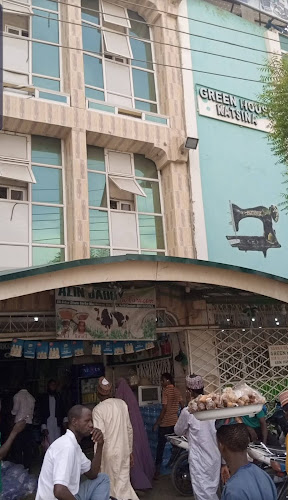
GREEN HOUSE
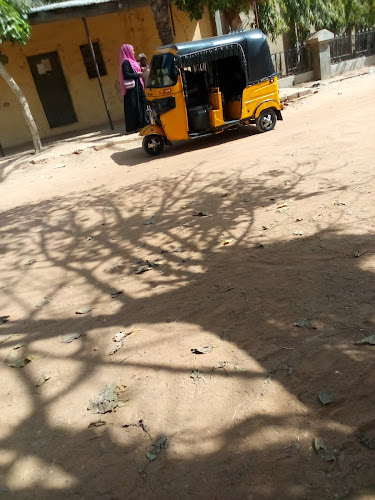
Katsina State Museum (Main Entrance)
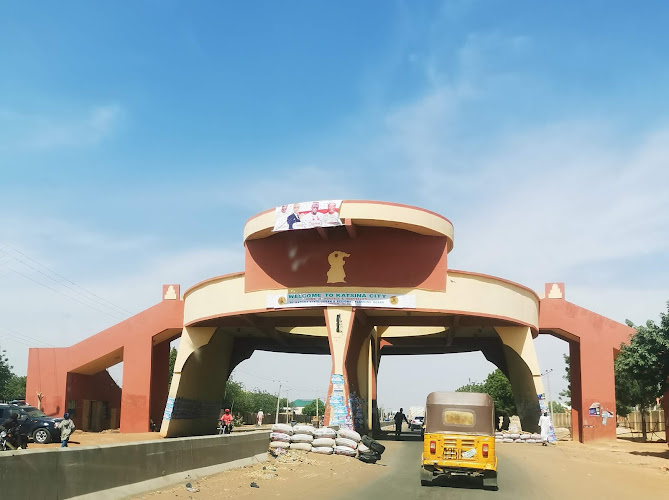
Welcome to Katsina state gate
Find Accommodations Nearby
Recommended Tours & Activities
Visitor Reviews
There are no reviews yet. Be the first one to write one.
Share Your Experience
Have you visited Kerau Izala Mosque Katsina? Help other travelers by leaving a review.