
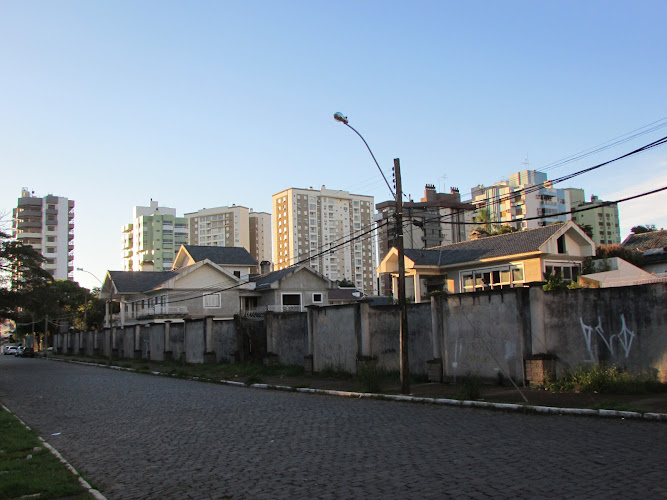
Canoas
About Canoas
Description
Canoas, tucked within the metropolitan sprawl of Porto Alegre in Rio Grande do Sul, Brazil, is one of those places that quietly surprises you. It’s not the kind of city that shouts for attention, but rather one that reveals its character slowly—through its people, its rhythm, and its unexpected mix of urban buzz and laid-back southern charm. Over the years, Canoas has grown into the largest municipality in the Porto Alegre region and the third largest in the state, which says a lot about its importance as a hub for business, culture, and everyday life.
Walking through Canoas, you’ll notice that it’s a city that thrives on contrasts. The industrial zones hum with productivity, while nearby parks and plazas offer calm escapes where locals gather for chimarrão (that traditional mate tea you’ll see everyone sipping). There’s something deeply authentic about the way life unfolds here—unhurried but purposeful. It’s not a polished tourist postcard, and that’s exactly what makes it so real.
One of the things that struck me most about Canoas is how connected it feels. You can easily pop into Porto Alegre for a day trip, yet the city itself has enough going on to keep you busy. I remember chatting with a local vendor at the Praça da Emancipação market who told me, “Canoas isn’t about big monuments—it’s about moments.” And honestly, that stuck with me. It’s a city where travelers can experience Brazil beyond the stereotypes, where you can see what daily life truly looks like in the country’s south.
From its growing culinary scene to its cultural centers and events that celebrate regional traditions, Canoas has been steadily carving out a name for itself. It’s modern but grounded, practical yet full of warmth. Sure, it has its flaws—traffic can be tricky, and the weather sometimes unpredictable—but that’s part of its charm. It’s a real place, with real stories, and that’s what makes it worth exploring.
Key Features
- Urban Accessibility: Just a short drive from Porto Alegre, Canoas offers the convenience of a city with quick access to the state capital’s attractions.
- Cultural Centers: The city has several cultural spaces, including theaters and museums that highlight the region’s art and history.
- Local Markets: Weekly fairs and markets bring together artisans, farmers, and food lovers in a lively community atmosphere.
- Parks and Green Areas: Spaces like Parque Getúlio Vargas (known as Capão do Corvo) provide a refreshing break from urban life, perfect for picnics or afternoon walks.
- Events and Festivals: Canoas hosts a variety of cultural and music festivals throughout the year, celebrating everything from local cuisine to samba and traditional gaucho culture.
- Shopping and Dining: Modern malls and family-run restaurants coexist, offering both international brands and authentic Brazilian flavors.
- Community Spirit: Locals are known for their hospitality and pride in their city, often eager to share stories and recommendations.
Best Time to Visit
Timing your visit to Canoas can make a big difference in how you experience the city. The best months, in my opinion, are between March and May or from September to November. During these periods, the weather is mild—pleasant enough for long walks without the intense summer heat or the chilly southern winter breeze. Plus, these months often coincide with local events that bring the city to life in a very genuine way.
Summer (December to February) can be quite hot and humid, which might slow you down if you’re not used to the southern Brazilian climate. On the flip side, winter (June to August) has its own charm—cool mornings, cozy cafés, and fewer crowds. I once visited in late July, and while the air was crisp, the city felt calm and inviting. There’s something about sipping a warm chimarrão in a park while watching people go about their day that feels deeply grounding.
Ultimately, the best time depends on what you’re after. If you love festivals and lively streets, spring is your season. If you prefer a quieter, more reflective trip, winter might surprise you with its peaceful vibe.
How to Get There
Getting to Canoas is refreshingly straightforward. The city sits just about 13 kilometers from Porto Alegre, making it one of the easiest day trips or weekend getaways from the state capital. If you’re flying in, you’ll likely land at Salgado Filho International Airport in Porto Alegre, and from there, it’s a quick 20-minute drive—depending on traffic, of course. Taxis and rideshare apps are readily available, and several bus lines connect Canoas directly to central Porto Alegre and other nearby towns.
For those who prefer a bit of adventure, taking the Trensurb (the local metropolitan train) is a great option. It’s affordable, efficient, and gives you a glimpse of everyday commuter life in southern Brazil. I’ve taken that route a few times, and it’s always interesting to see how the urban landscape shifts as you leave Porto Alegre and approach Canoas—the transition from dense cityscapes to more open, residential areas feels almost symbolic of the city’s balance between work and leisure.
If you’re driving, the BR-116 highway is your main route. It’s well-maintained, though it can get busy during peak hours. My advice? Hit the road early in the morning or later in the evening to avoid the rush. Plus, you’ll get to see the city lights flicker on as you arrive—a simple but beautiful sight.
Tips for Visiting
Visiting Canoas isn’t about checking off a list of tourist attractions—it’s about soaking in the atmosphere and connecting with the local way of life. Here are a few tips I’ve picked up along the way that might make your trip a little smoother and a lot more meaningful:
- Learn a few Portuguese phrases: While many locals understand basic English, speaking even a few words in Portuguese goes a long way. A simple “obrigado” (thank you) can open doors and smiles.
- Try the local food: Don’t leave without sampling churrasco (Brazilian barbecue) or pastel at a local fair. The flavors here are hearty and full of character, just like the city itself.
- Use public transport or walk: Canoas is quite walkable in certain areas, and public transport is reliable. It’s a great way to see the city from a local’s perspective.
- Stay alert but relaxed: Like any urban area, it’s wise to stay aware of your surroundings, especially in crowded places. That said, the city generally feels safe and welcoming.
- Join local events: Check out what’s happening during your visit—whether it’s a concert, a street fair, or a cultural workshop. These moments often reveal the heart of Canoas more than any guidebook ever could.
- Bring comfortable shoes: You’ll likely do a fair bit of walking, especially around the parks and markets. Trust me, your feet will thank you later.
- Keep an open mind: Canoas might not fit the glossy image of a tourist hotspot, but that’s exactly its appeal. It’s a place that rewards curiosity and patience.
At the end of the day, Canoas is the kind of destination that grows on you. It’s not about spectacular landmarks—it’s about the subtler details: the laughter echoing from a café, the scent of fresh pão de queijo wafting through the air, the rhythm of daily life that feels both familiar and new. If you’re the kind of traveler who values authenticity over perfection, Canoas will feel like a discovery worth remembering.
And maybe, just maybe, you’ll find yourself coming back—not because you missed something the first time, but because you want to experience that quiet, genuine warmth again. That’s the real magic of Canoas.
Key Features
- Key Features
- Best Time to Visit
- How to Get There
- Tips for Visiting
More Details
Updated December 1, 2025
Table of Contents
Description
Canoas, tucked within the metropolitan sprawl of Porto Alegre in Rio Grande do Sul, Brazil, is one of those places that quietly surprises you. It’s not the kind of city that shouts for attention, but rather one that reveals its character slowly—through its people, its rhythm, and its unexpected mix of urban buzz and laid-back southern charm. Over the years, Canoas has grown into the largest municipality in the Porto Alegre region and the third largest in the state, which says a lot about its importance as a hub for business, culture, and everyday life.
Walking through Canoas, you’ll notice that it’s a city that thrives on contrasts. The industrial zones hum with productivity, while nearby parks and plazas offer calm escapes where locals gather for chimarrão (that traditional mate tea you’ll see everyone sipping). There’s something deeply authentic about the way life unfolds here—unhurried but purposeful. It’s not a polished tourist postcard, and that’s exactly what makes it so real.
One of the things that struck me most about Canoas is how connected it feels. You can easily pop into Porto Alegre for a day trip, yet the city itself has enough going on to keep you busy. I remember chatting with a local vendor at the Praça da Emancipação market who told me, “Canoas isn’t about big monuments—it’s about moments.” And honestly, that stuck with me. It’s a city where travelers can experience Brazil beyond the stereotypes, where you can see what daily life truly looks like in the country’s south.
From its growing culinary scene to its cultural centers and events that celebrate regional traditions, Canoas has been steadily carving out a name for itself. It’s modern but grounded, practical yet full of warmth. Sure, it has its flaws—traffic can be tricky, and the weather sometimes unpredictable—but that’s part of its charm. It’s a real place, with real stories, and that’s what makes it worth exploring.
Key Features
- Urban Accessibility: Just a short drive from Porto Alegre, Canoas offers the convenience of a city with quick access to the state capital’s attractions.
- Cultural Centers: The city has several cultural spaces, including theaters and museums that highlight the region’s art and history.
- Local Markets: Weekly fairs and markets bring together artisans, farmers, and food lovers in a lively community atmosphere.
- Parks and Green Areas: Spaces like Parque Getúlio Vargas (known as Capão do Corvo) provide a refreshing break from urban life, perfect for picnics or afternoon walks.
- Events and Festivals: Canoas hosts a variety of cultural and music festivals throughout the year, celebrating everything from local cuisine to samba and traditional gaucho culture.
- Shopping and Dining: Modern malls and family-run restaurants coexist, offering both international brands and authentic Brazilian flavors.
- Community Spirit: Locals are known for their hospitality and pride in their city, often eager to share stories and recommendations.
Best Time to Visit
Timing your visit to Canoas can make a big difference in how you experience the city. The best months, in my opinion, are between March and May or from September to November. During these periods, the weather is mild—pleasant enough for long walks without the intense summer heat or the chilly southern winter breeze. Plus, these months often coincide with local events that bring the city to life in a very genuine way.
Summer (December to February) can be quite hot and humid, which might slow you down if you’re not used to the southern Brazilian climate. On the flip side, winter (June to August) has its own charm—cool mornings, cozy cafés, and fewer crowds. I once visited in late July, and while the air was crisp, the city felt calm and inviting. There’s something about sipping a warm chimarrão in a park while watching people go about their day that feels deeply grounding.
Ultimately, the best time depends on what you’re after. If you love festivals and lively streets, spring is your season. If you prefer a quieter, more reflective trip, winter might surprise you with its peaceful vibe.
How to Get There
Getting to Canoas is refreshingly straightforward. The city sits just about 13 kilometers from Porto Alegre, making it one of the easiest day trips or weekend getaways from the state capital. If you’re flying in, you’ll likely land at Salgado Filho International Airport in Porto Alegre, and from there, it’s a quick 20-minute drive—depending on traffic, of course. Taxis and rideshare apps are readily available, and several bus lines connect Canoas directly to central Porto Alegre and other nearby towns.
For those who prefer a bit of adventure, taking the Trensurb (the local metropolitan train) is a great option. It’s affordable, efficient, and gives you a glimpse of everyday commuter life in southern Brazil. I’ve taken that route a few times, and it’s always interesting to see how the urban landscape shifts as you leave Porto Alegre and approach Canoas—the transition from dense cityscapes to more open, residential areas feels almost symbolic of the city’s balance between work and leisure.
If you’re driving, the BR-116 highway is your main route. It’s well-maintained, though it can get busy during peak hours. My advice? Hit the road early in the morning or later in the evening to avoid the rush. Plus, you’ll get to see the city lights flicker on as you arrive—a simple but beautiful sight.
Tips for Visiting
Visiting Canoas isn’t about checking off a list of tourist attractions—it’s about soaking in the atmosphere and connecting with the local way of life. Here are a few tips I’ve picked up along the way that might make your trip a little smoother and a lot more meaningful:
- Learn a few Portuguese phrases: While many locals understand basic English, speaking even a few words in Portuguese goes a long way. A simple “obrigado” (thank you) can open doors and smiles.
- Try the local food: Don’t leave without sampling churrasco (Brazilian barbecue) or pastel at a local fair. The flavors here are hearty and full of character, just like the city itself.
- Use public transport or walk: Canoas is quite walkable in certain areas, and public transport is reliable. It’s a great way to see the city from a local’s perspective.
- Stay alert but relaxed: Like any urban area, it’s wise to stay aware of your surroundings, especially in crowded places. That said, the city generally feels safe and welcoming.
- Join local events: Check out what’s happening during your visit—whether it’s a concert, a street fair, or a cultural workshop. These moments often reveal the heart of Canoas more than any guidebook ever could.
- Bring comfortable shoes: You’ll likely do a fair bit of walking, especially around the parks and markets. Trust me, your feet will thank you later.
- Keep an open mind: Canoas might not fit the glossy image of a tourist hotspot, but that’s exactly its appeal. It’s a place that rewards curiosity and patience.
At the end of the day, Canoas is the kind of destination that grows on you. It’s not about spectacular landmarks—it’s about the subtler details: the laughter echoing from a café, the scent of fresh pão de queijo wafting through the air, the rhythm of daily life that feels both familiar and new. If you’re the kind of traveler who values authenticity over perfection, Canoas will feel like a discovery worth remembering.
And maybe, just maybe, you’ll find yourself coming back—not because you missed something the first time, but because you want to experience that quiet, genuine warmth again. That’s the real magic of Canoas.
Key Highlights
- Key Features
- Best Time to Visit
- How to Get There
- Tips for Visiting
Location
Places to Stay Near Canoas
Find and Book a Tour
Explore More Travel Guides
No reviews found! Be the first to review!
Traveler Reviews for Canoas
There are no reviews yet. Be the first one to write one.
Have you visited Canoas? Help other travelers by sharing your review.
You Might Also Like
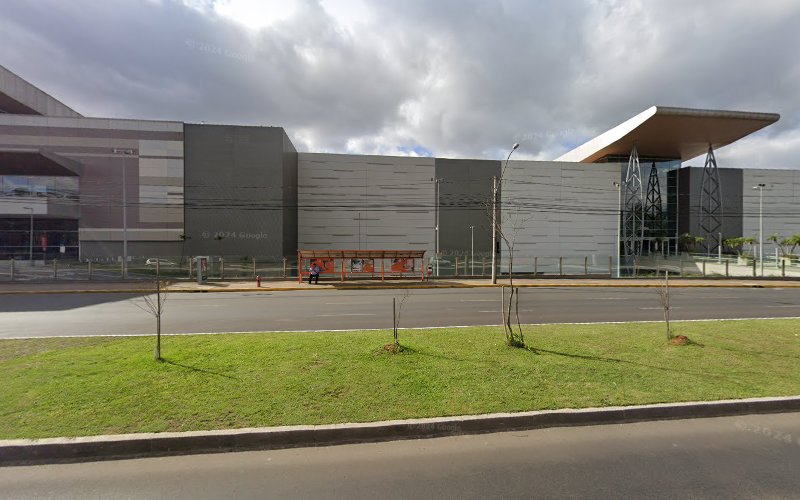
Av. Farroupilha, 4545 - Parkshopping Canoas
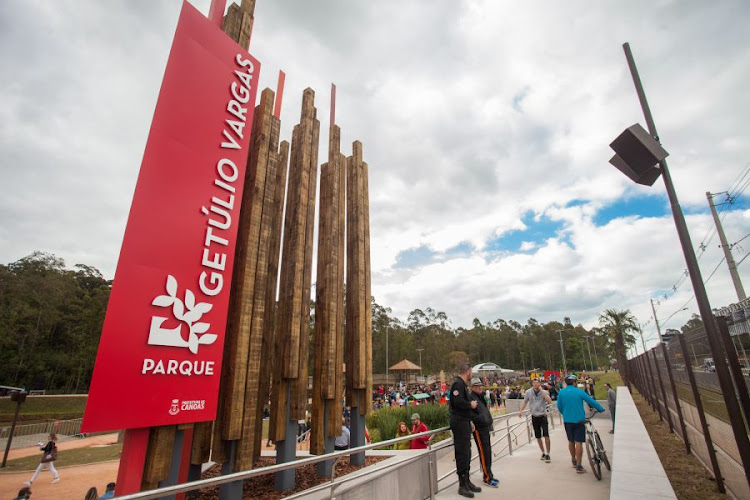
Parque Getúlio Vargas
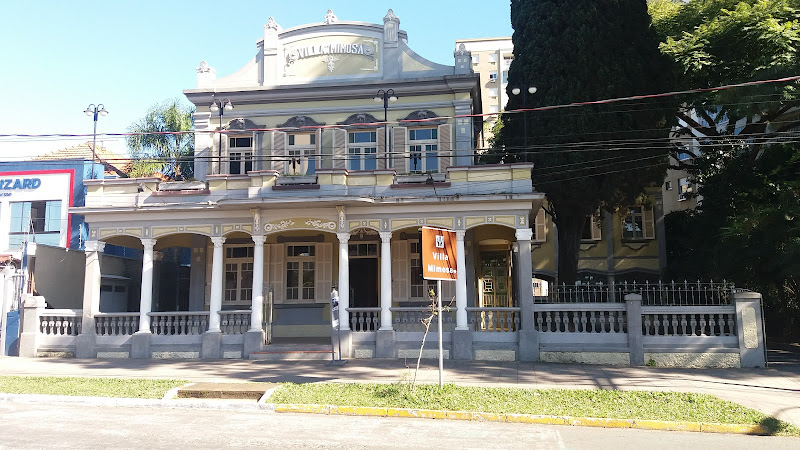
Villa Mimosa Arts House
Find Accommodations Nearby
Recommended Tours & Activities
Visitor Reviews
There are no reviews yet. Be the first one to write one.
Share Your Experience
Have you visited Canoas? Help other travelers by leaving a review.