
Ethnographic Park Romulus Vuia
About Ethnographic Park Romulus Vuia
Description
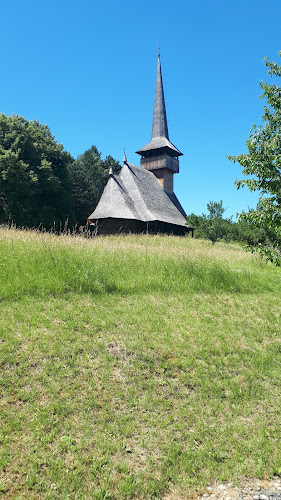
The Ethnographic Park Romulus Vuia in Cluj-Napoca, Romania, stands out not just as a museum but as a vivid window into the traditional Romanian rural life, especially that of Transylvania’s countryside. This open-air heritage museum blends an indoor pavilion packed with fascinating ethnographic exhibits alongside a spacious outdoor park dotted with authentic traditional houses and structures. It’s like stepping back in time and wandering through a living scrapbook of Romanian village life.
What’s cool about this place is that it captures the essence of rural Romanian architecture and culture without feeling like a static display. The 19th-century wooden churches, modest peasant houses, and functional buildings peppered across the park give you a feel of how communities lived and worked centuries ago. If you’re into history but crave something more tactile than dusty artifacts behind glass, this museum does a bang-up job of bringing the past alive.
And yeah, it’s not just about buildings. You’ll find traditional tools, household objects, and even the occasional folk costume showing how people crafted their lives day by day. The park manages to be educational without ever feeling stuffy — thanks to the immersive layout and occasional workshops that showcase traditional crafts.
Accessibility is thoughtfully considered here, with wheelchair-accessible entrances, parking, and restrooms — which means it’s pretty welcoming to a wide variety of visitors. As someone who’s always appreciated cultural spots that don’t skimp on comfort, this definitely earns a thumbs up from me.
Keep in mind, there’s no on-site restaurant, so you might want to pack a snack or plan to eat close by, but clean restrooms are available. For families traveling with kids, this place usually scores well; little ones often enjoy exploring the wide green spaces and the outdoorsy vibe, which makes it a nice break from the usual city hustle.
Key Features
- Combines an indoor pavilion with an extensive outdoor park displaying traditional houses and buildings
- Exhibits focus on Romanian rural life with authentic 19th-century architecture, including wooden churches and peasant homes
- Unique chance to see traditional folk objects, tools, and household items in their natural setting
- Wheelchair accessible facilities including entrance, parking, and restrooms
- Family-friendly environment with ample space for kids to roam and learn interactively
- A first-of-its-kind open-air ethnographic museum in the region, offering cultural workshops and events periodically
- Located near downtown Cluj-Napoca, making it easy to combine with city sightseeing
- Quiet green spaces perfect for a leisurely stroll or photography enthusiasts looking to capture folk architecture
- No restaurant on-site, but plenty of nearby dining options in the city center
Best Time to Visit
This place truly shines when the weather isn’t doing its usual dramatic thing—which in Transylvania is pretty much from late spring through early fall. Late April to September generally brings that mild, pleasant weather perfect for wandering around outdoors without freezing your fingers off or melting under the summer sun.
Honestly, I’d avoid the colder months unless you’re some kind of superfan of bundled-up explorations because many of the outdoor structures are best appreciated when you can freely stroll about without crunching through snow or dodging rain puddles. Visiting during spring also means you’ll catch the gardens and surrounding trees in bloom — makes for a charming contrast to the old wooden buildings.
Weekdays, especially in the off-peak morning hours, tend to be less crowded. If you want a more intimate vibe, steer clear of weekends or public holidays when tour groups might flock in. The occasional cultural events and workshops do add some spice but might also bump up the visitor numbers, so your call depending on whether you want to mingle or find some peace.
How to Get There
If you’re already in Cluj-Napoca, getting to the Ethnographic Park Romulus Vuia is pretty straightforward. Situated near the city center, it’s easily accessed by local buses or even on foot from downtown if you’re up for a pleasant walk. The park is located on a quiet, leafy street that feels a world away from the bustling urban crowds, so it’s a nice escape without being too far out.
Driving there is also convenient, with wheelchair accessible parking available right by the entrance. If you plan on renting a car during your visit to Transylvania, hopping over to the Ethnographic Park can be bundled with a day exploring other museums and cultural spots around Cluj-Napoca.
For international visitors, the park is a quick taxi ride from Cluj-Napoca International Airport, taking approximately 20 minutes, depending on traffic. I remember once landing early morning and sneaking in a visit within hours—definitely doable if your itinerary is packed.
Tips for Visiting
First off, don’t rush it. This isn’t a place to dash through like some blink-and-you’ll-miss-it attraction. Give yourself at least two hours to really soak in the buildings, exhibits, and wide outdoor park. I once tried cramming it all into a tight schedule, and trust me, you’ll miss half the magic if you don’t take your time.
Wear comfy shoes, especially if you want to explore the outdoor section properly. Some of the paths can be uneven or rustic (they keep the natural vibe intact), so expect a bit of a country stroll rather than slick city pavements.
Bringing a camera is a no-brainer here. The wooden churches and traditional dwellings have this charm that just begs for photos, especially with the fluctuating Transylvanian skies providing moody backdrops.
If you're traveling with kids, there’s plenty of open space for them to stretch their legs, but keep an eye out for any interactive workshops or demonstrations. Sometimes, these offer a hands-on peek into traditional crafts, which can be a blast and a solid learning experience.
Also, since there’s no restaurant on-site, pack some snacks or plan a stop in one of Cluj-Napoca’s cafes afterward. The central location means great food options aren’t far off, and after wandering through history you’ll probably want a good meal.
Lastly, check ahead for any special cultural events or artisan fairs held at the park. They’re sporadic but add an extra layer of authenticity and fun. On days with events, anticipate a livelier atmosphere with musicians, folk dancers, and craftspeople showing off their skills.
The park’s accessibility is something that impressed me personally. Knowing that it caters thoughtfully to people with mobility issues means more folks get to enjoy the richness of Romanian ethnography, which is pretty heartwarming.
Just a heads up: the park can get a bit quiet in the late afternoon before closing, so if you’re not a fan of wandering around practically solo, try to arrive earlier or during busier times.
Key Features
- Combines an indoor pavilion with an extensive outdoor park displaying traditional houses and buildings
- Exhibits focus on Romanian rural life with authentic 19th-century architecture, including wooden churches and peasant homes
- Unique chance to see traditional folk objects, tools, and household items in their natural setting
- Wheelchair accessible facilities including entrance, parking, and restrooms
- Family-friendly environment with ample space for kids to roam and learn interactively
- A first-of-its-kind open-air ethnographic museum in the region, offering cultural workshops and events periodically
- Located near downtown Cluj-Napoca, making it easy to combine with city sightseeing
- Quiet green spaces perfect for a leisurely stroll or photography enthusiasts looking to capture folk architecture
More Details
Updated August 8, 2025
Table of Contents
Description
The Ethnographic Park Romulus Vuia in Cluj-Napoca, Romania, stands out not just as a museum but as a vivid window into the traditional Romanian rural life, especially that of Transylvania’s countryside. This open-air heritage museum blends an indoor pavilion packed with fascinating ethnographic exhibits alongside a spacious outdoor park dotted with authentic traditional houses and structures. It’s like stepping back in time and wandering through a living scrapbook of Romanian village life.
What’s cool about this place is that it captures the essence of rural Romanian architecture and culture without feeling like a static display. The 19th-century wooden churches, modest peasant houses, and functional buildings peppered across the park give you a feel of how communities lived and worked centuries ago. If you’re into history but crave something more tactile than dusty artifacts behind glass, this museum does a bang-up job of bringing the past alive.
And yeah, it’s not just about buildings. You’ll find traditional tools, household objects, and even the occasional folk costume showing how people crafted their lives day by day. The park manages to be educational without ever feeling stuffy — thanks to the immersive layout and occasional workshops that showcase traditional crafts.
Accessibility is thoughtfully considered here, with wheelchair-accessible entrances, parking, and restrooms — which means it’s pretty welcoming to a wide variety of visitors. As someone who’s always appreciated cultural spots that don’t skimp on comfort, this definitely earns a thumbs up from me.
Keep in mind, there’s no on-site restaurant, so you might want to pack a snack or plan to eat close by, but clean restrooms are available. For families traveling with kids, this place usually scores well; little ones often enjoy exploring the wide green spaces and the outdoorsy vibe, which makes it a nice break from the usual city hustle.
Key Features
- Combines an indoor pavilion with an extensive outdoor park displaying traditional houses and buildings
- Exhibits focus on Romanian rural life with authentic 19th-century architecture, including wooden churches and peasant homes
- Unique chance to see traditional folk objects, tools, and household items in their natural setting
- Wheelchair accessible facilities including entrance, parking, and restrooms
- Family-friendly environment with ample space for kids to roam and learn interactively
- A first-of-its-kind open-air ethnographic museum in the region, offering cultural workshops and events periodically
- Located near downtown Cluj-Napoca, making it easy to combine with city sightseeing
- Quiet green spaces perfect for a leisurely stroll or photography enthusiasts looking to capture folk architecture
- No restaurant on-site, but plenty of nearby dining options in the city center
Best Time to Visit
This place truly shines when the weather isn’t doing its usual dramatic thing—which in Transylvania is pretty much from late spring through early fall. Late April to September generally brings that mild, pleasant weather perfect for wandering around outdoors without freezing your fingers off or melting under the summer sun.
Honestly, I’d avoid the colder months unless you’re some kind of superfan of bundled-up explorations because many of the outdoor structures are best appreciated when you can freely stroll about without crunching through snow or dodging rain puddles. Visiting during spring also means you’ll catch the gardens and surrounding trees in bloom — makes for a charming contrast to the old wooden buildings.
Weekdays, especially in the off-peak morning hours, tend to be less crowded. If you want a more intimate vibe, steer clear of weekends or public holidays when tour groups might flock in. The occasional cultural events and workshops do add some spice but might also bump up the visitor numbers, so your call depending on whether you want to mingle or find some peace.
How to Get There
If you’re already in Cluj-Napoca, getting to the Ethnographic Park Romulus Vuia is pretty straightforward. Situated near the city center, it’s easily accessed by local buses or even on foot from downtown if you’re up for a pleasant walk. The park is located on a quiet, leafy street that feels a world away from the bustling urban crowds, so it’s a nice escape without being too far out.
Driving there is also convenient, with wheelchair accessible parking available right by the entrance. If you plan on renting a car during your visit to Transylvania, hopping over to the Ethnographic Park can be bundled with a day exploring other museums and cultural spots around Cluj-Napoca.
For international visitors, the park is a quick taxi ride from Cluj-Napoca International Airport, taking approximately 20 minutes, depending on traffic. I remember once landing early morning and sneaking in a visit within hours—definitely doable if your itinerary is packed.
Tips for Visiting
First off, don’t rush it. This isn’t a place to dash through like some blink-and-you’ll-miss-it attraction. Give yourself at least two hours to really soak in the buildings, exhibits, and wide outdoor park. I once tried cramming it all into a tight schedule, and trust me, you’ll miss half the magic if you don’t take your time.
Wear comfy shoes, especially if you want to explore the outdoor section properly. Some of the paths can be uneven or rustic (they keep the natural vibe intact), so expect a bit of a country stroll rather than slick city pavements.
Bringing a camera is a no-brainer here. The wooden churches and traditional dwellings have this charm that just begs for photos, especially with the fluctuating Transylvanian skies providing moody backdrops.
If you’re traveling with kids, there’s plenty of open space for them to stretch their legs, but keep an eye out for any interactive workshops or demonstrations. Sometimes, these offer a hands-on peek into traditional crafts, which can be a blast and a solid learning experience.
Also, since there’s no restaurant on-site, pack some snacks or plan a stop in one of Cluj-Napoca’s cafes afterward. The central location means great food options aren’t far off, and after wandering through history you’ll probably want a good meal.
Lastly, check ahead for any special cultural events or artisan fairs held at the park. They’re sporadic but add an extra layer of authenticity and fun. On days with events, anticipate a livelier atmosphere with musicians, folk dancers, and craftspeople showing off their skills.
The park’s accessibility is something that impressed me personally. Knowing that it caters thoughtfully to people with mobility issues means more folks get to enjoy the richness of Romanian ethnography, which is pretty heartwarming.
Just a heads up: the park can get a bit quiet in the late afternoon before closing, so if you’re not a fan of wandering around practically solo, try to arrive earlier or during busier times.
Key Highlights
- Combines an indoor pavilion with an extensive outdoor park displaying traditional houses and buildings
- Exhibits focus on Romanian rural life with authentic 19th-century architecture, including wooden churches and peasant homes
- Unique chance to see traditional folk objects, tools, and household items in their natural setting
- Wheelchair accessible facilities including entrance, parking, and restrooms
- Family-friendly environment with ample space for kids to roam and learn interactively
- A first-of-its-kind open-air ethnographic museum in the region, offering cultural workshops and events periodically
- Located near downtown Cluj-Napoca, making it easy to combine with city sightseeing
- Quiet green spaces perfect for a leisurely stroll or photography enthusiasts looking to capture folk architecture
Location
Places to Stay Near Ethnographic Park Romulus Vuia
Find and Book a Tour
Explore More Travel Guides
No reviews found! Be the first to review!
Traveler Reviews for Ethnographic Park Romulus Vuia
There are no reviews yet. Be the first one to write one.
Have you visited Ethnographic Park Romulus Vuia? Help other travelers by sharing your review.
You Might Also Like
The National Museum of the History of Transylvania
Cluj-Napoca

Cetățuia Park
Find Accommodations Nearby
Recommended Tours & Activities
Visitor Reviews
There are no reviews yet. Be the first one to write one.
Share Your Experience
Have you visited Ethnographic Park Romulus Vuia? Help other travelers by leaving a review.