
Cluj-Napoca
About Cluj-Napoca
Description
Cluj-Napoca, often just called Cluj, is one of those places that sneaks up on you. Sitting in the heart of Transylvania, this northwestern Romanian city blends old-world charm with a youthful, creative buzz that’s hard to put into words. It’s Romania’s second-largest city and, in many ways, its cultural heartbeat. You’ll find cobblestone streets lined with pastel-colored buildings, cozy cafés filled with students and artists, and a sense of history that lingers in every corner. The city’s roots stretch back to Roman times, yet it feels refreshingly modern, thanks to its large student population and thriving tech scene.
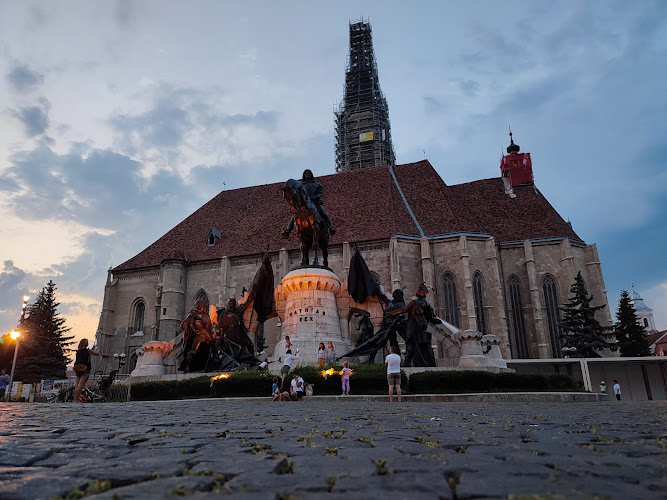
Walking through the main square, Piața Unirii, you can’t miss St. Michael’s Church — a towering Gothic masterpiece that’s been watching over the city since the 14th century. Right in front of it stands the Matthias Corvinus Statue, an impressive monument to one of Hungary’s most beloved kings, who just so happened to be born here. A few steps away, the Bánffy Palace tells another story — a baroque-era gem now housing the National Museum of Art. And if you’re like me, you’ll probably lose track of time wandering through its halls, admiring Romanian art and imagining what life must have been like centuries ago.
But Cluj isn’t just about history and architecture. It’s a city that thrives on contrasts. You can sip espresso in a minimalist café in the morning, explore botanical gardens by noon, and end your day at an underground bar listening to live jazz. The mix of Romanian, Hungarian, and Saxon influences gives Cluj a layered personality — one that’s both proud of its heritage and eager to reinvent itself.
Personally, I think what makes Cluj special is its energy. There’s a feeling of possibility here — a sense that things are happening, that ideas are being born, and that creativity is constantly bubbling under the surface. Whether you’re into art, history, or just good food and good company, you’ll find your rhythm here pretty quickly.
Key Features
- Piața Unirii: The city’s main square, surrounded by historical landmarks and lively cafés.
- St. Michael’s Church: A stunning Gothic church that dominates the skyline.
- Matthias Corvinus Statue: A tribute to the 15th-century king born in Cluj.
- Bánffy Palace: A baroque palace turned art museum showcasing Romanian works.
- Central Park (Parcul Central): A peaceful green space perfect for walks and people-watching.
- Botanical Garden: One of the largest in Eastern Europe, home to over 10,000 plant species.
- Hoia Forest: Known for its mysterious legends and hiking trails.
- Cluj Arena: A modern stadium hosting concerts and sporting events.
- Local Cuisine: A mix of Romanian and Hungarian flavors — think hearty stews, chimney cakes, and strong coffee.
- Festivals: From Untold (a massive electronic music festival) to TIFF (Transylvania International Film Festival), the city knows how to celebrate.
Best Time to Visit
Cluj-Napoca is one of those destinations that changes personality with the seasons. Spring (April to June) is my personal favorite — the parks are in full bloom, the weather is mild, and the terraces start to fill up again after winter. Summer (July to August) is festival season, and the city practically hums with energy. If you’re into music, Untold Festival is a must — though you’ll want to book accommodation well in advance because the city gets packed.
Autumn (September to October) brings a calmer vibe. Students return to the universities, the air gets crisp, and the surrounding hills turn shades of gold and red — perfect for photography or a quiet escape. Winter (November to February) can be chilly, but the Christmas markets make it worth it. There’s something magical about sipping mulled wine under twinkling lights in Piața Unirii while snowflakes drift down.
So really, there’s no bad time to visit Cluj. It just depends on what kind of experience you’re after — lively and loud, or cozy and contemplative.
How to Get There
Getting to Cluj-Napoca is easier than many travelers expect. The city’s airport, Avram Iancu International Airport, connects directly to major European cities like London, Paris, and Vienna. From the airport, it’s just a 15-minute taxi or bus ride into the city center. If you’re already in Romania, trains are a scenic (though sometimes slow) way to travel — especially if you’re coming from Bucharest, Sibiu, or Brașov. The train station is close to the center, and taxis or rideshares are easy to find.
For those who enjoy road trips, Cluj is well-connected by highways. The drive from Bucharest takes around 6–7 hours, depending on traffic, and you’ll pass through some beautiful countryside along the way. Buses are another budget-friendly option, with regular routes from most Romanian cities.
Once you’re in Cluj, you’ll find it’s a very walkable city. Most attractions are within a short stroll of each other, and the public transportation system — mainly buses and trams — is efficient and affordable. And honestly, walking is the best way to soak it all in. You’ll stumble upon hidden courtyards, quirky murals, and maybe even a street musician or two.
Tips for Visiting
First things first — take your time. Cluj isn’t a city to rush through. It’s best enjoyed slowly, one coffee and cobblestone street at a time. Spend a morning at the Botanical Garden, then wander over to Central Park for a lazy picnic. If you’re into art, don’t miss the Bánffy Palace or the Museum of Pharmacy — a small but fascinating spot tucked away in an old apothecary.
Food-wise, make sure to try ciorbă de burtă (tripe soup) if you’re feeling adventurous, or papanași (sweet cheese doughnuts) if you’ve got a sweet tooth. And don’t skip the local wine — Transylvania’s vineyards produce some surprisingly good bottles that rarely make it out of Romania.
A little insider advice: Romanians are friendly but reserved at first. A smile and a few words in Romanian (like “mulțumesc” for thank you) go a long way. Also, bring comfortable shoes — those charming cobblestones can be unforgiving after a day of exploring.
If you’re staying longer, consider a day trip to Turda Salt Mine — it’s like stepping into another world, with underground lakes and surreal lighting. Or head to the Apuseni Mountains for hiking and cave exploration. Both are easy to reach from Cluj and offer a different side of Transylvania’s beauty.
One more thing — don’t rely entirely on credit cards. Most places accept them, but smaller cafés or markets might prefer cash. ATMs are easy to find, though, so it’s not a big deal. And if you’re visiting during a festival, book accommodation early; the city fills up fast, and prices can double overnight.
At the end of the day, Cluj-Napoca is the kind of place that stays with you. Maybe it’s the mix of history and modernity, maybe it’s the people, or maybe it’s just the way the city feels alive yet grounded. Whatever it is, it has a way of making you want to come back. And honestly, that’s the best sign of a great travel destination.
Key Features
- Key Features
- Best Time to Visit
- How to Get There
- Tips for Visiting
More Details
Updated December 1, 2025
Table of Contents
Description
Cluj-Napoca, often just called Cluj, is one of those places that sneaks up on you. Sitting in the heart of Transylvania, this northwestern Romanian city blends old-world charm with a youthful, creative buzz that’s hard to put into words. It’s Romania’s second-largest city and, in many ways, its cultural heartbeat. You’ll find cobblestone streets lined with pastel-colored buildings, cozy cafés filled with students and artists, and a sense of history that lingers in every corner. The city’s roots stretch back to Roman times, yet it feels refreshingly modern, thanks to its large student population and thriving tech scene.
Walking through the main square, Piața Unirii, you can’t miss St. Michael’s Church — a towering Gothic masterpiece that’s been watching over the city since the 14th century. Right in front of it stands the Matthias Corvinus Statue, an impressive monument to one of Hungary’s most beloved kings, who just so happened to be born here. A few steps away, the Bánffy Palace tells another story — a baroque-era gem now housing the National Museum of Art. And if you’re like me, you’ll probably lose track of time wandering through its halls, admiring Romanian art and imagining what life must have been like centuries ago.
But Cluj isn’t just about history and architecture. It’s a city that thrives on contrasts. You can sip espresso in a minimalist café in the morning, explore botanical gardens by noon, and end your day at an underground bar listening to live jazz. The mix of Romanian, Hungarian, and Saxon influences gives Cluj a layered personality — one that’s both proud of its heritage and eager to reinvent itself.
Personally, I think what makes Cluj special is its energy. There’s a feeling of possibility here — a sense that things are happening, that ideas are being born, and that creativity is constantly bubbling under the surface. Whether you’re into art, history, or just good food and good company, you’ll find your rhythm here pretty quickly.
Key Features
- Piața Unirii: The city’s main square, surrounded by historical landmarks and lively cafés.
- St. Michael’s Church: A stunning Gothic church that dominates the skyline.
- Matthias Corvinus Statue: A tribute to the 15th-century king born in Cluj.
- Bánffy Palace: A baroque palace turned art museum showcasing Romanian works.
- Central Park (Parcul Central): A peaceful green space perfect for walks and people-watching.
- Botanical Garden: One of the largest in Eastern Europe, home to over 10,000 plant species.
- Hoia Forest: Known for its mysterious legends and hiking trails.
- Cluj Arena: A modern stadium hosting concerts and sporting events.
- Local Cuisine: A mix of Romanian and Hungarian flavors — think hearty stews, chimney cakes, and strong coffee.
- Festivals: From Untold (a massive electronic music festival) to TIFF (Transylvania International Film Festival), the city knows how to celebrate.
Best Time to Visit
Cluj-Napoca is one of those destinations that changes personality with the seasons. Spring (April to June) is my personal favorite — the parks are in full bloom, the weather is mild, and the terraces start to fill up again after winter. Summer (July to August) is festival season, and the city practically hums with energy. If you’re into music, Untold Festival is a must — though you’ll want to book accommodation well in advance because the city gets packed.
Autumn (September to October) brings a calmer vibe. Students return to the universities, the air gets crisp, and the surrounding hills turn shades of gold and red — perfect for photography or a quiet escape. Winter (November to February) can be chilly, but the Christmas markets make it worth it. There’s something magical about sipping mulled wine under twinkling lights in Piața Unirii while snowflakes drift down.
So really, there’s no bad time to visit Cluj. It just depends on what kind of experience you’re after — lively and loud, or cozy and contemplative.
How to Get There
Getting to Cluj-Napoca is easier than many travelers expect. The city’s airport, Avram Iancu International Airport, connects directly to major European cities like London, Paris, and Vienna. From the airport, it’s just a 15-minute taxi or bus ride into the city center. If you’re already in Romania, trains are a scenic (though sometimes slow) way to travel — especially if you’re coming from Bucharest, Sibiu, or Brașov. The train station is close to the center, and taxis or rideshares are easy to find.
For those who enjoy road trips, Cluj is well-connected by highways. The drive from Bucharest takes around 6–7 hours, depending on traffic, and you’ll pass through some beautiful countryside along the way. Buses are another budget-friendly option, with regular routes from most Romanian cities.
Once you’re in Cluj, you’ll find it’s a very walkable city. Most attractions are within a short stroll of each other, and the public transportation system — mainly buses and trams — is efficient and affordable. And honestly, walking is the best way to soak it all in. You’ll stumble upon hidden courtyards, quirky murals, and maybe even a street musician or two.
Tips for Visiting
First things first — take your time. Cluj isn’t a city to rush through. It’s best enjoyed slowly, one coffee and cobblestone street at a time. Spend a morning at the Botanical Garden, then wander over to Central Park for a lazy picnic. If you’re into art, don’t miss the Bánffy Palace or the Museum of Pharmacy — a small but fascinating spot tucked away in an old apothecary.
Food-wise, make sure to try ciorbă de burtă (tripe soup) if you’re feeling adventurous, or papanași (sweet cheese doughnuts) if you’ve got a sweet tooth. And don’t skip the local wine — Transylvania’s vineyards produce some surprisingly good bottles that rarely make it out of Romania.
A little insider advice: Romanians are friendly but reserved at first. A smile and a few words in Romanian (like “mulțumesc” for thank you) go a long way. Also, bring comfortable shoes — those charming cobblestones can be unforgiving after a day of exploring.
If you’re staying longer, consider a day trip to Turda Salt Mine — it’s like stepping into another world, with underground lakes and surreal lighting. Or head to the Apuseni Mountains for hiking and cave exploration. Both are easy to reach from Cluj and offer a different side of Transylvania’s beauty.
One more thing — don’t rely entirely on credit cards. Most places accept them, but smaller cafés or markets might prefer cash. ATMs are easy to find, though, so it’s not a big deal. And if you’re visiting during a festival, book accommodation early; the city fills up fast, and prices can double overnight.
At the end of the day, Cluj-Napoca is the kind of place that stays with you. Maybe it’s the mix of history and modernity, maybe it’s the people, or maybe it’s just the way the city feels alive yet grounded. Whatever it is, it has a way of making you want to come back. And honestly, that’s the best sign of a great travel destination.
Key Highlights
- Key Features
- Best Time to Visit
- How to Get There
- Tips for Visiting
Location
Places to Stay Near Cluj-Napoca
Find and Book a Tour
Explore More Travel Guides
No reviews found! Be the first to review!
Traveler Reviews for Cluj-Napoca
There are no reviews yet. Be the first one to write one.
Have you visited Cluj-Napoca? Help other travelers by sharing your review.
You Might Also Like
Și
Bulevardul Eroilor 23
Szervátiusz-kiállítás
Find Accommodations Nearby
Recommended Tours & Activities
Visitor Reviews
There are no reviews yet. Be the first one to write one.
Share Your Experience
Have you visited Cluj-Napoca? Help other travelers by leaving a review.