
About Fort Picolet

Description

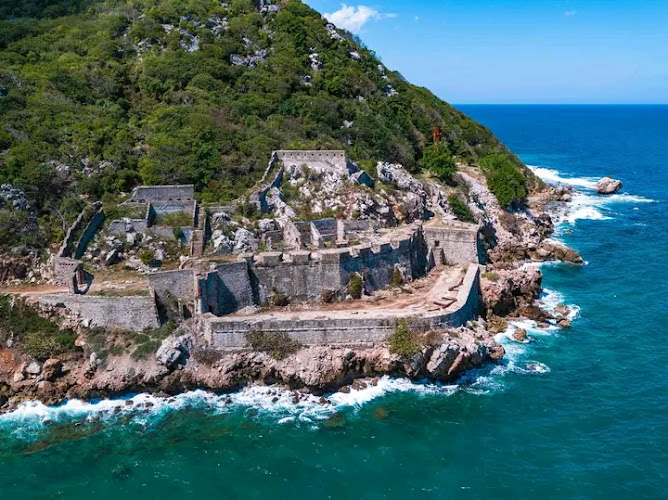
Fort Picolet, perched dramatically along the northern coast of Haiti near Cap-Haïtien, feels like a place where time still lingers. Built in 1739 during the French colonial era, this coastal fortress once stood as a guardian of the harbor, watching over the Caribbean Sea with its cannons aimed toward the horizon. Today, it’s more of a quiet relic—weathered stone walls, wild vegetation creeping through cracks, and the sound of waves echoing through the ruins. It’s hauntingly beautiful in that rugged, unpolished way that history lovers adore.

Walking through Fort Picolet, you can almost hear the whispers of soldiers who once stood guard here. The fort was part of a network of defenses, including nearby Fort Magny and Fort Belly, built to protect one of the busiest ports in the Caribbean at the time. And though the cannons are long gone, the view remains unbeatable—an uninterrupted panorama of turquoise waters and rolling hills. It’s not a manicured tourist site with fences and ticket booths; it’s raw, open, and authentic. That’s part of its charm.

I remember the first time I visited—it wasn’t exactly easy to find. The path twisted through brush and rocky terrain, and I had to ask a few locals for directions. But when I finally stepped through the crumbling archway and looked out toward the ocean, it felt worth every step. There’s something almost spiritual about standing in a place that has seen centuries pass yet still holds its ground against the wind and salt. It’s not perfect, but maybe that’s what makes it so real.

Key Features

  • Historic Architecture: Constructed in 1739, Fort Picolet showcases 18th-century French military design with thick stone walls and layered batteries built to withstand naval attacks.
  • Panoramic Coastal Views: The fort’s elevated position offers sweeping views of the Caribbean Sea, perfect for photography or quiet reflection.
  • Off-the-Beaten-Path Experience: Less commercialized than other historic sites, it provides a raw, immersive look into Haiti’s colonial past.
  • Nearby Fortifications: Located close to Fort Magny, Fort Belly, and Fort-aux-Dames, forming a historic defense network around Cap-Haïtien.
  • Natural Surroundings: The site is surrounded by rugged cliffs, tropical vegetation, and the rhythmic sound of crashing waves.
  • Ideal for Hikers and Explorers: The path to the fort involves a short hike, rewarding visitors with both adventure and history.

One thing that stands out is how untouched it feels. No souvenir stalls, no guided tours—just you, the ruins, and the sea breeze. It’s the kind of place where you can sit on a rock and imagine what life might have been like centuries ago. And if you’re into photography, the light here is stunning in the late afternoon, when the sun dips low and the ocean glows gold.

Best Time to Visit

The best time to visit Fort Picolet is during the dry season, roughly from November to April. The weather is warm but not unbearably humid, and the coastal trails are easier to navigate without the risk of slippery mud. Early mornings are wonderful if you enjoy solitude and cooler temperatures, while late afternoons reward you with some of the best sunsets you’ll ever see in Haiti.

If you visit during the rainy season, be prepared for occasional showers and muddy paths. But honestly, even then, the fort has its own moody charm. The mist rolling off the sea gives it a mysterious, cinematic vibe. Just make sure to wear sturdy shoes—trust me, flip-flops are a terrible idea here.

How to Get There

Reaching Fort Picolet requires a bit of effort, but that’s part of what makes it feel like a hidden gem. From Cap-Haïtien, you can take a short drive toward the coast, followed by a hike along a rocky trail that hugs the shoreline. The walk isn’t too long, but it can be uneven in places, so it helps to go with someone who knows the area. Local guides are often happy to show visitors the way, and they’ll usually share stories that bring the fort’s history to life.

For travelers who prefer a bit of adventure, the path to Fort Picolet can be combined with a coastal hike or a visit to nearby beaches. Some locals even kayak along the shore to reach it, which sounds incredible if you’re up for it. Just remember there are no facilities nearby—no restrooms, no food stands—so bring water, snacks, and anything else you might need.

Tips for Visiting

Exploring Fort Picolet isn’t like visiting a polished museum—it’s rough around the edges, and that’s exactly what makes it special. But a few tips can make your trip smoother and more enjoyable:

  • Wear sturdy shoes. The trail can be rocky and uneven, especially near the cliffs.
  • Bring water and snacks. There are no shops or vendors nearby, so pack what you need.
  • Go with a local guide. They can help you find the safest route and share fascinating stories about the fort’s history.
  • Visit early or late in the day. The light is softer, the temperature is cooler, and the crowds (if any) are minimal.
  • Respect the site. It’s a fragile piece of history—avoid climbing on unstable walls or leaving litter behind.
  • Bring a camera. The views are spectacular, especially at sunset when the sea turns shades of orange and pink.

If you’re traveling with kids, they’ll probably enjoy exploring the open spaces and pretending they’re little adventurers. Just keep a close eye on them near the edges, as there are no railings. The fort isn’t wheelchair accessible, unfortunately, due to the uneven terrain and lack of paved paths. Still, for those who can make the trek, it’s absolutely worth it.

One last piece of advice—take your time. Don’t rush through it like another checkbox on your travel list. Sit on the stone walls, listen to the waves, and imagine the ships that once sailed these waters. There’s a quiet dignity to Fort Picolet, a reminder that history doesn’t always need to be polished to be powerful. It’s a place that rewards curiosity and patience, offering glimpses of a Haiti that existed long before modern tourism found its way here.

In the end, Fort Picolet isn’t just a historic landmark—it’s an experience. It’s the crunch of gravel under your feet, the salty wind in your hair, and the feeling of standing in a place that has witnessed centuries of change yet remains defiantly beautiful. Whether you’re a history buff, a photographer, or simply someone who loves discovering hidden corners of the world, this fort quietly captures your heart in ways you don’t quite expect. And honestly, that’s the best kind of travel moment there is.

Key Features

  • Key Features
  • Best Time to Visit
  • How to Get There
  • Tips for Visiting

More Details

Updated December 1, 2025

Description

Fort Picolet, perched dramatically along the northern coast of Haiti near Cap-Haïtien, feels like a place where time still lingers. Built in 1739 during the French colonial era, this coastal fortress once stood as a guardian of the harbor, watching over the Caribbean Sea with its cannons aimed toward the horizon. Today, it’s more of a quiet relic—weathered stone walls, wild vegetation creeping through cracks, and the sound of waves echoing through the ruins. It’s hauntingly beautiful in that rugged, unpolished way that history lovers adore.

Walking through Fort Picolet, you can almost hear the whispers of soldiers who once stood guard here. The fort was part of a network of defenses, including nearby Fort Magny and Fort Belly, built to protect one of the busiest ports in the Caribbean at the time. And though the cannons are long gone, the view remains unbeatable—an uninterrupted panorama of turquoise waters and rolling hills. It’s not a manicured tourist site with fences and ticket booths; it’s raw, open, and authentic. That’s part of its charm.

I remember the first time I visited—it wasn’t exactly easy to find. The path twisted through brush and rocky terrain, and I had to ask a few locals for directions. But when I finally stepped through the crumbling archway and looked out toward the ocean, it felt worth every step. There’s something almost spiritual about standing in a place that has seen centuries pass yet still holds its ground against the wind and salt. It’s not perfect, but maybe that’s what makes it so real.

Key Features

  • Historic Architecture: Constructed in 1739, Fort Picolet showcases 18th-century French military design with thick stone walls and layered batteries built to withstand naval attacks.
  • Panoramic Coastal Views: The fort’s elevated position offers sweeping views of the Caribbean Sea, perfect for photography or quiet reflection.
  • Off-the-Beaten-Path Experience: Less commercialized than other historic sites, it provides a raw, immersive look into Haiti’s colonial past.
  • Nearby Fortifications: Located close to Fort Magny, Fort Belly, and Fort-aux-Dames, forming a historic defense network around Cap-Haïtien.
  • Natural Surroundings: The site is surrounded by rugged cliffs, tropical vegetation, and the rhythmic sound of crashing waves.
  • Ideal for Hikers and Explorers: The path to the fort involves a short hike, rewarding visitors with both adventure and history.

One thing that stands out is how untouched it feels. No souvenir stalls, no guided tours—just you, the ruins, and the sea breeze. It’s the kind of place where you can sit on a rock and imagine what life might have been like centuries ago. And if you’re into photography, the light here is stunning in the late afternoon, when the sun dips low and the ocean glows gold.

Best Time to Visit

The best time to visit Fort Picolet is during the dry season, roughly from November to April. The weather is warm but not unbearably humid, and the coastal trails are easier to navigate without the risk of slippery mud. Early mornings are wonderful if you enjoy solitude and cooler temperatures, while late afternoons reward you with some of the best sunsets you’ll ever see in Haiti.

If you visit during the rainy season, be prepared for occasional showers and muddy paths. But honestly, even then, the fort has its own moody charm. The mist rolling off the sea gives it a mysterious, cinematic vibe. Just make sure to wear sturdy shoes—trust me, flip-flops are a terrible idea here.

How to Get There

Reaching Fort Picolet requires a bit of effort, but that’s part of what makes it feel like a hidden gem. From Cap-Haïtien, you can take a short drive toward the coast, followed by a hike along a rocky trail that hugs the shoreline. The walk isn’t too long, but it can be uneven in places, so it helps to go with someone who knows the area. Local guides are often happy to show visitors the way, and they’ll usually share stories that bring the fort’s history to life.

For travelers who prefer a bit of adventure, the path to Fort Picolet can be combined with a coastal hike or a visit to nearby beaches. Some locals even kayak along the shore to reach it, which sounds incredible if you’re up for it. Just remember there are no facilities nearby—no restrooms, no food stands—so bring water, snacks, and anything else you might need.

Tips for Visiting

Exploring Fort Picolet isn’t like visiting a polished museum—it’s rough around the edges, and that’s exactly what makes it special. But a few tips can make your trip smoother and more enjoyable:

  • Wear sturdy shoes. The trail can be rocky and uneven, especially near the cliffs.
  • Bring water and snacks. There are no shops or vendors nearby, so pack what you need.
  • Go with a local guide. They can help you find the safest route and share fascinating stories about the fort’s history.
  • Visit early or late in the day. The light is softer, the temperature is cooler, and the crowds (if any) are minimal.
  • Respect the site. It’s a fragile piece of history—avoid climbing on unstable walls or leaving litter behind.
  • Bring a camera. The views are spectacular, especially at sunset when the sea turns shades of orange and pink.

If you’re traveling with kids, they’ll probably enjoy exploring the open spaces and pretending they’re little adventurers. Just keep a close eye on them near the edges, as there are no railings. The fort isn’t wheelchair accessible, unfortunately, due to the uneven terrain and lack of paved paths. Still, for those who can make the trek, it’s absolutely worth it.

One last piece of advice—take your time. Don’t rush through it like another checkbox on your travel list. Sit on the stone walls, listen to the waves, and imagine the ships that once sailed these waters. There’s a quiet dignity to Fort Picolet, a reminder that history doesn’t always need to be polished to be powerful. It’s a place that rewards curiosity and patience, offering glimpses of a Haiti that existed long before modern tourism found its way here.

In the end, Fort Picolet isn’t just a historic landmark—it’s an experience. It’s the crunch of gravel under your feet, the salty wind in your hair, and the feeling of standing in a place that has witnessed centuries of change yet remains defiantly beautiful. Whether you’re a history buff, a photographer, or simply someone who loves discovering hidden corners of the world, this fort quietly captures your heart in ways you don’t quite expect. And honestly, that’s the best kind of travel moment there is.

Key Highlights

  • Key Features
  • Best Time to Visit
  • How to Get There
  • Tips for Visiting

Location

Places to Stay Near Fort Picolet

Find and Book a Tour

Explore More Travel Guides

No reviews found! Be the first to review!

Traveler Reviews for Fort Picolet

There are no reviews yet. Be the first one to write one.

Share Your Experience

Have you visited Fort Picolet? Help other travelers by sharing your review.

Find Accommodations Nearby

Recommended Tours & Activities

Visitor Reviews

There are no reviews yet. Be the first one to write one.

Share Your Experience

Have you visited Fort Picolet? Help other travelers by leaving a review.