
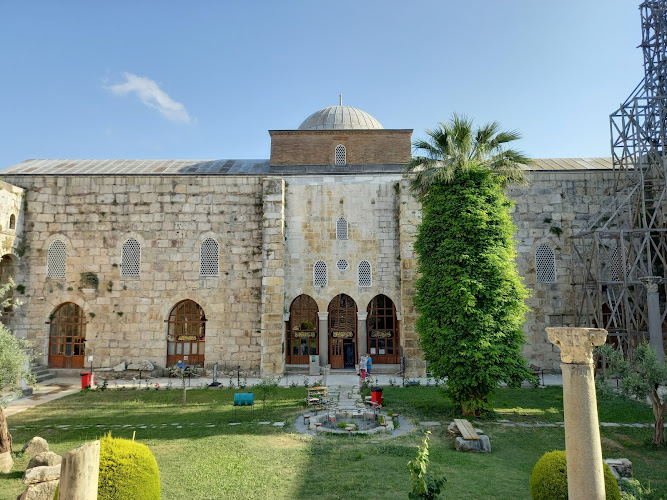
İsa Bey Mosque
About İsa Bey Mosque
İsa Bey Mosque is one of those places that quietly takes your breath away. Standing at the foot of Ayasuluk Hill in Selçuk, this 14th-century gem feels like stepping into a chapter of Anatolian history that most travelers never get to read. Built in 1374–75 by the Aydinid Emirate, the mosque is a rare survivor from the transitional period between the Seljuk and Ottoman eras. It’s not grand in a flashy way; rather, it’s the kind of place that reveals its beauty slowly—through the play of light on stone, the intricate geometric carvings, and the sense of calm that seems to hum through its courtyard.
What makes İsa Bey Mosque so fascinating is its blend of influences. The layout echoes the Umayyad Mosque in Damascus, but the decorative stonework hints at Mamluk and Zangid artistry. It’s like a visual dialogue between different civilizations, all meeting in one sacred space. I remember standing by the entrance portal, running my fingers along the cool marble, and thinking how many hands over the centuries must have done the same. There’s something grounding about that—like you’re part of a much longer story.
While some travelers expect a pristine, polished monument, İsa Bey Mosque wears its age proudly. The weathered stones, the slightly uneven courtyard tiles, and the faint scent of time-worn wood inside all add to its authenticity. It’s not just a mosque; it’s a living relic. You’ll often see locals praying quietly or tourists sitting in the shade, soaking in the view of the surrounding hills. It’s peaceful, but not silent—there’s a soft rhythm to it, a pulse that connects the past and present.
Key Features
- Architectural Heritage: Constructed in 1374–75 by architect Ali of Damascus under the Aydinid ruler Isa Bey, it showcases early Anatolian-Turkish design with a rectangular plan and twin domes.
- Historical Significance: One of the oldest surviving examples of Turkish beylik architecture, marking the transition between Seljuk and Ottoman styles.
- Decorative Elements: The façade features intricate stone carvings, Kufic inscriptions, and alternating bands of colored marble inspired by Syrian and Mamluk designs.
- Courtyard: A spacious open courtyard once surrounded by porticoes, where the remnants of columns and arches still whisper stories of centuries past.
- Minaret: Although partially restored, the single minaret stands as a symbol of endurance, offering a great photo opportunity, especially during golden hour.
- Location: Perfectly positioned between the ruins of the Temple of Artemis and the Basilica of St. John, making it easy to explore all three in a single afternoon.
To me, one of the most striking things about İsa Bey Mosque is its sense of proportion. The architecture isn’t overwhelming; it feels human-sized. You can actually imagine the craftsmen who built it—how they measured each arch, carved each stone, and probably argued over the best way to align the domes. There’s an intimacy to that kind of work that modern buildings often lack.
Best Time to Visit
If you ask locals, they’ll probably tell you to come either in spring or autumn. And honestly, they’re right. Between April and June, or again from September to early November, the weather in Selçuk is just perfect for wandering. The light is soft, the air smells faintly of citrus and pine, and the crowds haven’t yet descended in full force. Summer, on the other hand, can be brutally hot—especially in July and August—so unless you’re used to the heat, it’s better to visit early in the morning or near sunset.
Personally, I love visiting around late afternoon when the sunlight hits the mosque’s western façade. The colors shift from pale gold to deep amber, and the shadows stretch across the courtyard like brushstrokes. It’s a photographer’s dream, but even if you’re not snapping pictures, it’s a moment that’s hard to forget. During winter, the site is quieter, giving you the rare chance to have the place almost to yourself. Just bring a jacket—the stone can get chilly.
How to Get There
Reaching İsa Bey Mosque is surprisingly easy, especially if you’re already exploring the Ephesus area. Selçuk is well connected by train and bus from İzmir, which is about an hour away. Once you’re in town, you can walk from the main square—it’s only about a 10-minute stroll past small cafés and souvenir shops. If you’re driving, there’s free parking nearby, both in a small lot and along the surrounding streets. Taxis are also available, though honestly, walking gives you a better feel for the town’s rhythm.
For those coming from Ephesus, it’s a short drive or even a pleasant walk if you don’t mind a bit of sun. The route winds through olive groves and quiet residential streets, and before you know it, the mosque’s elegant silhouette appears against the backdrop of Ayasuluk Hill. I once took that walk just before sunset, and I still remember the sound of the evening call to prayer echoing off the hills—it was one of those simple travel moments that stick with you.
Tips for Visiting
Here’s the thing about İsa Bey Mosque: it’s not a museum; it’s still an active place of worship. So, while visitors are welcome, it’s important to be respectful. Dress modestly—cover shoulders and knees—and remove your shoes before entering the prayer hall. Women may want to bring a scarf to cover their hair. There’s usually a quiet spot near the entrance where you can sit and take it all in without disturbing anyone.
Photography is allowed, but I’d suggest being discreet, especially if people are praying. The best photos tend to come from the courtyard anyway, where the light plays beautifully on the stone arches. If you’re into architectural details, look up at the muqarnas (stalactite-like carvings) on the entrance portal—they’re stunning. And don’t forget to look down, too; the worn marble floors tell their own story of centuries of footsteps.
There are restrooms on-site, which is handy if you’re spending the day exploring nearby attractions. However, note that the mosque isn’t wheelchair accessible, and the terrain around the courtyard can be uneven. If mobility is an issue, it’s best to have someone assist. Also, while there’s no entry fee, donations are appreciated to help with maintenance. Even a small contribution goes a long way in preserving this historical treasure.
One small piece of advice from personal experience—take a few minutes to sit quietly in the courtyard before you leave. Let the place sink in. You’ll hear the faint hum of the town in the distance, maybe a rooster or two, and the occasional rustle of leaves from the nearby fig trees. It’s in those quiet moments that İsa Bey Mosque reveals its true magic. It’s not just about history or architecture—it’s about connection. You feel it in your bones, that link between centuries, faith, and human hands that built something meant to last.
So if you’re planning a trip to Selçuk or Ephesus, don’t just breeze past İsa Bey Mosque on your way to the next big ruin. Slow down. Step inside. Let the stillness wrap around you. Because sometimes, the most memorable places aren’t the grandest—they’re the ones that whisper their stories softly, waiting for you to listen.
You Might Also Like

*BDT BELEK DOGA TOUR | Daily Tours, Day Trips and Excursions in Antalya*
1464. Sk. No:55
2006. Sk. No:2
Tours & Activities
GetYourGuide provides this tour inventory. We may earn a commission if you book through it; verify current availability, prices, and terms with the provider.
Visitor Reviews
There are no reviews yet. Be the first one to write one.
Share Your Experience
Have you visited İsa Bey Mosque? Help other travelers by leaving a review.