
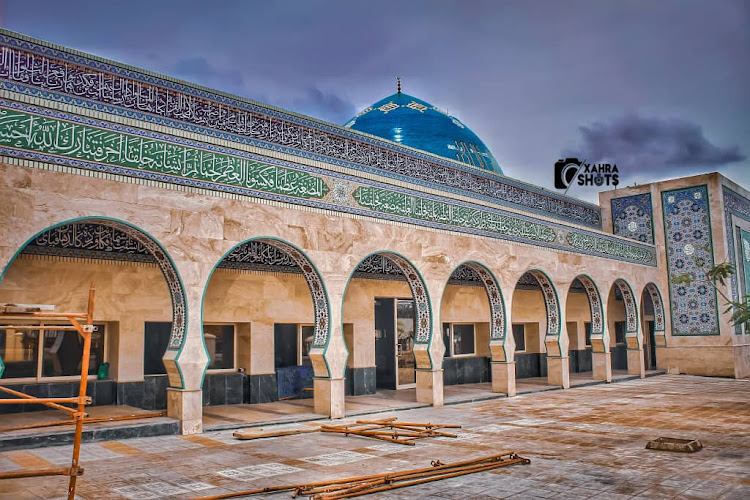
Lafia Central Mosque
About Lafia Central Mosque
Description
The Lafia Central Mosque stands as one of the most recognizable landmarks in Nasarawa State, not just for its faith-based significance but for the calm dignity it brings to the heart of Lafia. Built in 1971, this mosque—often called the Nasarawa State Mosque—has grown into more than a place of worship. It’s a symbol of unity, a gathering point for people from all walks of life, and a quiet reminder of how architecture and spirituality can blend beautifully into daily life.
The mosque’s design, though not flamboyant, carries a quiet majesty. Its tall minarets rise confidently against the skyline, while the golden dome gleams softly in the afternoon sun. The structure has that kind of timeless charm that makes you pause for a moment just to take it all in. I remember the first time I saw it — I was on a road trip through central Nigeria, and the mosque’s silhouette caught my eye from a distance. There was something grounding about it, something that made me want to stop and just breathe in the atmosphere.
Inside, the mosque offers a serene environment for prayer and reflection. The air feels cooler, the acoustics amplify the soft rhythm of recitation, and the carpeted floors invite worshippers to kneel in comfort. It’s open to visitors outside of congregational prayer times, and even for non-Muslims, stepping inside can be a humbling experience. The sense of peace here is almost tangible. You don’t have to be particularly religious to feel it—you just have to be present.
The mosque also reflects the hospitality and warmth of the people of Lafia. Locals are often eager to share stories about the mosque’s history or simply exchange greetings with visitors. It’s this blend of architectural grace and human connection that makes the Lafia Central Mosque such a rewarding place to visit. Sure, it’s not as massive as some of the world’s grand mosques, but it carries its own quiet power—a kind of understated elegance that stays with you long after you’ve left.
Key Features
- Built in 1971, serving as the official state mosque of Nasarawa.
- Open to non-Muslims outside of prayer times, allowing cultural and historical exploration.
- Elegant architecture featuring tall minarets and a golden dome visible from afar.
- Spacious prayer hall with beautifully patterned carpets and natural ventilation.
- Located near the Emir’s Palace, making it part of a broader cultural experience.
- Wheelchair-accessible entrance, parking, and restrooms for inclusive access.
- Restroom facilities available for visitors.
- Peaceful environment ideal for photography, reflection, and cultural learning.
Best Time to Visit
If you’re planning a visit, mornings are usually the best time. The light is gentle, the air cooler, and the mosque grounds are calmer before the day’s activities begin. Fridays are, of course, the busiest, especially around midday prayers, when the community gathers in large numbers. If you want to experience the mosque’s spiritual energy in full swing, that’s the time to come. But if you prefer quiet contemplation or photography, weekdays work better.
The dry season, from November to March, tends to be the most comfortable for travel in this part of Nigeria. The skies are clear, and the golden tones of the mosque seem to glow even more against the crisp blue backdrop. During the rainy season, the surrounding greenery becomes lush and vibrant, which adds another layer of beauty—though you might need to watch your step on the wet pavements.
How to Get There
Lafia is well connected by road, sitting strategically between Makurdi and Jos. Most travelers arrive by car or bus, and the journey offers a glimpse of Nigeria’s scenic middle belt—rolling hills, farmlands, and small towns bustling with life. Once you’re in Lafia city, the mosque is easy to find since it’s located close to major landmarks and transport routes. Local taxis and motorbikes are readily available and can take you directly to the mosque’s entrance.
If you’re traveling from Abuja, the drive takes roughly three to four hours depending on traffic. It’s a smooth ride for the most part, though I’d advise setting out early to avoid the afternoon rush and to make the most of your day in Lafia. For those who prefer public transport, there are several reliable bus services operating daily between Abuja and Lafia. Just make sure to confirm departure times in advance—they can be a bit unpredictable.
Tips for Visiting
Visiting the Lafia Central Mosque isn’t just about seeing a building—it’s about experiencing a living part of the community. Here are a few tips to make your visit smoother and more meaningful:
- Dress modestly: Both men and women should wear clothing that covers shoulders and knees. Women may be asked to cover their hair before entering the prayer area.
- Respect prayer times: Non-Muslims are welcome, but entry during congregational prayers is restricted. Plan your visit accordingly.
- Remove your shoes: As with most mosques, footwear is not allowed inside the prayer hall. There’s usually a designated area to leave them safely.
- Ask before taking photos: The mosque’s exterior is stunning, but always seek permission before photographing people or interior spaces.
- Engage with locals: Don’t hesitate to strike up a conversation. Many locals are proud of their mosque and happy to share its story.
- Bring small change: Donations are welcome and go toward maintenance and community projects. It’s a simple way to show appreciation.
- Stay hydrated: Lafia can get quite warm, especially in the dry season. Carry a water bottle and wear a hat if you’re exploring the area on foot.
One thing I personally love about visiting places like this is how they slow you down. In a world that’s constantly rushing, the mosque has this way of reminding you to pause, breathe, and reconnect—with yourself, with others, and with something greater. Whether you’re a traveler chasing cultural experiences or simply curious about Nigeria’s spiritual heritage, the Lafia Central Mosque is worth adding to your list. It’s not just a building—it’s a story, a community, and a quiet moment of peace in the middle of a lively city.
Key Features
- Built in 1971, serving as the official state mosque of Nasarawa.
- Open to non-Muslims outside of prayer times, allowing cultural and historical exploration.
- Elegant architecture featuring tall minarets and a golden dome visible from afar.
- Spacious prayer hall with beautifully patterned carpets and natural ventilation.
- Located near the Emir’s Palace, making it part of a broader cultural experience.
- Wheelchair-accessible entrance, parking, and restrooms for inclusive access.
- Restroom facilities available for visitors.
- Peaceful environment ideal for photography, reflection, and cultural learning.
More Details
Updated December 1, 2025
Table of Contents
Description
The Lafia Central Mosque stands as one of the most recognizable landmarks in Nasarawa State, not just for its faith-based significance but for the calm dignity it brings to the heart of Lafia. Built in 1971, this mosque—often called the Nasarawa State Mosque—has grown into more than a place of worship. It’s a symbol of unity, a gathering point for people from all walks of life, and a quiet reminder of how architecture and spirituality can blend beautifully into daily life.
The mosque’s design, though not flamboyant, carries a quiet majesty. Its tall minarets rise confidently against the skyline, while the golden dome gleams softly in the afternoon sun. The structure has that kind of timeless charm that makes you pause for a moment just to take it all in. I remember the first time I saw it — I was on a road trip through central Nigeria, and the mosque’s silhouette caught my eye from a distance. There was something grounding about it, something that made me want to stop and just breathe in the atmosphere.
Inside, the mosque offers a serene environment for prayer and reflection. The air feels cooler, the acoustics amplify the soft rhythm of recitation, and the carpeted floors invite worshippers to kneel in comfort. It’s open to visitors outside of congregational prayer times, and even for non-Muslims, stepping inside can be a humbling experience. The sense of peace here is almost tangible. You don’t have to be particularly religious to feel it—you just have to be present.
The mosque also reflects the hospitality and warmth of the people of Lafia. Locals are often eager to share stories about the mosque’s history or simply exchange greetings with visitors. It’s this blend of architectural grace and human connection that makes the Lafia Central Mosque such a rewarding place to visit. Sure, it’s not as massive as some of the world’s grand mosques, but it carries its own quiet power—a kind of understated elegance that stays with you long after you’ve left.
Key Features
- Built in 1971, serving as the official state mosque of Nasarawa.
- Open to non-Muslims outside of prayer times, allowing cultural and historical exploration.
- Elegant architecture featuring tall minarets and a golden dome visible from afar.
- Spacious prayer hall with beautifully patterned carpets and natural ventilation.
- Located near the Emir’s Palace, making it part of a broader cultural experience.
- Wheelchair-accessible entrance, parking, and restrooms for inclusive access.
- Restroom facilities available for visitors.
- Peaceful environment ideal for photography, reflection, and cultural learning.
Best Time to Visit
If you’re planning a visit, mornings are usually the best time. The light is gentle, the air cooler, and the mosque grounds are calmer before the day’s activities begin. Fridays are, of course, the busiest, especially around midday prayers, when the community gathers in large numbers. If you want to experience the mosque’s spiritual energy in full swing, that’s the time to come. But if you prefer quiet contemplation or photography, weekdays work better.
The dry season, from November to March, tends to be the most comfortable for travel in this part of Nigeria. The skies are clear, and the golden tones of the mosque seem to glow even more against the crisp blue backdrop. During the rainy season, the surrounding greenery becomes lush and vibrant, which adds another layer of beauty—though you might need to watch your step on the wet pavements.
How to Get There
Lafia is well connected by road, sitting strategically between Makurdi and Jos. Most travelers arrive by car or bus, and the journey offers a glimpse of Nigeria’s scenic middle belt—rolling hills, farmlands, and small towns bustling with life. Once you’re in Lafia city, the mosque is easy to find since it’s located close to major landmarks and transport routes. Local taxis and motorbikes are readily available and can take you directly to the mosque’s entrance.
If you’re traveling from Abuja, the drive takes roughly three to four hours depending on traffic. It’s a smooth ride for the most part, though I’d advise setting out early to avoid the afternoon rush and to make the most of your day in Lafia. For those who prefer public transport, there are several reliable bus services operating daily between Abuja and Lafia. Just make sure to confirm departure times in advance—they can be a bit unpredictable.
Tips for Visiting
Visiting the Lafia Central Mosque isn’t just about seeing a building—it’s about experiencing a living part of the community. Here are a few tips to make your visit smoother and more meaningful:
- Dress modestly: Both men and women should wear clothing that covers shoulders and knees. Women may be asked to cover their hair before entering the prayer area.
- Respect prayer times: Non-Muslims are welcome, but entry during congregational prayers is restricted. Plan your visit accordingly.
- Remove your shoes: As with most mosques, footwear is not allowed inside the prayer hall. There’s usually a designated area to leave them safely.
- Ask before taking photos: The mosque’s exterior is stunning, but always seek permission before photographing people or interior spaces.
- Engage with locals: Don’t hesitate to strike up a conversation. Many locals are proud of their mosque and happy to share its story.
- Bring small change: Donations are welcome and go toward maintenance and community projects. It’s a simple way to show appreciation.
- Stay hydrated: Lafia can get quite warm, especially in the dry season. Carry a water bottle and wear a hat if you’re exploring the area on foot.
One thing I personally love about visiting places like this is how they slow you down. In a world that’s constantly rushing, the mosque has this way of reminding you to pause, breathe, and reconnect—with yourself, with others, and with something greater. Whether you’re a traveler chasing cultural experiences or simply curious about Nigeria’s spiritual heritage, the Lafia Central Mosque is worth adding to your list. It’s not just a building—it’s a story, a community, and a quiet moment of peace in the middle of a lively city.
Key Highlights
- Built in 1971, serving as the official state mosque of Nasarawa.
- Open to non-Muslims outside of prayer times, allowing cultural and historical exploration.
- Elegant architecture featuring tall minarets and a golden dome visible from afar.
- Spacious prayer hall with beautifully patterned carpets and natural ventilation.
- Located near the Emir’s Palace, making it part of a broader cultural experience.
- Wheelchair-accessible entrance, parking, and restrooms for inclusive access.
- Restroom facilities available for visitors.
- Peaceful environment ideal for photography, reflection, and cultural learning.
Location
Places to Stay Near Lafia Central Mosque
Find and Book a Tour
Explore More Travel Guides
No reviews found! Be the first to review!
Traveler Reviews for Lafia Central Mosque
There are no reviews yet. Be the first one to write one.
Have you visited Lafia Central Mosque? Help other travelers by sharing your review.
You Might Also Like

Lafia neighbourhood market
Kwararafa Youth Assembly
National Holyghost
Find Accommodations Nearby
Recommended Tours & Activities
Visitor Reviews
There are no reviews yet. Be the first one to write one.
Share Your Experience
Have you visited Lafia Central Mosque? Help other travelers by leaving a review.