
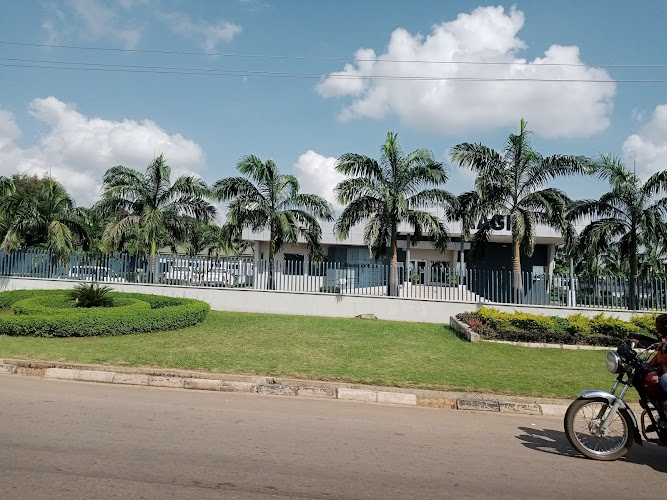
Lafia
About Lafia
Description
Lafia, the capital of Nasarawa State in Nigeria’s North Central region, is one of those cities that quietly surprises travelers. It’s not the kind of place that shouts for attention, yet it has this grounded authenticity that makes you feel like you’ve stumbled upon something real. The city hums with daily life—markets buzzing with traders, motorbikes weaving through narrow streets, and the scent of roasted corn drifting through the air. You can tell the people here are proud of their roots. There’s a calm confidence in how they go about their day, and that’s what gives Lafia its charm.
I remember my first morning there—walking through the Lafia Modern Market, a maze of color and sound that felt alive in every sense. The vendors were friendly, curious, and generous with smiles. One elderly woman insisted I try her local millet drink, kunu, and honestly, it was one of those simple moments that stick with you. That’s Lafia in a nutshell: unpretentious, warm, and full of small joys that make you linger longer than you planned.
The city also holds historical depth. As the headquarters of the Lafia Emirate Council, it has a long-standing cultural heritage rooted in traditional leadership and Hausa-Fulani customs. You can see traces of that heritage in the city’s architecture, its festivals, and even in the way people greet each other—with genuine respect and hospitality. It’s not a polished tourist destination, and maybe that’s why it’s so appealing. Lafia feels lived-in, textured, and real.
Key Features
- Cultural Heritage: The Lafia Emirate Palace stands as a symbol of tradition and authority, offering a glimpse into the region’s deep-rooted history and leadership.
- Local Markets: The city’s bustling markets, particularly the Lafia Modern Market, are perfect for discovering local produce, handcrafted goods, and traditional foods.
- Natural Beauty: Surrounded by rolling hills and open plains, Lafia offers scenic drives and opportunities for exploring rural landscapes.
- Festivals and Events: Cultural festivals bring the city to life with music, dance, and colorful attire, offering visitors a chance to experience genuine local celebration.
- Friendly Locals: The people of Lafia are known for their hospitality and openness, often eager to share their traditions and stories with visitors.
- Traditional Cuisine: From suya (spiced grilled meat) to tuwo shinkafa (rice pudding), the local dishes are hearty, flavorful, and best enjoyed at small roadside spots.
Best Time to Visit
If you’re planning a trip, the best time to visit Lafia is during the dry season, roughly from November to March. The weather is more predictable then—warm days, cooler evenings, and clearer skies that make exploring easier. During the rainy season, from April to October, the roads can get muddy, especially outside the city center, so travel might be slower. But if you don’t mind a bit of rain, the countryside turns lush and green, which is quite beautiful in its own right.
Personally, I like visiting around December. The air feels lighter, the markets are lively with holiday energy, and you can catch local festivals that showcase traditional music and dance. There’s a sense of community that’s almost tangible, and if you’re lucky, you might get invited to a family gathering—Nigerian hospitality is legendary, after all.
How to Get There
Reaching Lafia is relatively straightforward, though it depends on where you’re coming from. The city lies along the route connecting Abuja, Nigeria’s capital, to the northeastern regions, making it accessible by road. From Abuja, it’s about a two to three-hour drive, depending on traffic and road conditions. The drive itself is quite scenic, with stretches of farmland and small towns dotting the route.
If you’re traveling from farther away, you can fly into Abuja’s Nnamdi Azikiwe International Airport and then hire a car or take a bus to Lafia. Several intercity transport companies operate daily routes, offering both budget and more comfortable options. And while there’s no major airport in Lafia yet, the city’s growing importance means infrastructure is improving steadily.
Once you’re in Lafia, getting around is easy enough. Motorcycles, tricycles (known locally as Keke Napep), and taxis are common. Just remember to agree on fares before you hop in—it saves you the awkward back-and-forth later.
Tips for Visiting
Here’s the thing about Lafia—it’s not a city that caters to tourists in the traditional sense, so a bit of flexibility goes a long way. You won’t find luxury resorts or fancy restaurants on every corner, but what you will find is authenticity. And that’s worth far more, in my opinion.
- Pack for the Weather: Lightweight clothing works best during the dry season, but bring a light jacket for cooler evenings. If visiting in the rainy season, waterproof shoes are a must.
- Respect Local Customs: Lafia is a culturally rich and traditional city. Modest clothing and polite behavior are appreciated, especially when visiting the Emir’s Palace or religious sites.
- Try the Local Food: Don’t stick to what you know—sample street food like masa (rice cakes) or miyan kuka (baobab leaf soup). They’re delicious and tell you a lot about the region’s flavor palette.
- Cash is King: While ATMs exist, they’re not always reliable. It’s wise to carry some cash, especially in smaller markets or rural areas.
- Engage with Locals: Conversations often lead to unexpected discoveries—a hidden viewpoint, a local artisan, or a family-run eatery you’d never find online.
- Stay Connected: Mobile networks are generally stable, but it’s smart to get a local SIM card for easier communication and navigation.
- Safety First: Lafia is generally peaceful, but like anywhere, stay aware of your surroundings, especially at night. Stick to well-lit areas and trusted transport options.
One more thing—don’t rush your visit. Lafia isn’t a place you “do” in a day. It’s a place you absorb slowly. Take a walk through the markets, sit under a tree with a cold drink, and just watch life unfold. That’s where the magic lies.
I once spent an afternoon chatting with a group of young artists near the city center. They were painting murals that reflected Lafia’s growing urban identity—modern yet deeply tied to tradition. It struck me how the city, much like Nigeria itself, is in constant motion, balancing its past with its future. That’s the story you’ll feel when you visit.
In the end, Lafia isn’t about ticking off tourist attractions—it’s about connection. With the people, the culture, and the rhythm of everyday life. If you’re the kind of traveler who values genuine experiences over glossy brochures, you’ll find that Lafia has a quiet, enduring charm that stays with you long after you’ve left. It’s the kind of place that reminds you why travel matters in the first place—to see, to listen, and to understand.
Key Features
- Key Features
- Best Time to Visit
- How to Get There
- Tips for Visiting
More Details
Updated December 1, 2025
Table of Contents
Description
Lafia, the capital of Nasarawa State in Nigeria’s North Central region, is one of those cities that quietly surprises travelers. It’s not the kind of place that shouts for attention, yet it has this grounded authenticity that makes you feel like you’ve stumbled upon something real. The city hums with daily life—markets buzzing with traders, motorbikes weaving through narrow streets, and the scent of roasted corn drifting through the air. You can tell the people here are proud of their roots. There’s a calm confidence in how they go about their day, and that’s what gives Lafia its charm.
I remember my first morning there—walking through the Lafia Modern Market, a maze of color and sound that felt alive in every sense. The vendors were friendly, curious, and generous with smiles. One elderly woman insisted I try her local millet drink, kunu, and honestly, it was one of those simple moments that stick with you. That’s Lafia in a nutshell: unpretentious, warm, and full of small joys that make you linger longer than you planned.
The city also holds historical depth. As the headquarters of the Lafia Emirate Council, it has a long-standing cultural heritage rooted in traditional leadership and Hausa-Fulani customs. You can see traces of that heritage in the city’s architecture, its festivals, and even in the way people greet each other—with genuine respect and hospitality. It’s not a polished tourist destination, and maybe that’s why it’s so appealing. Lafia feels lived-in, textured, and real.
Key Features
- Cultural Heritage: The Lafia Emirate Palace stands as a symbol of tradition and authority, offering a glimpse into the region’s deep-rooted history and leadership.
- Local Markets: The city’s bustling markets, particularly the Lafia Modern Market, are perfect for discovering local produce, handcrafted goods, and traditional foods.
- Natural Beauty: Surrounded by rolling hills and open plains, Lafia offers scenic drives and opportunities for exploring rural landscapes.
- Festivals and Events: Cultural festivals bring the city to life with music, dance, and colorful attire, offering visitors a chance to experience genuine local celebration.
- Friendly Locals: The people of Lafia are known for their hospitality and openness, often eager to share their traditions and stories with visitors.
- Traditional Cuisine: From suya (spiced grilled meat) to tuwo shinkafa (rice pudding), the local dishes are hearty, flavorful, and best enjoyed at small roadside spots.
Best Time to Visit
If you’re planning a trip, the best time to visit Lafia is during the dry season, roughly from November to March. The weather is more predictable then—warm days, cooler evenings, and clearer skies that make exploring easier. During the rainy season, from April to October, the roads can get muddy, especially outside the city center, so travel might be slower. But if you don’t mind a bit of rain, the countryside turns lush and green, which is quite beautiful in its own right.
Personally, I like visiting around December. The air feels lighter, the markets are lively with holiday energy, and you can catch local festivals that showcase traditional music and dance. There’s a sense of community that’s almost tangible, and if you’re lucky, you might get invited to a family gathering—Nigerian hospitality is legendary, after all.
How to Get There
Reaching Lafia is relatively straightforward, though it depends on where you’re coming from. The city lies along the route connecting Abuja, Nigeria’s capital, to the northeastern regions, making it accessible by road. From Abuja, it’s about a two to three-hour drive, depending on traffic and road conditions. The drive itself is quite scenic, with stretches of farmland and small towns dotting the route.
If you’re traveling from farther away, you can fly into Abuja’s Nnamdi Azikiwe International Airport and then hire a car or take a bus to Lafia. Several intercity transport companies operate daily routes, offering both budget and more comfortable options. And while there’s no major airport in Lafia yet, the city’s growing importance means infrastructure is improving steadily.
Once you’re in Lafia, getting around is easy enough. Motorcycles, tricycles (known locally as Keke Napep), and taxis are common. Just remember to agree on fares before you hop in—it saves you the awkward back-and-forth later.
Tips for Visiting
Here’s the thing about Lafia—it’s not a city that caters to tourists in the traditional sense, so a bit of flexibility goes a long way. You won’t find luxury resorts or fancy restaurants on every corner, but what you will find is authenticity. And that’s worth far more, in my opinion.
- Pack for the Weather: Lightweight clothing works best during the dry season, but bring a light jacket for cooler evenings. If visiting in the rainy season, waterproof shoes are a must.
- Respect Local Customs: Lafia is a culturally rich and traditional city. Modest clothing and polite behavior are appreciated, especially when visiting the Emir’s Palace or religious sites.
- Try the Local Food: Don’t stick to what you know—sample street food like masa (rice cakes) or miyan kuka (baobab leaf soup). They’re delicious and tell you a lot about the region’s flavor palette.
- Cash is King: While ATMs exist, they’re not always reliable. It’s wise to carry some cash, especially in smaller markets or rural areas.
- Engage with Locals: Conversations often lead to unexpected discoveries—a hidden viewpoint, a local artisan, or a family-run eatery you’d never find online.
- Stay Connected: Mobile networks are generally stable, but it’s smart to get a local SIM card for easier communication and navigation.
- Safety First: Lafia is generally peaceful, but like anywhere, stay aware of your surroundings, especially at night. Stick to well-lit areas and trusted transport options.
One more thing—don’t rush your visit. Lafia isn’t a place you “do” in a day. It’s a place you absorb slowly. Take a walk through the markets, sit under a tree with a cold drink, and just watch life unfold. That’s where the magic lies.
I once spent an afternoon chatting with a group of young artists near the city center. They were painting murals that reflected Lafia’s growing urban identity—modern yet deeply tied to tradition. It struck me how the city, much like Nigeria itself, is in constant motion, balancing its past with its future. That’s the story you’ll feel when you visit.
In the end, Lafia isn’t about ticking off tourist attractions—it’s about connection. With the people, the culture, and the rhythm of everyday life. If you’re the kind of traveler who values genuine experiences over glossy brochures, you’ll find that Lafia has a quiet, enduring charm that stays with you long after you’ve left. It’s the kind of place that reminds you why travel matters in the first place—to see, to listen, and to understand.
Key Highlights
- Key Features
- Best Time to Visit
- How to Get There
- Tips for Visiting
Location
Places to Stay Near Lafia
Find and Book a Tour
Explore More Travel Guides
No reviews found! Be the first to review!
Traveler Reviews for Lafia
There are no reviews yet. Be the first one to write one.
Have you visited Lafia? Help other travelers by sharing your review.
You Might Also Like
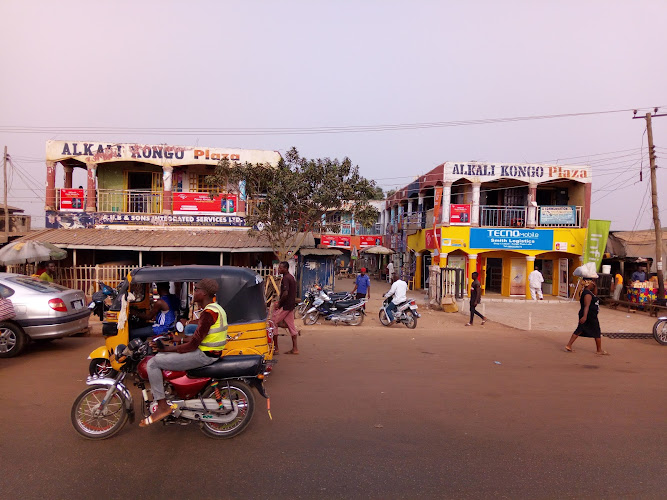
ALKALI KONGO PLAZA
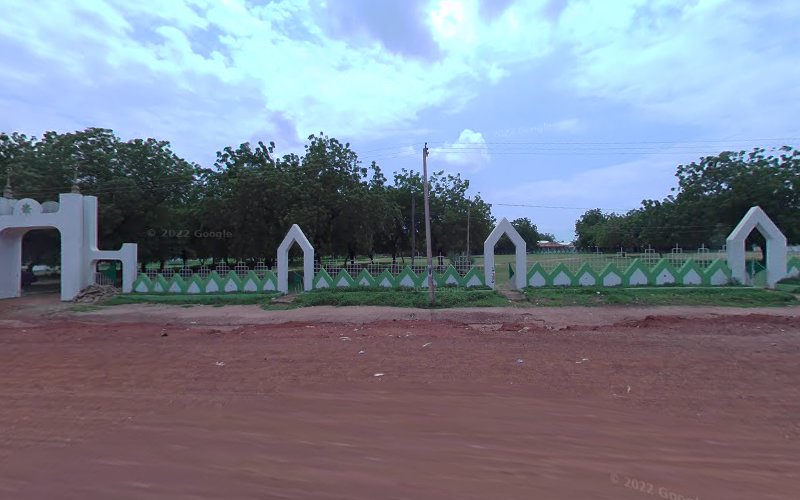
Lafia Praying Ground
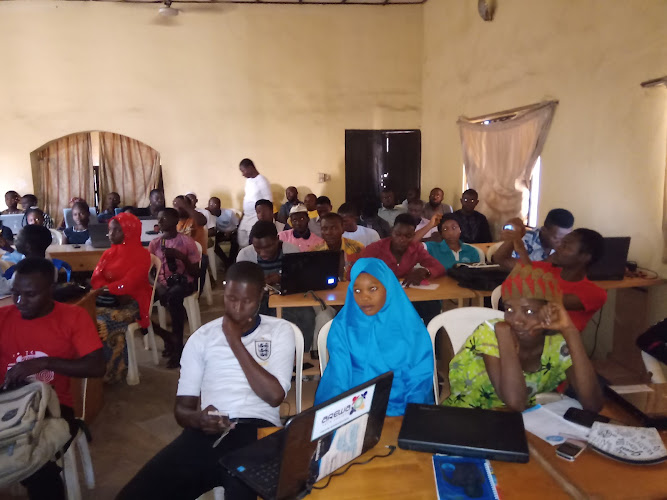
Ibrahim Abacha Youth Center Lafia
Find Accommodations Nearby
Recommended Tours & Activities
Visitor Reviews
There are no reviews yet. Be the first one to write one.
Share Your Experience
Have you visited Lafia? Help other travelers by leaving a review.