About Lafia Square

Description

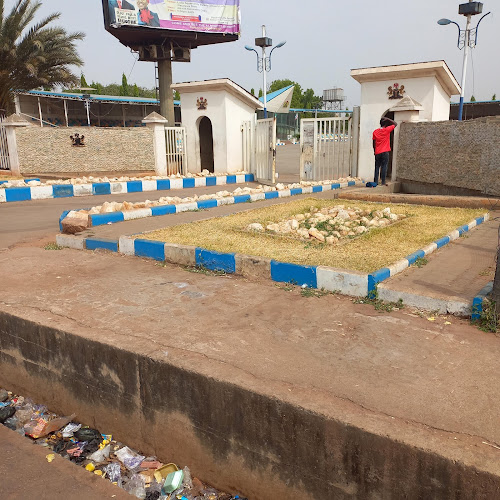
Lafia Square is one of those places that quietly grows on you. At first glance, it might seem like just another open fairground in the heart of Lafia, but spend a little time there and you’ll start to notice the little things that make it special. It’s the kind of spot where locals gather for festivals, concerts, and community events, yet it also manages to offer travelers a glimpse into the daily rhythm of life in Nasarawa State. You can hear laughter echoing across the open grounds, smell roasted corn from nearby vendors, and see kids chasing each other as evening falls. There’s a raw authenticity to it that feels refreshingly real. What I personally love about Lafia Square is how it blends simplicity with purpose. It’s not polished or overly commercialized, and that’s precisely its charm. You’ll find families picnicking under the few shady trees, couples taking evening strolls, and groups of friends chatting long after the sun dips below the horizon. The fairground’s accessibility features—like wheelchair-friendly entrances, restrooms, and parking—make it a welcoming space for everyone, which is something I really appreciate in public areas. It’s not perfect, of course. Sometimes the place gets a bit crowded during public holidays, and the noise levels can rise with the excitement. But that’s also part of its character. It’s a living, breathing space that mirrors the energy of Lafia itself—a city that’s growing fast yet still holding onto its community spirit. If you’re traveling through Nasarawa State and want to experience something genuinely local, Lafia Square is worth a stop. It’s not the sort of attraction you’ll find in glossy travel brochures, but it’s the kind that stays with you because it feels real.

Key Features

  • Open fairground ideal for cultural festivals, concerts, and local fairs
  • Wheelchair-accessible entrance, parking, and restrooms for inclusive access
  • Basic amenities such as public restrooms available on-site
  • Accepts debit card payments for convenience during events
  • Regularly used for community gatherings and local celebrations
  • Spacious layout perfect for photography, picnics, or casual walks
  • Located near central Lafia landmarks, making it easy to reach from most parts of the city

Best Time to Visit

If you’re planning a visit, the best time to experience Lafia Square is during the dry season, roughly between November and March. The weather is warm but not unbearable, and the skies often stay clear—perfect for open-air events or just wandering around. I’d personally avoid the rainy months (April to October) since the fairground can get muddy and less comfortable to walk through. Evenings are particularly magical here. There’s something about the way the lights from nearby stalls flicker against the dusk sky that gives the whole place a cozy, almost nostalgic vibe. And if you happen to visit during a local festival or market fair, you’ll see the square transform into a lively hub of music, dance, and color. It’s during those moments that you really feel the pulse of Lafia.

How to Get There

Reaching Lafia Square is fairly straightforward. The city of Lafia is well-connected by road, and most major routes from Abuja, Jos, or Makurdi lead directly into town. Once you’re in Lafia, getting to the square is simple—you can hop on a local taxi or a motorbike (known locally as okada) for a quick ride. If you’re staying at a nearby hotel, most drivers will know the place instantly, so there’s no need to stress about directions. Public buses also pass through routes close to the square, though they can be a bit crowded at peak hours. Personally, I prefer taking a tricycle (keke) when I’m in Lafia—it’s cheap, breezy, and gives you a chance to soak in the city’s atmosphere. And if you’re driving yourself, there’s usually parking space available, though it can fill up fast during big events.

Tips for Visiting

Here’s where a few personal tips might come in handy. First, bring a hat or cap if you’re visiting during the day—the sun can be pretty unforgiving, especially around noon. A bottle of water wouldn’t hurt either. The fairground is open, so shade is a bit limited. Second, keep some cash on you. Even though debit cards are accepted for certain things, smaller vendors often prefer cash. It’s also a good way to support local sellers who offer handmade crafts, snacks, or souvenirs. If you’re into photography, come around late afternoon. The lighting is soft and golden, and you’ll capture some beautiful shots of everyday life—kids playing, vendors chatting, the occasional musician strumming a tune. And one more thing: talk to people. The locals are friendly and curious, and they love sharing stories about their city. I once struck up a conversation with a vendor selling roasted groundnuts, and before I knew it, he was telling me about how the square used to host traveling circuses decades ago. Those are the kinds of stories you won’t find in guidebooks. Finally, keep an eye on local event schedules. You might stumble upon a cultural fair or music show that turns an ordinary evening into something unforgettable. Lafia Square isn’t about glitz—it’s about connection, community, and the simple joy of being part of something real.

Key Features

  • Open fairground ideal for cultural festivals, concerts, and local fairs
  • Wheelchair-accessible entrance, parking, and restrooms for inclusive access
  • Basic amenities such as public restrooms available on-site
  • Accepts debit card payments for convenience during events
  • Regularly used for community gatherings and local celebrations
  • Spacious layout perfect for photography, picnics, or casual walks
  • Located near central Lafia landmarks, making it easy to reach from most parts of the city

More Details

Updated December 1, 2025


Description

Lafia Square is one of those places that quietly grows on you. At first glance, it might seem like just another open fairground in the heart of Lafia, but spend a little time there and you’ll start to notice the little things that make it special. It’s the kind of spot where locals gather for festivals, concerts, and community events, yet it also manages to offer travelers a glimpse into the daily rhythm of life in Nasarawa State. You can hear laughter echoing across the open grounds, smell roasted corn from nearby vendors, and see kids chasing each other as evening falls. There’s a raw authenticity to it that feels refreshingly real.

What I personally love about Lafia Square is how it blends simplicity with purpose. It’s not polished or overly commercialized, and that’s precisely its charm. You’ll find families picnicking under the few shady trees, couples taking evening strolls, and groups of friends chatting long after the sun dips below the horizon. The fairground’s accessibility features—like wheelchair-friendly entrances, restrooms, and parking—make it a welcoming space for everyone, which is something I really appreciate in public areas.

It’s not perfect, of course. Sometimes the place gets a bit crowded during public holidays, and the noise levels can rise with the excitement. But that’s also part of its character. It’s a living, breathing space that mirrors the energy of Lafia itself—a city that’s growing fast yet still holding onto its community spirit.

If you’re traveling through Nasarawa State and want to experience something genuinely local, Lafia Square is worth a stop. It’s not the sort of attraction you’ll find in glossy travel brochures, but it’s the kind that stays with you because it feels real.

Key Features

  • Open fairground ideal for cultural festivals, concerts, and local fairs
  • Wheelchair-accessible entrance, parking, and restrooms for inclusive access
  • Basic amenities such as public restrooms available on-site
  • Accepts debit card payments for convenience during events
  • Regularly used for community gatherings and local celebrations
  • Spacious layout perfect for photography, picnics, or casual walks
  • Located near central Lafia landmarks, making it easy to reach from most parts of the city

Best Time to Visit

If you’re planning a visit, the best time to experience Lafia Square is during the dry season, roughly between November and March. The weather is warm but not unbearable, and the skies often stay clear—perfect for open-air events or just wandering around. I’d personally avoid the rainy months (April to October) since the fairground can get muddy and less comfortable to walk through.

Evenings are particularly magical here. There’s something about the way the lights from nearby stalls flicker against the dusk sky that gives the whole place a cozy, almost nostalgic vibe. And if you happen to visit during a local festival or market fair, you’ll see the square transform into a lively hub of music, dance, and color. It’s during those moments that you really feel the pulse of Lafia.

How to Get There

Reaching Lafia Square is fairly straightforward. The city of Lafia is well-connected by road, and most major routes from Abuja, Jos, or Makurdi lead directly into town. Once you’re in Lafia, getting to the square is simple—you can hop on a local taxi or a motorbike (known locally as okada) for a quick ride. If you’re staying at a nearby hotel, most drivers will know the place instantly, so there’s no need to stress about directions.

Public buses also pass through routes close to the square, though they can be a bit crowded at peak hours. Personally, I prefer taking a tricycle (keke) when I’m in Lafia—it’s cheap, breezy, and gives you a chance to soak in the city’s atmosphere. And if you’re driving yourself, there’s usually parking space available, though it can fill up fast during big events.

Tips for Visiting

Here’s where a few personal tips might come in handy. First, bring a hat or cap if you’re visiting during the day—the sun can be pretty unforgiving, especially around noon. A bottle of water wouldn’t hurt either. The fairground is open, so shade is a bit limited.

Second, keep some cash on you. Even though debit cards are accepted for certain things, smaller vendors often prefer cash. It’s also a good way to support local sellers who offer handmade crafts, snacks, or souvenirs.

If you’re into photography, come around late afternoon. The lighting is soft and golden, and you’ll capture some beautiful shots of everyday life—kids playing, vendors chatting, the occasional musician strumming a tune.

And one more thing: talk to people. The locals are friendly and curious, and they love sharing stories about their city. I once struck up a conversation with a vendor selling roasted groundnuts, and before I knew it, he was telling me about how the square used to host traveling circuses decades ago. Those are the kinds of stories you won’t find in guidebooks.

Finally, keep an eye on local event schedules. You might stumble upon a cultural fair or music show that turns an ordinary evening into something unforgettable. Lafia Square isn’t about glitz—it’s about connection, community, and the simple joy of being part of something real.

Key Highlights

  • Open fairground ideal for cultural festivals, concerts, and local fairs
  • Wheelchair-accessible entrance, parking, and restrooms for inclusive access
  • Basic amenities such as public restrooms available on-site
  • Accepts debit card payments for convenience during events
  • Regularly used for community gatherings and local celebrations
  • Spacious layout perfect for photography, picnics, or casual walks
  • Located near central Lafia landmarks, making it easy to reach from most parts of the city

Location

Places to Stay Near Lafia Square

Find and Book a Tour

Explore More Travel Guides

No reviews found! Be the first to review!

Traveler Reviews for Lafia Square

There are no reviews yet. Be the first one to write one.

Share Your Experience

Have you visited Lafia Square? Help other travelers by sharing your review.

Find Accommodations Nearby

Recommended Tours & Activities

Visitor Reviews

There are no reviews yet. Be the first one to write one.

Share Your Experience

Have you visited Lafia Square? Help other travelers by leaving a review.