
Lafia Praying Ground
About Lafia Praying Ground
Description
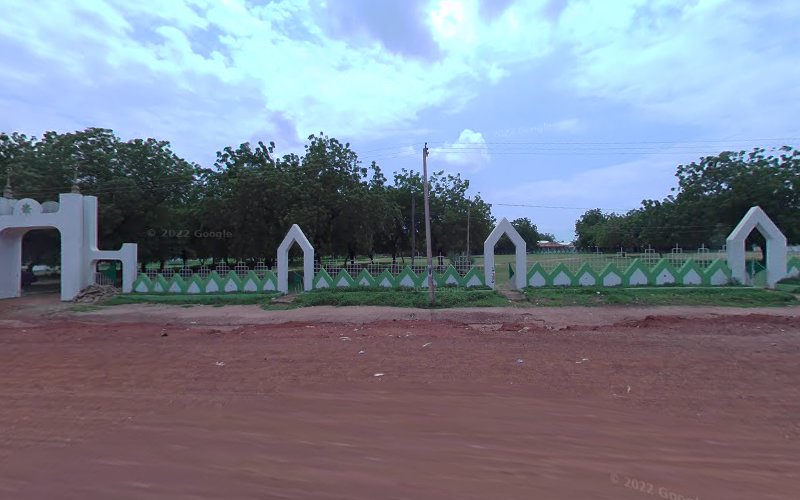
The Lafia Praying Ground stands as one of the most recognizable places of worship in Nasarawa’s capital city. It’s not just a mosque—it’s a gathering point for faith, reflection, and community spirit. Locals often talk about how the atmosphere here feels both peaceful and purposeful, especially during Friday prayers and religious festivals. The sound of prayer calls echoing through the open space has a way of quieting even the busiest mind.
What makes the Lafia Praying Ground special isn’t only its spiritual significance but also its openness to travelers who wish to observe or learn more about Islamic culture in central Nigeria. The grounds are well-kept, and the layout makes it easy for visitors to walk around, observe respectfully, and take in the architectural simplicity that defines the space. It’s not a grand, ornate structure like some mosques in major cities, but there’s a quiet dignity to it—a kind of understated charm that speaks volumes about the local community’s devotion.
I remember my first visit there during a trip through Nasarawa State—I wasn’t sure what to expect. But standing among locals, hearing the rhythmic murmur of prayers, and watching families gather under the soft evening light, it struck me how this place serves as more than a religious site. It’s a social anchor, a point of connection. You can feel that sense of belonging even if you’re just passing through.
Accessibility is another thing worth noting. The entrance and parking areas are wheelchair accessible, which is honestly refreshing to see in a region where that’s not always guaranteed. Restrooms are available too, making it easier for visitors to stay a while without worrying about basic needs. The atmosphere is calm, respectful, and surprisingly welcoming to outsiders, as long as you observe proper etiquette.
Key Features
- Spacious open-air prayer ground accommodating large congregations during major religious events
- Wheelchair-accessible entrance and parking area for easier mobility
- Clean restroom facilities for visitors and worshippers
- Simple yet elegant mosque design reflecting local architectural style
- Peaceful environment ideal for reflection and cultural observation
- Proximity to local markets and eateries, offering a glimpse into daily life in Lafia
- Community-centered atmosphere where locals often engage in charitable and social activities
Best Time to Visit
If you’re planning to visit the Lafia Praying Ground, timing can make all the difference. Fridays are naturally the most active days, especially around midday when congregational prayers take place. The crowd can be large, but it’s a fascinating experience if you want to see the mosque in full motion. For quieter visits, try early mornings or late afternoons on weekdays. The light then is beautiful—soft, golden, and perfect for photography (though always ask permission before taking pictures).
Religious holidays like Eid al-Fitr and Eid al-Adha bring a different kind of energy altogether. The grounds transform into a sea of colors and movement, with people dressed in their best attire, exchanging greetings and sharing food. Even if you’re not Muslim, witnessing the communal joy is something deeply moving. Just remember, during these times, space can be limited, and traffic around the area tends to be heavy.
Weather-wise, the dry season between November and March is probably the most comfortable for travel. The air is clearer, and movement around town is easier without the rains. But if you’re the kind who enjoys lush greenery, the rainy months from May to September paint Lafia in rich shades of green—though you might want to pack an umbrella and sturdy shoes.
How to Get There
Reaching the Lafia Praying Ground is fairly straightforward if you’re already in Nasarawa State. Lafia sits along major routes connecting it to Abuja and Makurdi, so road travel is the most common option. From Abuja, it’s roughly a two-and-a-half-hour drive, depending on traffic and road conditions. Buses and shared taxis leave regularly from the capital and nearby towns, dropping passengers close to the city center.
Once in Lafia, local tricycles—popularly called “Keke”—and motorbikes can take you directly to the praying ground. They’re affordable and easy to find, though it’s always wise to confirm the fare before hopping in. If you’re driving yourself, you’ll find parking space nearby, and the layout is simple enough to navigate even if it’s your first visit.
For those who prefer a bit more comfort, hiring a private driver or using a ride-hailing service (available in some parts of the city) can make the journey smoother. The roads leading to the site are paved, though a bit dusty during the dry season. You might want to bring a scarf or sunglasses if you’re sensitive to dust.
Tips for Visiting
Visiting the Lafia Praying Ground is an experience that rewards respect and curiosity. Here are a few tips to help you make the most of your time:
- Dress modestly: Both men and women should wear clothing that covers shoulders and knees. Women may consider bringing a scarf or shawl to cover their hair when entering the mosque area.
- Remove your shoes: It’s customary to take off footwear before stepping onto the prayer area. There are usually designated spots for this.
- Be mindful of prayer times: Avoid walking across the prayer space during active worship. If you’re just observing, stand quietly at the edges.
- Ask before taking photos: Some worshippers may not be comfortable being photographed, especially during prayers. A polite request goes a long way.
- Bring small cash: Donations to support mosque maintenance are appreciated, though not required. Having small bills on hand can also help with local transport or refreshments afterward.
- Stay hydrated: Lafia’s climate can be hot, especially around midday. Carry a bottle of water, but avoid drinking or eating within the prayer area.
- Engage respectfully: Locals are generally friendly and open to conversation. If you’re curious about Islamic practices, most will gladly explain—just approach with genuine interest and respect.
And here’s a small personal note: during my last visit, I met an elderly man who had been coming to the Lafia Praying Ground for over three decades. He told me, with a smile, that the place hadn’t changed much—only the faces had. That stuck with me. It reminded me that places like this hold stories, not just structures. Each visit feels like stepping into a living narrative of faith and community.
So, whether you’re a traveler chasing cultural insight, a photographer seeking authenticity, or simply someone who enjoys quiet moments in meaningful spaces, the Lafia Praying Ground offers something rare—a glimpse into the heart of everyday spirituality in Nigeria. It’s not flashy or commercialized, and maybe that’s its greatest charm. You leave feeling grounded, even if only for a while.
Key Features
- Spacious open-air prayer ground accommodating large congregations during major religious events
- Wheelchair-accessible entrance and parking area for easier mobility
- Clean restroom facilities for visitors and worshippers
- Simple yet elegant mosque design reflecting local architectural style
- Peaceful environment ideal for reflection and cultural observation
- Proximity to local markets and eateries, offering a glimpse into daily life in Lafia
- Community-centered atmosphere where locals often engage in charitable and social activities
More Details
Updated December 1, 2025
Table of Contents
Description
The Lafia Praying Ground stands as one of the most recognizable places of worship in Nasarawa’s capital city. It’s not just a mosque—it’s a gathering point for faith, reflection, and community spirit. Locals often talk about how the atmosphere here feels both peaceful and purposeful, especially during Friday prayers and religious festivals. The sound of prayer calls echoing through the open space has a way of quieting even the busiest mind.
What makes the Lafia Praying Ground special isn’t only its spiritual significance but also its openness to travelers who wish to observe or learn more about Islamic culture in central Nigeria. The grounds are well-kept, and the layout makes it easy for visitors to walk around, observe respectfully, and take in the architectural simplicity that defines the space. It’s not a grand, ornate structure like some mosques in major cities, but there’s a quiet dignity to it—a kind of understated charm that speaks volumes about the local community’s devotion.
I remember my first visit there during a trip through Nasarawa State—I wasn’t sure what to expect. But standing among locals, hearing the rhythmic murmur of prayers, and watching families gather under the soft evening light, it struck me how this place serves as more than a religious site. It’s a social anchor, a point of connection. You can feel that sense of belonging even if you’re just passing through.
Accessibility is another thing worth noting. The entrance and parking areas are wheelchair accessible, which is honestly refreshing to see in a region where that’s not always guaranteed. Restrooms are available too, making it easier for visitors to stay a while without worrying about basic needs. The atmosphere is calm, respectful, and surprisingly welcoming to outsiders, as long as you observe proper etiquette.
Key Features
- Spacious open-air prayer ground accommodating large congregations during major religious events
- Wheelchair-accessible entrance and parking area for easier mobility
- Clean restroom facilities for visitors and worshippers
- Simple yet elegant mosque design reflecting local architectural style
- Peaceful environment ideal for reflection and cultural observation
- Proximity to local markets and eateries, offering a glimpse into daily life in Lafia
- Community-centered atmosphere where locals often engage in charitable and social activities
Best Time to Visit
If you’re planning to visit the Lafia Praying Ground, timing can make all the difference. Fridays are naturally the most active days, especially around midday when congregational prayers take place. The crowd can be large, but it’s a fascinating experience if you want to see the mosque in full motion. For quieter visits, try early mornings or late afternoons on weekdays. The light then is beautiful—soft, golden, and perfect for photography (though always ask permission before taking pictures).
Religious holidays like Eid al-Fitr and Eid al-Adha bring a different kind of energy altogether. The grounds transform into a sea of colors and movement, with people dressed in their best attire, exchanging greetings and sharing food. Even if you’re not Muslim, witnessing the communal joy is something deeply moving. Just remember, during these times, space can be limited, and traffic around the area tends to be heavy.
Weather-wise, the dry season between November and March is probably the most comfortable for travel. The air is clearer, and movement around town is easier without the rains. But if you’re the kind who enjoys lush greenery, the rainy months from May to September paint Lafia in rich shades of green—though you might want to pack an umbrella and sturdy shoes.
How to Get There
Reaching the Lafia Praying Ground is fairly straightforward if you’re already in Nasarawa State. Lafia sits along major routes connecting it to Abuja and Makurdi, so road travel is the most common option. From Abuja, it’s roughly a two-and-a-half-hour drive, depending on traffic and road conditions. Buses and shared taxis leave regularly from the capital and nearby towns, dropping passengers close to the city center.
Once in Lafia, local tricycles—popularly called “Keke”—and motorbikes can take you directly to the praying ground. They’re affordable and easy to find, though it’s always wise to confirm the fare before hopping in. If you’re driving yourself, you’ll find parking space nearby, and the layout is simple enough to navigate even if it’s your first visit.
For those who prefer a bit more comfort, hiring a private driver or using a ride-hailing service (available in some parts of the city) can make the journey smoother. The roads leading to the site are paved, though a bit dusty during the dry season. You might want to bring a scarf or sunglasses if you’re sensitive to dust.
Tips for Visiting
Visiting the Lafia Praying Ground is an experience that rewards respect and curiosity. Here are a few tips to help you make the most of your time:
- Dress modestly: Both men and women should wear clothing that covers shoulders and knees. Women may consider bringing a scarf or shawl to cover their hair when entering the mosque area.
- Remove your shoes: It’s customary to take off footwear before stepping onto the prayer area. There are usually designated spots for this.
- Be mindful of prayer times: Avoid walking across the prayer space during active worship. If you’re just observing, stand quietly at the edges.
- Ask before taking photos: Some worshippers may not be comfortable being photographed, especially during prayers. A polite request goes a long way.
- Bring small cash: Donations to support mosque maintenance are appreciated, though not required. Having small bills on hand can also help with local transport or refreshments afterward.
- Stay hydrated: Lafia’s climate can be hot, especially around midday. Carry a bottle of water, but avoid drinking or eating within the prayer area.
- Engage respectfully: Locals are generally friendly and open to conversation. If you’re curious about Islamic practices, most will gladly explain—just approach with genuine interest and respect.
And here’s a small personal note: during my last visit, I met an elderly man who had been coming to the Lafia Praying Ground for over three decades. He told me, with a smile, that the place hadn’t changed much—only the faces had. That stuck with me. It reminded me that places like this hold stories, not just structures. Each visit feels like stepping into a living narrative of faith and community.
So, whether you’re a traveler chasing cultural insight, a photographer seeking authenticity, or simply someone who enjoys quiet moments in meaningful spaces, the Lafia Praying Ground offers something rare—a glimpse into the heart of everyday spirituality in Nigeria. It’s not flashy or commercialized, and maybe that’s its greatest charm. You leave feeling grounded, even if only for a while.
Key Highlights
- Spacious open-air prayer ground accommodating large congregations during major religious events
- Wheelchair-accessible entrance and parking area for easier mobility
- Clean restroom facilities for visitors and worshippers
- Simple yet elegant mosque design reflecting local architectural style
- Peaceful environment ideal for reflection and cultural observation
- Proximity to local markets and eateries, offering a glimpse into daily life in Lafia
- Community-centered atmosphere where locals often engage in charitable and social activities
Location
Places to Stay Near Lafia Praying Ground
Find and Book a Tour
Explore More Travel Guides
No reviews found! Be the first to review!
Traveler Reviews for Lafia Praying Ground
There are no reviews yet. Be the first one to write one.
Have you visited Lafia Praying Ground? Help other travelers by sharing your review.
You Might Also Like
Kwararafa Youth Assembly

ismail abdullahi ubana business centre lafia
Lafia Central Mosque
Find Accommodations Nearby
Recommended Tours & Activities
Visitor Reviews
There are no reviews yet. Be the first one to write one.
Share Your Experience
Have you visited Lafia Praying Ground? Help other travelers by leaving a review.