
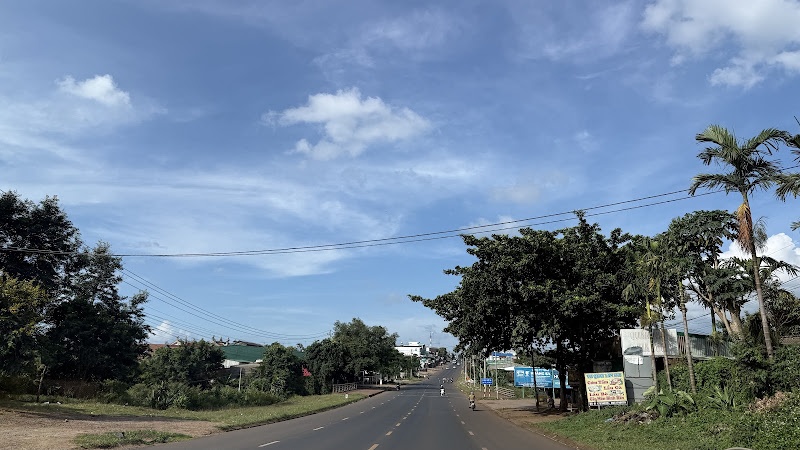
Dak Lak
About Dak Lak
Description
Dak Lak, tucked deep in Vietnam’s Central Highlands, feels like a place where time slows down just enough for you to catch your breath. It’s not one of those overly polished tourist hubs — and honestly, that’s a big part of its charm. The province stretches across rugged mountains, rolling coffee plantations, and quiet villages where the rhythm of life still follows the land and the seasons. It borders Gia Lai, Khanh Hoa, Lam Dong, and even touches Cambodia’s Mondulkiri province to the west, giving it this fascinating blend of cultures and landscapes that you won’t find anywhere else.
There’s something raw and real about Dak Lak. The air smells faintly of roasted coffee beans (no surprise, since Buon Ma Thuot, the provincial capital, is Vietnam’s coffee heartland). You’ll see farmers tending to their crops at dawn, children giggling as they chase each other through red dirt roads, and elephants — yes, actual elephants — wandering near Lak Lake with their mahouts. It’s a place where modern life brushes gently against ancient traditions, and somehow, it just works.
The indigenous communities here — the Ede, Jarai, and Mnong people — have lived in harmony with the land for generations. Their longhouses, traditional gongs, and vibrant rituals tell stories of resilience and connection. When you visit, you don’t just see Dak Lak; you feel it through the warmth of its people, the hum of its forests, and the deep, earthy flavor of its coffee. It’s a region that doesn’t try to impress — it just quietly wins you over.
Key Features
- Buon Ma Thuot: The capital city and Vietnam’s coffee epicenter, filled with aromatic cafés and local roasters.
- Yok Don National Park: One of the largest protected forests in Vietnam, home to elephants, gibbons, and rare bird species.
- Lak Lake: A tranquil freshwater lake surrounded by stilt houses and lush hills — perfect for canoeing or a quiet picnic.
- Dray Nur and Dray Sap Waterfalls: Twin cascades that thunder through the jungle, offering a refreshing escape and great photo ops.
- Ethnic Villages: Authentic Ede and Mnong villages where visitors can experience local crafts, gong performances, and traditional cuisine.
- Coffee Plantations: Endless green fields producing some of the world’s best Robusta beans — with tours that let you taste the process from bean to brew.
- Elephant Conservation Efforts: Programs near Lak Lake and Yok Don that focus on ethical elephant tourism and wildlife protection.
Best Time to Visit
If you’re not a fan of getting drenched, you’ll want to plan your trip between November and April — that’s the dry season, when the skies are mostly clear, and the weather is pleasantly cool. The air feels crisp in the mornings, perfect for sipping a strong cup of local coffee while watching the mist lift off the hills.
The rainy season, from May to October, paints the landscape in the most beautiful shades of green. Roads can get muddy, sure, but it’s also when waterfalls like Dray Nur are at their most powerful. If you don’t mind a bit of adventure (and maybe a bit of mud on your shoes), it’s actually a great time to experience Dak Lak’s wild side. I once visited in mid-August — soaked through by an afternoon downpour — but the sight of the waterfalls roaring like thunder made every soggy step worth it.
And if you time your visit right, you might catch the Coffee Festival in Buon Ma Thuot, which usually happens every two years around March. It’s a lively celebration of the province’s pride and joy, complete with music, parades, and, of course, endless coffee tastings.
How to Get There
Getting to Dak Lak is easier than you might think, though it still feels like an adventure. The Buon Ma Thuot Airport (BMV) connects the province with major Vietnamese cities like Hanoi, Ho Chi Minh City, and Da Nang. Flights are short and fairly affordable — just over an hour from Ho Chi Minh City, give or take.
If you prefer the scenic route, buses and motorbike trips from nearby provinces are an option. The ride from Da Lat or Nha Trang takes about 4–6 hours, winding through mountain passes and coffee-covered hills. I once took the bus from Da Lat — not the smoothest ride, but watching the landscape shift from pine forests to red earth plains was mesmerizing.
Within the province, getting around means embracing the local rhythm. Motorbikes are the best way to explore freely, especially if you want to stop at hidden waterfalls or small villages. Taxis and private cars are available too, but there’s something special about cruising on two wheels, feeling the wind and smelling the coffee fields as you go.
Tips for Visiting
A few honest tips from someone who’s been there, done that (and maybe got a bit sunburned doing it):
- Pack for variety: The weather can shift quickly — cool mornings, hot afternoons, and chilly nights. A light jacket and breathable clothes are your best friends.
- Try the local coffee: Seriously, don’t leave without sipping a thick, strong cup of Dak Lak’s Robusta. It’s bold, earthy, and unforgettable — kind of like the province itself.
- Respect local customs: When visiting ethnic villages, ask before taking photos and try to learn a few words in the local dialect. A simple “hello” or smile goes a long way.
- Bring cash: ATMs can be scarce outside Buon Ma Thuot, and smaller villages often don’t accept cards.
- Stay ethical: If you want to see elephants, choose sanctuaries or conservation-based tours instead of riding camps. The animals deserve kindness, not exploitation.
- Waterfalls are slippery: Trust me on this one — wear good shoes. I once underestimated Dray Sap’s rocks and ended up with a very dramatic (and very cold) splash.
- Plan your route: Dak Lak is large and spread out. Having a loose itinerary helps you make the most of your time without rushing.
Most of all, give yourself time to just be there. Sit by Lak Lake at sunset, listen to the distant gongs echoing through the hills, or chat with a local farmer about the coffee harvest. Dak Lak isn’t a place you rush through — it’s one you let unfold slowly, one story, one smile, one cup of coffee at a time.
In a world where travel often feels rushed and curated, Dak Lak stands out as a reminder of what it means to explore with curiosity and heart. It’s not perfect — and that’s exactly what makes it so special.
Key Features
- Key Features
- Best Time to Visit
- How to Get There
- Tips for Visiting
More Details
Updated December 1, 2025
Description
Dak Lak, tucked deep in Vietnam’s Central Highlands, feels like a place where time slows down just enough for you to catch your breath. It’s not one of those overly polished tourist hubs — and honestly, that’s a big part of its charm. The province stretches across rugged mountains, rolling coffee plantations, and quiet villages where the rhythm of life still follows the land and the seasons. It borders Gia Lai, Khanh Hoa, Lam Dong, and even touches Cambodia’s Mondulkiri province to the west, giving it this fascinating blend of cultures and landscapes that you won’t find anywhere else.
There’s something raw and real about Dak Lak. The air smells faintly of roasted coffee beans (no surprise, since Buon Ma Thuot, the provincial capital, is Vietnam’s coffee heartland). You’ll see farmers tending to their crops at dawn, children giggling as they chase each other through red dirt roads, and elephants — yes, actual elephants — wandering near Lak Lake with their mahouts. It’s a place where modern life brushes gently against ancient traditions, and somehow, it just works.
The indigenous communities here — the Ede, Jarai, and Mnong people — have lived in harmony with the land for generations. Their longhouses, traditional gongs, and vibrant rituals tell stories of resilience and connection. When you visit, you don’t just see Dak Lak; you feel it through the warmth of its people, the hum of its forests, and the deep, earthy flavor of its coffee. It’s a region that doesn’t try to impress — it just quietly wins you over.
Key Features
- Buon Ma Thuot: The capital city and Vietnam’s coffee epicenter, filled with aromatic cafés and local roasters.
- Yok Don National Park: One of the largest protected forests in Vietnam, home to elephants, gibbons, and rare bird species.
- Lak Lake: A tranquil freshwater lake surrounded by stilt houses and lush hills — perfect for canoeing or a quiet picnic.
- Dray Nur and Dray Sap Waterfalls: Twin cascades that thunder through the jungle, offering a refreshing escape and great photo ops.
- Ethnic Villages: Authentic Ede and Mnong villages where visitors can experience local crafts, gong performances, and traditional cuisine.
- Coffee Plantations: Endless green fields producing some of the world’s best Robusta beans — with tours that let you taste the process from bean to brew.
- Elephant Conservation Efforts: Programs near Lak Lake and Yok Don that focus on ethical elephant tourism and wildlife protection.
Best Time to Visit
If you’re not a fan of getting drenched, you’ll want to plan your trip between November and April — that’s the dry season, when the skies are mostly clear, and the weather is pleasantly cool. The air feels crisp in the mornings, perfect for sipping a strong cup of local coffee while watching the mist lift off the hills.
The rainy season, from May to October, paints the landscape in the most beautiful shades of green. Roads can get muddy, sure, but it’s also when waterfalls like Dray Nur are at their most powerful. If you don’t mind a bit of adventure (and maybe a bit of mud on your shoes), it’s actually a great time to experience Dak Lak’s wild side. I once visited in mid-August — soaked through by an afternoon downpour — but the sight of the waterfalls roaring like thunder made every soggy step worth it.
And if you time your visit right, you might catch the Coffee Festival in Buon Ma Thuot, which usually happens every two years around March. It’s a lively celebration of the province’s pride and joy, complete with music, parades, and, of course, endless coffee tastings.
How to Get There
Getting to Dak Lak is easier than you might think, though it still feels like an adventure. The Buon Ma Thuot Airport (BMV) connects the province with major Vietnamese cities like Hanoi, Ho Chi Minh City, and Da Nang. Flights are short and fairly affordable — just over an hour from Ho Chi Minh City, give or take.
If you prefer the scenic route, buses and motorbike trips from nearby provinces are an option. The ride from Da Lat or Nha Trang takes about 4–6 hours, winding through mountain passes and coffee-covered hills. I once took the bus from Da Lat — not the smoothest ride, but watching the landscape shift from pine forests to red earth plains was mesmerizing.
Within the province, getting around means embracing the local rhythm. Motorbikes are the best way to explore freely, especially if you want to stop at hidden waterfalls or small villages. Taxis and private cars are available too, but there’s something special about cruising on two wheels, feeling the wind and smelling the coffee fields as you go.
Tips for Visiting
A few honest tips from someone who’s been there, done that (and maybe got a bit sunburned doing it):
- Pack for variety: The weather can shift quickly — cool mornings, hot afternoons, and chilly nights. A light jacket and breathable clothes are your best friends.
- Try the local coffee: Seriously, don’t leave without sipping a thick, strong cup of Dak Lak’s Robusta. It’s bold, earthy, and unforgettable — kind of like the province itself.
- Respect local customs: When visiting ethnic villages, ask before taking photos and try to learn a few words in the local dialect. A simple “hello” or smile goes a long way.
- Bring cash: ATMs can be scarce outside Buon Ma Thuot, and smaller villages often don’t accept cards.
- Stay ethical: If you want to see elephants, choose sanctuaries or conservation-based tours instead of riding camps. The animals deserve kindness, not exploitation.
- Waterfalls are slippery: Trust me on this one — wear good shoes. I once underestimated Dray Sap’s rocks and ended up with a very dramatic (and very cold) splash.
- Plan your route: Dak Lak is large and spread out. Having a loose itinerary helps you make the most of your time without rushing.
Most of all, give yourself time to just be there. Sit by Lak Lake at sunset, listen to the distant gongs echoing through the hills, or chat with a local farmer about the coffee harvest. Dak Lak isn’t a place you rush through — it’s one you let unfold slowly, one story, one smile, one cup of coffee at a time.
In a world where travel often feels rushed and curated, Dak Lak stands out as a reminder of what it means to explore with curiosity and heart. It’s not perfect — and that’s exactly what makes it so special.
Key Highlights
- Key Features
- Best Time to Visit
- How to Get There
- Tips for Visiting
Location
Places to Stay Near Dak Lak
Find and Book a Tour
Explore More Travel Guides
No reviews found! Be the first to review!
Traveler Reviews for Dak Lak
There are no reviews yet. Be the first one to write one.
Have you visited Dak Lak? Help other travelers by sharing your review.
You Might Also Like
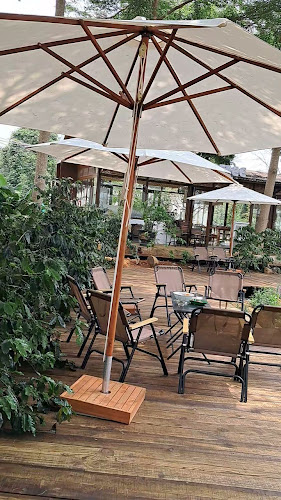
Aeroco Specialty Coffee Farm
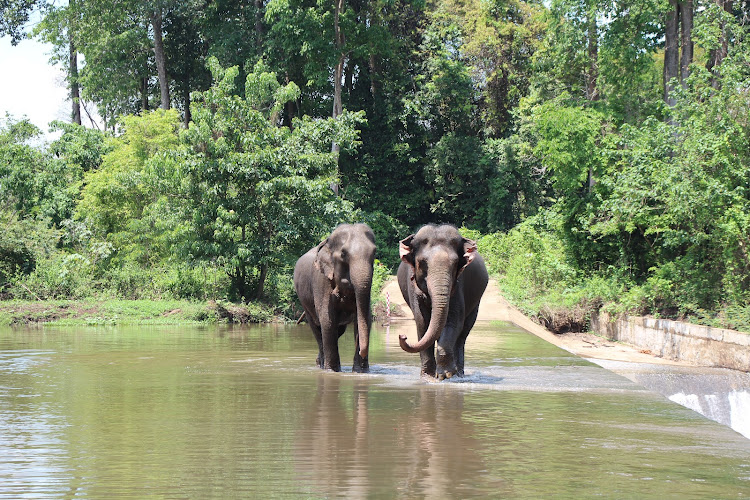
Yok Don National Park
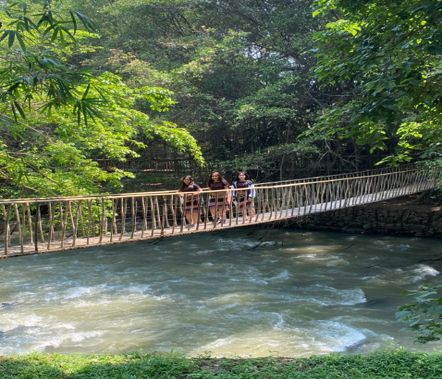
Buon Don Tourist Center
Find Accommodations Nearby
Recommended Tours & Activities
Visitor Reviews
There are no reviews yet. Be the first one to write one.
Share Your Experience
Have you visited Dak Lak? Help other travelers by leaving a review.