
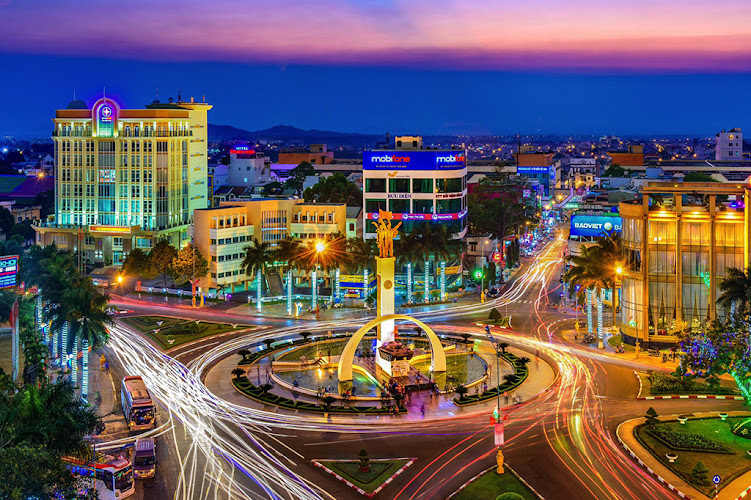
Tượng Đài Chiến thắng Buôn Ma Thuột
About Tượng Đài Chiến thắng Buôn Ma Thuột
Description
The Tượng Đài Chiến thắng Buôn Ma Thuột, or Buon Ma Thuot Victory Monument, stands proudly in the heart of Đắk Lắk’s provincial capital. It’s one of those places you can’t miss — literally and figuratively. Sitting at a busy road junction, this monument commands attention with its towering presence, a blend of history, art, and symbolism that tells the story of Vietnam’s struggle and triumph during the Vietnam War. The structure itself is grand but not pretentious — an archway, a tall pillar, heroic figures, and an old tank that once symbolized power and resilience. It’s a landmark that locals pass daily, but travelers often pause to take in its weight and meaning.
There’s something raw and honest about this monument. It doesn’t try to be overly polished or touristy, and maybe that’s what gives it its charm. The figures atop the pillar seem to reach for something beyond victory — perhaps peace, or just a moment of reflection. I remember standing there once, the sun beating down on the bronze surfaces, and feeling a strange mix of pride and melancholy. It’s not the kind of place you visit for entertainment, but rather to understand a piece of Vietnam’s soul. And even if you’re not a history buff, you can’t help but feel the gravity of the place.
What’s interesting is how the monument sits amid the hum of everyday life. Motorbikes zip past, kids laugh nearby, and street vendors sell iced coffee within sight of the tank. It’s a powerful reminder that life moves forward, even as history stands still in stone and steel. The atmosphere is both solemn and alive — a paradox that somehow works beautifully here.
Key Features
- Iconic Architecture: The monument features a large archway and a tall central pillar topped with heroic statues representing Vietnam’s victory and resilience.
- Historic Tank: A real tank, symbolizing the decisive battle of Buon Ma Thuot during the Vietnam War, is displayed prominently as part of the monument.
- Cultural Symbolism: The figures and motifs illustrate the unity and determination of the Vietnamese people during wartime.
- Central Location: Positioned at a major intersection, it’s easily visible and accessible by foot or vehicle from most parts of the city center.
- Local Gathering Spot: While it’s a historical landmark, it’s also a favorite spot for locals to meet, take photos, or simply enjoy the open space around it.
- Night Illumination: The monument lights up beautifully after sunset, giving it a different, almost cinematic atmosphere.
Some travelers might find it smaller than expected, but that’s part of its understated beauty. It’s not trying to outshine the city — it’s woven into it. The tank, though weathered, draws a lot of attention. Kids love climbing around it (though technically, they shouldn’t), and photographers often linger for that perfect shot when the late afternoon light hits the metal just right.
Best Time to Visit
If you’re planning a visit, mornings and late afternoons are your best bet. The light is softer, the air cooler, and the traffic a little less chaotic. Around sunrise, the monument basks in golden light, and the nearby streets are just starting to stir — it’s a peaceful moment before the city wakes up. In the evening, the monument lights up, and you can catch locals out for a stroll or chatting nearby. It’s a great time to soak in the local rhythm of Buon Ma Thuot life.
Avoid midday if you can — the sun can be relentless, and there’s not much shade around. During the dry season, which runs roughly from November to April, the weather is ideal for sightseeing. The skies are clear, and you can wander around without worrying about sudden downpours. If you visit during the rainy season, though, there’s a certain charm to seeing the monument glisten after a fresh shower. Just bring an umbrella… trust me on that one.
How to Get There
Getting to the monument is quite straightforward. It’s located right in the central area of Buon Ma Thuot, so you won’t have to venture far. Most hotels and guesthouses are within a short drive or even walking distance. If you’re staying elsewhere in Đắk Lắk, you can easily hire a taxi or use a ride-hailing app — the drivers always know where to go if you just say “Chiến thắng Buôn Ma Thuột.”
For the more adventurous traveler, renting a motorbike is a fun way to explore the city and its surroundings. The roads are generally in decent condition, though traffic can be a bit unpredictable (especially during rush hours). And if you’re coming from the bus station or airport, expect about a 10–15 minute ride. The monument’s central location makes it a convenient first stop when exploring the city’s historical and cultural highlights.
Public transportation options are limited, but walking from nearby attractions like the Buon Ma Thuot Museum or the city park is perfectly doable. Along the way, you’ll pass through lively streets filled with coffee shops — this is, after all, Vietnam’s coffee capital — so you might as well grab a cup of local brew before heading over.
Tips for Visiting
Here’s where a few practical notes come in handy. The monument area is open to the public and free to visit, so you can stop by anytime. However, it’s best to plan your visit during daylight hours when you can fully appreciate the details of the sculptures and the tank. There’s no official tour or guide on-site, but reading a bit about the Battle of Buon Ma Thuot beforehand helps you understand what you’re looking at — it adds a layer of meaning to the experience.
- Bring water: There’s not much shade, and the heat can sneak up on you.
- Be mindful of traffic: The monument sits at a busy junction, so watch your step when crossing the road for photos.
- Photography: Early morning and late afternoon are prime times for photos. The lighting is softer and more flattering.
- Respect the site: It’s a war memorial, so while taking photos is fine, avoid climbing the statues or tank.
- Combine visits: Pair your stop here with nearby attractions like the Buon Ma Thuot Museum or a local coffee shop for a fuller experience.
- Accessibility: Unfortunately, the area isn’t very wheelchair-friendly, and parking can be tricky during peak hours.
One thing I noticed when I first visited is how the monument feels different depending on the time of day. In the morning, it’s calm — you might see locals exercising nearby or school kids passing by on their way to class. By late afternoon, the energy shifts; it becomes more social, lively, almost like a community hub. And if you happen to be there during a national holiday, you’ll see the place adorned with flags and flowers, a sight that gives you goosebumps even if you’re just a visitor passing through.
Also, don’t rush it. Take a few minutes to walk around, look at the carvings, the tank’s details, and the expressions on the statues. There’s a story in every angle. And if you’re lucky, you might strike up a chat with a local who’ll share their own perspective — many have personal or family connections to the war, and their stories bring the monument to life in ways no guidebook ever could.
All in all, Tượng Đài Chiến thắng Buôn Ma Thuột is more than just a photo stop. It’s a piece of living history, standing tall amid the pulse of modern Vietnam. Whether you’re a history enthusiast, a curious traveler, or just someone who enjoys discovering the deeper layers of a place, this monument has a quiet power that stays with you long after you’ve left. It’s not flashy, it’s not polished — but it’s real, and that’s what makes it unforgettable.
Key Features
- Key Features
- Best Time to Visit
- How to Get There
- Tips for Visiting
More Details
Updated December 1, 2025
Description
The Tượng Đài Chiến thắng Buôn Ma Thuột, or Buon Ma Thuot Victory Monument, stands proudly in the heart of Đắk Lắk’s provincial capital. It’s one of those places you can’t miss — literally and figuratively. Sitting at a busy road junction, this monument commands attention with its towering presence, a blend of history, art, and symbolism that tells the story of Vietnam’s struggle and triumph during the Vietnam War. The structure itself is grand but not pretentious — an archway, a tall pillar, heroic figures, and an old tank that once symbolized power and resilience. It’s a landmark that locals pass daily, but travelers often pause to take in its weight and meaning.
There’s something raw and honest about this monument. It doesn’t try to be overly polished or touristy, and maybe that’s what gives it its charm. The figures atop the pillar seem to reach for something beyond victory — perhaps peace, or just a moment of reflection. I remember standing there once, the sun beating down on the bronze surfaces, and feeling a strange mix of pride and melancholy. It’s not the kind of place you visit for entertainment, but rather to understand a piece of Vietnam’s soul. And even if you’re not a history buff, you can’t help but feel the gravity of the place.
What’s interesting is how the monument sits amid the hum of everyday life. Motorbikes zip past, kids laugh nearby, and street vendors sell iced coffee within sight of the tank. It’s a powerful reminder that life moves forward, even as history stands still in stone and steel. The atmosphere is both solemn and alive — a paradox that somehow works beautifully here.
Key Features
- Iconic Architecture: The monument features a large archway and a tall central pillar topped with heroic statues representing Vietnam’s victory and resilience.
- Historic Tank: A real tank, symbolizing the decisive battle of Buon Ma Thuot during the Vietnam War, is displayed prominently as part of the monument.
- Cultural Symbolism: The figures and motifs illustrate the unity and determination of the Vietnamese people during wartime.
- Central Location: Positioned at a major intersection, it’s easily visible and accessible by foot or vehicle from most parts of the city center.
- Local Gathering Spot: While it’s a historical landmark, it’s also a favorite spot for locals to meet, take photos, or simply enjoy the open space around it.
- Night Illumination: The monument lights up beautifully after sunset, giving it a different, almost cinematic atmosphere.
Some travelers might find it smaller than expected, but that’s part of its understated beauty. It’s not trying to outshine the city — it’s woven into it. The tank, though weathered, draws a lot of attention. Kids love climbing around it (though technically, they shouldn’t), and photographers often linger for that perfect shot when the late afternoon light hits the metal just right.
Best Time to Visit
If you’re planning a visit, mornings and late afternoons are your best bet. The light is softer, the air cooler, and the traffic a little less chaotic. Around sunrise, the monument basks in golden light, and the nearby streets are just starting to stir — it’s a peaceful moment before the city wakes up. In the evening, the monument lights up, and you can catch locals out for a stroll or chatting nearby. It’s a great time to soak in the local rhythm of Buon Ma Thuot life.
Avoid midday if you can — the sun can be relentless, and there’s not much shade around. During the dry season, which runs roughly from November to April, the weather is ideal for sightseeing. The skies are clear, and you can wander around without worrying about sudden downpours. If you visit during the rainy season, though, there’s a certain charm to seeing the monument glisten after a fresh shower. Just bring an umbrella… trust me on that one.
How to Get There
Getting to the monument is quite straightforward. It’s located right in the central area of Buon Ma Thuot, so you won’t have to venture far. Most hotels and guesthouses are within a short drive or even walking distance. If you’re staying elsewhere in Đắk Lắk, you can easily hire a taxi or use a ride-hailing app — the drivers always know where to go if you just say “Chiến thắng Buôn Ma Thuột.”
For the more adventurous traveler, renting a motorbike is a fun way to explore the city and its surroundings. The roads are generally in decent condition, though traffic can be a bit unpredictable (especially during rush hours). And if you’re coming from the bus station or airport, expect about a 10–15 minute ride. The monument’s central location makes it a convenient first stop when exploring the city’s historical and cultural highlights.
Public transportation options are limited, but walking from nearby attractions like the Buon Ma Thuot Museum or the city park is perfectly doable. Along the way, you’ll pass through lively streets filled with coffee shops — this is, after all, Vietnam’s coffee capital — so you might as well grab a cup of local brew before heading over.
Tips for Visiting
Here’s where a few practical notes come in handy. The monument area is open to the public and free to visit, so you can stop by anytime. However, it’s best to plan your visit during daylight hours when you can fully appreciate the details of the sculptures and the tank. There’s no official tour or guide on-site, but reading a bit about the Battle of Buon Ma Thuot beforehand helps you understand what you’re looking at — it adds a layer of meaning to the experience.
- Bring water: There’s not much shade, and the heat can sneak up on you.
- Be mindful of traffic: The monument sits at a busy junction, so watch your step when crossing the road for photos.
- Photography: Early morning and late afternoon are prime times for photos. The lighting is softer and more flattering.
- Respect the site: It’s a war memorial, so while taking photos is fine, avoid climbing the statues or tank.
- Combine visits: Pair your stop here with nearby attractions like the Buon Ma Thuot Museum or a local coffee shop for a fuller experience.
- Accessibility: Unfortunately, the area isn’t very wheelchair-friendly, and parking can be tricky during peak hours.
One thing I noticed when I first visited is how the monument feels different depending on the time of day. In the morning, it’s calm — you might see locals exercising nearby or school kids passing by on their way to class. By late afternoon, the energy shifts; it becomes more social, lively, almost like a community hub. And if you happen to be there during a national holiday, you’ll see the place adorned with flags and flowers, a sight that gives you goosebumps even if you’re just a visitor passing through.
Also, don’t rush it. Take a few minutes to walk around, look at the carvings, the tank’s details, and the expressions on the statues. There’s a story in every angle. And if you’re lucky, you might strike up a chat with a local who’ll share their own perspective — many have personal or family connections to the war, and their stories bring the monument to life in ways no guidebook ever could.
All in all, Tượng Đài Chiến thắng Buôn Ma Thuột is more than just a photo stop. It’s a piece of living history, standing tall amid the pulse of modern Vietnam. Whether you’re a history enthusiast, a curious traveler, or just someone who enjoys discovering the deeper layers of a place, this monument has a quiet power that stays with you long after you’ve left. It’s not flashy, it’s not polished — but it’s real, and that’s what makes it unforgettable.
Key Highlights
- Key Features
- Best Time to Visit
- How to Get There
- Tips for Visiting
Location
Places to Stay Near Tượng Đài Chiến thắng Buôn Ma Thuột
Find and Book a Tour
Explore More Travel Guides
No reviews found! Be the first to review!
Traveler Reviews for Tượng Đài Chiến thắng Buôn Ma Thuột
There are no reviews yet. Be the first one to write one.
Have you visited Tượng Đài Chiến thắng Buôn Ma Thuột? Help other travelers by sharing your review.
You Might Also Like
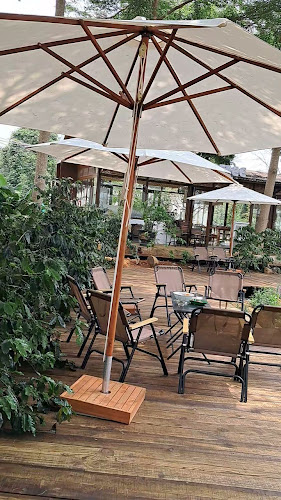
Aeroco Specialty Coffee Farm
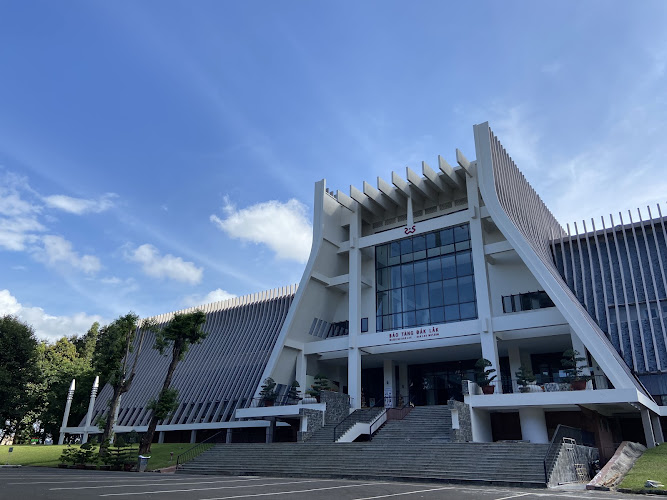
Dak Lak Museum

CHD Travel
Find Accommodations Nearby
Recommended Tours & Activities
Visitor Reviews
There are no reviews yet. Be the first one to write one.
Share Your Experience
Have you visited Tượng Đài Chiến thắng Buôn Ma Thuột? Help other travelers by leaving a review.