
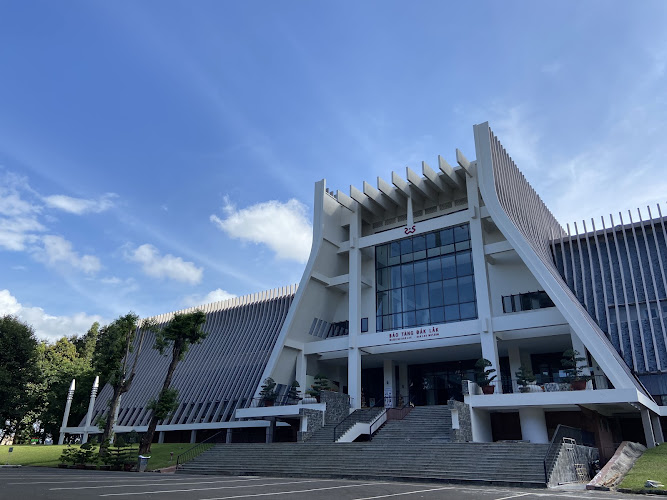
Dak Lak Museum
About Dak Lak Museum
Description
The Dak Lak Museum, tucked away in the heart of Buon Ma Thuot, is one of those places that quietly surprises you. It doesn’t shout for attention like some of Vietnam’s bigger museums, but once you step inside, it’s easy to see why travelers often leave with a deeper appreciation for the Central Highlands. The museum tells the story of the land and its people—an earthy, authentic story that feels grounded in real life rather than polished for tourists.
What’s fascinating here is how the museum balances history, anthropology, and nature. You’ll wander through exhibits that showcase the ethnic diversity of the region—Ede, M’nong, Jarai, and other groups who’ve lived in harmony with the forests and rivers for centuries. There’s a palpable sense of pride in the craftsmanship displayed: the gongs, the woven textiles, the hand-carved wooden tools. I remember staring at a set of bronze gongs, imagining the rhythmic beats echoing through the hills during a harvest celebration. It’s hard not to get caught up in that kind of timeless energy.
The museum also dedicates space to the natural heritage of Dak Lak, with displays of native wildlife, geological formations, and forest ecosystems. It’s not just about human history—it’s about the living, breathing environment that shaped it. The curators clearly care about education, and even if some of the English translations are a bit rough around the edges, the passion behind the exhibits shines through.
And yes, it’s true—some visitors mention that the lighting could be better or that the building feels a bit dated in parts. But honestly? That’s part of its charm. The Dak Lak Museum isn’t trying to impress with flashy tech or modern gimmicks. It’s a place that feels real, like a conversation with an elder who’s seen it all and still has stories to tell.
Key Features
- Exhibits on the ethnic cultures of Vietnam’s Central Highlands, featuring traditional costumes, tools, and musical instruments.
- Displays exploring the region’s natural environment, including native animal species and geological formations.
- Historical artifacts from the French colonial era and the Vietnam War, offering insight into the area’s turbulent past.
- Accessible facilities including wheelchair-friendly entrances, restrooms, and parking areas.
- Interactive sections where visitors can learn about gong culture—recognized by UNESCO as an Intangible Cultural Heritage of Humanity.
- Kid-friendly sections that make it easy for families to explore and learn together.
One of my favorite parts is the section on the local tribes’ relationship with nature. There’s something deeply humbling about seeing how every tool, every instrument, every piece of clothing had a purpose and a story. It’s the kind of place that makes you pause and think about what “sustainability” really means.
Best Time to Visit
If you’re planning a visit, timing does matter a bit. The dry season, roughly from November to April, is the sweet spot. The weather is cooler, the skies are clearer, and you can pair your museum trip with other outdoor adventures around Buon Ma Thuot—like visiting the Dray Nur Waterfall or the local coffee farms (and yes, the coffee here is legendary).
I once visited in March, and the air was filled with the faint scent of blooming coffee flowers—an experience that’s hard to describe unless you’ve smelled it yourself. The museum was pleasantly quiet that morning, and I spent nearly two hours just wandering through the exhibits at my own pace.
Avoid the peak of the rainy season (around June to September) if you can. It’s not unbearable, but the humidity can make walking around town a bit sticky. On the bright side, fewer tourists mean you’ll have the museum almost to yourself, which adds a nice sense of calm.
How to Get There
Reaching the Dak Lak Museum is pretty straightforward. Buon Ma Thuot is well-connected by air from major cities like Ho Chi Minh City and Hanoi. The local airport is just a short drive from the city center, and taxis or ride-hailing apps like Grab are easy to find. If you’re already exploring the Central Highlands by motorbike (which I highly recommend if you’re comfortable on two wheels), you’ll find the museum conveniently located near other key attractions.
For those staying in town, it’s an easy walk or short ride from most hotels. The streets nearby are lined with coffee shops—perfect for grabbing a strong Vietnamese brew before or after your visit. And if you’re the kind of traveler who enjoys taking it slow, Buon Ma Thuot’s pace will suit you just fine. There’s no rush here, and that’s exactly how it should be.
Tips for Visiting
Here’s the thing: visiting the Dak Lak Museum isn’t just about ticking off another attraction. It’s about taking the time to really look, listen, and absorb. So here are a few tips from someone who’s been there and learned a few things the hard way:
- Go early in the day. The museum tends to be quieter in the mornings, and the natural light streaming through the windows makes the exhibits feel more alive.
- Bring water and a light snack. There’s no restaurant on-site, and while you’ll find plenty of cafes nearby, it’s nice to have something on hand if you plan to linger.
- Take your time in the cultural section. The details in the tribal artifacts are incredible—don’t rush past them. Ask the staff questions; they’re usually happy to share more than what’s written on the signs.
- Combine your visit with local experiences. After the museum, head to a nearby coffee plantation or traditional village to see how the stories you just learned play out in real life.
- Photography is allowed, but always be respectful. Some displays have spiritual significance, and it’s best to ask before snapping away.
- Accessibility is good, with wheelchair-friendly entrances and restrooms, so everyone can comfortably explore.
And one more thing—don’t be afraid to wander off the main path. I remember veering into a small side hall that wasn’t on the main route and finding a collection of everyday household tools from decades ago. Simple things like rice pounders, cooking pots, and woven baskets. It’s funny how those humble objects can tell a story just as powerful as the grand historical exhibits.
In the end, the Dak Lak Museum isn’t about grandeur or spectacle—it’s about connection. It connects you to the land, to the people, and to a rhythm of life that’s slower, deeper, and more mindful. Whether you’re a history buff, a culture lover, or just someone curious about Vietnam beyond the usual tourist trail, this museum offers something meaningful.
So take your time, breathe it in, and let the stories sink in. You might walk out with a new perspective—not just on Dak Lak, but on how history, nature, and culture intertwine in ways that still shape the world today.
Key Features
- Exhibits on the ethnic cultures of Vietnam’s Central Highlands, featuring traditional costumes, tools, and musical instruments.
- Displays exploring the region’s natural environment, including native animal species and geological formations.
- Historical artifacts from the French colonial era and the Vietnam War, offering insight into the area’s turbulent past.
- Accessible facilities including wheelchair-friendly entrances, restrooms, and parking areas.
- Interactive sections where visitors can learn about gong culture—recognized by UNESCO as an Intangible Cultural Heritage of Humanity.
- Kid-friendly sections that make it easy for families to explore and learn together.
More Details
Updated December 1, 2025
Description
The Dak Lak Museum, tucked away in the heart of Buon Ma Thuot, is one of those places that quietly surprises you. It doesn’t shout for attention like some of Vietnam’s bigger museums, but once you step inside, it’s easy to see why travelers often leave with a deeper appreciation for the Central Highlands. The museum tells the story of the land and its people—an earthy, authentic story that feels grounded in real life rather than polished for tourists.
What’s fascinating here is how the museum balances history, anthropology, and nature. You’ll wander through exhibits that showcase the ethnic diversity of the region—Ede, M’nong, Jarai, and other groups who’ve lived in harmony with the forests and rivers for centuries. There’s a palpable sense of pride in the craftsmanship displayed: the gongs, the woven textiles, the hand-carved wooden tools. I remember staring at a set of bronze gongs, imagining the rhythmic beats echoing through the hills during a harvest celebration. It’s hard not to get caught up in that kind of timeless energy.
The museum also dedicates space to the natural heritage of Dak Lak, with displays of native wildlife, geological formations, and forest ecosystems. It’s not just about human history—it’s about the living, breathing environment that shaped it. The curators clearly care about education, and even if some of the English translations are a bit rough around the edges, the passion behind the exhibits shines through.
And yes, it’s true—some visitors mention that the lighting could be better or that the building feels a bit dated in parts. But honestly? That’s part of its charm. The Dak Lak Museum isn’t trying to impress with flashy tech or modern gimmicks. It’s a place that feels real, like a conversation with an elder who’s seen it all and still has stories to tell.
Key Features
- Exhibits on the ethnic cultures of Vietnam’s Central Highlands, featuring traditional costumes, tools, and musical instruments.
- Displays exploring the region’s natural environment, including native animal species and geological formations.
- Historical artifacts from the French colonial era and the Vietnam War, offering insight into the area’s turbulent past.
- Accessible facilities including wheelchair-friendly entrances, restrooms, and parking areas.
- Interactive sections where visitors can learn about gong culture—recognized by UNESCO as an Intangible Cultural Heritage of Humanity.
- Kid-friendly sections that make it easy for families to explore and learn together.
One of my favorite parts is the section on the local tribes’ relationship with nature. There’s something deeply humbling about seeing how every tool, every instrument, every piece of clothing had a purpose and a story. It’s the kind of place that makes you pause and think about what “sustainability” really means.
Best Time to Visit
If you’re planning a visit, timing does matter a bit. The dry season, roughly from November to April, is the sweet spot. The weather is cooler, the skies are clearer, and you can pair your museum trip with other outdoor adventures around Buon Ma Thuot—like visiting the Dray Nur Waterfall or the local coffee farms (and yes, the coffee here is legendary).
I once visited in March, and the air was filled with the faint scent of blooming coffee flowers—an experience that’s hard to describe unless you’ve smelled it yourself. The museum was pleasantly quiet that morning, and I spent nearly two hours just wandering through the exhibits at my own pace.
Avoid the peak of the rainy season (around June to September) if you can. It’s not unbearable, but the humidity can make walking around town a bit sticky. On the bright side, fewer tourists mean you’ll have the museum almost to yourself, which adds a nice sense of calm.
How to Get There
Reaching the Dak Lak Museum is pretty straightforward. Buon Ma Thuot is well-connected by air from major cities like Ho Chi Minh City and Hanoi. The local airport is just a short drive from the city center, and taxis or ride-hailing apps like Grab are easy to find. If you’re already exploring the Central Highlands by motorbike (which I highly recommend if you’re comfortable on two wheels), you’ll find the museum conveniently located near other key attractions.
For those staying in town, it’s an easy walk or short ride from most hotels. The streets nearby are lined with coffee shops—perfect for grabbing a strong Vietnamese brew before or after your visit. And if you’re the kind of traveler who enjoys taking it slow, Buon Ma Thuot’s pace will suit you just fine. There’s no rush here, and that’s exactly how it should be.
Tips for Visiting
Here’s the thing: visiting the Dak Lak Museum isn’t just about ticking off another attraction. It’s about taking the time to really look, listen, and absorb. So here are a few tips from someone who’s been there and learned a few things the hard way:
- Go early in the day. The museum tends to be quieter in the mornings, and the natural light streaming through the windows makes the exhibits feel more alive.
- Bring water and a light snack. There’s no restaurant on-site, and while you’ll find plenty of cafes nearby, it’s nice to have something on hand if you plan to linger.
- Take your time in the cultural section. The details in the tribal artifacts are incredible—don’t rush past them. Ask the staff questions; they’re usually happy to share more than what’s written on the signs.
- Combine your visit with local experiences. After the museum, head to a nearby coffee plantation or traditional village to see how the stories you just learned play out in real life.
- Photography is allowed, but always be respectful. Some displays have spiritual significance, and it’s best to ask before snapping away.
- Accessibility is good, with wheelchair-friendly entrances and restrooms, so everyone can comfortably explore.
And one more thing—don’t be afraid to wander off the main path. I remember veering into a small side hall that wasn’t on the main route and finding a collection of everyday household tools from decades ago. Simple things like rice pounders, cooking pots, and woven baskets. It’s funny how those humble objects can tell a story just as powerful as the grand historical exhibits.
In the end, the Dak Lak Museum isn’t about grandeur or spectacle—it’s about connection. It connects you to the land, to the people, and to a rhythm of life that’s slower, deeper, and more mindful. Whether you’re a history buff, a culture lover, or just someone curious about Vietnam beyond the usual tourist trail, this museum offers something meaningful.
So take your time, breathe it in, and let the stories sink in. You might walk out with a new perspective—not just on Dak Lak, but on how history, nature, and culture intertwine in ways that still shape the world today.
Key Highlights
- Exhibits on the ethnic cultures of Vietnam’s Central Highlands, featuring traditional costumes, tools, and musical instruments.
- Displays exploring the region’s natural environment, including native animal species and geological formations.
- Historical artifacts from the French colonial era and the Vietnam War, offering insight into the area’s turbulent past.
- Accessible facilities including wheelchair-friendly entrances, restrooms, and parking areas.
- Interactive sections where visitors can learn about gong culture—recognized by UNESCO as an Intangible Cultural Heritage of Humanity.
- Kid-friendly sections that make it easy for families to explore and learn together.
Location
Places to Stay Near Dak Lak Museum
Find and Book a Tour
Explore More Travel Guides
No reviews found! Be the first to review!
Traveler Reviews for Dak Lak Museum
There are no reviews yet. Be the first one to write one.
Have you visited Dak Lak Museum? Help other travelers by sharing your review.
You Might Also Like
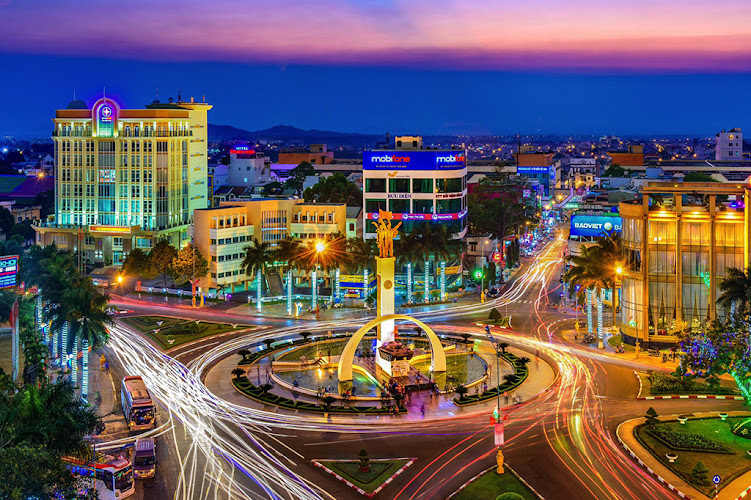
Tượng Đài Chiến thắng Buôn Ma Thuột
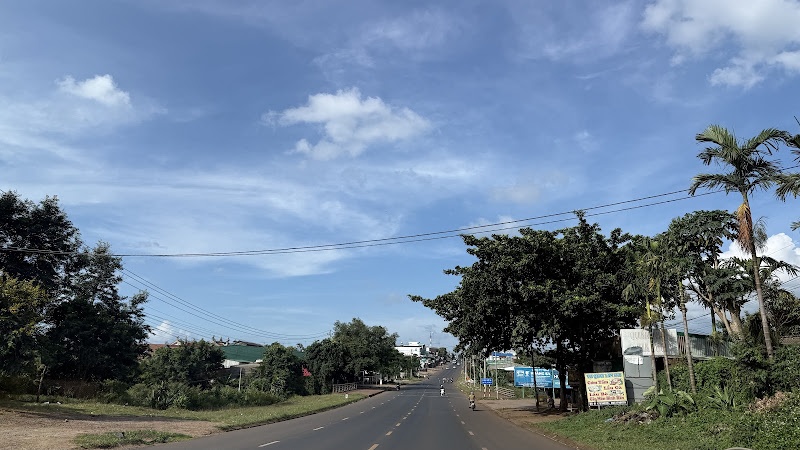
Dak Lak
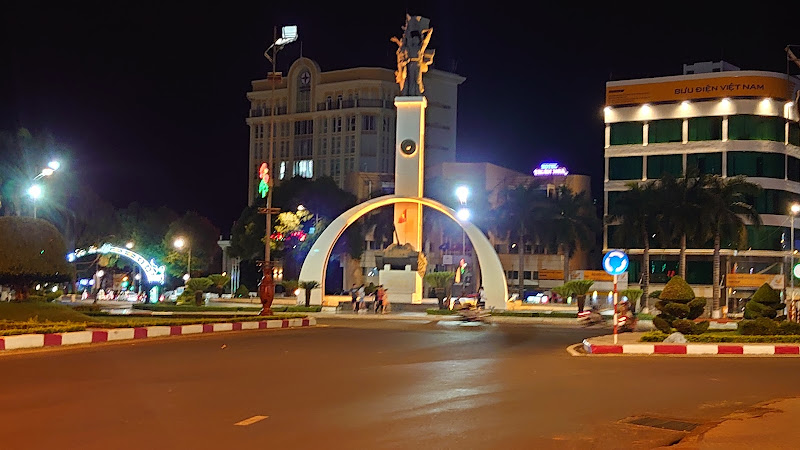
Buon Ma Thuot
Find Accommodations Nearby
Recommended Tours & Activities
Visitor Reviews
There are no reviews yet. Be the first one to write one.
Share Your Experience
Have you visited Dak Lak Museum? Help other travelers by leaving a review.