
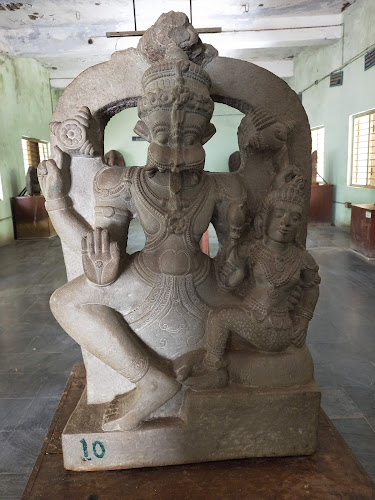
Sri Bhagavan Mahaveer Government Museum
About Sri Bhagavan Mahaveer Government Museum
Description
The Sri Bhagavan Mahaveer Government Museum in Kadapa is one of those places that quietly surprise you. It doesn’t scream for attention like the big city museums, but once you step inside, you realize it’s got layers of history that speak louder than any billboard ever could. The museum tells stories — of kings, artisans, and everyday people — through artifacts that have somehow survived the test of time. It’s an archaeological museum, yes, but it’s also a gentle reminder of how deep India’s cultural roots run.
I remember my first visit here; it wasn’t planned. I was on my way to Tirupati and decided to stop by after seeing a small signboard pointing toward the museum. Honestly, I wasn’t expecting much. But what I found was a treasure trove — ancient sculptures, coins, inscriptions, and relics from the Satavahana and Vijayanagara periods. The air inside feels heavy with history, yet peaceful. You can almost imagine the artisans chiseling away centuries ago, unaware that their work would one day sit behind glass for curious travelers like us.
The museum is well-maintained, and there’s an unhurried charm about it. You can take your time wandering through the galleries without feeling rushed. The staff are usually friendly and happy to share little-known stories about the pieces on display. While it’s not a massive complex, every corner feels purposeful. The exhibits are thoughtfully arranged — not cluttered, not overly modernized either. It’s the kind of place where you can genuinely feel connected to the past without the distractions of flashy digital screens.
Accessibility is another thing worth noting. The museum has made efforts to be inclusive — with wheelchair-accessible entrances, restrooms, and parking. It’s also a comfortable visit for families; kids usually find the ancient tools and sculptures fascinating, especially when they realize these were once everyday objects. There’s no restaurant inside, but that’s not a dealbreaker — you’ll find plenty of local eateries nearby serving hearty Andhra meals that make for a perfect post-visit treat.
Now, I’ll be honest — not every visitor leaves blown away. Some feel the displays could be better labeled or that certain sections could use a bit more lighting. And yes, a few exhibits show their age. But that’s part of its authenticity. It’s not trying to be a polished, high-tech museum; it’s content being a quiet guardian of history. If you appreciate authenticity over perfection, you’ll get why this place matters.
Key Features
- Rich collection of archaeological artifacts, including sculptures, coins, and inscriptions from ancient Andhra dynasties.
- Displays representing Buddhist, Jain, and Hindu traditions — offering a glimpse into the region’s spiritual diversity.
- Wheelchair-accessible entrance, parking, and restrooms, ensuring inclusivity for all visitors.
- Peaceful, family-friendly environment that encourages learning and curiosity.
- Knowledgeable staff who often share fascinating insights and local legends.
- Located conveniently near the railway area, making it easy to include in a day trip around Kadapa.
- Simple layout that allows visitors to explore at their own pace without feeling overwhelmed.
Best Time to Visit
The best time to visit the Sri Bhagavan Mahaveer Government Museum is between November and February, when the weather in Kadapa is pleasantly cool. The mild winter breeze makes wandering through the museum’s open areas far more enjoyable. Summers here can be quite intense — I made that mistake once in May, and trust me, you’ll be looking for shade more than statues. If you’re planning a family trip, mornings are ideal; the museum tends to be quieter, and the lighting inside feels softer and more natural.
Festive seasons like Sankranti or Ugadi can also be interesting times to visit. The local energy around those days adds a special buzz, and sometimes you might even catch small cultural programs or exhibitions. Just remember that weekends can get a bit busier, especially with school groups, so if you prefer a more contemplative experience, go on a weekday.
How to Get There
Reaching the museum is quite straightforward. Kadapa is well-connected by road and rail, and the museum sits close to the main railway area, which makes it easily accessible whether you’re arriving from Tirupati, Hyderabad, or Chennai. If you’re coming by train, it’s just a short auto-rickshaw ride away. For those driving, parking is available and usually hassle-free.
Public buses and local taxis frequently pass through this part of town, so you won’t have trouble finding transportation. Personally, I prefer taking a local rickshaw — it’s not just convenient but also gives you a slice of local life. The drivers often double as impromptu guides, sharing tidbits about the city that you won’t find in any travel brochure.
Tips for Visiting
If you’re planning to visit, here are a few things I’ve learned along the way — some the easy way, some the hard way:
- Take your time. This isn’t a place to rush through. Spend at least an hour exploring the galleries and reading the exhibit notes.
- Bring water. The museum doesn’t have a café or restaurant, and Kadapa’s weather can be dry, so staying hydrated helps.
- Ask questions. The staff are approachable and often have stories that aren’t written on the plaques. That’s where the real magic lies.
- Photography policy. Check before taking pictures. Some sections may restrict photography, especially around delicate artifacts.
- Combine your visit. If you have time, pair your museum stop with nearby attractions like the Gandikota Fort or Ameen Peer Dargah for a fuller cultural experience.
- Visit early. Morning visits are calmer, cooler, and give you space to appreciate the exhibits without crowds.
- Bring kids along. It’s a great educational outing — kids usually love spotting coins and ancient tools.
And here’s a little personal note: don’t expect grandeur, expect authenticity. The Sri Bhagavan Mahaveer Government Museum isn’t about glitz; it’s about connection — to history, to craftsmanship, to the quiet endurance of culture. Every artifact here has a story, and if you slow down enough, you’ll hear it whispering through the stone and bronze. That’s what makes this place special — it doesn’t just show history; it lets you feel it.
So if you ever find yourself in Kadapa with a few hours to spare, step inside this museum. You might walk in as a casual visitor, but chances are, you’ll walk out with a deeper appreciation of how much beauty and history can fit within a modest space. It’s one of those underrated gems that deserve a spot on your travel list — not because it’s perfect, but because it’s real.
Key Features
- Rich collection of archaeological artifacts, including sculptures, coins, and inscriptions from ancient Andhra dynasties.
- Displays representing Buddhist, Jain, and Hindu traditions — offering a glimpse into the region’s spiritual diversity.
- Wheelchair-accessible entrance, parking, and restrooms, ensuring inclusivity for all visitors.
- Peaceful, family-friendly environment that encourages learning and curiosity.
- Knowledgeable staff who often share fascinating insights and local legends.
- Located conveniently near the railway area, making it easy to include in a day trip around Kadapa.
- Simple layout that allows visitors to explore at their own pace without feeling overwhelmed.
More Details
Updated December 1, 2025
Table of Contents
- Description
- Key Features
- Best Time to Visit
- How to Get There
- Tips for Visiting
- Key Highlights
- Location
- Places to Stay Near Sri Bhagavan Mahaveer Government Museum
- Find and Book a Tour
- Explore More Travel Guides
- Nearby Places You Might Like
- Traveler Reviews for Sri Bhagavan Mahaveer Government Museum
- Share Your Experience
Description
The Sri Bhagavan Mahaveer Government Museum in Kadapa is one of those places that quietly surprise you. It doesn’t scream for attention like the big city museums, but once you step inside, you realize it’s got layers of history that speak louder than any billboard ever could. The museum tells stories — of kings, artisans, and everyday people — through artifacts that have somehow survived the test of time. It’s an archaeological museum, yes, but it’s also a gentle reminder of how deep India’s cultural roots run.
I remember my first visit here; it wasn’t planned. I was on my way to Tirupati and decided to stop by after seeing a small signboard pointing toward the museum. Honestly, I wasn’t expecting much. But what I found was a treasure trove — ancient sculptures, coins, inscriptions, and relics from the Satavahana and Vijayanagara periods. The air inside feels heavy with history, yet peaceful. You can almost imagine the artisans chiseling away centuries ago, unaware that their work would one day sit behind glass for curious travelers like us.
The museum is well-maintained, and there’s an unhurried charm about it. You can take your time wandering through the galleries without feeling rushed. The staff are usually friendly and happy to share little-known stories about the pieces on display. While it’s not a massive complex, every corner feels purposeful. The exhibits are thoughtfully arranged — not cluttered, not overly modernized either. It’s the kind of place where you can genuinely feel connected to the past without the distractions of flashy digital screens.
Accessibility is another thing worth noting. The museum has made efforts to be inclusive — with wheelchair-accessible entrances, restrooms, and parking. It’s also a comfortable visit for families; kids usually find the ancient tools and sculptures fascinating, especially when they realize these were once everyday objects. There’s no restaurant inside, but that’s not a dealbreaker — you’ll find plenty of local eateries nearby serving hearty Andhra meals that make for a perfect post-visit treat.
Now, I’ll be honest — not every visitor leaves blown away. Some feel the displays could be better labeled or that certain sections could use a bit more lighting. And yes, a few exhibits show their age. But that’s part of its authenticity. It’s not trying to be a polished, high-tech museum; it’s content being a quiet guardian of history. If you appreciate authenticity over perfection, you’ll get why this place matters.
Key Features
- Rich collection of archaeological artifacts, including sculptures, coins, and inscriptions from ancient Andhra dynasties.
- Displays representing Buddhist, Jain, and Hindu traditions — offering a glimpse into the region’s spiritual diversity.
- Wheelchair-accessible entrance, parking, and restrooms, ensuring inclusivity for all visitors.
- Peaceful, family-friendly environment that encourages learning and curiosity.
- Knowledgeable staff who often share fascinating insights and local legends.
- Located conveniently near the railway area, making it easy to include in a day trip around Kadapa.
- Simple layout that allows visitors to explore at their own pace without feeling overwhelmed.
Best Time to Visit
The best time to visit the Sri Bhagavan Mahaveer Government Museum is between November and February, when the weather in Kadapa is pleasantly cool. The mild winter breeze makes wandering through the museum’s open areas far more enjoyable. Summers here can be quite intense — I made that mistake once in May, and trust me, you’ll be looking for shade more than statues. If you’re planning a family trip, mornings are ideal; the museum tends to be quieter, and the lighting inside feels softer and more natural.
Festive seasons like Sankranti or Ugadi can also be interesting times to visit. The local energy around those days adds a special buzz, and sometimes you might even catch small cultural programs or exhibitions. Just remember that weekends can get a bit busier, especially with school groups, so if you prefer a more contemplative experience, go on a weekday.
How to Get There
Reaching the museum is quite straightforward. Kadapa is well-connected by road and rail, and the museum sits close to the main railway area, which makes it easily accessible whether you’re arriving from Tirupati, Hyderabad, or Chennai. If you’re coming by train, it’s just a short auto-rickshaw ride away. For those driving, parking is available and usually hassle-free.
Public buses and local taxis frequently pass through this part of town, so you won’t have trouble finding transportation. Personally, I prefer taking a local rickshaw — it’s not just convenient but also gives you a slice of local life. The drivers often double as impromptu guides, sharing tidbits about the city that you won’t find in any travel brochure.
Tips for Visiting
If you’re planning to visit, here are a few things I’ve learned along the way — some the easy way, some the hard way:
- Take your time. This isn’t a place to rush through. Spend at least an hour exploring the galleries and reading the exhibit notes.
- Bring water. The museum doesn’t have a café or restaurant, and Kadapa’s weather can be dry, so staying hydrated helps.
- Ask questions. The staff are approachable and often have stories that aren’t written on the plaques. That’s where the real magic lies.
- Photography policy. Check before taking pictures. Some sections may restrict photography, especially around delicate artifacts.
- Combine your visit. If you have time, pair your museum stop with nearby attractions like the Gandikota Fort or Ameen Peer Dargah for a fuller cultural experience.
- Visit early. Morning visits are calmer, cooler, and give you space to appreciate the exhibits without crowds.
- Bring kids along. It’s a great educational outing — kids usually love spotting coins and ancient tools.
And here’s a little personal note: don’t expect grandeur, expect authenticity. The Sri Bhagavan Mahaveer Government Museum isn’t about glitz; it’s about connection — to history, to craftsmanship, to the quiet endurance of culture. Every artifact here has a story, and if you slow down enough, you’ll hear it whispering through the stone and bronze. That’s what makes this place special — it doesn’t just show history; it lets you feel it.
So if you ever find yourself in Kadapa with a few hours to spare, step inside this museum. You might walk in as a casual visitor, but chances are, you’ll walk out with a deeper appreciation of how much beauty and history can fit within a modest space. It’s one of those underrated gems that deserve a spot on your travel list — not because it’s perfect, but because it’s real.
Key Highlights
- Rich collection of archaeological artifacts, including sculptures, coins, and inscriptions from ancient Andhra dynasties.
- Displays representing Buddhist, Jain, and Hindu traditions — offering a glimpse into the region’s spiritual diversity.
- Wheelchair-accessible entrance, parking, and restrooms, ensuring inclusivity for all visitors.
- Peaceful, family-friendly environment that encourages learning and curiosity.
- Knowledgeable staff who often share fascinating insights and local legends.
- Located conveniently near the railway area, making it easy to include in a day trip around Kadapa.
- Simple layout that allows visitors to explore at their own pace without feeling overwhelmed.
Location
Places to Stay Near Sri Bhagavan Mahaveer Government Museum
Find and Book a Tour
Explore More Travel Guides
No reviews found! Be the first to review!
Traveler Reviews for Sri Bhagavan Mahaveer Government Museum
There are no reviews yet. Be the first one to write one.
Have you visited Sri Bhagavan Mahaveer Government Museum? Help other travelers by sharing your review.
You Might Also Like
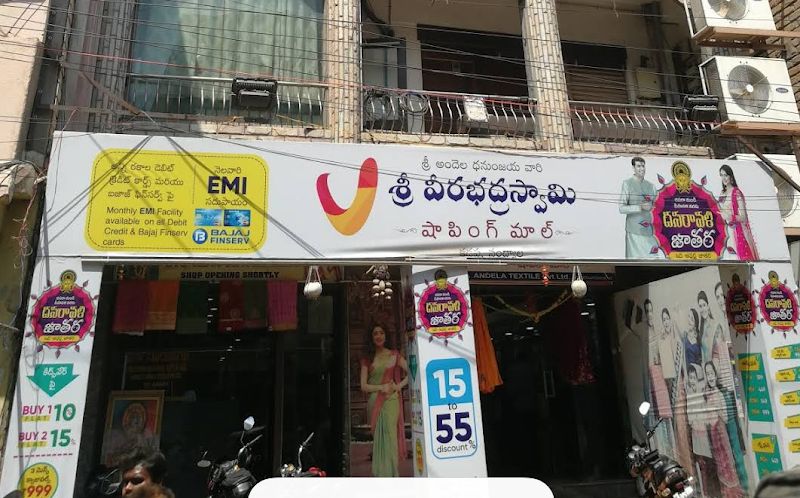
Sree Veerabhadra Swamy Shopping Mall
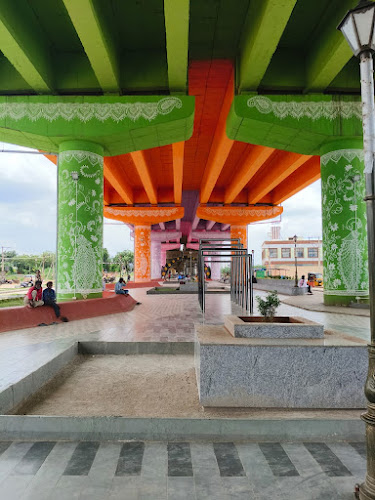
Park Kadapa City
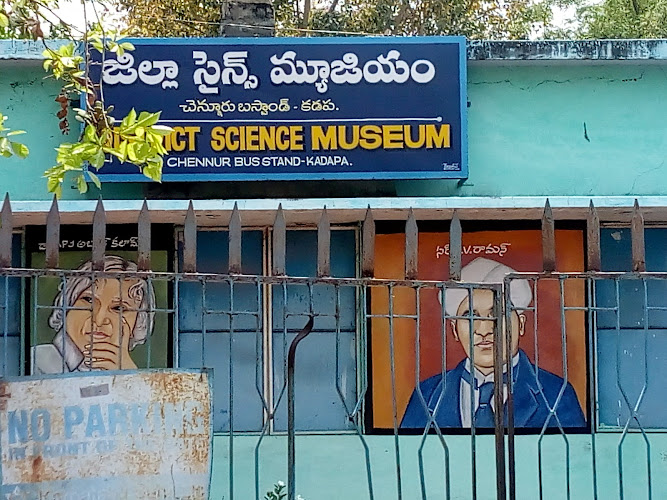
District Science Museum
Find Accommodations Nearby
Recommended Tours & Activities
Visitor Reviews
There are no reviews yet. Be the first one to write one.
Share Your Experience
Have you visited Sri Bhagavan Mahaveer Government Museum? Help other travelers by leaving a review.