
Ameen Peer Dargah
About Ameen Peer Dargah
Description
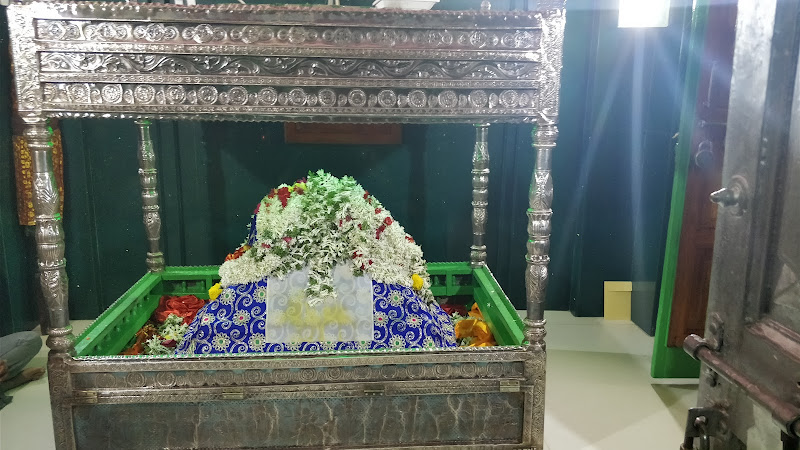
Ameen Peer Dargah in Kadapa, Andhra Pradesh, is one of those rare places where silence speaks louder than words. Built in the 17th century, this sacred shrine serves as the resting place of two revered Sufi saints, Hazrat Ameenullah Hussaini and Hazrat Peerullah Hussaini. Locals often call it “Pedda Dargah,” meaning the Great Shrine, and for good reason — it’s not just a religious site but a living symbol of unity and spiritual harmony. People of all faiths come here, seeking peace, blessings, and perhaps a quiet moment away from the rush of everyday life.
When you step inside the dargah complex, the first thing you’ll notice is the calm. The air feels heavy with devotion, scented faintly with incense and rosewater. I still remember the first time I visited — it was late afternoon, the sun dipping low, and the soft hum of qawwali music filled the courtyard. There were people sitting cross-legged, eyes closed, completely lost in prayer. It’s hard not to be moved by that kind of atmosphere.
The architecture is simple yet graceful, with white domes, intricate carvings, and green flags fluttering gently in the breeze. The shrine’s design reflects the fusion of Islamic and local South Indian styles, which somehow feels perfectly balanced — much like the philosophy of Sufism itself. It’s not about grandeur here; it’s about connection — with the divine, with others, and with yourself.
What’s truly remarkable is how inclusive this place feels. You’ll see Hindu families lighting candles beside Muslim devotees offering chadars (sacred cloths). It’s that spirit of oneness that makes Ameen Peer Dargah more than a religious site — it’s a shared space of faith, compassion, and healing. While most visitors describe feeling a sense of serenity here, a few might find the crowds during Fridays or special festivals a bit overwhelming. Still, even amidst the bustle, there’s an undeniable aura that seems to calm the heart.
Key Features
- Built in the 17th century as the burial site of two Sufi saints — Hazrat Ameenullah Hussaini and Hazrat Peerullah Hussaini.
- Known locally as Pedda Dargah or Badi Dargah, symbolizing its importance in Kadapa’s spiritual landscape.
- Serves as a center of communal harmony, welcoming visitors from all religions and backgrounds.
- Features traditional Islamic architecture with domes, arches, and marble flooring.
- Hosts soulful qawwali performances, especially on Thursdays and during Urs celebrations.
- Wheelchair-accessible entrances, restrooms, and parking facilities available for visitors with disabilities.
- Free parking and clean restrooms provided within the complex.
- Offers a peaceful environment ideal for meditation, prayer, or simply reflecting quietly.
Best Time to Visit
If you ask me, the best time to visit Ameen Peer Dargah is early morning or just before sunset. The light during those hours paints the domes in soft gold, and the entire place feels almost otherworldly. Weather-wise, the cooler months from November to February are the most comfortable. Kadapa can get pretty hot during summer, and walking barefoot (as required in the shrine) on sun-warmed marble isn’t exactly pleasant.
Thursdays are particularly special here — devotees believe prayers offered on this day carry extra blessings. But be prepared for larger crowds. If you prefer a quieter experience, weekdays are your best bet. And if you happen to visit during Urs, the annual festival commemorating the saints, you’ll witness the dargah at its most vibrant — illuminated with lights, filled with music, and overflowing with devotion. It’s chaotic, yes, but in the most beautiful way.
How to Get There
Reaching Ameen Peer Dargah is fairly straightforward. Kadapa is well-connected by road and rail, making it accessible from major cities like Tirupati, Hyderabad, and Bangalore. The nearest railway station is Kadapa Junction, just a short drive from the shrine. There are plenty of autos and local taxis available right outside the station — I once hopped into one that played old Sufi songs the entire way, and honestly, it set the perfect mood for the visit.
If you’re driving, the roads are in good condition, and there’s free parking available near the complex. For those flying in, the Kadapa Airport is around 10 km away, with regular flights from Hyderabad and Chennai. From there, it’s an easy cab ride to the dargah. And for the more adventurous traveler, walking through the narrow local streets leading up to the shrine is an experience in itself — you’ll pass tiny shops selling flowers, incense, and chadars, with locals greeting you warmly.
Tips for Visiting
A few tips from someone who’s been there more than once — and learned a thing or two along the way.
First, dress modestly. This is a sacred place, and conservative clothing is expected. Women often cover their heads with a scarf, and men usually wear long pants. Shoes are not allowed inside the main dargah area, so it’s best to wear something easy to slip off.
Second, try to carry some flowers or a chadar as an offering. It’s a simple gesture but deeply meaningful. You can buy these items from the small stalls outside — the vendors are friendly and often share stories about the saints if you ask.
Third, photography inside the shrine may be restricted, so always check before clicking. Honestly, though, some moments are better kept in memory than in pixels. The feeling of peace here is something a camera can’t really capture.
If you’re visiting with elderly family members or anyone with mobility issues, you’ll be glad to know the site is wheelchair accessible, and there are clean restrooms available. The staff and volunteers are usually kind and ready to help.
And finally, don’t rush. Spend some time sitting quietly in the courtyard. Listen to the qawwali if one’s happening. Watch the people — some praying, some just sitting in silence. There’s something profoundly grounding about being in a place where faith feels so tangible.
One small piece of advice — visit with an open heart. Whether you’re religious or not doesn’t matter. The Ameen Peer Dargah has this uncanny way of making you reflect, slow down, and just breathe. And in a world that moves too fast, that’s a rare kind of magic.
Key Features
- Built in the 17th century as the burial site of two Sufi saints — Hazrat Ameenullah Hussaini and Hazrat Peerullah Hussaini.
- Known locally as Pedda Dargah or Badi Dargah, symbolizing its importance in Kadapa’s spiritual landscape.
- Serves as a center of communal harmony, welcoming visitors from all religions and backgrounds.
- Features traditional Islamic architecture with domes, arches, and marble flooring.
- Hosts soulful qawwali performances, especially on Thursdays and during Urs celebrations.
- Wheelchair-accessible entrances, restrooms, and parking facilities available for visitors with disabilities.
- Free parking and clean restrooms provided within the complex.
- Offers a peaceful environment ideal for meditation, prayer, or simply reflecting quietly.
More Details
Updated December 1, 2025
Table of Contents
Description
Ameen Peer Dargah in Kadapa, Andhra Pradesh, is one of those rare places where silence speaks louder than words. Built in the 17th century, this sacred shrine serves as the resting place of two revered Sufi saints, Hazrat Ameenullah Hussaini and Hazrat Peerullah Hussaini. Locals often call it “Pedda Dargah,” meaning the Great Shrine, and for good reason — it’s not just a religious site but a living symbol of unity and spiritual harmony. People of all faiths come here, seeking peace, blessings, and perhaps a quiet moment away from the rush of everyday life.
When you step inside the dargah complex, the first thing you’ll notice is the calm. The air feels heavy with devotion, scented faintly with incense and rosewater. I still remember the first time I visited — it was late afternoon, the sun dipping low, and the soft hum of qawwali music filled the courtyard. There were people sitting cross-legged, eyes closed, completely lost in prayer. It’s hard not to be moved by that kind of atmosphere.
The architecture is simple yet graceful, with white domes, intricate carvings, and green flags fluttering gently in the breeze. The shrine’s design reflects the fusion of Islamic and local South Indian styles, which somehow feels perfectly balanced — much like the philosophy of Sufism itself. It’s not about grandeur here; it’s about connection — with the divine, with others, and with yourself.
What’s truly remarkable is how inclusive this place feels. You’ll see Hindu families lighting candles beside Muslim devotees offering chadars (sacred cloths). It’s that spirit of oneness that makes Ameen Peer Dargah more than a religious site — it’s a shared space of faith, compassion, and healing. While most visitors describe feeling a sense of serenity here, a few might find the crowds during Fridays or special festivals a bit overwhelming. Still, even amidst the bustle, there’s an undeniable aura that seems to calm the heart.
Key Features
- Built in the 17th century as the burial site of two Sufi saints — Hazrat Ameenullah Hussaini and Hazrat Peerullah Hussaini.
- Known locally as Pedda Dargah or Badi Dargah, symbolizing its importance in Kadapa’s spiritual landscape.
- Serves as a center of communal harmony, welcoming visitors from all religions and backgrounds.
- Features traditional Islamic architecture with domes, arches, and marble flooring.
- Hosts soulful qawwali performances, especially on Thursdays and during Urs celebrations.
- Wheelchair-accessible entrances, restrooms, and parking facilities available for visitors with disabilities.
- Free parking and clean restrooms provided within the complex.
- Offers a peaceful environment ideal for meditation, prayer, or simply reflecting quietly.
Best Time to Visit
If you ask me, the best time to visit Ameen Peer Dargah is early morning or just before sunset. The light during those hours paints the domes in soft gold, and the entire place feels almost otherworldly. Weather-wise, the cooler months from November to February are the most comfortable. Kadapa can get pretty hot during summer, and walking barefoot (as required in the shrine) on sun-warmed marble isn’t exactly pleasant.
Thursdays are particularly special here — devotees believe prayers offered on this day carry extra blessings. But be prepared for larger crowds. If you prefer a quieter experience, weekdays are your best bet. And if you happen to visit during Urs, the annual festival commemorating the saints, you’ll witness the dargah at its most vibrant — illuminated with lights, filled with music, and overflowing with devotion. It’s chaotic, yes, but in the most beautiful way.
How to Get There
Reaching Ameen Peer Dargah is fairly straightforward. Kadapa is well-connected by road and rail, making it accessible from major cities like Tirupati, Hyderabad, and Bangalore. The nearest railway station is Kadapa Junction, just a short drive from the shrine. There are plenty of autos and local taxis available right outside the station — I once hopped into one that played old Sufi songs the entire way, and honestly, it set the perfect mood for the visit.
If you’re driving, the roads are in good condition, and there’s free parking available near the complex. For those flying in, the Kadapa Airport is around 10 km away, with regular flights from Hyderabad and Chennai. From there, it’s an easy cab ride to the dargah. And for the more adventurous traveler, walking through the narrow local streets leading up to the shrine is an experience in itself — you’ll pass tiny shops selling flowers, incense, and chadars, with locals greeting you warmly.
Tips for Visiting
A few tips from someone who’s been there more than once — and learned a thing or two along the way.
First, dress modestly. This is a sacred place, and conservative clothing is expected. Women often cover their heads with a scarf, and men usually wear long pants. Shoes are not allowed inside the main dargah area, so it’s best to wear something easy to slip off.
Second, try to carry some flowers or a chadar as an offering. It’s a simple gesture but deeply meaningful. You can buy these items from the small stalls outside — the vendors are friendly and often share stories about the saints if you ask.
Third, photography inside the shrine may be restricted, so always check before clicking. Honestly, though, some moments are better kept in memory than in pixels. The feeling of peace here is something a camera can’t really capture.
If you’re visiting with elderly family members or anyone with mobility issues, you’ll be glad to know the site is wheelchair accessible, and there are clean restrooms available. The staff and volunteers are usually kind and ready to help.
And finally, don’t rush. Spend some time sitting quietly in the courtyard. Listen to the qawwali if one’s happening. Watch the people — some praying, some just sitting in silence. There’s something profoundly grounding about being in a place where faith feels so tangible.
One small piece of advice — visit with an open heart. Whether you’re religious or not doesn’t matter. The Ameen Peer Dargah has this uncanny way of making you reflect, slow down, and just breathe. And in a world that moves too fast, that’s a rare kind of magic.
Key Highlights
- Built in the 17th century as the burial site of two Sufi saints — Hazrat Ameenullah Hussaini and Hazrat Peerullah Hussaini.
- Known locally as Pedda Dargah or Badi Dargah, symbolizing its importance in Kadapa’s spiritual landscape.
- Serves as a center of communal harmony, welcoming visitors from all religions and backgrounds.
- Features traditional Islamic architecture with domes, arches, and marble flooring.
- Hosts soulful qawwali performances, especially on Thursdays and during Urs celebrations.
- Wheelchair-accessible entrances, restrooms, and parking facilities available for visitors with disabilities.
- Free parking and clean restrooms provided within the complex.
- Offers a peaceful environment ideal for meditation, prayer, or simply reflecting quietly.
Location
Places to Stay Near Ameen Peer Dargah
Find and Book a Tour
Explore More Travel Guides
No reviews found! Be the first to review!
Traveler Reviews for Ameen Peer Dargah
There are no reviews yet. Be the first one to write one.
Have you visited Ameen Peer Dargah? Help other travelers by sharing your review.
You Might Also Like
Kadapa
District Science Museum
Khazi Syed Meer Sha
Find Accommodations Nearby
Recommended Tours & Activities
Visitor Reviews
There are no reviews yet. Be the first one to write one.
Share Your Experience
Have you visited Ameen Peer Dargah? Help other travelers by leaving a review.