
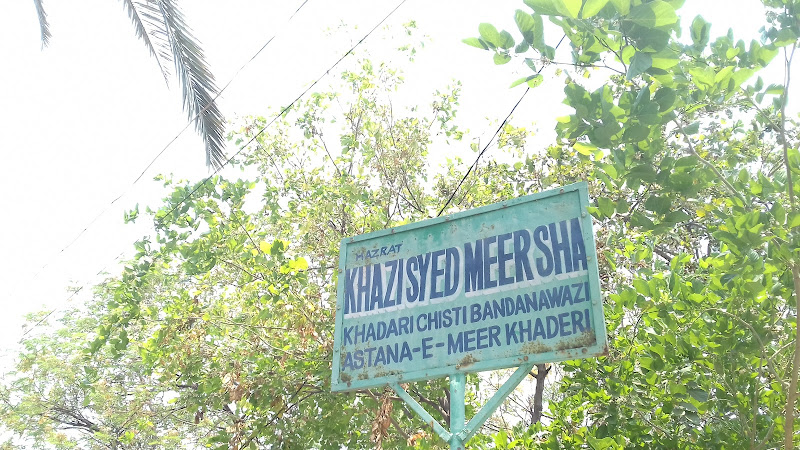
Khazi Syed Meer Sha
About Khazi Syed Meer Sha
Description
Khazi Syed Meer Sha Shrine holds a quiet, almost magnetic energy that draws travelers, pilgrims, and curious wanderers alike. It’s one of those places that doesn’t shout for attention but rather hums with a calm presence. When you walk through its gates, the world outside seems to slow down a bit, like it’s giving you permission to breathe and just be. I remember the first time I visited — the air was thick with incense, and there was this faint sound of prayers echoing from inside. It wasn’t grand or flashy, but it felt deeply personal, like the place itself understood the weight of your thoughts.
This shrine is dedicated to Khazi Syed Meer Sha, a revered Sufi saint whose life and teachings continue to inspire devotion and reflection. Over the years, it’s become a symbol of peace and spiritual grounding for many. Locals visit regularly, not just to pray but to find solace in the stillness that seems to linger here. The architecture is simple yet meaningful — domes that catch the sunlight just right, and walls that tell silent stories of faith through their age and wear. You can sense the generations that have passed through, each leaving behind a quiet trace of reverence.
What strikes most visitors, including me, is how balanced the atmosphere feels. It’s neither overly solemn nor too busy. You might see a family offering prayers, a traveler sitting cross-legged in thought, or a group of children playing nearby — all coexisting in this odd harmony. It’s peaceful, yes, but not in a way that feels forced. It’s the kind of peace that comes naturally when a place has been loved and respected for centuries. And maybe that’s what makes it so special — it doesn’t demand devotion; it invites it.
Key Features
- Spiritual Significance: The shrine honors Khazi Syed Meer Sha, a saint known for his compassion, wisdom, and role in spreading Sufi teachings across the region.
- Architectural Simplicity: The design is modest yet elegant, featuring traditional domes and arches that reflect the cultural essence of South Indian Islamic architecture.
- Peaceful Atmosphere: Visitors often describe the shrine as a tranquil retreat, ideal for meditation and quiet reflection away from the city’s noise.
- Local Traditions: Regular prayer gatherings and special observances during Urs (the saint’s death anniversary) bring the community together in devotion and celebration.
- Community Connection: The shrine serves as a cultural and spiritual hub, where people from different walks of life come together, fostering unity and understanding.
What I personally love about this place is how it’s both sacred and welcoming. No one rushes you. You can take your time, sit quietly, or chat with the caretakers who are always ready with stories about the saint’s miracles and teachings. There’s something grounding about hearing those tales firsthand — they make the history feel alive, not just something written on a plaque.
Best Time to Visit
If you’re planning a visit, the cooler months between November and February are the most comfortable. The weather during this period is mild, making it easier to explore without feeling drained by the heat. Early mornings are particularly serene; you’ll find the shrine bathed in soft light, with fewer visitors around. It’s the perfect time to experience the calm energy of the place before the day begins.
That said, visiting during the Urs festival can be unforgettable. The shrine comes alive with devotees, music, and the aroma of traditional food. It’s a more vibrant experience, but still deeply spiritual. I once attended it on a whim, and though the crowd was large, there was this palpable sense of unity — strangers sharing food, laughter, and faith. It’s one of those memories that sticks with you long after you’ve left.
How to Get There
Reaching the shrine is relatively straightforward. The nearest major town has good road connectivity, and local transportation options like auto-rickshaws and taxis are easily available. If you’re traveling by train, you can get off at the nearest railway station and take a short ride to the shrine. The roads leading to it are lined with small shops selling flowers, incense sticks, and sweets — offerings for visitors to take along.
For those who prefer a more scenic route, driving down from nearby cities offers a chance to experience the rural charm of Andhra Pradesh. The drive itself is surprisingly relaxing, with stretches of farmland, old banyan trees, and the occasional roadside tea stall where you can stop for a quick break. I’ve done that drive more than once, and honestly, it’s half the fun of the trip.
Tips for Visiting
Here’s the thing — visiting a shrine like Khazi Syed Meer Sha isn’t just about sightseeing; it’s about respect and awareness. So, a few tips from someone who’s been there more than once:
- Dress Modestly: It’s a place of worship, so wear clothing that covers your shoulders and knees. Light cotton fabrics work best in the heat.
- Remove Footwear: Before entering the main shrine area, you’ll need to take off your shoes. There’s usually a designated area for that.
- Be Mindful: Keep your phone on silent and avoid loud conversations. The energy here is peaceful — it’s worth preserving that.
- Talk to Locals: Don’t hesitate to strike up a conversation. Locals often share personal stories about the saint that aren’t written anywhere.
- Carry Water: Especially if you’re visiting during warmer months. There are small shops nearby, but it’s always good to have your own bottle.
- Photography: Be respectful when taking photos. Some areas may not allow it, especially during prayer times.
And if you’re someone who loves journaling or photography, bring your notebook or camera along. The shrine has this way of stirring thoughts and emotions you might want to capture. I’ve often found myself scribbling notes under the shade of a tree nearby — reflections about life, peace, and the strange comfort of silence. It’s that kind of place, one that nudges you inward without you even realizing it.
All in all, Khazi Syed Meer Sha Shrine isn’t just another stop on a traveler’s itinerary. It’s a living, breathing space of faith and humanity. Whether you’re deeply spiritual or just curious about cultural heritage, it offers something meaningful — a pause, a reflection, maybe even a quiet revelation. And honestly, in a world that’s always rushing, that’s a gift worth making time for.
Key Features
- Key Features
- Best Time to Visit
- How to Get There
- Tips for Visiting
More Details
Updated December 1, 2025
Table of Contents Khazi Syed Meer Sha Shrine holds a quiet, almost magnetic energy that draws travelers, pilgrims, and curious wanderers alike. It’s one of those places that doesn’t shout for attention but rather hums with a calm presence. When you walk through its gates, the world outside seems to slow down a bit, like it’s giving you permission to breathe and just be. I remember the first time I visited — the air was thick with incense, and there was this faint sound of prayers echoing from inside. It wasn’t grand or flashy, but it felt deeply personal, like the place itself understood the weight of your thoughts. This shrine is dedicated to Khazi Syed Meer Sha, a revered Sufi saint whose life and teachings continue to inspire devotion and reflection. Over the years, it’s become a symbol of peace and spiritual grounding for many. Locals visit regularly, not just to pray but to find solace in the stillness that seems to linger here. The architecture is simple yet meaningful — domes that catch the sunlight just right, and walls that tell silent stories of faith through their age and wear. You can sense the generations that have passed through, each leaving behind a quiet trace of reverence. What strikes most visitors, including me, is how balanced the atmosphere feels. It’s neither overly solemn nor too busy. You might see a family offering prayers, a traveler sitting cross-legged in thought, or a group of children playing nearby — all coexisting in this odd harmony. It’s peaceful, yes, but not in a way that feels forced. It’s the kind of peace that comes naturally when a place has been loved and respected for centuries. And maybe that’s what makes it so special — it doesn’t demand devotion; it invites it. What I personally love about this place is how it’s both sacred and welcoming. No one rushes you. You can take your time, sit quietly, or chat with the caretakers who are always ready with stories about the saint’s miracles and teachings. There’s something grounding about hearing those tales firsthand — they make the history feel alive, not just something written on a plaque. If you’re planning a visit, the cooler months between November and February are the most comfortable. The weather during this period is mild, making it easier to explore without feeling drained by the heat. Early mornings are particularly serene; you’ll find the shrine bathed in soft light, with fewer visitors around. It’s the perfect time to experience the calm energy of the place before the day begins. That said, visiting during the Urs festival can be unforgettable. The shrine comes alive with devotees, music, and the aroma of traditional food. It’s a more vibrant experience, but still deeply spiritual. I once attended it on a whim, and though the crowd was large, there was this palpable sense of unity — strangers sharing food, laughter, and faith. It’s one of those memories that sticks with you long after you’ve left. Reaching the shrine is relatively straightforward. The nearest major town has good road connectivity, and local transportation options like auto-rickshaws and taxis are easily available. If you’re traveling by train, you can get off at the nearest railway station and take a short ride to the shrine. The roads leading to it are lined with small shops selling flowers, incense sticks, and sweets — offerings for visitors to take along. For those who prefer a more scenic route, driving down from nearby cities offers a chance to experience the rural charm of Andhra Pradesh. The drive itself is surprisingly relaxing, with stretches of farmland, old banyan trees, and the occasional roadside tea stall where you can stop for a quick break. I’ve done that drive more than once, and honestly, it’s half the fun of the trip. Here’s the thing — visiting a shrine like Khazi Syed Meer Sha isn’t just about sightseeing; it’s about respect and awareness. So, a few tips from someone who’s been there more than once: And if you’re someone who loves journaling or photography, bring your notebook or camera along. The shrine has this way of stirring thoughts and emotions you might want to capture. I’ve often found myself scribbling notes under the shade of a tree nearby — reflections about life, peace, and the strange comfort of silence. It’s that kind of place, one that nudges you inward without you even realizing it. All in all, Khazi Syed Meer Sha Shrine isn’t just another stop on a traveler’s itinerary. It’s a living, breathing space of faith and humanity. Whether you’re deeply spiritual or just curious about cultural heritage, it offers something meaningful — a pause, a reflection, maybe even a quiet revelation. And honestly, in a world that’s always rushing, that’s a gift worth making time for.Description
Key Features
Best Time to Visit
How to Get There
Tips for Visiting
Key Highlights
- Key Features
- Best Time to Visit
- How to Get There
- Tips for Visiting
Location
Places to Stay Near Khazi Syed Meer Sha
Find and Book a Tour
Explore More Travel Guides
No reviews found! Be the first to review!
Traveler Reviews for Khazi Syed Meer Sha
There are no reviews yet. Be the first one to write one.
Have you visited Khazi Syed Meer Sha? Help other travelers by sharing your review.
You Might Also Like

Sree Veerabhadra Swamy Shopping Mall
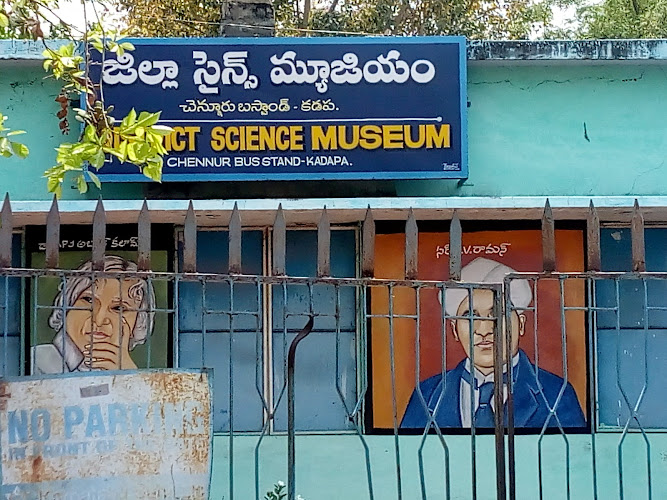
District Science Museum
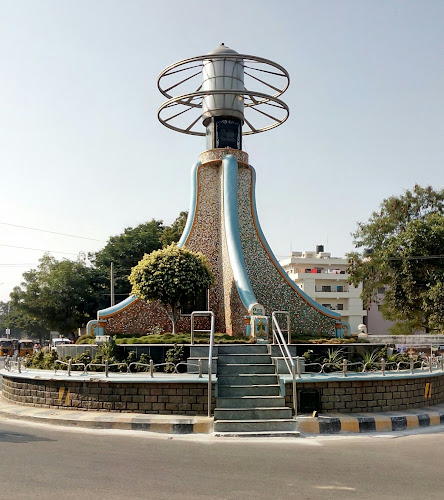
Kadapa
Find Accommodations Nearby
Recommended Tours & Activities
Visitor Reviews
There are no reviews yet. Be the first one to write one.
Share Your Experience
Have you visited Khazi Syed Meer Sha? Help other travelers by leaving a review.