
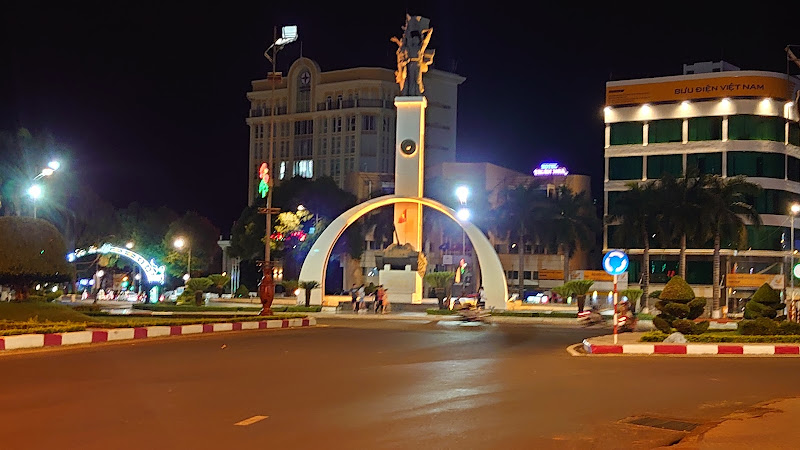
Buon Ma Thuot
About Buon Ma Thuot
Description
Buon Ma Thuot, often spelled Buôn Mê Thuột or Ban Mê Thuột, sits quietly yet confidently in the heart of Vietnam’s Central Highlands. It’s the capital of Đắk Lắk Province and home to over 430,000 people, but don’t let the population fool you—it still feels like a place where you can breathe. The city is best known as the coffee capital of Vietnam, and honestly, you can smell it in the air. If you’ve ever dreamed of sipping a cup of strong, earthy Vietnamese coffee while watching life drift by, this is the spot.
There’s something about Buon Ma Thuot that feels raw and real. It’s not overly polished like Da Nang or tourist-heavy like Hoi An. Instead, it’s authentic, full of character, and deeply tied to the spirit of the Central Highlands. The city’s rhythm is slower, more grounded. You’ll see motorbikes weaving through small streets lined with coffee shops, local markets buzzing in the morning, and the occasional sound of traditional gongs echoing from nearby villages. It’s a place where modern Vietnam meets indigenous tradition head-on—and somehow, they get along beautifully.
Personally, I remember my first morning here vividly. I wandered into a small café run by an older couple who roasted their beans right out back. The aroma was hypnotic. The man handed me a cup of thick, black coffee dripping slowly through a metal phin filter, and I swear, that first sip was like tasting the soul of the Highlands. That’s Buon Ma Thuot in a nutshell—simple moments that somehow feel profound.
Key Features
- Coffee Culture: Buon Ma Thuot is the beating heart of Vietnam’s coffee industry. The city produces some of the finest Robusta beans in the world, and coffee tours here are a must for caffeine lovers.
- Waterfalls: Nearby natural wonders like Dray Nur and Dray Sap waterfalls are breathtaking. You can swim, hike, or just sit back and let the mist cool your face.
- Ethnic Diversity: The region is home to several ethnic minority groups such as the Ede, M’nong, and Jarai, each with their own traditions, music, and crafts.
- Gong Culture: Recognized by UNESCO, the Central Highlands’ gong culture is alive here—if you’re lucky, you might catch a local performance under the stars.
- Local Cuisine: The food is rustic, hearty, and full of flavor. Try grilled meats wrapped in wild herbs, bamboo-tube rice, or the local specialty—coffee-marinated pork.
- Eco-Tourism: Places like Kotam Ecotourism Destination offer a peaceful escape surrounded by lakes, gardens, and wooden stilt houses.
- War History: The area played a key role during the Vietnam War, and you can explore remnants and museums that tell the story of its resilience.
Best Time to Visit
The best time to visit Buon Ma Thuot is between December and April, during the dry season. The weather is cooler, skies are clear, and coffee farms are in full swing—perfect for exploration and photography. If you come in March, you might catch the Buon Ma Thuot Coffee Festival, which happens every two years and fills the city with aroma, music, and energy. It’s a celebration of everything coffee-related, from bean to brew.
That said, I once visited in the rainy season (around July), and while it poured almost every afternoon, it had its own charm. The waterfalls were roaring, the countryside glowed green, and the smell of wet earth mixed with coffee was oddly comforting. So, if you don’t mind a little rain, it’s still a beautiful time to go.
How to Get There
Getting to Buon Ma Thuot is easier than most people think. The city has its own airport—Buon Ma Thuot Airport—which connects directly to Ho Chi Minh City, Hanoi, and Da Nang. Flights are short and inexpensive. From the airport, it’s just a 20-minute ride into the city center.
If you prefer a slower route, buses run daily from major cities like Ho Chi Minh City (around 7–8 hours) and Nha Trang (about 4–5 hours). The roads wind through the mountains, offering stunning views of forests and small villages. I once took that bus ride from Da Lat, and though it was long and bumpy, watching the sunrise over the Highlands made it worth every minute.
For those who love a bit of adventure, renting a motorbike from nearby cities and riding through the Central Highlands is an unforgettable experience. The air gets cooler as you climb higher, and the landscape changes from coastal plains to rolling hills dotted with coffee trees. Just make sure your tank’s full and your playlist’s ready.
Tips for Visiting
Buon Ma Thuot isn’t your typical tourist hub, and that’s part of its magic. But it also means you’ll want to plan a little ahead. Here are some personal tips to make your trip smoother—and more memorable.
- Learn a few local phrases: English isn’t widely spoken, especially outside the city center. A simple “Xin chào” (hello) or “Cảm ơn” (thank you) goes a long way.
- Bring cash: ATMs are available, but smaller cafés, markets, and rural spots often prefer cash. The Vietnamese dong is the local currency.
- Try the local coffee styles: Don’t just stick to one type. There’s cà phê sữa đá (iced coffee with condensed milk), cà phê đen (black coffee), and even coffee brewed with egg or coconut milk. Each one tells a different story.
- Respect local traditions: Many ethnic groups here have unique customs. Always ask before taking photos in villages or during ceremonies.
- Pack for the weather: Days can be warm, but nights cool down fast. A light jacket will come in handy, especially if you’re heading into the countryside.
- Take a day trip: Visit Yok Don National Park, Vietnam’s largest nature reserve. You might spot elephants, rare birds, and ancient trees that seem to touch the sky.
- Don’t rush: Buon Ma Thuot rewards slow travelers. Sit in a café, talk to locals, and just watch life unfold. The best experiences here aren’t on a checklist—they happen between moments.
One thing I love about this city is how it quietly grows on you. At first glance, it seems like just another provincial capital. But give it a couple of days, and you start noticing the details—the way the morning light hits the red earth, the laughter spilling from family-run cafés, the smell of roasted beans drifting through the streets. It’s the kind of place that doesn’t demand your attention but earns it.
In a world that’s always rushing, Buon Ma Thuot feels like a deep breath. It’s for travelers who want to slow down, taste something real, and maybe even rediscover a bit of themselves along the way. Whether you come for the coffee, the culture, or just the calm, you’ll probably leave with more than you expected—and maybe a few extra bags of beans in your suitcase.
Key Features
- Key Features
- Best Time to Visit
- How to Get There
- Tips for Visiting
More Details
Updated December 1, 2025
Description
Buon Ma Thuot, often spelled Buôn Mê Thuột or Ban Mê Thuột, sits quietly yet confidently in the heart of Vietnam’s Central Highlands. It’s the capital of Đắk Lắk Province and home to over 430,000 people, but don’t let the population fool you—it still feels like a place where you can breathe. The city is best known as the coffee capital of Vietnam, and honestly, you can smell it in the air. If you’ve ever dreamed of sipping a cup of strong, earthy Vietnamese coffee while watching life drift by, this is the spot.
There’s something about Buon Ma Thuot that feels raw and real. It’s not overly polished like Da Nang or tourist-heavy like Hoi An. Instead, it’s authentic, full of character, and deeply tied to the spirit of the Central Highlands. The city’s rhythm is slower, more grounded. You’ll see motorbikes weaving through small streets lined with coffee shops, local markets buzzing in the morning, and the occasional sound of traditional gongs echoing from nearby villages. It’s a place where modern Vietnam meets indigenous tradition head-on—and somehow, they get along beautifully.
Personally, I remember my first morning here vividly. I wandered into a small café run by an older couple who roasted their beans right out back. The aroma was hypnotic. The man handed me a cup of thick, black coffee dripping slowly through a metal phin filter, and I swear, that first sip was like tasting the soul of the Highlands. That’s Buon Ma Thuot in a nutshell—simple moments that somehow feel profound.
Key Features
- Coffee Culture: Buon Ma Thuot is the beating heart of Vietnam’s coffee industry. The city produces some of the finest Robusta beans in the world, and coffee tours here are a must for caffeine lovers.
- Waterfalls: Nearby natural wonders like Dray Nur and Dray Sap waterfalls are breathtaking. You can swim, hike, or just sit back and let the mist cool your face.
- Ethnic Diversity: The region is home to several ethnic minority groups such as the Ede, M’nong, and Jarai, each with their own traditions, music, and crafts.
- Gong Culture: Recognized by UNESCO, the Central Highlands’ gong culture is alive here—if you’re lucky, you might catch a local performance under the stars.
- Local Cuisine: The food is rustic, hearty, and full of flavor. Try grilled meats wrapped in wild herbs, bamboo-tube rice, or the local specialty—coffee-marinated pork.
- Eco-Tourism: Places like Kotam Ecotourism Destination offer a peaceful escape surrounded by lakes, gardens, and wooden stilt houses.
- War History: The area played a key role during the Vietnam War, and you can explore remnants and museums that tell the story of its resilience.
Best Time to Visit
The best time to visit Buon Ma Thuot is between December and April, during the dry season. The weather is cooler, skies are clear, and coffee farms are in full swing—perfect for exploration and photography. If you come in March, you might catch the Buon Ma Thuot Coffee Festival, which happens every two years and fills the city with aroma, music, and energy. It’s a celebration of everything coffee-related, from bean to brew.
That said, I once visited in the rainy season (around July), and while it poured almost every afternoon, it had its own charm. The waterfalls were roaring, the countryside glowed green, and the smell of wet earth mixed with coffee was oddly comforting. So, if you don’t mind a little rain, it’s still a beautiful time to go.
How to Get There
Getting to Buon Ma Thuot is easier than most people think. The city has its own airport—Buon Ma Thuot Airport—which connects directly to Ho Chi Minh City, Hanoi, and Da Nang. Flights are short and inexpensive. From the airport, it’s just a 20-minute ride into the city center.
If you prefer a slower route, buses run daily from major cities like Ho Chi Minh City (around 7–8 hours) and Nha Trang (about 4–5 hours). The roads wind through the mountains, offering stunning views of forests and small villages. I once took that bus ride from Da Lat, and though it was long and bumpy, watching the sunrise over the Highlands made it worth every minute.
For those who love a bit of adventure, renting a motorbike from nearby cities and riding through the Central Highlands is an unforgettable experience. The air gets cooler as you climb higher, and the landscape changes from coastal plains to rolling hills dotted with coffee trees. Just make sure your tank’s full and your playlist’s ready.
Tips for Visiting
Buon Ma Thuot isn’t your typical tourist hub, and that’s part of its magic. But it also means you’ll want to plan a little ahead. Here are some personal tips to make your trip smoother—and more memorable.
- Learn a few local phrases: English isn’t widely spoken, especially outside the city center. A simple “Xin chào” (hello) or “Cảm ơn” (thank you) goes a long way.
- Bring cash: ATMs are available, but smaller cafés, markets, and rural spots often prefer cash. The Vietnamese dong is the local currency.
- Try the local coffee styles: Don’t just stick to one type. There’s cà phê sữa đá (iced coffee with condensed milk), cà phê đen (black coffee), and even coffee brewed with egg or coconut milk. Each one tells a different story.
- Respect local traditions: Many ethnic groups here have unique customs. Always ask before taking photos in villages or during ceremonies.
- Pack for the weather: Days can be warm, but nights cool down fast. A light jacket will come in handy, especially if you’re heading into the countryside.
- Take a day trip: Visit Yok Don National Park, Vietnam’s largest nature reserve. You might spot elephants, rare birds, and ancient trees that seem to touch the sky.
- Don’t rush: Buon Ma Thuot rewards slow travelers. Sit in a café, talk to locals, and just watch life unfold. The best experiences here aren’t on a checklist—they happen between moments.
One thing I love about this city is how it quietly grows on you. At first glance, it seems like just another provincial capital. But give it a couple of days, and you start noticing the details—the way the morning light hits the red earth, the laughter spilling from family-run cafés, the smell of roasted beans drifting through the streets. It’s the kind of place that doesn’t demand your attention but earns it.
In a world that’s always rushing, Buon Ma Thuot feels like a deep breath. It’s for travelers who want to slow down, taste something real, and maybe even rediscover a bit of themselves along the way. Whether you come for the coffee, the culture, or just the calm, you’ll probably leave with more than you expected—and maybe a few extra bags of beans in your suitcase.
Key Highlights
- Key Features
- Best Time to Visit
- How to Get There
- Tips for Visiting
Location
Places to Stay Near Buon Ma Thuot
Find and Book a Tour
Explore More Travel Guides
No reviews found! Be the first to review!
Traveler Reviews for Buon Ma Thuot
There are no reviews yet. Be the first one to write one.
Have you visited Buon Ma Thuot? Help other travelers by sharing your review.
You Might Also Like
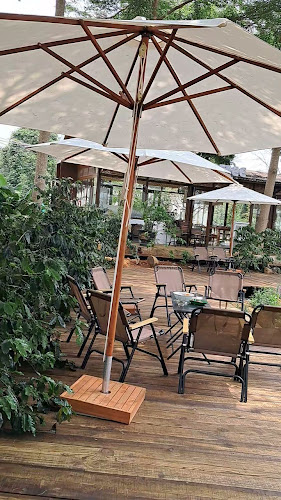
Aeroco Specialty Coffee Farm
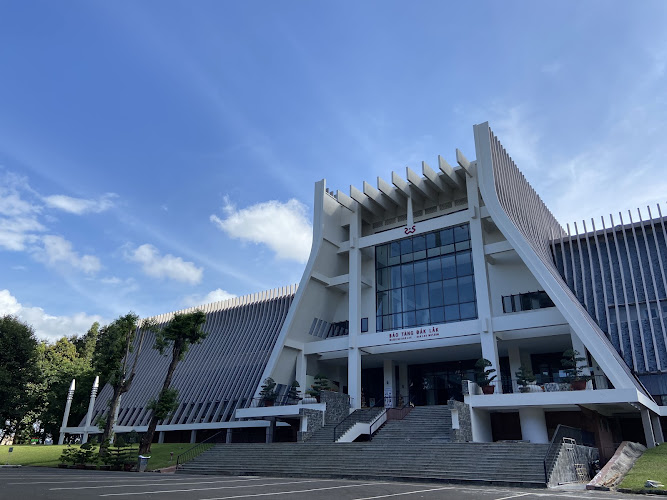
Dak Lak Museum
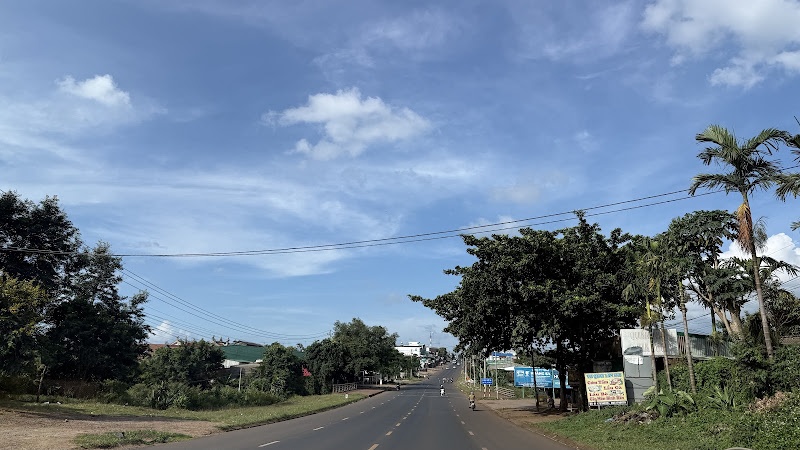
Dak Lak
Find Accommodations Nearby
Recommended Tours & Activities
Visitor Reviews
There are no reviews yet. Be the first one to write one.
Share Your Experience
Have you visited Buon Ma Thuot? Help other travelers by leaving a review.