
Buon Don Tourist Center
About Buon Don Tourist Center
Description
The Buon Don Tourist Center in Vietnam is one of those places that somehow feels both ancient and alive at the same time. It’s not just another tourist attraction you tick off your list — it’s a living storybook of the Central Highlands, where elephants, rivers, and local legends intertwine. I remember the first time I visited; the earthy scent of the forest mixed with the distant sound of elephants trumpeting in the background. It felt surreal, almost like stepping into a forgotten world that still remembers its roots.
This place is famous for its deep connection to elephants — not just as animals to admire, but as companions in the local culture. The people here have lived alongside these gentle giants for generations. You can feel that bond in every corner of the center, from the way the mahouts (elephant keepers) speak softly to their elephants to the way visitors are encouraged to learn about their care and conservation. It’s not a flashy zoo or a quick selfie spot; it’s a space that invites you to slow down, breathe, and appreciate the rhythm of life in the highlands.
The atmosphere is relaxed and friendly. Families wander around with kids in tow, couples stroll hand in hand, and solo travelers (like me) often end up chatting with locals over a cup of strong, aromatic coffee. The center is LGBTQ+ friendly and even marked as a transgender safe space, which honestly made me feel proud of how inclusive it’s become. It’s a small but meaningful step for tourism in this region.
Facilities are pretty straightforward — clean restrooms, on-site parking (though you’ll need to pay a small fee), and plenty of shaded areas to rest under the trees. It’s a cash-only place, so you’ll want to have some Vietnamese dong on hand. The staff are kind and patient, even if English isn’t always fluent, and that’s part of the charm. You’ll find yourself communicating through smiles and gestures more often than not.
Now, I won’t sugarcoat it — not every part of the experience is perfect. Some visitors might find the infrastructure a bit dated or the signage confusing. But that’s also part of what makes it feel real. It’s not overly polished or commercialized. It’s raw, natural, and full of character. The elephants are well cared for, and there’s a growing emphasis on ethical tourism and education rather than entertainment. You’ll walk away with a sense of connection, maybe even a bit of introspection about how humans and animals share this planet.
Key Features
- Elephant conservation area and educational programs about elephant care
- Traditional longhouses showcasing the culture of the Ede and M’nong ethnic groups
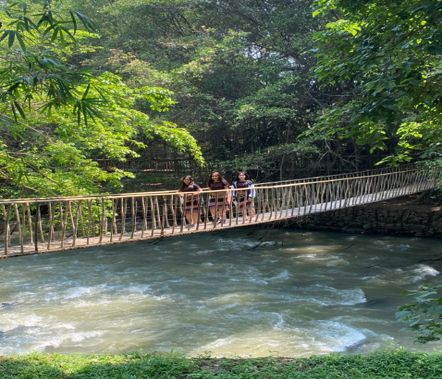
- Suspension bridges crossing the Serepok River — great for photos and a bit of adventure
- Local food stalls serving Dak Lak specialties like grilled meat skewers and coffee brewed the traditional way
- Boat rides on the river for a peaceful view of the forest and surrounding villages
- On-site parking and clean restroom facilities
- Cash-only payment system — plan ahead
- LGBTQ+ friendly and family-friendly environment
Best Time to Visit
If you ask me, the best time to visit Buon Don Tourist Center is between November and April. That’s the dry season in Dak Lak, so you’ll get clear skies and pleasant weather — perfect for wandering around without melting under the sun. The mornings are cool and misty, the afternoons are warm enough for exploring, and the sunsets? Absolutely stunning.
During the rainy months (May to October), the area transforms into a lush, green paradise, but the trails can get muddy, and some outdoor activities might be limited. Still, if you don’t mind a bit of drizzle and want to see the forest at its most vibrant (oops, I mean most alive!), then go for it. Just bring a raincoat and a sense of humor.
There’s also the Buon Don Elephant Festival, usually held every two years around March. It’s a cultural spectacle with traditional music, dance, and — of course — elephants taking part in parades. It’s lively, chaotic, and beautiful all at once. If you can time your visit with the festival, you’ll get a glimpse into the soul of the highlands.
How to Get There
Getting to Buon Don Tourist Center is part of the adventure. Most travelers start from Buon Ma Thuot City, which is about an hour’s drive away. You can rent a motorbike if you’re feeling brave (and confident on winding rural roads), or hire a taxi or private car for comfort. The ride itself is scenic — rolling hills, coffee plantations, and the occasional herd of cows crossing the road. Don’t rush it; half the fun is in the journey.
If you’re coming from further away, Buon Ma Thuot has a small airport with flights from major cities like Ho Chi Minh City and Hanoi. From there, you can grab a local bus or arrange transport directly to the tourist center. Just remember, buses here run on “Vietnam time,” which means schedules are more of a suggestion than a guarantee. Bring snacks, water, and patience — you’ll need all three.
And a quick tip from experience: download an offline map before you go. Cell service can be patchy in the countryside, especially once you leave the main roads. But that’s part of the charm — it’s nice to disconnect for a bit and just take in the scenery.
Tips for Visiting
Here’s where I get a bit personal because I’ve learned a few things the hard way. First, wear comfortable shoes. You’ll be walking a lot — across bridges, through forest paths, and maybe even along muddy trails if it’s recently rained. Flip-flops are a bad idea (trust me, I learned that after sliding down a small hill).
Bring cash. I can’t stress this enough. The center operates on a cash-only basis, and while there might be an ATM back in town, you don’t want to rely on it. Also, bring a refillable water bottle. It gets hot, and there’s nothing worse than running out of water halfway through your visit.
If you’re planning to interact with elephants, take a moment to learn about their history and the ethical guidelines of the center. Avoid feeding them random snacks or trying to climb on them for photos. The staff can guide you on how to engage responsibly, and honestly, watching them up close — seeing how they communicate with their caretakers — is far more rewarding than any staged picture.
Photography-wise, mornings and late afternoons are magic hours. The light filters through the trees, the mist rises from the river, and everything looks like it’s glowing. But don’t spend the whole time behind your camera. Put it down once in a while and just be present. You’ll remember the feeling much longer than the photo.
If you’re traveling with kids, they’ll love the elephants and the open spaces. Just keep an eye on them near the riverbanks. For LGBTQ+ travelers, the center’s inclusive environment makes it a comfortable and welcoming place to explore without worry.
Lastly, take your time. Don’t rush through it like it’s a checklist. Sit by the river, chat with a local, sip on that strong Vietnamese coffee, and let the sounds of the forest sink in. Buon Don isn’t about flashy attractions or perfect photo ops — it’s about connection, culture, and a slower way of seeing the world. And if you’re lucky, you might just leave with a story or two worth telling.
Key Features
- Elephant conservation area and educational programs about elephant care
- Traditional longhouses showcasing the culture of the Ede and M’nong ethnic groups
- Suspension bridges crossing the Serepok River — great for photos and a bit of adventure
- Local food stalls serving Dak Lak specialties like grilled meat skewers and coffee brewed the traditional way
- Boat rides on the river for a peaceful view of the forest and surrounding villages
- On-site parking and clean restroom facilities
- Cash-only payment system — plan ahead
- LGBTQ+ friendly and family-friendly environment
More Details
Updated December 1, 2025
Description
The Buon Don Tourist Center in Vietnam is one of those places that somehow feels both ancient and alive at the same time. It’s not just another tourist attraction you tick off your list — it’s a living storybook of the Central Highlands, where elephants, rivers, and local legends intertwine. I remember the first time I visited; the earthy scent of the forest mixed with the distant sound of elephants trumpeting in the background. It felt surreal, almost like stepping into a forgotten world that still remembers its roots.
This place is famous for its deep connection to elephants — not just as animals to admire, but as companions in the local culture. The people here have lived alongside these gentle giants for generations. You can feel that bond in every corner of the center, from the way the mahouts (elephant keepers) speak softly to their elephants to the way visitors are encouraged to learn about their care and conservation. It’s not a flashy zoo or a quick selfie spot; it’s a space that invites you to slow down, breathe, and appreciate the rhythm of life in the highlands.
The atmosphere is relaxed and friendly. Families wander around with kids in tow, couples stroll hand in hand, and solo travelers (like me) often end up chatting with locals over a cup of strong, aromatic coffee. The center is LGBTQ+ friendly and even marked as a transgender safe space, which honestly made me feel proud of how inclusive it’s become. It’s a small but meaningful step for tourism in this region.
Facilities are pretty straightforward — clean restrooms, on-site parking (though you’ll need to pay a small fee), and plenty of shaded areas to rest under the trees. It’s a cash-only place, so you’ll want to have some Vietnamese dong on hand. The staff are kind and patient, even if English isn’t always fluent, and that’s part of the charm. You’ll find yourself communicating through smiles and gestures more often than not.
Now, I won’t sugarcoat it — not every part of the experience is perfect. Some visitors might find the infrastructure a bit dated or the signage confusing. But that’s also part of what makes it feel real. It’s not overly polished or commercialized. It’s raw, natural, and full of character. The elephants are well cared for, and there’s a growing emphasis on ethical tourism and education rather than entertainment. You’ll walk away with a sense of connection, maybe even a bit of introspection about how humans and animals share this planet.
Key Features
- Elephant conservation area and educational programs about elephant care
- Traditional longhouses showcasing the culture of the Ede and M’nong ethnic groups
- Suspension bridges crossing the Serepok River — great for photos and a bit of adventure
- Local food stalls serving Dak Lak specialties like grilled meat skewers and coffee brewed the traditional way
- Boat rides on the river for a peaceful view of the forest and surrounding villages
- On-site parking and clean restroom facilities
- Cash-only payment system — plan ahead
- LGBTQ+ friendly and family-friendly environment
Best Time to Visit
If you ask me, the best time to visit Buon Don Tourist Center is between November and April. That’s the dry season in Dak Lak, so you’ll get clear skies and pleasant weather — perfect for wandering around without melting under the sun. The mornings are cool and misty, the afternoons are warm enough for exploring, and the sunsets? Absolutely stunning.
During the rainy months (May to October), the area transforms into a lush, green paradise, but the trails can get muddy, and some outdoor activities might be limited. Still, if you don’t mind a bit of drizzle and want to see the forest at its most vibrant (oops, I mean most alive!), then go for it. Just bring a raincoat and a sense of humor.
There’s also the Buon Don Elephant Festival, usually held every two years around March. It’s a cultural spectacle with traditional music, dance, and — of course — elephants taking part in parades. It’s lively, chaotic, and beautiful all at once. If you can time your visit with the festival, you’ll get a glimpse into the soul of the highlands.
How to Get There
Getting to Buon Don Tourist Center is part of the adventure. Most travelers start from Buon Ma Thuot City, which is about an hour’s drive away. You can rent a motorbike if you’re feeling brave (and confident on winding rural roads), or hire a taxi or private car for comfort. The ride itself is scenic — rolling hills, coffee plantations, and the occasional herd of cows crossing the road. Don’t rush it; half the fun is in the journey.
If you’re coming from further away, Buon Ma Thuot has a small airport with flights from major cities like Ho Chi Minh City and Hanoi. From there, you can grab a local bus or arrange transport directly to the tourist center. Just remember, buses here run on “Vietnam time,” which means schedules are more of a suggestion than a guarantee. Bring snacks, water, and patience — you’ll need all three.
And a quick tip from experience: download an offline map before you go. Cell service can be patchy in the countryside, especially once you leave the main roads. But that’s part of the charm — it’s nice to disconnect for a bit and just take in the scenery.
Tips for Visiting
Here’s where I get a bit personal because I’ve learned a few things the hard way. First, wear comfortable shoes. You’ll be walking a lot — across bridges, through forest paths, and maybe even along muddy trails if it’s recently rained. Flip-flops are a bad idea (trust me, I learned that after sliding down a small hill).
Bring cash. I can’t stress this enough. The center operates on a cash-only basis, and while there might be an ATM back in town, you don’t want to rely on it. Also, bring a refillable water bottle. It gets hot, and there’s nothing worse than running out of water halfway through your visit.
If you’re planning to interact with elephants, take a moment to learn about their history and the ethical guidelines of the center. Avoid feeding them random snacks or trying to climb on them for photos. The staff can guide you on how to engage responsibly, and honestly, watching them up close — seeing how they communicate with their caretakers — is far more rewarding than any staged picture.
Photography-wise, mornings and late afternoons are magic hours. The light filters through the trees, the mist rises from the river, and everything looks like it’s glowing. But don’t spend the whole time behind your camera. Put it down once in a while and just be present. You’ll remember the feeling much longer than the photo.
If you’re traveling with kids, they’ll love the elephants and the open spaces. Just keep an eye on them near the riverbanks. For LGBTQ+ travelers, the center’s inclusive environment makes it a comfortable and welcoming place to explore without worry.
Lastly, take your time. Don’t rush through it like it’s a checklist. Sit by the river, chat with a local, sip on that strong Vietnamese coffee, and let the sounds of the forest sink in. Buon Don isn’t about flashy attractions or perfect photo ops — it’s about connection, culture, and a slower way of seeing the world. And if you’re lucky, you might just leave with a story or two worth telling.
Key Highlights
- Elephant conservation area and educational programs about elephant care
- Traditional longhouses showcasing the culture of the Ede and M’nong ethnic groups
- Suspension bridges crossing the Serepok River — great for photos and a bit of adventure
- Local food stalls serving Dak Lak specialties like grilled meat skewers and coffee brewed the traditional way
- Boat rides on the river for a peaceful view of the forest and surrounding villages
- On-site parking and clean restroom facilities
- Cash-only payment system — plan ahead
- LGBTQ+ friendly and family-friendly environment
Location
Places to Stay Near Buon Don Tourist Center
Find and Book a Tour
Explore More Travel Guides
No reviews found! Be the first to review!
Traveler Reviews for Buon Don Tourist Center
There are no reviews yet. Be the first one to write one.
Have you visited Buon Don Tourist Center? Help other travelers by sharing your review.
You Might Also Like
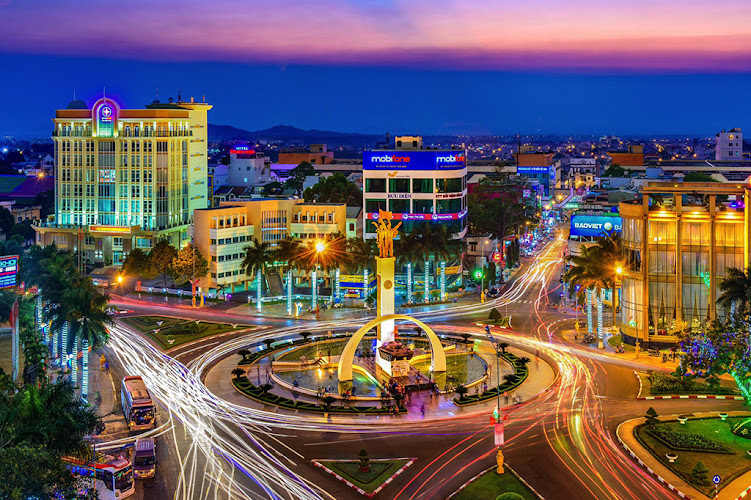
Tượng Đài Chiến thắng Buôn Ma Thuột
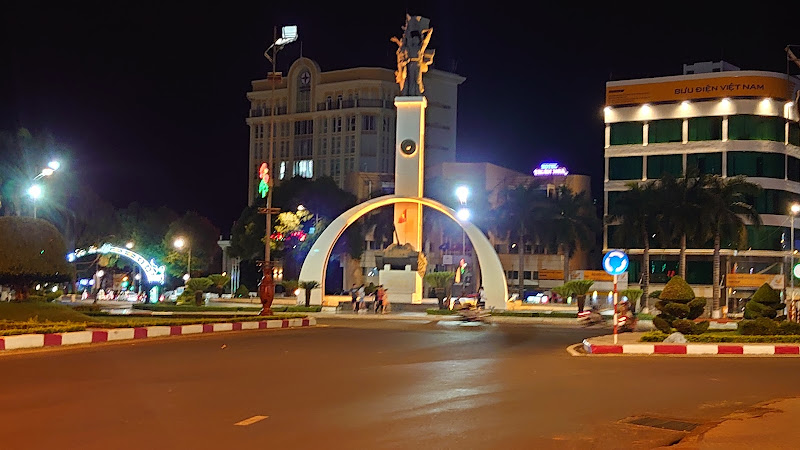
Buon Ma Thuot
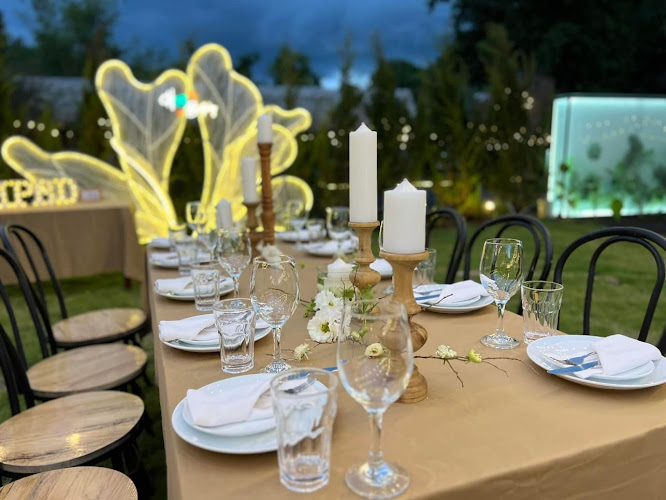
Khu Du lịch Sinh thái Đầu Nguồn
Find Accommodations Nearby
Recommended Tours & Activities
Visitor Reviews
There are no reviews yet. Be the first one to write one.
Share Your Experience
Have you visited Buon Don Tourist Center? Help other travelers by leaving a review.