
Lake Biwa Museum
About Lake Biwa Museum
Description
The Lake Biwa Museum in Shiga Prefecture is one of those places that quietly surprises you. It’s not just another museum with glass cases and faded labels—it’s an experience that feels alive. Set along the shores of Lake Biwa, Japan’s largest and oldest freshwater lake, this museum dives deep (pun intended) into the fascinating relationship between people, nature, and time. You can sense the lake’s ancient pulse in every room, from the fossils that tell stories of prehistoric creatures to the shimmering tanks of native freshwater fish that still thrive today.
What really stands out is how thoughtfully the museum blends science, culture, and emotion. It’s not sterile or overly academic. Instead, it feels like a conversation between the past and the present. One moment you’re peering into a tank filled with rare species found only in Lake Biwa, and the next you’re standing before a life-sized reconstruction of a traditional fishing village, imagining what life must’ve been like centuries ago. It’s immersive, educational, and oddly grounding.
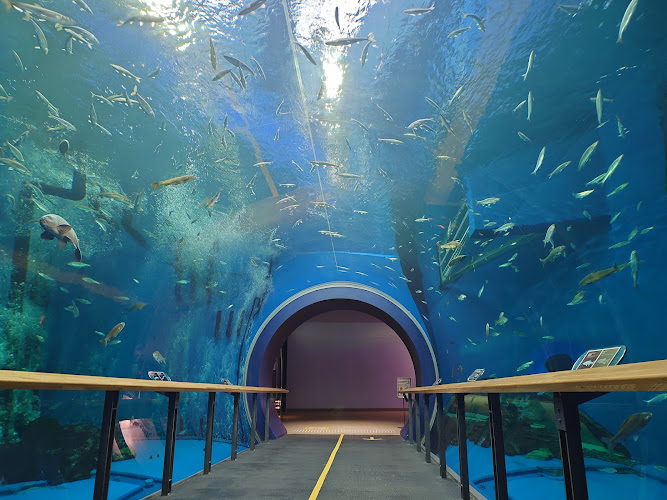
The museum’s layout encourages exploration. You can wander through thematic zones that trace the lake’s formation, its biodiversity, and the human communities that have depended on it for millennia. The aquarium section is a crowd favorite—kids and adults alike gather around the massive tanks, watching catfish glide lazily through the water. And if you’re the kind of person who loves learning through touch and play, the Discovery Room is a gem. It’s hands-on and engaging, especially for families traveling with curious little ones.
There’s also this subtle sense of calm that hangs in the air. Maybe it’s the natural light filtering through the windows overlooking the lake, or maybe it’s the quiet hum of water from the aquarium tanks. Either way, it’s the kind of place where you can slow down, breathe, and really absorb the beauty of the natural world.
Key Features
- Comprehensive exhibits exploring Lake Biwa’s geological origins, biodiversity, and human history.
- Freshwater aquarium showcasing native and endemic species unique to Lake Biwa.
- Interactive Discovery Room designed for children and families.
- Wheelchair-accessible facilities, including restrooms, entrance, and parking.
- On-site restaurant serving local dishes with a view of the lake.
- Free and paid parking options available for visitors.
- Wi-Fi access throughout the museum, perfect for travelers needing connectivity.
- Family-friendly amenities like changing tables and stroller-friendly paths.
What’s particularly cool is how the museum doesn’t shy away from showing the environmental challenges facing Lake Biwa today. Through multimedia displays and short films, visitors can see how pollution, invasive species, and climate change are affecting the delicate ecosystem. It’s not preachy—it’s honest and thought-provoking. You walk away not just entertained, but also more aware of how fragile and precious freshwater environments really are.
Best Time to Visit
If you’re planning a trip, the best time to visit the Lake Biwa Museum is between spring and autumn. From April to June, the weather is mild, and the lake surroundings are lush and green—perfect for pairing your museum visit with a lakeside stroll. Summer brings a different energy, with festivals and outdoor activities popping up around the area. But if you prefer a quieter experience, autumn is ideal. The air is crisp, the crowds thin out, and the fall colors reflecting on the lake are breathtaking.
Winter visits have their own charm, too. The museum stays comfortably warm inside, and you can watch the mist roll across the lake from the windows. It’s peaceful, almost meditative. I once went in early December, and there were only a handful of visitors. The silence made the exhibits feel even more powerful. So really, any season works—it just depends on the kind of atmosphere you’re after.
How to Get There
Reaching the Lake Biwa Museum is fairly straightforward. If you’re coming from Kyoto, it’s about a 40-minute train ride to Kusatsu Station. From there, local buses or taxis can take you directly to the museum in around 15 minutes. The route is scenic, passing through quiet neighborhoods and glimpses of the lake. For those driving, there’s ample parking available on-site, and the roads are well-marked with signs in both Japanese and English.
If you’re traveling with kids or elderly family members, the accessibility features make the visit smooth and stress-free. The museum’s design is modern and inclusive—ramps, elevators, and wide pathways make it easy for everyone to explore comfortably. And yes, wheelchairs are available for rent at the entrance if needed.
Tips for Visiting
Here’s the thing—this museum is bigger than it looks. Give yourself at least two to three hours to really take it all in. Start with the main exhibition halls, then head to the aquarium before wrapping up at the restaurant or café for a bite. The food isn’t fancy, but it’s hearty and satisfying, especially after all that walking.
If you’re into photography, bring your camera. The lighting inside can be tricky, but the aquarium and the lake views offer some stunning shots. Just be mindful of flash restrictions around the fish tanks. And if you’re traveling with kids, plan a little extra time in the Discovery Room—they’ll love it, and honestly, so will you.
One personal tip: step outside after your visit. There’s a walking path along the lake that’s perfect for decompressing. You can see waterbirds skimming the surface, and on clear days, the mountains in the distance look almost painted. It’s one of those peaceful moments that makes you appreciate why places like this exist—to remind us of our connection to nature.
And don’t rush through the gift shop. It’s one of those rare museum shops that actually has thoughtful items—locally made crafts, books about the lake’s ecology, and even small souvenirs featuring the unique fish species found in Lake Biwa. I picked up a hand-painted postcard there once, and it still hangs on my fridge as a small reminder of that calm day by the lake.
If you’re traveling during weekends or holidays, try to arrive early. The museum tends to get busier in the afternoons, especially with families. Morning visits are quieter, and you’ll have more space to linger around the exhibits. Also, check ahead for any temporary exhibitions—they often host special displays that dive deeper into specific ecological or cultural themes, which are worth seeing.
All in all, the Lake Biwa Museum isn’t just a place to learn—it’s a place to feel. It’s where science meets storytelling, where you walk away with a deeper respect for one of Japan’s most enduring natural wonders. Whether you’re a history buff, a nature lover, or just someone who enjoys discovering hidden gems, this museum leaves an impression that lingers long after you’ve left its glass doors behind.
Key Features
- Comprehensive exhibits exploring Lake Biwa’s geological origins, biodiversity, and human history.
- Freshwater aquarium showcasing native and endemic species unique to Lake Biwa.
- Interactive Discovery Room designed for children and families.
- Wheelchair-accessible facilities, including restrooms, entrance, and parking.
- On-site restaurant serving local dishes with a view of the lake.
- Free and paid parking options available for visitors.
- Wi-Fi access throughout the museum, perfect for travelers needing connectivity.
- Family-friendly amenities like changing tables and stroller-friendly paths.
More Details
Updated December 1, 2025
Table of Contents
Description
The Lake Biwa Museum in Shiga Prefecture is one of those places that quietly surprises you. It’s not just another museum with glass cases and faded labels—it’s an experience that feels alive. Set along the shores of Lake Biwa, Japan’s largest and oldest freshwater lake, this museum dives deep (pun intended) into the fascinating relationship between people, nature, and time. You can sense the lake’s ancient pulse in every room, from the fossils that tell stories of prehistoric creatures to the shimmering tanks of native freshwater fish that still thrive today.
What really stands out is how thoughtfully the museum blends science, culture, and emotion. It’s not sterile or overly academic. Instead, it feels like a conversation between the past and the present. One moment you’re peering into a tank filled with rare species found only in Lake Biwa, and the next you’re standing before a life-sized reconstruction of a traditional fishing village, imagining what life must’ve been like centuries ago. It’s immersive, educational, and oddly grounding.
The museum’s layout encourages exploration. You can wander through thematic zones that trace the lake’s formation, its biodiversity, and the human communities that have depended on it for millennia. The aquarium section is a crowd favorite—kids and adults alike gather around the massive tanks, watching catfish glide lazily through the water. And if you’re the kind of person who loves learning through touch and play, the Discovery Room is a gem. It’s hands-on and engaging, especially for families traveling with curious little ones.
There’s also this subtle sense of calm that hangs in the air. Maybe it’s the natural light filtering through the windows overlooking the lake, or maybe it’s the quiet hum of water from the aquarium tanks. Either way, it’s the kind of place where you can slow down, breathe, and really absorb the beauty of the natural world.
Key Features
- Comprehensive exhibits exploring Lake Biwa’s geological origins, biodiversity, and human history.
- Freshwater aquarium showcasing native and endemic species unique to Lake Biwa.
- Interactive Discovery Room designed for children and families.
- Wheelchair-accessible facilities, including restrooms, entrance, and parking.
- On-site restaurant serving local dishes with a view of the lake.
- Free and paid parking options available for visitors.
- Wi-Fi access throughout the museum, perfect for travelers needing connectivity.
- Family-friendly amenities like changing tables and stroller-friendly paths.
What’s particularly cool is how the museum doesn’t shy away from showing the environmental challenges facing Lake Biwa today. Through multimedia displays and short films, visitors can see how pollution, invasive species, and climate change are affecting the delicate ecosystem. It’s not preachy—it’s honest and thought-provoking. You walk away not just entertained, but also more aware of how fragile and precious freshwater environments really are.
Best Time to Visit
If you’re planning a trip, the best time to visit the Lake Biwa Museum is between spring and autumn. From April to June, the weather is mild, and the lake surroundings are lush and green—perfect for pairing your museum visit with a lakeside stroll. Summer brings a different energy, with festivals and outdoor activities popping up around the area. But if you prefer a quieter experience, autumn is ideal. The air is crisp, the crowds thin out, and the fall colors reflecting on the lake are breathtaking.
Winter visits have their own charm, too. The museum stays comfortably warm inside, and you can watch the mist roll across the lake from the windows. It’s peaceful, almost meditative. I once went in early December, and there were only a handful of visitors. The silence made the exhibits feel even more powerful. So really, any season works—it just depends on the kind of atmosphere you’re after.
How to Get There
Reaching the Lake Biwa Museum is fairly straightforward. If you’re coming from Kyoto, it’s about a 40-minute train ride to Kusatsu Station. From there, local buses or taxis can take you directly to the museum in around 15 minutes. The route is scenic, passing through quiet neighborhoods and glimpses of the lake. For those driving, there’s ample parking available on-site, and the roads are well-marked with signs in both Japanese and English.
If you’re traveling with kids or elderly family members, the accessibility features make the visit smooth and stress-free. The museum’s design is modern and inclusive—ramps, elevators, and wide pathways make it easy for everyone to explore comfortably. And yes, wheelchairs are available for rent at the entrance if needed.
Tips for Visiting
Here’s the thing—this museum is bigger than it looks. Give yourself at least two to three hours to really take it all in. Start with the main exhibition halls, then head to the aquarium before wrapping up at the restaurant or café for a bite. The food isn’t fancy, but it’s hearty and satisfying, especially after all that walking.
If you’re into photography, bring your camera. The lighting inside can be tricky, but the aquarium and the lake views offer some stunning shots. Just be mindful of flash restrictions around the fish tanks. And if you’re traveling with kids, plan a little extra time in the Discovery Room—they’ll love it, and honestly, so will you.
One personal tip: step outside after your visit. There’s a walking path along the lake that’s perfect for decompressing. You can see waterbirds skimming the surface, and on clear days, the mountains in the distance look almost painted. It’s one of those peaceful moments that makes you appreciate why places like this exist—to remind us of our connection to nature.
And don’t rush through the gift shop. It’s one of those rare museum shops that actually has thoughtful items—locally made crafts, books about the lake’s ecology, and even small souvenirs featuring the unique fish species found in Lake Biwa. I picked up a hand-painted postcard there once, and it still hangs on my fridge as a small reminder of that calm day by the lake.
If you’re traveling during weekends or holidays, try to arrive early. The museum tends to get busier in the afternoons, especially with families. Morning visits are quieter, and you’ll have more space to linger around the exhibits. Also, check ahead for any temporary exhibitions—they often host special displays that dive deeper into specific ecological or cultural themes, which are worth seeing.
All in all, the Lake Biwa Museum isn’t just a place to learn—it’s a place to feel. It’s where science meets storytelling, where you walk away with a deeper respect for one of Japan’s most enduring natural wonders. Whether you’re a history buff, a nature lover, or just someone who enjoys discovering hidden gems, this museum leaves an impression that lingers long after you’ve left its glass doors behind.
Key Highlights
- Comprehensive exhibits exploring Lake Biwa’s geological origins, biodiversity, and human history.
- Freshwater aquarium showcasing native and endemic species unique to Lake Biwa.
- Interactive Discovery Room designed for children and families.
- Wheelchair-accessible facilities, including restrooms, entrance, and parking.
- On-site restaurant serving local dishes with a view of the lake.
- Free and paid parking options available for visitors.
- Wi-Fi access throughout the museum, perfect for travelers needing connectivity.
- Family-friendly amenities like changing tables and stroller-friendly paths.
Location
Places to Stay Near Lake Biwa Museum
Find and Book a Tour
Explore More Travel Guides
No reviews found! Be the first to review!
Traveler Reviews for Lake Biwa Museum
There are no reviews yet. Be the first one to write one.
Have you visited Lake Biwa Museum? Help other travelers by sharing your review.
Find Accommodations Nearby
Recommended Tours & Activities
Visitor Reviews
There are no reviews yet. Be the first one to write one.
Share Your Experience
Have you visited Lake Biwa Museum? Help other travelers by leaving a review.