
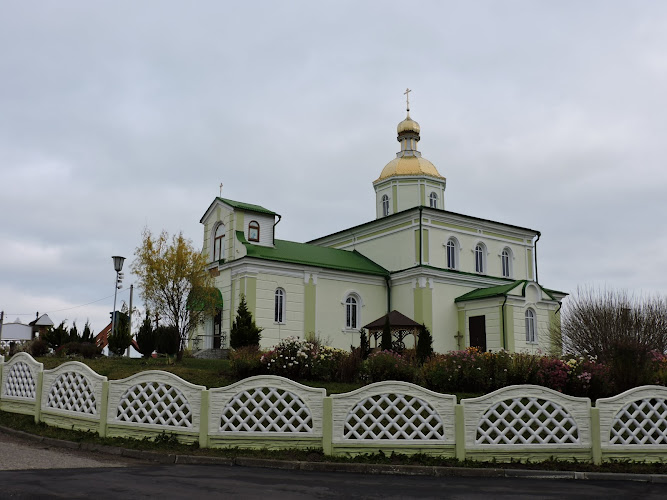
Hrodna Region
About Hrodna Region
Description
The Hrodna Region (you’ll also hear Grodno Oblast or Hrodna Voblasts tossed around) sits quietly in western Belarus, following the slow, thoughtful bends of the Neman River. It’s the kind of place that doesn’t shout for attention. And honestly, that’s part of the charm. With just under a million people as of 2024, the region feels lived-in but not crowded, familiar but still surprising. The city of Hrodna itself is the administrative center and the largest city, and it carries centuries of layered history in a way that feels, well, real rather than curated.
What struck me the first time I visited was how different this region feels compared to eastern Belarus. There’s a definite Central European undercurrent here. Catholic churches stand not far from Orthodox ones, Polish words sneak into conversations, and architecture quietly hints at former borders that once shifted back and forth. You feel it when you walk the streets of Hrodna: cobblestones underfoot, Soviet-era apartment blocks to your left, a baroque church to your right. It’s a visual argument between centuries, and nobody seems in a hurry to settle it.
The Neman River runs like a spine through the region, shaping both geography and daily life. Locals fish from its banks, couples stroll alongside it in the evening, and every so often you’ll see someone just sitting there, doing absolutely nothing. Which, if you ask me, is an underrated travel activity. The surrounding countryside is gentle rather than dramatic: rolling fields, forests that seem to go on forever, and villages where time feels… elastic. One afternoon I stopped for coffee in a small town and somehow stayed three hours because the café owner wanted to tell me about her grandmother. That kind of thing happens here.
The Hrodna Region also has a reputation for being calm, sometimes almost too calm for travelers chasing nightlife or glossy attractions. But if you like places that reward patience, curiosity, and a bit of wandering without a plan, this region delivers. It’s not polished. It’s not perfect. And that’s precisely why it sticks with you.
Key Features
- Historic city of Hrodna: One of Belarus’s oldest cities, known for its Old and New Castles, layered religious architecture, and walkable historic center.
- Neman River landscapes: Ideal for slow walks, photography, fishing, and quiet reflection, especially at sunset.
- Cultural crossroads: A mix of Belarusian, Polish, Lithuanian, and Jewish heritage visible in food, language, and architecture.
- Augustów Canal: A 19th-century engineering marvel that stretches into neighboring countries, popular for boating and cycling.
- Wooden villages and rural life: Traditional homes, small farms, and local markets that feel untouched by mass tourism.
- Religious diversity: Catholic, Orthodox, and synagogues (historic and modern) coexisting in close proximity.
- Green spaces and forests: Large natural areas perfect for hiking, picnics, and escaping urban noise.
Best Time to Visit
Late spring through early autumn is the sweet spot for visiting the Hrodna Region. May and June bring fresh greenery, blooming trees, and long daylight hours that make wandering the city or countryside a joy. Summer, especially July and August, is warm but usually manageable, with temperatures hovering in the low to mid-20s Celsius. And yes, there are mosquitoes near the river and forests. Bring repellent. Trust me on this one. I learned the hard way.
Autumn deserves a special mention. September and early October paint the region in golds and reds, and the forests near the Neman River look straight out of a painting. It’s quieter then, too. Fewer visitors, more space to breathe. Winters are cold, no sugarcoating it. Snow is common, days are short, and some rural attractions slow down or close entirely. But if you enjoy frosty walks, empty streets, and that hush that only winter brings, you might actually love it. Just dress like you mean it.
One thing to keep in mind: public holidays and local festivals can change the vibe quickly. On some days, the city feels sleepy; on others, unexpectedly lively. It’s part of the region’s rhythm, and adjusting to it is half the experience.
How to Get There
Getting to the Hrodna Region takes a bit of planning, but it’s far from impossible. Most travelers arrive via Minsk, Belarus’s capital, and continue west by train or bus. Trains are generally reliable, affordable, and surprisingly comfortable. The ride gives you a good look at the countryside, which I consider a bonus rather than dead time. I once spent an entire journey chatting with a retired engineer who insisted on sharing his homemade sandwiches. They were excellent.
There are also bus connections from other regional cities, though schedules can be a little… flexible. If you’re renting a car, driving offers the most freedom, especially if you plan to explore villages, forests, or the Augustów Canal area. Roads are mostly in decent condition, though signage in rural areas can be sparse. A navigation app helps, but don’t be shocked if it occasionally leads you down a road that feels like it’s going nowhere. Sometimes it is. Sometimes it’s magic.
Border proximity means some travelers combine the Hrodna Region with nearby countries, depending on visa rules and current regulations. Always double-check entry requirements before you go. Rules change, and not always with much warning.
Tips for Visiting
First tip: slow down. This region doesn’t reward rushing. Build extra time into your schedule for conversations, detours, and moments where nothing much happens. Those often become the memories you keep.
Language can be a hurdle, especially outside Hrodna city. Russian and Belarusian are dominant, with Polish also common near the border. English is less widely spoken than in Western Europe, but gestures, smiles, and patience go a long way. I’ve had entire conversations using a mix of basic phrases, hand signals, and laughter. It works.
Cash is still useful, particularly in small towns and markets. Don’t assume every place accepts cards. I once had to abandon a perfectly good pastry because I couldn’t pay for it. Still think about that pastry, honestly.
Dress practically. Churches may require modest clothing, and cobblestone streets demand decent shoes. Weather can change quickly, so layers are your friend. And if you’re heading into nature, tell someone where you’re going. Forests here are beautiful but expansive.
Food-wise, try local dishes when you can. Simple soups, hearty potatoes, river fish. It’s not fancy, but it’s filling and comforting. Portions tend to be generous. Don’t fight it.
Finally, be open. The Hrodna Region isn’t about ticking off sights. It’s about noticing details: a view from a bridge, the sound of church bells overlapping, an old man playing chess in the park. Let the place come to you rather than the other way around. If you do that, there’s a good chance it’ll leave a mark, quietly, but for a long time.
Key Features
- Key Features
- Best Time to Visit
- How to Get There
- Tips for Visiting
More Details
Updated December 30, 2025
Table of Contents
Description
The Hrodna Region (you’ll also hear Grodno Oblast or Hrodna Voblasts tossed around) sits quietly in western Belarus, following the slow, thoughtful bends of the Neman River. It’s the kind of place that doesn’t shout for attention. And honestly, that’s part of the charm. With just under a million people as of 2024, the region feels lived-in but not crowded, familiar but still surprising. The city of Hrodna itself is the administrative center and the largest city, and it carries centuries of layered history in a way that feels, well, real rather than curated.
What struck me the first time I visited was how different this region feels compared to eastern Belarus. There’s a definite Central European undercurrent here. Catholic churches stand not far from Orthodox ones, Polish words sneak into conversations, and architecture quietly hints at former borders that once shifted back and forth. You feel it when you walk the streets of Hrodna: cobblestones underfoot, Soviet-era apartment blocks to your left, a baroque church to your right. It’s a visual argument between centuries, and nobody seems in a hurry to settle it.
The Neman River runs like a spine through the region, shaping both geography and daily life. Locals fish from its banks, couples stroll alongside it in the evening, and every so often you’ll see someone just sitting there, doing absolutely nothing. Which, if you ask me, is an underrated travel activity. The surrounding countryside is gentle rather than dramatic: rolling fields, forests that seem to go on forever, and villages where time feels… elastic. One afternoon I stopped for coffee in a small town and somehow stayed three hours because the café owner wanted to tell me about her grandmother. That kind of thing happens here.
The Hrodna Region also has a reputation for being calm, sometimes almost too calm for travelers chasing nightlife or glossy attractions. But if you like places that reward patience, curiosity, and a bit of wandering without a plan, this region delivers. It’s not polished. It’s not perfect. And that’s precisely why it sticks with you.
Key Features
- Historic city of Hrodna: One of Belarus’s oldest cities, known for its Old and New Castles, layered religious architecture, and walkable historic center.
- Neman River landscapes: Ideal for slow walks, photography, fishing, and quiet reflection, especially at sunset.
- Cultural crossroads: A mix of Belarusian, Polish, Lithuanian, and Jewish heritage visible in food, language, and architecture.
- Augustów Canal: A 19th-century engineering marvel that stretches into neighboring countries, popular for boating and cycling.
- Wooden villages and rural life: Traditional homes, small farms, and local markets that feel untouched by mass tourism.
- Religious diversity: Catholic, Orthodox, and synagogues (historic and modern) coexisting in close proximity.
- Green spaces and forests: Large natural areas perfect for hiking, picnics, and escaping urban noise.
Best Time to Visit
Late spring through early autumn is the sweet spot for visiting the Hrodna Region. May and June bring fresh greenery, blooming trees, and long daylight hours that make wandering the city or countryside a joy. Summer, especially July and August, is warm but usually manageable, with temperatures hovering in the low to mid-20s Celsius. And yes, there are mosquitoes near the river and forests. Bring repellent. Trust me on this one. I learned the hard way.
Autumn deserves a special mention. September and early October paint the region in golds and reds, and the forests near the Neman River look straight out of a painting. It’s quieter then, too. Fewer visitors, more space to breathe. Winters are cold, no sugarcoating it. Snow is common, days are short, and some rural attractions slow down or close entirely. But if you enjoy frosty walks, empty streets, and that hush that only winter brings, you might actually love it. Just dress like you mean it.
One thing to keep in mind: public holidays and local festivals can change the vibe quickly. On some days, the city feels sleepy; on others, unexpectedly lively. It’s part of the region’s rhythm, and adjusting to it is half the experience.
How to Get There
Getting to the Hrodna Region takes a bit of planning, but it’s far from impossible. Most travelers arrive via Minsk, Belarus’s capital, and continue west by train or bus. Trains are generally reliable, affordable, and surprisingly comfortable. The ride gives you a good look at the countryside, which I consider a bonus rather than dead time. I once spent an entire journey chatting with a retired engineer who insisted on sharing his homemade sandwiches. They were excellent.
There are also bus connections from other regional cities, though schedules can be a little… flexible. If you’re renting a car, driving offers the most freedom, especially if you plan to explore villages, forests, or the Augustów Canal area. Roads are mostly in decent condition, though signage in rural areas can be sparse. A navigation app helps, but don’t be shocked if it occasionally leads you down a road that feels like it’s going nowhere. Sometimes it is. Sometimes it’s magic.
Border proximity means some travelers combine the Hrodna Region with nearby countries, depending on visa rules and current regulations. Always double-check entry requirements before you go. Rules change, and not always with much warning.
Tips for Visiting
First tip: slow down. This region doesn’t reward rushing. Build extra time into your schedule for conversations, detours, and moments where nothing much happens. Those often become the memories you keep.
Language can be a hurdle, especially outside Hrodna city. Russian and Belarusian are dominant, with Polish also common near the border. English is less widely spoken than in Western Europe, but gestures, smiles, and patience go a long way. I’ve had entire conversations using a mix of basic phrases, hand signals, and laughter. It works.
Cash is still useful, particularly in small towns and markets. Don’t assume every place accepts cards. I once had to abandon a perfectly good pastry because I couldn’t pay for it. Still think about that pastry, honestly.
Dress practically. Churches may require modest clothing, and cobblestone streets demand decent shoes. Weather can change quickly, so layers are your friend. And if you’re heading into nature, tell someone where you’re going. Forests here are beautiful but expansive.
Food-wise, try local dishes when you can. Simple soups, hearty potatoes, river fish. It’s not fancy, but it’s filling and comforting. Portions tend to be generous. Don’t fight it.
Finally, be open. The Hrodna Region isn’t about ticking off sights. It’s about noticing details: a view from a bridge, the sound of church bells overlapping, an old man playing chess in the park. Let the place come to you rather than the other way around. If you do that, there’s a good chance it’ll leave a mark, quietly, but for a long time.
Key Highlights
- Key Features
- Best Time to Visit
- How to Get There
- Tips for Visiting
Location
Places to Stay Near Hrodna Region
Find and Book a Tour
Explore More Travel Guides
No reviews found! Be the first to review!
Traveler Reviews for Hrodna Region
There are no reviews yet. Be the first one to write one.
Have you visited Hrodna Region? Help other travelers by sharing your review.
You Might Also Like
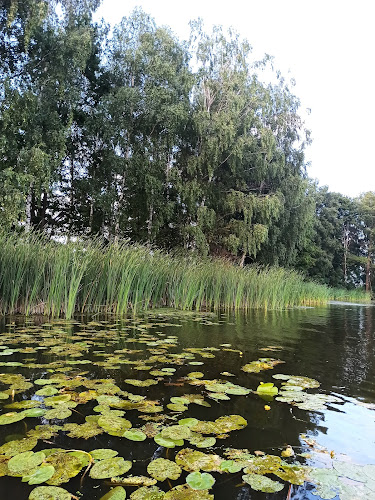
Mogilev Region
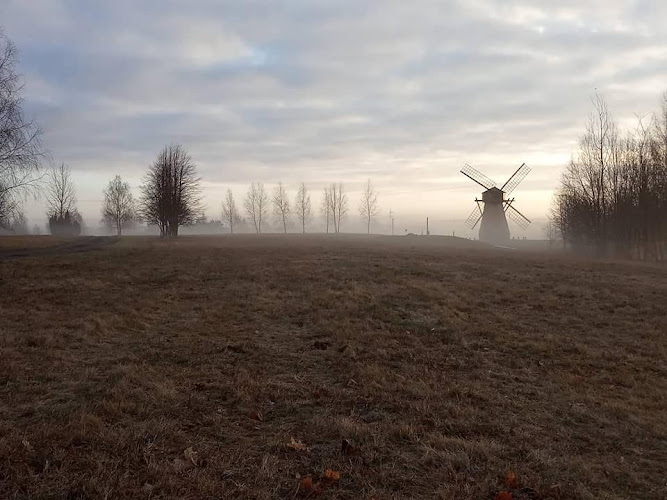
The Belarusian State Museum of Rural Architecture and Life
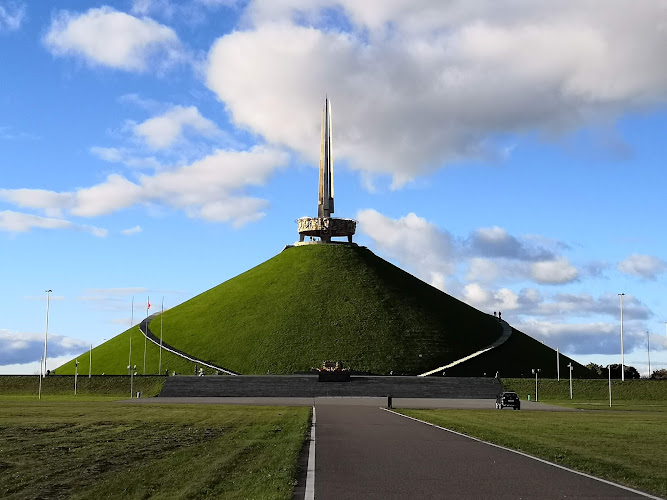
Mound of Glory
Find Accommodations Nearby
Recommended Tours & Activities
Visitor Reviews
There are no reviews yet. Be the first one to write one.
Share Your Experience
Have you visited Hrodna Region? Help other travelers by leaving a review.