
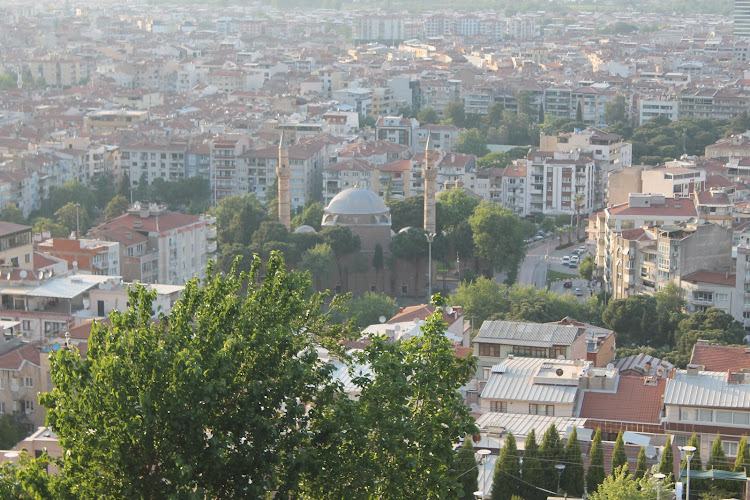
Manisa Castle
About Manisa Castle
Manisa Castle is one of those places that quietly gets under your skin. It doesn’t scream for attention, and honestly, that’s part of its charm. Sitting above the city of Manisa, the ruins stretch across the slopes of Mount Sipylus, looking both stubborn and tired, like they’ve seen too much to bother showing off. Travelers often arrive expecting a polished fortress with tidy walls and neat signs. What they get instead is something far more real: broken stone, sweeping views, and the feeling that history here is unfinished.
The castle dates back to ancient times, with layers from Lydian, Roman, Byzantine, and Ottoman periods all mashed together. And yes, mashed together is the right phrase. You’ll notice walls built with different stone styles right next to each other, as if each civilization said, “Good enough, let’s add our bit.” That messy overlap is exactly what history looks like when it hasn’t been overly restored. Personally, I prefer it this way. I once visited a fully reconstructed castle elsewhere and left feeling like I’d toured a movie set. Manisa Castle feels lived in, even now.
From the top, the view over Manisa city is wide and honest. You see rooftops, mosques, olive trees, and distant mountains. On a clear day, the air feels thinner up there, not in an altitude way, but in a quiet way. Families come up with kids, couples wander around holding hands, and the occasional local just sits on a rock, staring at the city like they’ve done it a thousand times before. And maybe they have.
Is it perfect? No. Some paths are uneven, signage can be sparse, and if you’re expecting a museum-style experience, you might feel a little lost. But if you enjoy imagining what once stood here, if you like wandering without a strict plan, Manisa Castle delivers. It’s one of those places where you supply half the story yourself.
Key Features
- Extensive ruins spread across Mount Sipylus, offering a sense of exploration rather than a single viewpoint
- Panoramic views over Manisa city and the surrounding plains
- Historical layers from Lydian, Roman, Byzantine, and Ottoman eras visible in the stonework
- Open spaces where children can roam safely, making it surprisingly family-friendly
- Quiet corners ideal for photography, sketching, or just sitting with your thoughts
- Free access, which still feels a bit unreal given the scale of the site
- Natural surroundings with birds, trees, and the occasional goat wandering through
Best Time to Visit
Timing matters here more than people think. Summer afternoons can be brutal. The sun reflects off the stone, and there’s limited shade in some sections. If you go in July or August, aim for early morning or late afternoon. I once made the mistake of arriving around noon in August and spent more time hunting for shade than enjoying the ruins. Lesson learned.
Spring is hands down the best season. March through May brings mild temperatures, greener surroundings, and a softer light that makes the stone glow instead of glare. Autumn comes in a close second. September and October are calmer, cooler, and less crowded, with the added bonus of golden light during sunset.
Winter visits are hit or miss. Some days are crisp and clear, and the castle feels almost private. Other days can be windy and damp, which makes the uneven paths slippery. If you don’t mind layering up and checking the weather, winter can still be rewarding. Just don’t expect café stops or services nearby; this is very much a bring-your-own experience.
How to Get There
Reaching Manisa Castle is part of the adventure, though not in a complicated way. From Manisa city center, it’s clearly visible, which already helps. You can walk if you’re reasonably fit and enjoy uphill strolls. The walk takes time, yes, but it’s also a nice way to see residential neighborhoods fade into greenery.
Many visitors prefer taking a taxi partway up and then walking the final stretch. That’s probably the sweet spot, especially if you’re traveling with kids or don’t want to arrive already exhausted. Public transport can get you close, but you’ll still need to walk the last section. Honestly, that final walk is where the anticipation builds. You start seeing more stone, fewer cars, and suddenly the city noise drops off.
If you’re driving, there are informal parking areas near the access points. Just don’t expect anything fancy. This isn’t a ticket booth and barrier kind of place. It’s more like, “Park where it makes sense and don’t block anyone.” That casual approach fits the castle’s personality perfectly.
Tips for Visiting
First tip, and I can’t stress this enough: wear proper shoes. The ground is uneven, rocky, and sometimes dusty. Sneakers or hiking shoes are ideal. I’ve seen people attempt this in sandals and regret it within minutes. Your ankles will thank you later.
Bring water, especially in warmer months. There are no vendors inside the ruins, and once you’re up there, you won’t want to leave just because you’re thirsty. A small backpack with water, a snack, and maybe a hat goes a long way.
If you’re visiting with kids, keep an eye on them near the steeper edges. The site is generally safe, but it’s still a ruin, not a playground with rails everywhere. That said, kids tend to love the freedom here. It’s one of those rare historical landmarks where they can run around without constant shushing.
Photography lovers should plan for golden hour. Late afternoon light brings out the textures in the stone and softens the city below. Even if you’re just using your phone, the results can be stunning. I still have a slightly crooked sunset shot from my last visit, and it’s one of my favorites, blur and all.
Take your time. This isn’t a checklist destination. There’s no fixed route, no “must-see in 20 minutes” path. Wander, sit, climb a little, sit again. And don’t worry if you miss something. The castle has been here for centuries; it’s not going anywhere.
Lastly, respect the place. Don’t climb unstable walls, don’t leave trash, and don’t carve your name into stone that’s older than most countries. Sounds obvious, but you’d be surprised. Manisa Castle doesn’t need modern marks to prove it’s memorable.
In the end, Manisa Castle rewards curiosity more than expectations. If you come looking for a glossy attraction, you might walk away underwhelmed. But if you come ready to explore, imagine, and slow down a bit, it might just become one of those places you think about long after your trip is over. And that, in my book, is the best kind of travel memory.
Key Features
- Extensive ruins spread across Mount Sipylus, offering a sense of exploration rather than a single viewpoint
- Panoramic views over Manisa city and the surrounding plains
- Historical layers from Lydian, Roman, Byzantine, and Ottoman eras visible in the stonework
- Open spaces where children can roam safely, making it surprisingly family-friendly
- Quiet corners ideal for photography, sketching, or just sitting with your thoughts
- Free access, which still feels a bit unreal given the scale of the site
- Natural surroundings with birds, trees, and the occasional goat wandering through
You Might Also Like

*BDT BELEK DOGA TOUR | Daily Tours, Day Trips and Excursions in Antalya*
1464. Sk. No:55
2006. Sk. No:2
Tours & Activities
GetYourGuide provides this tour inventory. We may earn a commission if you book through it; verify current availability, prices, and terms with the provider.
Visitor Reviews
There are no reviews yet. Be the first one to write one.
Share Your Experience
Have you visited Manisa Castle? Help other travelers by leaving a review.