
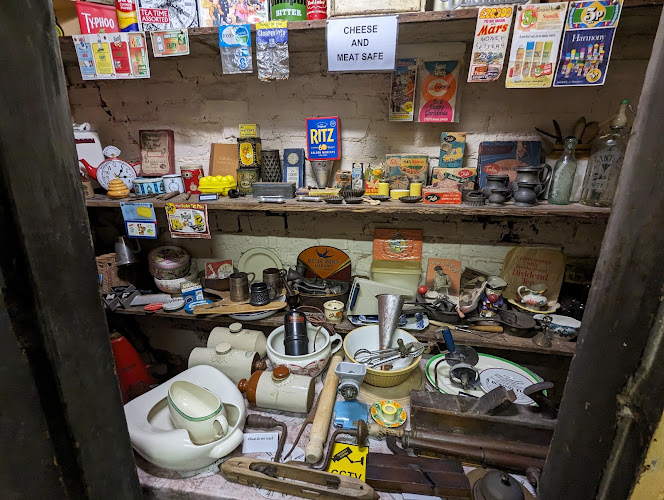
Coventry Watch Museum Project
About Coventry Watch Museum Project
Description
The Coventry Watch Museum Project isn’t flashy. And honestly, that’s part of why it works so well. This small but deeply fascinating museum tells the story of Coventry’s long, slightly overlooked relationship with timekeeping. Long before Switzerland hogged the limelight, Coventry was one of the beating hearts of the British watchmaking industry. And walking through this museum, you start to feel that pride ticking away under the surface.
The project is largely volunteer-run, and you can feel that immediately. Not in a scrappy way, but in a deeply personal way. These are people who care. They care about gears the size of coins, about handwritten ledgers, about how a 19th-century watchmaker would’ve ruined his eyesight by candlelight. One volunteer once spent ten minutes explaining escapements to me, using hand gestures, a pencil, and what I’m pretty sure was a mint as a stand-in cog. I didn’t even ask. That’s the vibe here.
For travelers who like museums that tell a local story rather than shouting global headlines, this place hits the mark. The Coventry Watch Museum Project focuses on the city’s role in watchmaking from the 18th through early 20th centuries, when Coventry was exporting watches across the world. You’ll see pocket watches that feel surprisingly heavy in the hand, half-finished movements, and tools that look more like surgical instruments than workshop gear. And yes, some displays are modest. But give them time. This is a museum you read slowly.
It’s not overly polished, and that’s okay. Some displays feel like they’re still evolving. But that’s also part of the charm: you’re watching a museum project in motion, not a frozen institution. Travelers who enjoy heritage tourism, industrial history, or just unusual museums will likely find themselves lingering longer than expected. I did. I thought I’d pop in for 30 minutes and stayed nearly two hours, mostly because I kept asking questions.
Key Features
- Authentic Coventry-made timepieces ranging from early verge watches to later mass-produced designs
- Hands-on explanations from knowledgeable volunteers who often have backgrounds in horology or engineering
- Original tools and machinery used by local watchmakers, many still bearing wear marks
- Stories of everyday workers, not just famous names, which makes the history feel human
- Changing displays as the collection grows and new donations come in
- Compact, focused layout that doesn’t overwhelm, ideal if you’re museum-hopping
- Family-friendly atmosphere for older kids curious about how things work
One thing worth pointing out: this isn’t a “press a button and watch it light up” museum. It’s more old-school. You read, you listen, you ask. And if you do ask, be prepared, because the answers often come with stories, side notes, and the occasional “hang on, let me show you something”. That’s gold, in my book.
Best Time to Visit
Timing matters more here than you might think. Because the Coventry Watch Museum Project relies heavily on volunteers, opening times can vary. Late morning or early afternoon is usually your best bet, especially on days when you want to catch the most engaged guides. I’ve found that weekdays tend to be quieter, which means more one-on-one time. And that’s when this museum really shines.
If you’re visiting Coventry as part of a broader UK trip, try to slot this in when you’re not rushing. This isn’t a “squeeze it in before lunch” place. Give it breathing room. Weather-wise, it’s an ideal rainy-day stop. I first visited on a drizzly afternoon when every outdoor plan had fallen apart, and honestly, it saved the day. There’s something comforting about listening to ticking watches while rain taps the windows.
Seasonally, spring and autumn feel right. Summer can bring more foot traffic, which is great for the museum, but if you prefer quieter, more contemplative visits, shoulder seasons win. And if you happen to be around during a special open day or event, jump on it. Those days often include extra demonstrations or rarely displayed items.
How to Get There
Coventry is well connected, and getting to the museum is straightforward once you’re in the city. Travelers arriving by train will find themselves close enough to walk, depending on your pace and how often you stop to look at other bits of Coventry along the way. And trust me, you’ll stop. Coventry has layers, and they sneak up on you.
If you’re driving, parking options exist nearby, though like most UK cities, it pays to check signage carefully. Bus routes also serve the area well, making this an easy addition to a day of exploring without needing a car. One thing I appreciated was how manageable it all felt. No long treks, no confusing detours. You arrive, you walk in, and suddenly you’re thinking about how people once told time without phones glued to their hands.
For international travelers, Coventry often gets overshadowed by nearby Birmingham. But that’s a mistake. Coventry’s smaller scale makes places like this museum easier to enjoy without the stress. And you don’t feel like you’re fighting crowds the whole time.
Tips for Visiting
First tip, and I can’t stress this enough: talk to the volunteers. Even if you’re shy. Especially if you think you don’t care about watches. I didn’t, not really. But five minutes into a conversation about why Coventry watches had a reputation for reliability, I was hooked. Ask simple questions. “What’s this?” works just fine.
Second, take your time with the small details. Some of the most interesting items aren’t the shiny watches, but the paperwork, the scribbled notes, the jigs that look like they were hacked together on a Monday morning. These details tell you how people actually worked, day to day.
Third, manage expectations. This is a niche museum. If you’re expecting interactive screens and blockbuster displays, you might feel underwhelmed. But if you like authenticity, you’ll be more than satisfied. I’ve heard a few visitors say it felt “small”, and sure, it is. But small doesn’t mean shallow.
Fourth, pair your visit with other Coventry heritage sites. Make a day of it. The watch museum adds depth to the city’s story, especially when you start seeing how industrial skills overlapped across trades. I left with a new appreciation for how interconnected everything was.
Finally, consider supporting the project if you can. Museums like this survive on goodwill, passion, and yes, donations. Even a kind word in the guest book matters. These projects keep local history alive in a way glossy attractions just can’t.
In the end, the Coventry Watch Museum Project is for travelers who like stories told quietly, by people who care deeply. It’s not perfect. But it’s honest. And sometimes, that’s exactly what makes a place worth visiting.
Key Features
- Key Features
- Best Time to Visit
- How to Get There
- Tips for Visiting
More Details
Updated December 31, 2025
Table of Contents
Description
The Coventry Watch Museum Project isn’t flashy. And honestly, that’s part of why it works so well. This small but deeply fascinating museum tells the story of Coventry’s long, slightly overlooked relationship with timekeeping. Long before Switzerland hogged the limelight, Coventry was one of the beating hearts of the British watchmaking industry. And walking through this museum, you start to feel that pride ticking away under the surface.
The project is largely volunteer-run, and you can feel that immediately. Not in a scrappy way, but in a deeply personal way. These are people who care. They care about gears the size of coins, about handwritten ledgers, about how a 19th-century watchmaker would’ve ruined his eyesight by candlelight. One volunteer once spent ten minutes explaining escapements to me, using hand gestures, a pencil, and what I’m pretty sure was a mint as a stand-in cog. I didn’t even ask. That’s the vibe here.
For travelers who like museums that tell a local story rather than shouting global headlines, this place hits the mark. The Coventry Watch Museum Project focuses on the city’s role in watchmaking from the 18th through early 20th centuries, when Coventry was exporting watches across the world. You’ll see pocket watches that feel surprisingly heavy in the hand, half-finished movements, and tools that look more like surgical instruments than workshop gear. And yes, some displays are modest. But give them time. This is a museum you read slowly.
It’s not overly polished, and that’s okay. Some displays feel like they’re still evolving. But that’s also part of the charm: you’re watching a museum project in motion, not a frozen institution. Travelers who enjoy heritage tourism, industrial history, or just unusual museums will likely find themselves lingering longer than expected. I did. I thought I’d pop in for 30 minutes and stayed nearly two hours, mostly because I kept asking questions.
Key Features
- Authentic Coventry-made timepieces ranging from early verge watches to later mass-produced designs
- Hands-on explanations from knowledgeable volunteers who often have backgrounds in horology or engineering
- Original tools and machinery used by local watchmakers, many still bearing wear marks
- Stories of everyday workers, not just famous names, which makes the history feel human
- Changing displays as the collection grows and new donations come in
- Compact, focused layout that doesn’t overwhelm, ideal if you’re museum-hopping
- Family-friendly atmosphere for older kids curious about how things work
One thing worth pointing out: this isn’t a “press a button and watch it light up” museum. It’s more old-school. You read, you listen, you ask. And if you do ask, be prepared, because the answers often come with stories, side notes, and the occasional “hang on, let me show you something”. That’s gold, in my book.
Best Time to Visit
Timing matters more here than you might think. Because the Coventry Watch Museum Project relies heavily on volunteers, opening times can vary. Late morning or early afternoon is usually your best bet, especially on days when you want to catch the most engaged guides. I’ve found that weekdays tend to be quieter, which means more one-on-one time. And that’s when this museum really shines.
If you’re visiting Coventry as part of a broader UK trip, try to slot this in when you’re not rushing. This isn’t a “squeeze it in before lunch” place. Give it breathing room. Weather-wise, it’s an ideal rainy-day stop. I first visited on a drizzly afternoon when every outdoor plan had fallen apart, and honestly, it saved the day. There’s something comforting about listening to ticking watches while rain taps the windows.
Seasonally, spring and autumn feel right. Summer can bring more foot traffic, which is great for the museum, but if you prefer quieter, more contemplative visits, shoulder seasons win. And if you happen to be around during a special open day or event, jump on it. Those days often include extra demonstrations or rarely displayed items.
How to Get There
Coventry is well connected, and getting to the museum is straightforward once you’re in the city. Travelers arriving by train will find themselves close enough to walk, depending on your pace and how often you stop to look at other bits of Coventry along the way. And trust me, you’ll stop. Coventry has layers, and they sneak up on you.
If you’re driving, parking options exist nearby, though like most UK cities, it pays to check signage carefully. Bus routes also serve the area well, making this an easy addition to a day of exploring without needing a car. One thing I appreciated was how manageable it all felt. No long treks, no confusing detours. You arrive, you walk in, and suddenly you’re thinking about how people once told time without phones glued to their hands.
For international travelers, Coventry often gets overshadowed by nearby Birmingham. But that’s a mistake. Coventry’s smaller scale makes places like this museum easier to enjoy without the stress. And you don’t feel like you’re fighting crowds the whole time.
Tips for Visiting
First tip, and I can’t stress this enough: talk to the volunteers. Even if you’re shy. Especially if you think you don’t care about watches. I didn’t, not really. But five minutes into a conversation about why Coventry watches had a reputation for reliability, I was hooked. Ask simple questions. “What’s this?” works just fine.
Second, take your time with the small details. Some of the most interesting items aren’t the shiny watches, but the paperwork, the scribbled notes, the jigs that look like they were hacked together on a Monday morning. These details tell you how people actually worked, day to day.
Third, manage expectations. This is a niche museum. If you’re expecting interactive screens and blockbuster displays, you might feel underwhelmed. But if you like authenticity, you’ll be more than satisfied. I’ve heard a few visitors say it felt “small”, and sure, it is. But small doesn’t mean shallow.
Fourth, pair your visit with other Coventry heritage sites. Make a day of it. The watch museum adds depth to the city’s story, especially when you start seeing how industrial skills overlapped across trades. I left with a new appreciation for how interconnected everything was.
Finally, consider supporting the project if you can. Museums like this survive on goodwill, passion, and yes, donations. Even a kind word in the guest book matters. These projects keep local history alive in a way glossy attractions just can’t.
In the end, the Coventry Watch Museum Project is for travelers who like stories told quietly, by people who care deeply. It’s not perfect. But it’s honest. And sometimes, that’s exactly what makes a place worth visiting.
Key Highlights
- Key Features
- Best Time to Visit
- How to Get There
- Tips for Visiting
Location
Places to Stay Near Coventry Watch Museum Project
Find and Book a Tour
Explore More Travel Guides
No reviews found! Be the first to review!
Traveler Reviews for Coventry Watch Museum Project
There are no reviews yet. Be the first one to write one.
Have you visited Coventry Watch Museum Project? Help other travelers by sharing your review.
You Might Also Like
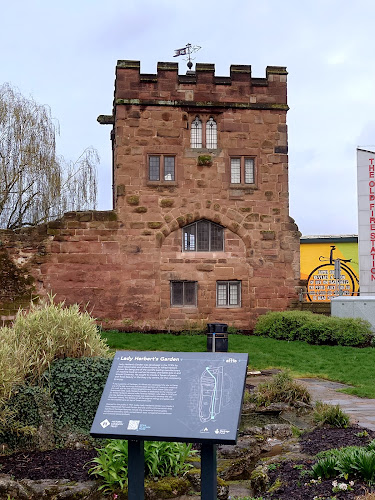
Lady Herbert's Gardens
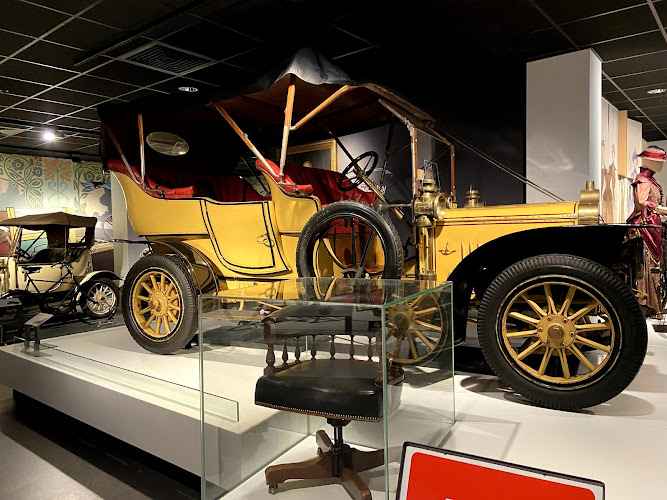
Coventry Transport Museum

Telegraph Hotel
Find Accommodations Nearby
Recommended Tours & Activities
Visitor Reviews
There are no reviews yet. Be the first one to write one.
Share Your Experience
Have you visited Coventry Watch Museum Project? Help other travelers by leaving a review.