
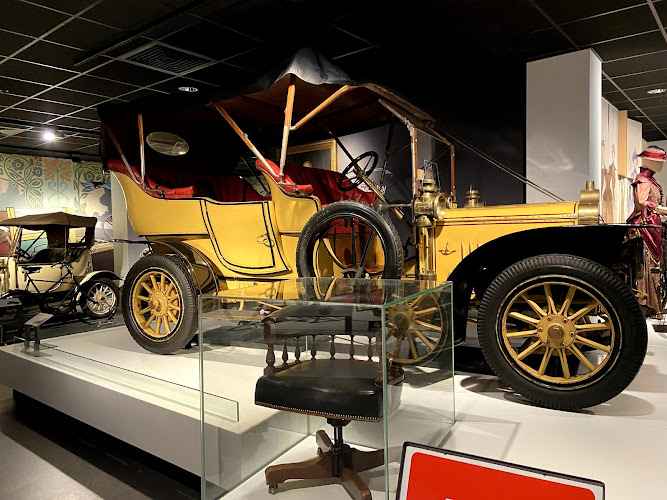
Coventry Transport Museum
About Coventry Transport Museum
Description
The Coventry Transport Museum sits at the beating heart of a city that once quietly changed how the world moves. Written about in guidebooks as a museum, it feels more like a living archive of British ingenuity, grease-stained overalls, optimism, and the occasional spectacular failure. The focus here is transport in all its forms—cars, bikes, buses, and ideas—and how Coventry became a global name in making them. And honestly, it does this better than most places trying the same trick.
The galleries unfold in a way that feels logical but not stiff. Visitors move from early bicycles and Victorian engineering through the rise of British car manufacturing, past wartime production and into modern debates around sustainability and electric transport. The museum doesn’t pretend everything was perfect. Some exhibits quietly acknowledge when designs flopped or industries collapsed. That honesty gives the place weight, and I appreciated that more than the shiny cars, if I’m being truthful.
What stands out is the scale. The building itself is modern, open, and flooded with light, yet it doesn’t overpower the objects. Rows of historic vehicles sit close enough that you can inspect the curves and bolts, not just stare from afar. And yes, there are record-breaking cars here—vehicles that once held world speed records—but they’re placed alongside everyday transport that ordinary people relied on. That balance matters. It tells a fuller story.
The museum also leans into Coventry’s bicycle heritage in a way many visitors don’t expect. Before cars ruled the road, this city was bike-mad, and the displays make that clear. Walking through that section reminded the writer of a childhood bike found in a shed, rusted chain and all, and how freedom once came on two wheels. That sense of memory sneaks up on you here.
Families tend to linger longer than planned. Interactive elements are scattered throughout, encouraging hands-on learning without turning the place into a noisy playground. The tone stays informative but approachable. And while most people leave impressed, a few corners do feel dense with text panels. If reading isn’t your thing, pacing yourself helps. Still, the overall experience lands far more often than it misses.
Key Features
- One of the world’s largest collections of British road transport, including cars, buses, bikes, and commercial vehicles
- Record-breaking vehicles that once pushed the limits of speed and engineering
- Strong focus on Coventry’s role in the global automotive industry
- Dedicated cycling galleries highlighting the city’s early bike manufacturers
- Interactive displays that explain how engines, gears, and transport systems work
- Exhibits addressing environmental issues and the future of sustainable transport
- Family-friendly layout with space for buggies and curious kids
- Onsite restaurant and rest areas for mid-visit refuelling, both human and otherwise
- Wheelchair-accessible entrances and facilities throughout the museum
Best Time to Visit
The museum works year-round, but timing does change the experience. Weekday mornings are the calmest. That’s when you’ll hear your own footsteps echo between the vehicles, and you can linger at exhibits without feeling nudged along. Late mornings tend to fill with school groups, which brings energy but also noise. If you like a quieter visit, aim early.
Weekends are busier, especially during school holidays. That’s not necessarily bad. The buzz can make the museum feel alive, and kids engaging with transport history is never a terrible thing. But expect queues at interactive stations and the café. If crowds fray your nerves, visiting after 2pm often works, as some families start to drift off.
Seasonally, winter has a strange advantage. Coventry weather can be bleak, let’s be honest, and the museum becomes a warm refuge. Summer brings more tourists, but the building handles foot traffic well. There’s air, light, and space, which sounds basic but matters more than people admit.
Special exhibitions and events pop up throughout the year. Checking what’s on before arriving can make your visit feel tailored rather than accidental. And if you’re the type who likes to take photos without strangers in every frame, quieter periods reward patience.
How to Get There
The museum sits centrally, which makes life easier. Coventry’s main transport hubs are within walking distance, and the route is well signposted. For those arriving by train, the walk into the city centre doubles as a short orientation tour. You’ll pass modern developments alongside older buildings that hint at the city’s complicated past.
Driving is possible, though city-centre traffic can be unpredictable. Paid parking is available nearby, and while it’s not the cheapest, it’s convenient. If you’re road-tripping through the Midlands, factoring in parking costs upfront avoids that low-level annoyance that can sour a good day.
Local buses stop close by, and cycling into the city is increasingly common. There’s something poetic about arriving at a transport museum on a bike, even if your legs disagree later. The surrounding streets are fairly cycle-friendly, though keeping your wits about you is wise.
Once you arrive, everything is flat and accessible. No awkward staircases or hidden entrances. It’s refreshingly straightforward.
Tips for Visiting
Give yourself time. This isn’t a 45-minute wander. Two to three hours feels right, more if you read everything. And you probably will, because the stories pull you in. I once thought I’d skim the engine displays and ended up stuck there for ages, fascinated by diagrams I didn’t expect to care about.
Start at the beginning of the galleries and work forward. The narrative makes more sense that way. Jumping around can feel disjointed, especially if you’re new to transport history. And don’t rush the bicycle section. People do, and they miss half the charm.
If you’re visiting with kids, let them lead occasionally. The museum does a decent job of explaining complex ideas simply, and watching a child grasp how gears work is oddly satisfying. Changing facilities are available, which removes a layer of stress parents rarely talk about but always feel.
Photography is allowed, and the lighting is generally kind. Just be mindful of reflections on glass cases. And yes, you’ll probably take too many photos of cars. That’s normal.
Plan a break. The onsite restaurant isn’t an afterthought; it’s genuinely useful. Sitting down midway through helps reset tired feet and overloaded brains. Restrooms are clean and well placed, which shouldn’t be noteworthy, yet somehow always is.
Finally, go in with curiosity rather than expertise. You don’t need to know a carburettor from a crankshaft. The museum meets you where you are. And if you leave thinking a bit differently about how transport shapes daily life, then it’s done its job. That’s the quiet magic here.
Key Features
- One of the world’s largest collections of British road transport, including cars, buses, bikes, and commercial vehicles
- Record-breaking vehicles that once pushed the limits of speed and engineering
- Strong focus on Coventry’s role in the global automotive industry
- Dedicated cycling galleries highlighting the city’s early bike manufacturers
- Interactive displays that explain how engines, gears, and transport systems work
- Exhibits addressing environmental issues and the future of sustainable transport
- Family-friendly layout with space for buggies and curious kids
- Onsite restaurant and rest areas for mid-visit refuelling, both human and otherwise
More Details
Updated December 31, 2025
Table of Contents
Description
The Coventry Transport Museum sits at the beating heart of a city that once quietly changed how the world moves. Written about in guidebooks as a museum, it feels more like a living archive of British ingenuity, grease-stained overalls, optimism, and the occasional spectacular failure. The focus here is transport in all its forms—cars, bikes, buses, and ideas—and how Coventry became a global name in making them. And honestly, it does this better than most places trying the same trick.
The galleries unfold in a way that feels logical but not stiff. Visitors move from early bicycles and Victorian engineering through the rise of British car manufacturing, past wartime production and into modern debates around sustainability and electric transport. The museum doesn’t pretend everything was perfect. Some exhibits quietly acknowledge when designs flopped or industries collapsed. That honesty gives the place weight, and I appreciated that more than the shiny cars, if I’m being truthful.
What stands out is the scale. The building itself is modern, open, and flooded with light, yet it doesn’t overpower the objects. Rows of historic vehicles sit close enough that you can inspect the curves and bolts, not just stare from afar. And yes, there are record-breaking cars here—vehicles that once held world speed records—but they’re placed alongside everyday transport that ordinary people relied on. That balance matters. It tells a fuller story.
The museum also leans into Coventry’s bicycle heritage in a way many visitors don’t expect. Before cars ruled the road, this city was bike-mad, and the displays make that clear. Walking through that section reminded the writer of a childhood bike found in a shed, rusted chain and all, and how freedom once came on two wheels. That sense of memory sneaks up on you here.
Families tend to linger longer than planned. Interactive elements are scattered throughout, encouraging hands-on learning without turning the place into a noisy playground. The tone stays informative but approachable. And while most people leave impressed, a few corners do feel dense with text panels. If reading isn’t your thing, pacing yourself helps. Still, the overall experience lands far more often than it misses.
Key Features
- One of the world’s largest collections of British road transport, including cars, buses, bikes, and commercial vehicles
- Record-breaking vehicles that once pushed the limits of speed and engineering
- Strong focus on Coventry’s role in the global automotive industry
- Dedicated cycling galleries highlighting the city’s early bike manufacturers
- Interactive displays that explain how engines, gears, and transport systems work
- Exhibits addressing environmental issues and the future of sustainable transport
- Family-friendly layout with space for buggies and curious kids
- Onsite restaurant and rest areas for mid-visit refuelling, both human and otherwise
- Wheelchair-accessible entrances and facilities throughout the museum
Best Time to Visit
The museum works year-round, but timing does change the experience. Weekday mornings are the calmest. That’s when you’ll hear your own footsteps echo between the vehicles, and you can linger at exhibits without feeling nudged along. Late mornings tend to fill with school groups, which brings energy but also noise. If you like a quieter visit, aim early.
Weekends are busier, especially during school holidays. That’s not necessarily bad. The buzz can make the museum feel alive, and kids engaging with transport history is never a terrible thing. But expect queues at interactive stations and the café. If crowds fray your nerves, visiting after 2pm often works, as some families start to drift off.
Seasonally, winter has a strange advantage. Coventry weather can be bleak, let’s be honest, and the museum becomes a warm refuge. Summer brings more tourists, but the building handles foot traffic well. There’s air, light, and space, which sounds basic but matters more than people admit.
Special exhibitions and events pop up throughout the year. Checking what’s on before arriving can make your visit feel tailored rather than accidental. And if you’re the type who likes to take photos without strangers in every frame, quieter periods reward patience.
How to Get There
The museum sits centrally, which makes life easier. Coventry’s main transport hubs are within walking distance, and the route is well signposted. For those arriving by train, the walk into the city centre doubles as a short orientation tour. You’ll pass modern developments alongside older buildings that hint at the city’s complicated past.
Driving is possible, though city-centre traffic can be unpredictable. Paid parking is available nearby, and while it’s not the cheapest, it’s convenient. If you’re road-tripping through the Midlands, factoring in parking costs upfront avoids that low-level annoyance that can sour a good day.
Local buses stop close by, and cycling into the city is increasingly common. There’s something poetic about arriving at a transport museum on a bike, even if your legs disagree later. The surrounding streets are fairly cycle-friendly, though keeping your wits about you is wise.
Once you arrive, everything is flat and accessible. No awkward staircases or hidden entrances. It’s refreshingly straightforward.
Tips for Visiting
Give yourself time. This isn’t a 45-minute wander. Two to three hours feels right, more if you read everything. And you probably will, because the stories pull you in. I once thought I’d skim the engine displays and ended up stuck there for ages, fascinated by diagrams I didn’t expect to care about.
Start at the beginning of the galleries and work forward. The narrative makes more sense that way. Jumping around can feel disjointed, especially if you’re new to transport history. And don’t rush the bicycle section. People do, and they miss half the charm.
If you’re visiting with kids, let them lead occasionally. The museum does a decent job of explaining complex ideas simply, and watching a child grasp how gears work is oddly satisfying. Changing facilities are available, which removes a layer of stress parents rarely talk about but always feel.
Photography is allowed, and the lighting is generally kind. Just be mindful of reflections on glass cases. And yes, you’ll probably take too many photos of cars. That’s normal.
Plan a break. The onsite restaurant isn’t an afterthought; it’s genuinely useful. Sitting down midway through helps reset tired feet and overloaded brains. Restrooms are clean and well placed, which shouldn’t be noteworthy, yet somehow always is.
Finally, go in with curiosity rather than expertise. You don’t need to know a carburettor from a crankshaft. The museum meets you where you are. And if you leave thinking a bit differently about how transport shapes daily life, then it’s done its job. That’s the quiet magic here.
Key Highlights
- One of the world’s largest collections of British road transport, including cars, buses, bikes, and commercial vehicles
- Record-breaking vehicles that once pushed the limits of speed and engineering
- Strong focus on Coventry’s role in the global automotive industry
- Dedicated cycling galleries highlighting the city’s early bike manufacturers
- Interactive displays that explain how engines, gears, and transport systems work
- Exhibits addressing environmental issues and the future of sustainable transport
- Family-friendly layout with space for buggies and curious kids
- Onsite restaurant and rest areas for mid-visit refuelling, both human and otherwise
Location
Places to Stay Near Coventry Transport Museum
Find and Book a Tour
Explore More Travel Guides
No reviews found! Be the first to review!
Traveler Reviews for Coventry Transport Museum
There are no reviews yet. Be the first one to write one.
Have you visited Coventry Transport Museum? Help other travelers by sharing your review.
You Might Also Like

Coventry Music Museum
Spencer Park

Coombe Abbey Country Park
Find Accommodations Nearby
Recommended Tours & Activities
Visitor Reviews
There are no reviews yet. Be the first one to write one.
Share Your Experience
Have you visited Coventry Transport Museum? Help other travelers by leaving a review.