
Anilao-Kayumanggi Brige
About Anilao-Kayumanggi Brige
Description
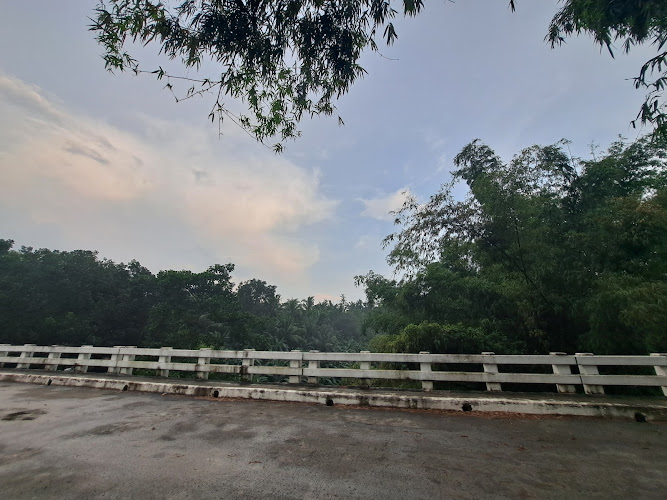
The Anilao-Kayumanggi Brige is one of those places travelers usually stumble upon rather than plan months ahead. And honestly, that’s part of its charm. Sitting quietly in a countryside setting, this tourist attraction doesn’t shout for attention. It just waits. The bridge connects local communities, sure, but over time it has turned into a casual stopover for curious travelers, families on weekend drives, and even photographers hunting for honest-to-goodness rural scenes.
What makes the Anilao-Kayumanggi Brige interesting is how normal it feels. It’s not trying to impress you with grand architecture or flashy design. Instead, it offers something rarer these days: a pause. Standing there, watching vehicles pass and kids pointing excitedly at the water below, you get a feel for everyday life moving at its own pace. It’s the kind of place where time stretches a little. I remember stopping at a similar provincial bridge years ago, telling myself it’d be five minutes. It turned into an hour of just leaning on the rail, thinking about nothing in particular.
The surroundings are simple but grounding. Green patches, open sky, and the steady rhythm of local traffic make it feel lived-in. And yes, it’s good for kids. Children tend to love the idea of bridges anyway, and this one gives them enough space to look around without feeling overwhelmed. Parents usually relax here too, which says a lot.
While it may not be packed with visitors, the Anilao-Kayumanggi Brige has quietly earned positive attention from those who do stop by. Travelers often describe it as peaceful, practical, and unexpectedly pleasant. No hype, just an honest place doing its job and doing it well.
Key Features
- Serves as both a functional bridge and a local sightseeing stop
- Open views of surrounding natural scenery and waterways
- Safe and accessible for families with children
- Ideal for quick photo stops and short breaks during road trips
- Represents everyday provincial life, not a staged attraction
- Calm atmosphere with minimal crowding most days
- Good vantage point for observing local movement and routines
Best Time to Visit
The best time to visit the Anilao-Kayumanggi Brige is during the dry months, typically from late November to early May. This is when the skies behave, the views are clearer, and you won’t be worrying about sudden rain showers ruining your stop. Early mornings are especially nice. The light is softer, the air cooler, and traffic tends to be lighter. Plus, locals are just starting their day, which adds a subtle energy without feeling busy.
Late afternoons work too, especially if you enjoy warmer tones and longer shadows for photos. But midday? Eh. It can get hot, and the experience feels rushed. I’ve learned the hard way that some places don’t reward noon visits. This bridge is one of them.
Weekdays are generally quieter than weekends. If you’re traveling with kids or older companions, aim for off-peak hours. There’s no ticketing or schedule here, which is refreshing. You come when you want, stay as long as you like, and leave when you’re ready. That kind of freedom is underrated.
How to Get There
Getting to the Anilao-Kayumanggi Brige is straightforward if you’re already exploring nearby towns or doing a countryside road trip. Most travelers reach it via private vehicle, which gives you the flexibility to stop, park briefly, and explore at your own pace. Public transportation can get you close, but you may need to walk a bit depending on where you get off.
Drivers will find the roads manageable, even for those not used to rural routes. Just keep an eye out for local traffic, including motorcycles and the occasional slow-moving vehicle. And yes, sometimes livestock. It happens. Honestly, that’s part of the experience.
If you’re the type who likes to ask locals for directions, you’re in luck. People in the area are generally helpful and will point you the right way, often with a story or two attached. Don’t rush those conversations. Some of my best travel memories come from unexpected chats like that.
Tips for Visiting
First tip: manage expectations. The Anilao-Kayumanggi Brige isn’t a theme park or a landmark with guided tours. It’s a simple attraction, and that’s exactly why it works. Go in with curiosity, not a checklist.
Wear comfortable shoes. You might end up walking more than planned, especially if the kids want to explore nearby areas or you spot a photo angle worth chasing. Bring water too. There aren’t always vendors nearby, and staying hydrated matters, even on short stops.
If you’re traveling with children, keep an eye on them near the edges, as you would with any bridge. That said, the area is generally safe and relaxed. Parents often let kids look around freely, which tells you a lot about the overall vibe.
Photography lovers should bring a wide-angle lens if possible. The bridge itself is best captured as part of its environment, not isolated. Early morning or late afternoon light adds depth without trying too hard.
And finally, don’t rush. This isn’t a place you “do” in five minutes unless you want to. Sit for a bit. Watch the world go by. Let your mind wander. In a travel world obsessed with must-see lists and tight itineraries, the Anilao-Kayumanggi Brige quietly reminds you that sometimes, stopping is the whole point.
Key Features
- Serves as both a functional bridge and a local sightseeing stop
- Open views of surrounding natural scenery and waterways
- Safe and accessible for families with children
- Ideal for quick photo stops and short breaks during road trips
- Represents everyday provincial life, not a staged attraction
- Calm atmosphere with minimal crowding most days
- Good vantage point for observing local movement and routines
More Details
Updated December 31, 2025
Table of Contents
Description
The Anilao-Kayumanggi Brige is one of those places travelers usually stumble upon rather than plan months ahead. And honestly, that’s part of its charm. Sitting quietly in a countryside setting, this tourist attraction doesn’t shout for attention. It just waits. The bridge connects local communities, sure, but over time it has turned into a casual stopover for curious travelers, families on weekend drives, and even photographers hunting for honest-to-goodness rural scenes.
What makes the Anilao-Kayumanggi Brige interesting is how normal it feels. It’s not trying to impress you with grand architecture or flashy design. Instead, it offers something rarer these days: a pause. Standing there, watching vehicles pass and kids pointing excitedly at the water below, you get a feel for everyday life moving at its own pace. It’s the kind of place where time stretches a little. I remember stopping at a similar provincial bridge years ago, telling myself it’d be five minutes. It turned into an hour of just leaning on the rail, thinking about nothing in particular.
The surroundings are simple but grounding. Green patches, open sky, and the steady rhythm of local traffic make it feel lived-in. And yes, it’s good for kids. Children tend to love the idea of bridges anyway, and this one gives them enough space to look around without feeling overwhelmed. Parents usually relax here too, which says a lot.
While it may not be packed with visitors, the Anilao-Kayumanggi Brige has quietly earned positive attention from those who do stop by. Travelers often describe it as peaceful, practical, and unexpectedly pleasant. No hype, just an honest place doing its job and doing it well.
Key Features
- Serves as both a functional bridge and a local sightseeing stop
- Open views of surrounding natural scenery and waterways
- Safe and accessible for families with children
- Ideal for quick photo stops and short breaks during road trips
- Represents everyday provincial life, not a staged attraction
- Calm atmosphere with minimal crowding most days
- Good vantage point for observing local movement and routines
Best Time to Visit
The best time to visit the Anilao-Kayumanggi Brige is during the dry months, typically from late November to early May. This is when the skies behave, the views are clearer, and you won’t be worrying about sudden rain showers ruining your stop. Early mornings are especially nice. The light is softer, the air cooler, and traffic tends to be lighter. Plus, locals are just starting their day, which adds a subtle energy without feeling busy.
Late afternoons work too, especially if you enjoy warmer tones and longer shadows for photos. But midday? Eh. It can get hot, and the experience feels rushed. I’ve learned the hard way that some places don’t reward noon visits. This bridge is one of them.
Weekdays are generally quieter than weekends. If you’re traveling with kids or older companions, aim for off-peak hours. There’s no ticketing or schedule here, which is refreshing. You come when you want, stay as long as you like, and leave when you’re ready. That kind of freedom is underrated.
How to Get There
Getting to the Anilao-Kayumanggi Brige is straightforward if you’re already exploring nearby towns or doing a countryside road trip. Most travelers reach it via private vehicle, which gives you the flexibility to stop, park briefly, and explore at your own pace. Public transportation can get you close, but you may need to walk a bit depending on where you get off.
Drivers will find the roads manageable, even for those not used to rural routes. Just keep an eye out for local traffic, including motorcycles and the occasional slow-moving vehicle. And yes, sometimes livestock. It happens. Honestly, that’s part of the experience.
If you’re the type who likes to ask locals for directions, you’re in luck. People in the area are generally helpful and will point you the right way, often with a story or two attached. Don’t rush those conversations. Some of my best travel memories come from unexpected chats like that.
Tips for Visiting
First tip: manage expectations. The Anilao-Kayumanggi Brige isn’t a theme park or a landmark with guided tours. It’s a simple attraction, and that’s exactly why it works. Go in with curiosity, not a checklist.
Wear comfortable shoes. You might end up walking more than planned, especially if the kids want to explore nearby areas or you spot a photo angle worth chasing. Bring water too. There aren’t always vendors nearby, and staying hydrated matters, even on short stops.
If you’re traveling with children, keep an eye on them near the edges, as you would with any bridge. That said, the area is generally safe and relaxed. Parents often let kids look around freely, which tells you a lot about the overall vibe.
Photography lovers should bring a wide-angle lens if possible. The bridge itself is best captured as part of its environment, not isolated. Early morning or late afternoon light adds depth without trying too hard.
And finally, don’t rush. This isn’t a place you “do” in five minutes unless you want to. Sit for a bit. Watch the world go by. Let your mind wander. In a travel world obsessed with must-see lists and tight itineraries, the Anilao-Kayumanggi Brige quietly reminds you that sometimes, stopping is the whole point.
Key Highlights
- Serves as both a functional bridge and a local sightseeing stop
- Open views of surrounding natural scenery and waterways
- Safe and accessible for families with children
- Ideal for quick photo stops and short breaks during road trips
- Represents everyday provincial life, not a staged attraction
- Calm atmosphere with minimal crowding most days
- Good vantage point for observing local movement and routines
Location
Places to Stay Near Anilao-Kayumanggi Brige
Find and Book a Tour
Explore More Travel Guides
No reviews found! Be the first to review!
Traveler Reviews for Anilao-Kayumanggi Brige
There are no reviews yet. Be the first one to write one.
Have you visited Anilao-Kayumanggi Brige? Help other travelers by sharing your review.
You Might Also Like
Santuario De La Paz Memorial Park
Clavarson lipa city
Atienza's Place
Find Accommodations Nearby
Recommended Tours & Activities
Visitor Reviews
There are no reviews yet. Be the first one to write one.
Share Your Experience
Have you visited Anilao-Kayumanggi Brige? Help other travelers by leaving a review.