
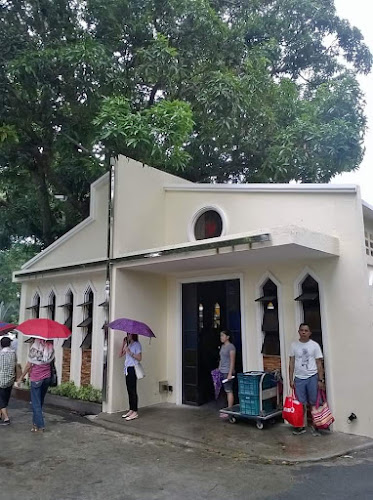
Lipa City
About Lipa City
Description
Lipa City sits in the heart of Batangas, and it carries itself with a quiet confidence that longtime travelers tend to appreciate. Officially called the City of Lipa, it holds the distinction of being the first chartered city in the province, and that history still shows in small but telling ways. As of the 2024 census, nearly 387,392 people call it home, which sounds huge on paper, yet the city rarely feels overwhelming. It has that rare balance: busy enough to feel alive, calm enough to let you breathe.
What makes Lipa City interesting for travelers isn’t just its size or its status among the five cities of Batangas. It’s the rhythm of daily life. The mornings start early, with jeepneys already humming along the roads before sunrise. And by mid-morning, cafés fill up with a mix of students, office workers, and the occasional lost traveler clutching a phone and looking for Wi-Fi. There’s an understated charm here, one that doesn’t scream for attention but rewards those who slow down.
The city sits on relatively high ground compared to coastal Batangas towns, which means the air can feel cooler, especially in the early hours. That alone surprises a lot of first-time visitors. One personal memory still sticks: stepping out at dawn after a long bus ride from Manila and instinctively reaching for a jacket. It felt wrong and wonderful at the same time. Lipa City has that effect. It gently messes with your expectations.
Historically, Lipa played a big role in Batangas’ development, particularly during the coffee boom in the 19th century. Old-timers still talk about how Lipa coffee once rivaled the best in the world. While that era has passed, traces remain in family stories, old houses, and the pride locals have when they offer you a cup. And yes, you should say yes. Always say yes to coffee here.
For travelers, Lipa City works well as both a base and a destination. It’s close enough to other Batangas attractions yet complete on its own, with shopping centers, schools, churches, markets, and food spots that range from street-side grills to polished restaurants. It doesn’t try to be flashy. And that’s kind of the point.
Key Features
- One of Batangas’ five cities and the first to receive a city charter
- Population of nearly 387,392 residents, giving it a lively but manageable pace
- Cooler climate compared to coastal towns, especially in the mornings and evenings
- Strong coffee heritage tied to Batangas’ historic coffee trade
- Well-developed urban amenities mixed with traditional neighborhoods
- Accessible jump-off point to other Batangas destinations
- Active local food scene, from classic Batangueño dishes to modern cafés
- Educational and cultural hub with universities, churches, and civic spaces
Best Time to Visit
The best time to visit Lipa City is generally during the dry months, from November to April. This is when the city feels most relaxed, weather-wise. Days are warm but not unbearable, and evenings cool down nicely. If you enjoy walking around, exploring markets, or just sitting outside with a drink, these months are your safest bet.
December has its own appeal. The city gets festive without going overboard. There are lights, family gatherings, and that familiar holiday buzz, but traffic and crowds are still manageable compared to bigger cities. Personally, December in Lipa feels comforting. There’s something about hearing church bells in cooler air that makes you slow your pace, even if just a little.
Summer months, especially March and April, can get warm during the day. But because Lipa City sits inland and at a higher elevation, it’s often a few degrees cooler than coastal areas. That difference matters more than you’d think. And if you’re coming from Manila heat, you’ll notice it right away.
Rainy season runs from around June to October. Travel is still possible, but expect occasional downpours. Roads can get slick, and plans may shift. That said, rainy days bring out a quieter, more reflective side of the city. If you’re the type who enjoys café-hopping or people-watching while rain taps on the windows, this season has its charm too.
How to Get There
Getting to Lipa City is fairly straightforward, which is one reason travelers often choose it as a base. From Metro Manila, buses regularly head south toward Batangas, passing through or stopping in Lipa. Travel time usually ranges from two to three hours, depending on traffic. And yes, traffic is a thing. Anyone who says otherwise hasn’t traveled on a Friday afternoon.
For those driving, major highways connect Lipa City to nearby provinces and cities. The roads are generally well-maintained, though you should expect busy intersections during peak hours. A small tip from experience: patience goes a long way here. Locals drive with a certain rhythm, and once you tune into it, navigating becomes less stressful.
Public transportation within the city includes jeepneys, tricycles, and modern ride services. Jeepneys cover most main routes and are incredibly affordable. Tricycles are ideal for shorter distances or places off the main roads. And while ride-hailing apps are available, sometimes the old-school options are faster and more fun. Plus, you get bonus conversations with drivers who are usually happy to share tips if you ask nicely.
Tips for Visiting
First tip, and this comes from trial and error: bring light layers. Even if it’s warm at noon, mornings and evenings can feel surprisingly cool. You’ll thank yourself later.
Second, don’t rush. Lipa City isn’t about ticking attractions off a list. It’s about soaking in daily life. Spend time in a local café. Walk through a public market. Sit in a park and watch families pass by. These small moments tell you more about the city than any guidebook ever could.
Food-wise, be curious. Batangueño cuisine is bold and hearty. Ask locals what they recommend, and be open to trying dishes you can’t pronounce at first glance. One of my best meals here came from a place I only found because I followed the smell of grilled meat. No regrets.
Cash is still useful. While many establishments accept digital payments, smaller vendors and transport options often prefer cash. Keep small bills handy to make transactions smoother.
When it comes to getting around, don’t be shy about asking for directions. People in Lipa City are generally approachable and helpful. Even if instructions come with hand gestures and landmarks instead of street names, you’ll get where you need to go. Probably with a story to tell afterward.
Lastly, respect the pace. Lipa City moves neither too fast nor too slow. It has its own tempo, shaped by history, community, and daily routines. Adjust to it, and your visit becomes less about seeing a place and more about feeling it. And honestly, that’s when travel becomes memorable.
Key Features
- One of Batangas’ five cities and the first to receive a city charter
- Population of nearly 387,392 residents, giving it a lively but manageable pace
- Cooler climate compared to coastal towns, especially in the mornings and evenings
- Strong coffee heritage tied to Batangas’ historic coffee trade
- Well-developed urban amenities mixed with traditional neighborhoods
- Accessible jump-off point to other Batangas destinations
- Active local food scene, from classic Batangueño dishes to modern cafés
- Educational and cultural hub with universities, churches, and civic spaces
More Details
Updated December 31, 2025
Table of Contents
Description
Lipa City sits in the heart of Batangas, and it carries itself with a quiet confidence that longtime travelers tend to appreciate. Officially called the City of Lipa, it holds the distinction of being the first chartered city in the province, and that history still shows in small but telling ways. As of the 2024 census, nearly 387,392 people call it home, which sounds huge on paper, yet the city rarely feels overwhelming. It has that rare balance: busy enough to feel alive, calm enough to let you breathe.
What makes Lipa City interesting for travelers isn’t just its size or its status among the five cities of Batangas. It’s the rhythm of daily life. The mornings start early, with jeepneys already humming along the roads before sunrise. And by mid-morning, cafés fill up with a mix of students, office workers, and the occasional lost traveler clutching a phone and looking for Wi-Fi. There’s an understated charm here, one that doesn’t scream for attention but rewards those who slow down.
The city sits on relatively high ground compared to coastal Batangas towns, which means the air can feel cooler, especially in the early hours. That alone surprises a lot of first-time visitors. One personal memory still sticks: stepping out at dawn after a long bus ride from Manila and instinctively reaching for a jacket. It felt wrong and wonderful at the same time. Lipa City has that effect. It gently messes with your expectations.
Historically, Lipa played a big role in Batangas’ development, particularly during the coffee boom in the 19th century. Old-timers still talk about how Lipa coffee once rivaled the best in the world. While that era has passed, traces remain in family stories, old houses, and the pride locals have when they offer you a cup. And yes, you should say yes. Always say yes to coffee here.
For travelers, Lipa City works well as both a base and a destination. It’s close enough to other Batangas attractions yet complete on its own, with shopping centers, schools, churches, markets, and food spots that range from street-side grills to polished restaurants. It doesn’t try to be flashy. And that’s kind of the point.
Key Features
- One of Batangas’ five cities and the first to receive a city charter
- Population of nearly 387,392 residents, giving it a lively but manageable pace
- Cooler climate compared to coastal towns, especially in the mornings and evenings
- Strong coffee heritage tied to Batangas’ historic coffee trade
- Well-developed urban amenities mixed with traditional neighborhoods
- Accessible jump-off point to other Batangas destinations
- Active local food scene, from classic Batangueño dishes to modern cafés
- Educational and cultural hub with universities, churches, and civic spaces
Best Time to Visit
The best time to visit Lipa City is generally during the dry months, from November to April. This is when the city feels most relaxed, weather-wise. Days are warm but not unbearable, and evenings cool down nicely. If you enjoy walking around, exploring markets, or just sitting outside with a drink, these months are your safest bet.
December has its own appeal. The city gets festive without going overboard. There are lights, family gatherings, and that familiar holiday buzz, but traffic and crowds are still manageable compared to bigger cities. Personally, December in Lipa feels comforting. There’s something about hearing church bells in cooler air that makes you slow your pace, even if just a little.
Summer months, especially March and April, can get warm during the day. But because Lipa City sits inland and at a higher elevation, it’s often a few degrees cooler than coastal areas. That difference matters more than you’d think. And if you’re coming from Manila heat, you’ll notice it right away.
Rainy season runs from around June to October. Travel is still possible, but expect occasional downpours. Roads can get slick, and plans may shift. That said, rainy days bring out a quieter, more reflective side of the city. If you’re the type who enjoys café-hopping or people-watching while rain taps on the windows, this season has its charm too.
How to Get There
Getting to Lipa City is fairly straightforward, which is one reason travelers often choose it as a base. From Metro Manila, buses regularly head south toward Batangas, passing through or stopping in Lipa. Travel time usually ranges from two to three hours, depending on traffic. And yes, traffic is a thing. Anyone who says otherwise hasn’t traveled on a Friday afternoon.
For those driving, major highways connect Lipa City to nearby provinces and cities. The roads are generally well-maintained, though you should expect busy intersections during peak hours. A small tip from experience: patience goes a long way here. Locals drive with a certain rhythm, and once you tune into it, navigating becomes less stressful.
Public transportation within the city includes jeepneys, tricycles, and modern ride services. Jeepneys cover most main routes and are incredibly affordable. Tricycles are ideal for shorter distances or places off the main roads. And while ride-hailing apps are available, sometimes the old-school options are faster and more fun. Plus, you get bonus conversations with drivers who are usually happy to share tips if you ask nicely.
Tips for Visiting
First tip, and this comes from trial and error: bring light layers. Even if it’s warm at noon, mornings and evenings can feel surprisingly cool. You’ll thank yourself later.
Second, don’t rush. Lipa City isn’t about ticking attractions off a list. It’s about soaking in daily life. Spend time in a local café. Walk through a public market. Sit in a park and watch families pass by. These small moments tell you more about the city than any guidebook ever could.
Food-wise, be curious. Batangueño cuisine is bold and hearty. Ask locals what they recommend, and be open to trying dishes you can’t pronounce at first glance. One of my best meals here came from a place I only found because I followed the smell of grilled meat. No regrets.
Cash is still useful. While many establishments accept digital payments, smaller vendors and transport options often prefer cash. Keep small bills handy to make transactions smoother.
When it comes to getting around, don’t be shy about asking for directions. People in Lipa City are generally approachable and helpful. Even if instructions come with hand gestures and landmarks instead of street names, you’ll get where you need to go. Probably with a story to tell afterward.
Lastly, respect the pace. Lipa City moves neither too fast nor too slow. It has its own tempo, shaped by history, community, and daily routines. Adjust to it, and your visit becomes less about seeing a place and more about feeling it. And honestly, that’s when travel becomes memorable.
Key Highlights
- One of Batangas’ five cities and the first to receive a city charter
- Population of nearly 387,392 residents, giving it a lively but manageable pace
- Cooler climate compared to coastal towns, especially in the mornings and evenings
- Strong coffee heritage tied to Batangas’ historic coffee trade
- Well-developed urban amenities mixed with traditional neighborhoods
- Accessible jump-off point to other Batangas destinations
- Active local food scene, from classic Batangueño dishes to modern cafés
- Educational and cultural hub with universities, churches, and civic spaces
Location
Places to Stay Near Lipa City
Find and Book a Tour
Explore More Travel Guides
No reviews found! Be the first to review!
Traveler Reviews for Lipa City
There are no reviews yet. Be the first one to write one.
Have you visited Lipa City? Help other travelers by sharing your review.
You Might Also Like

The Homestead Ecofarm, OPC (only)
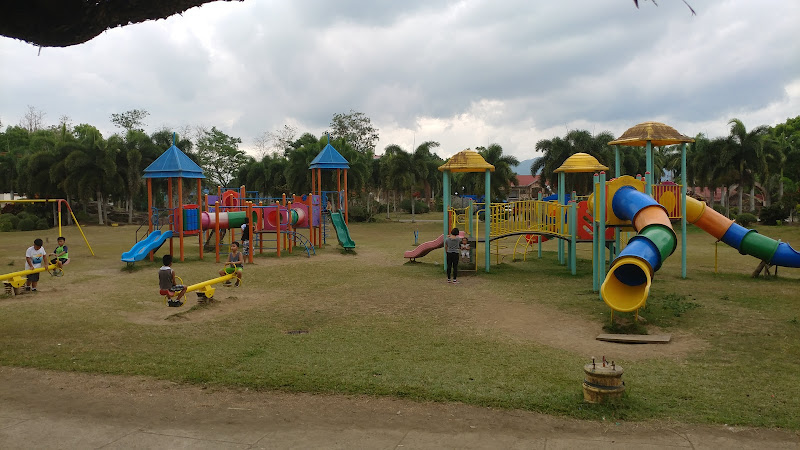
Lipa City Community Park
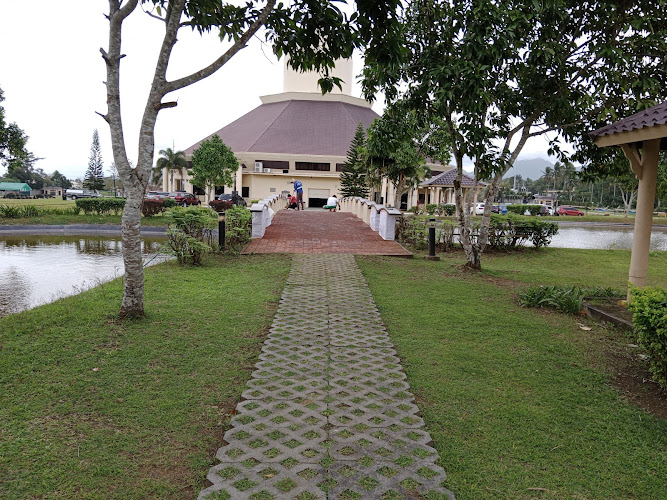
La Travesia Park
Find Accommodations Nearby
Recommended Tours & Activities
Visitor Reviews
There are no reviews yet. Be the first one to write one.
Share Your Experience
Have you visited Lipa City? Help other travelers by leaving a review.