
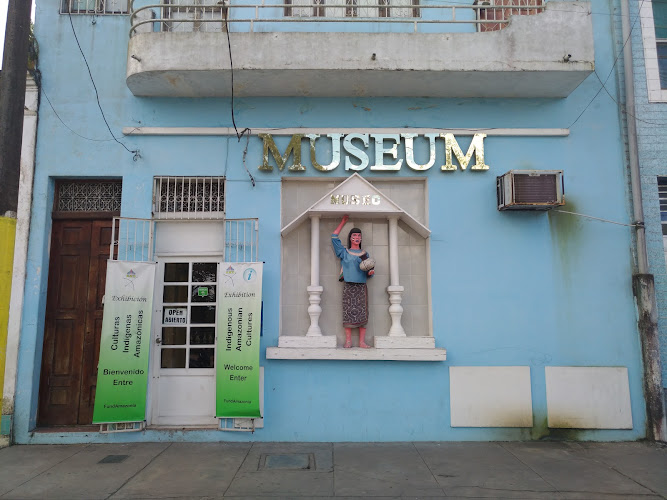
Indigenous Culture Museum Amazonicas
About Indigenous Culture Museum Amazonicas
Description
The Indigenous Culture Museum Amazonicas is the kind of place travelers talk about afterward, usually with a pause and a thoughtful look, like they’re still processing what they saw. It focuses on the living cultures of Indigenous peoples of the Amazon region, not as dusty history, but as ongoing, breathing traditions that still shape daily life. And yes, that matters. Too many museums freeze Indigenous cultures in the past tense. This one doesn’t, at least not entirely.
The museum presents a wide collection of artifacts, tools, ceremonial objects, textiles, and everyday items used by different Amazonian communities. Some displays are raw and straightforward, others feel almost poetic. It’s not glossy or overproduced, which honestly works in its favor. Travelers expecting flashy tech or immersive light shows might feel underwhelmed at first. But those who slow down tend to get more out of it. This is a place that rewards curiosity, patience, and a willingness to read the panels carefully.
There’s an educational slant here that feels intentional. The museum leans into storytelling through objects. A fishing tool isn’t just a fishing tool; it’s a lesson in river ecology, seasonal rhythms, and survival. And yes, some explanations are dense. But that density reflects the complexity of Amazonian Indigenous life. It’s not simplified for comfort. That’s refreshing, even if it means your brain works a little harder.
For travelers interested in cultural tourism, anthropology, or ethical travel, this museum plays an important role. It offers context before heading deeper into the Amazon region. Many visitors come here before or after jungle excursions, and that sequence makes sense. Seeing the artifacts first helps ground later experiences. One traveler once told the writer (over a very questionable cup of coffee nearby) that after visiting the museum, every canoe ride felt more meaningful. That stuck.
The space is family-friendly and surprisingly approachable for kids, especially those who like tactile learning and visual storytelling. Not everything is hands-on, but enough is accessible to keep younger visitors engaged. Restrooms are available, though visitors with mobility needs should note that while restrooms are wheelchair accessible, the entrance and parking areas are not fully adapted. It’s an important detail, and one that can shape planning.
Key Features
- Extensive collection of Indigenous Amazonian artifacts, including tools, clothing, and ceremonial items
- Exhibits focused on daily life, spiritual beliefs, and environmental knowledge
- Clear educational panels that explain cultural context, not just object names
- Kid-friendly atmosphere with visual displays that spark curiosity
- Balanced presentation that avoids romanticizing or oversimplifying Indigenous cultures
- Quiet, reflective spaces that encourage slow exploration
- Restroom facilities available on-site
Best Time to Visit
The museum can technically be visited year-round, but timing still matters. Travelers often find mid-morning to early afternoon the sweet spot. That’s when the museum feels alive but not crowded. Late afternoons can feel rushed, especially if you like reading every panel (and you probably should). Weekdays tend to be calmer than weekends, which attract local families and school groups.
Seasonally, the dry months are more comfortable for travel overall, but the museum itself offers a break from heat and humidity regardless of when you come. During rainy periods, it becomes an even more appealing indoor option. And honestly, there’s something grounding about learning how Indigenous communities adapt to seasonal floods while rain taps against the roof outside. It makes the lessons feel immediate.
If you’re planning a longer Amazon itinerary, visiting early in your trip can add depth to everything that follows. But some travelers prefer saving it for the end, using the museum as a way to reflect on what they’ve seen. There’s no wrong approach. Just don’t squeeze it into a rushed schedule. That’s when people walk out saying it was “fine” instead of meaningful.
How to Get There
Getting to the Indigenous Culture Museum Amazonicas is usually straightforward once you’re in the region. Most travelers arrive by taxi or rideshare from central areas, and local drivers generally know the museum well, even if the name gets shortened or slightly mispronounced. Public transportation is an option, though it may require some walking afterward, which can be challenging in the heat.
For those driving, be aware that parking accessibility is limited. This isn’t unusual for cultural institutions in the region, but it’s worth planning for. Travelers with mobility considerations should arrange transportation that allows for closer drop-off, as the entrance itself isn’t wheelchair accessible. That’s a real drawback, and one that some visitors find frustrating. The museum’s strengths lie in content, not infrastructure.
Guided city tours sometimes include the museum as a stop, which can be helpful for context. But independent visits allow more freedom to linger. And lingering matters here. This isn’t a quick photo-op museum. It’s a reading, thinking, absorbing kind of place.
Tips for Visiting
First tip, and this comes from experience: eat before you go. There’s no restaurant on-site, and once you’re inside, you won’t want to rush out halfway through because you’re hungry and cranky. Bring water, too. Hydration is no joke in this climate.
Second, give yourself at least 90 minutes. Two hours is better. Some people breeze through in 45 minutes and leave underwhelmed. That’s on them, honestly. The museum doesn’t shout for your attention. It waits for you to meet it halfway.
Third, read the explanations, even when they’re long. Especially when they’re long. The magic of this museum lives in the details. And if English isn’t your first language, take your time. The effort pays off.
Families with kids should encourage questions. There’s a lot here that can spark conversations about nature, respect, and cultural survival. One parent overheard by the writer said their child asked more questions here than on the entire trip combined. That’s a win.
Visitors sensitive to ethical representation will appreciate that the museum avoids turning Indigenous cultures into spectacle. But it’s okay to feel uncomfortable at times. Some exhibits confront hard truths about displacement and environmental loss. Sit with that discomfort. It’s part of the learning.
And finally, bring curiosity, not expectations. This isn’t a blockbuster attraction. It’s quieter, more thoughtful, and sometimes imperfect. But those imperfections make it feel real. Travelers who value meaningful experiences over Instagram moments often rank this museum as a highlight of their Amazon journey.
The Indigenous Culture Museum Amazonicas doesn’t try to impress everyone. And that might be its strongest feature. It speaks to travelers who want context, depth, and a better understanding of the Amazon beyond the surface. If that sounds like you, it’s worth your time. Really worth it.
Key Features
- Extensive collection of Indigenous Amazonian artifacts, including tools, clothing, and ceremonial items
- Exhibits focused on daily life, spiritual beliefs, and environmental knowledge
- Clear educational panels that explain cultural context, not just object names
- Kid-friendly atmosphere with visual displays that spark curiosity
- Balanced presentation that avoids romanticizing or oversimplifying Indigenous cultures
- Quiet, reflective spaces that encourage slow exploration
- Restroom facilities available on-site
More Details
Updated December 31, 2025
Table of Contents
- Description
- Key Features
- Best Time to Visit
- How to Get There
- Tips for Visiting
- Key Highlights
- Location
- Places to Stay Near Indigenous Culture Museum Amazonicas
- Find and Book a Tour
- Explore More Travel Guides
- Nearby Places You Might Like
- Traveler Reviews for Indigenous Culture Museum Amazonicas
- Share Your Experience
Description
The Indigenous Culture Museum Amazonicas is the kind of place travelers talk about afterward, usually with a pause and a thoughtful look, like they’re still processing what they saw. It focuses on the living cultures of Indigenous peoples of the Amazon region, not as dusty history, but as ongoing, breathing traditions that still shape daily life. And yes, that matters. Too many museums freeze Indigenous cultures in the past tense. This one doesn’t, at least not entirely.
The museum presents a wide collection of artifacts, tools, ceremonial objects, textiles, and everyday items used by different Amazonian communities. Some displays are raw and straightforward, others feel almost poetic. It’s not glossy or overproduced, which honestly works in its favor. Travelers expecting flashy tech or immersive light shows might feel underwhelmed at first. But those who slow down tend to get more out of it. This is a place that rewards curiosity, patience, and a willingness to read the panels carefully.
There’s an educational slant here that feels intentional. The museum leans into storytelling through objects. A fishing tool isn’t just a fishing tool; it’s a lesson in river ecology, seasonal rhythms, and survival. And yes, some explanations are dense. But that density reflects the complexity of Amazonian Indigenous life. It’s not simplified for comfort. That’s refreshing, even if it means your brain works a little harder.
For travelers interested in cultural tourism, anthropology, or ethical travel, this museum plays an important role. It offers context before heading deeper into the Amazon region. Many visitors come here before or after jungle excursions, and that sequence makes sense. Seeing the artifacts first helps ground later experiences. One traveler once told the writer (over a very questionable cup of coffee nearby) that after visiting the museum, every canoe ride felt more meaningful. That stuck.
The space is family-friendly and surprisingly approachable for kids, especially those who like tactile learning and visual storytelling. Not everything is hands-on, but enough is accessible to keep younger visitors engaged. Restrooms are available, though visitors with mobility needs should note that while restrooms are wheelchair accessible, the entrance and parking areas are not fully adapted. It’s an important detail, and one that can shape planning.
Key Features
- Extensive collection of Indigenous Amazonian artifacts, including tools, clothing, and ceremonial items
- Exhibits focused on daily life, spiritual beliefs, and environmental knowledge
- Clear educational panels that explain cultural context, not just object names
- Kid-friendly atmosphere with visual displays that spark curiosity
- Balanced presentation that avoids romanticizing or oversimplifying Indigenous cultures
- Quiet, reflective spaces that encourage slow exploration
- Restroom facilities available on-site
Best Time to Visit
The museum can technically be visited year-round, but timing still matters. Travelers often find mid-morning to early afternoon the sweet spot. That’s when the museum feels alive but not crowded. Late afternoons can feel rushed, especially if you like reading every panel (and you probably should). Weekdays tend to be calmer than weekends, which attract local families and school groups.
Seasonally, the dry months are more comfortable for travel overall, but the museum itself offers a break from heat and humidity regardless of when you come. During rainy periods, it becomes an even more appealing indoor option. And honestly, there’s something grounding about learning how Indigenous communities adapt to seasonal floods while rain taps against the roof outside. It makes the lessons feel immediate.
If you’re planning a longer Amazon itinerary, visiting early in your trip can add depth to everything that follows. But some travelers prefer saving it for the end, using the museum as a way to reflect on what they’ve seen. There’s no wrong approach. Just don’t squeeze it into a rushed schedule. That’s when people walk out saying it was “fine” instead of meaningful.
How to Get There
Getting to the Indigenous Culture Museum Amazonicas is usually straightforward once you’re in the region. Most travelers arrive by taxi or rideshare from central areas, and local drivers generally know the museum well, even if the name gets shortened or slightly mispronounced. Public transportation is an option, though it may require some walking afterward, which can be challenging in the heat.
For those driving, be aware that parking accessibility is limited. This isn’t unusual for cultural institutions in the region, but it’s worth planning for. Travelers with mobility considerations should arrange transportation that allows for closer drop-off, as the entrance itself isn’t wheelchair accessible. That’s a real drawback, and one that some visitors find frustrating. The museum’s strengths lie in content, not infrastructure.
Guided city tours sometimes include the museum as a stop, which can be helpful for context. But independent visits allow more freedom to linger. And lingering matters here. This isn’t a quick photo-op museum. It’s a reading, thinking, absorbing kind of place.
Tips for Visiting
First tip, and this comes from experience: eat before you go. There’s no restaurant on-site, and once you’re inside, you won’t want to rush out halfway through because you’re hungry and cranky. Bring water, too. Hydration is no joke in this climate.
Second, give yourself at least 90 minutes. Two hours is better. Some people breeze through in 45 minutes and leave underwhelmed. That’s on them, honestly. The museum doesn’t shout for your attention. It waits for you to meet it halfway.
Third, read the explanations, even when they’re long. Especially when they’re long. The magic of this museum lives in the details. And if English isn’t your first language, take your time. The effort pays off.
Families with kids should encourage questions. There’s a lot here that can spark conversations about nature, respect, and cultural survival. One parent overheard by the writer said their child asked more questions here than on the entire trip combined. That’s a win.
Visitors sensitive to ethical representation will appreciate that the museum avoids turning Indigenous cultures into spectacle. But it’s okay to feel uncomfortable at times. Some exhibits confront hard truths about displacement and environmental loss. Sit with that discomfort. It’s part of the learning.
And finally, bring curiosity, not expectations. This isn’t a blockbuster attraction. It’s quieter, more thoughtful, and sometimes imperfect. But those imperfections make it feel real. Travelers who value meaningful experiences over Instagram moments often rank this museum as a highlight of their Amazon journey.
The Indigenous Culture Museum Amazonicas doesn’t try to impress everyone. And that might be its strongest feature. It speaks to travelers who want context, depth, and a better understanding of the Amazon beyond the surface. If that sounds like you, it’s worth your time. Really worth it.
Key Highlights
- Extensive collection of Indigenous Amazonian artifacts, including tools, clothing, and ceremonial items
- Exhibits focused on daily life, spiritual beliefs, and environmental knowledge
- Clear educational panels that explain cultural context, not just object names
- Kid-friendly atmosphere with visual displays that spark curiosity
- Balanced presentation that avoids romanticizing or oversimplifying Indigenous cultures
- Quiet, reflective spaces that encourage slow exploration
- Restroom facilities available on-site
Location
Places to Stay Near Indigenous Culture Museum Amazonicas
Find and Book a Tour
Explore More Travel Guides
No reviews found! Be the first to review!
Traveler Reviews for Indigenous Culture Museum Amazonicas
There are no reviews yet. Be the first one to write one.
Have you visited Indigenous Culture Museum Amazonicas? Help other travelers by sharing your review.
You Might Also Like

Pilpintuwasi

Playa Muyuna
Museo De Iquitos
Find Accommodations Nearby
Recommended Tours & Activities
Visitor Reviews
There are no reviews yet. Be the first one to write one.
Share Your Experience
Have you visited Indigenous Culture Museum Amazonicas? Help other travelers by leaving a review.