
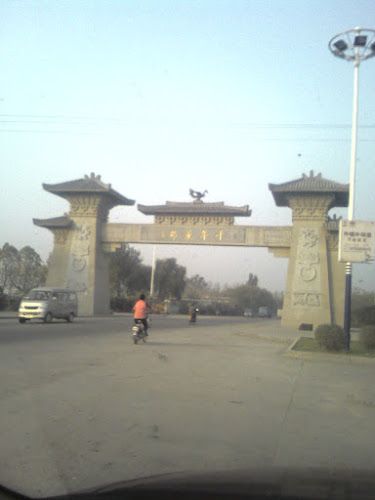
Anguo
About Anguo
Description
Anguo isn’t flashy. And honestly, that’s part of the appeal. This county-level city in central Hebei, about 52 kilometers south of Baoding, quietly goes about its business as one of the most important traditional Chinese medicine hubs in the country. Locals call it the Medicine Capital, and unlike a lot of nicknames in China, this one is earned. If you’ve ever taken a herbal remedy anywhere in East Asia, there’s a decent chance the roots, bark, or dried flowers passed through Anguo at some point.
Historically known as Qizhou in premodern China, Anguo has been dealing in medicine for over a thousand years. Walking through parts of the city today, you still see that legacy in real time. Streets lined with herbal wholesalers. Courtyards full of sacks of dried angelica, licorice root, and ginseng airing out in the sun. It smells earthy, bitter, and oddly comforting all at once. The first time I visited, I remember thinking it felt more like a working town than a tourist destination. And that’s accurate.
One of Anguo’s spiritual and cultural anchors is the Temple of the God of Medicine, established around the year 100 and now under provincial protection. It’s not massive or overly ornate, but it carries weight. People still come here to pray for health, for healing, or just to show respect to the traditions that shaped Chinese medicine. I watched an elderly couple bow together, very slowly, and that moment stuck with me more than any grand monument ever could.
Anguo isn’t polished in the way Beijing or even nearby Baoding is. Some visitors find it rough around the edges. Streets can be busy, signage isn’t always friendly to non-Chinese readers, and English is limited. But if you’re the kind of traveler who enjoys seeing how places actually function day to day, Anguo delivers. It’s a city that lives its identity rather than performing it.
Key Features
- One of China’s largest and oldest hubs for traditional Chinese medicine trading and processing
- The Temple of the God of Medicine, with roots going back nearly two thousand years
- Historic identity as Qizhou, important in premodern medical scholarship
- Massive herbal markets where buyers and sellers negotiate face-to-face
- Local pharmacies offering custom herbal prescriptions, often mixed on the spot
- A strong sense of local pride tied to healing, health, and medical knowledge
- Less tourist traffic, which means more authentic interactions but fewer conveniences
And a small aside here: if you’re someone who enjoys photographing everyday life, Anguo is gold. The textures, the people, the slow routines. Just ask before taking close-up photos, especially in the markets. Courtesy goes a long way.
Best Time to Visit
The best time to visit Anguo is spring or autumn, roughly April to May and September to October. Summers can get hot and a bit sticky, and winters, while manageable, feel long and gray. Spring is when many herbs are processed and traded in large volumes, so the city feels especially alive. Autumn has a similar energy, plus more comfortable weather for wandering on foot.
I visited once in late July and, yeah, learned my lesson. The heat made long market walks exhausting, and everything smelled stronger than usual, which is saying something when you’re surrounded by medicinal plants. But if you don’t mind heat and want to see peak trading season chaos, summer has its own charm.
There are also occasional medicine-related fairs and industry gatherings. These aren’t always well-publicized internationally, but if you hear about one happening during your stay, it’s worth checking out. The city gets busier, louder, and oddly celebratory.
How to Get There
Anguo doesn’t have its own airport, so most travelers arrive via Beijing, Tianjin, or Shijiazhuang. From Beijing, it’s usually a combination of high-speed train to Baoding and then a bus or car onward. The trip is straightforward, though not glamorous. Think practical, not scenic.
From Baoding, Anguo is close enough that day trips are possible, but staying overnight gives you a better feel for the place. Public buses run frequently, and taxis or ride-hailing apps are affordable. If you’re traveling with someone who speaks Chinese, things get much easier. If not, patience and a translation app will become your best friends.
Once in Anguo, getting around is simple. The city center is compact, and taxis are cheap. Walking is fine too, just watch for scooters, which seem to appear from nowhere. And they will not stop for you. Ever.
Tips for Visiting
First tip, and this is important: don’t expect Anguo to cater to tourists. It doesn’t, and that’s okay. Bring cash, even though mobile payments dominate China, because some smaller vendors still prefer it. Hotels are basic but clean. Choose one near the center if you can.
If you’re interested in traditional Chinese medicine, ask questions. Even with language barriers, people are proud of what they do here. I once spent twenty minutes communicating through gestures and a phone screen with a shop owner explaining the difference between two roots that looked identical to me. I still don’t remember their names, but I remember the kindness.
Be respectful at the Temple of the God of Medicine. Dress modestly, keep your voice down, and don’t rush through. It’s not a photo op for locals. It’s a place of belief.
Food in Anguo is hearty and local. You’ll find Hebei-style noodles, dumplings, and small eateries that don’t look like much but taste great. Avoid judging places by their decor. Some of the best meals I’ve had in northern China came from spots with plastic stools and handwritten menus.
Lastly, give Anguo time. It’s not a checklist destination. Spend a day wandering without a plan. Sit in a small shop. Watch herbs being weighed on old-fashioned scales. Let the place reveal itself slowly. If you do, you’ll leave with a deeper appreciation for a side of China that doesn’t shout for attention, but absolutely deserves it.
Anguo may not be famous in travel magazines, but for travelers curious about health traditions, local commerce, and living history, it offers something quietly powerful. And sometimes, those are the places that stay with you the longest.
Key Features
- One of China’s largest and oldest hubs for traditional Chinese medicine trading and processing
- The Temple of the God of Medicine, with roots going back nearly two thousand years
- Historic identity as Qizhou, important in premodern medical scholarship
- Massive herbal markets where buyers and sellers negotiate face-to-face
- Local pharmacies offering custom herbal prescriptions, often mixed on the spot
- A strong sense of local pride tied to healing, health, and medical knowledge
- Less tourist traffic, which means more authentic interactions but fewer conveniences
More Details
Updated December 31, 2025
Table of Contents
Description
Anguo isn’t flashy. And honestly, that’s part of the appeal. This county-level city in central Hebei, about 52 kilometers south of Baoding, quietly goes about its business as one of the most important traditional Chinese medicine hubs in the country. Locals call it the Medicine Capital, and unlike a lot of nicknames in China, this one is earned. If you’ve ever taken a herbal remedy anywhere in East Asia, there’s a decent chance the roots, bark, or dried flowers passed through Anguo at some point.
Historically known as Qizhou in premodern China, Anguo has been dealing in medicine for over a thousand years. Walking through parts of the city today, you still see that legacy in real time. Streets lined with herbal wholesalers. Courtyards full of sacks of dried angelica, licorice root, and ginseng airing out in the sun. It smells earthy, bitter, and oddly comforting all at once. The first time I visited, I remember thinking it felt more like a working town than a tourist destination. And that’s accurate.
One of Anguo’s spiritual and cultural anchors is the Temple of the God of Medicine, established around the year 100 and now under provincial protection. It’s not massive or overly ornate, but it carries weight. People still come here to pray for health, for healing, or just to show respect to the traditions that shaped Chinese medicine. I watched an elderly couple bow together, very slowly, and that moment stuck with me more than any grand monument ever could.
Anguo isn’t polished in the way Beijing or even nearby Baoding is. Some visitors find it rough around the edges. Streets can be busy, signage isn’t always friendly to non-Chinese readers, and English is limited. But if you’re the kind of traveler who enjoys seeing how places actually function day to day, Anguo delivers. It’s a city that lives its identity rather than performing it.
Key Features
- One of China’s largest and oldest hubs for traditional Chinese medicine trading and processing
- The Temple of the God of Medicine, with roots going back nearly two thousand years
- Historic identity as Qizhou, important in premodern medical scholarship
- Massive herbal markets where buyers and sellers negotiate face-to-face
- Local pharmacies offering custom herbal prescriptions, often mixed on the spot
- A strong sense of local pride tied to healing, health, and medical knowledge
- Less tourist traffic, which means more authentic interactions but fewer conveniences
And a small aside here: if you’re someone who enjoys photographing everyday life, Anguo is gold. The textures, the people, the slow routines. Just ask before taking close-up photos, especially in the markets. Courtesy goes a long way.
Best Time to Visit
The best time to visit Anguo is spring or autumn, roughly April to May and September to October. Summers can get hot and a bit sticky, and winters, while manageable, feel long and gray. Spring is when many herbs are processed and traded in large volumes, so the city feels especially alive. Autumn has a similar energy, plus more comfortable weather for wandering on foot.
I visited once in late July and, yeah, learned my lesson. The heat made long market walks exhausting, and everything smelled stronger than usual, which is saying something when you’re surrounded by medicinal plants. But if you don’t mind heat and want to see peak trading season chaos, summer has its own charm.
There are also occasional medicine-related fairs and industry gatherings. These aren’t always well-publicized internationally, but if you hear about one happening during your stay, it’s worth checking out. The city gets busier, louder, and oddly celebratory.
How to Get There
Anguo doesn’t have its own airport, so most travelers arrive via Beijing, Tianjin, or Shijiazhuang. From Beijing, it’s usually a combination of high-speed train to Baoding and then a bus or car onward. The trip is straightforward, though not glamorous. Think practical, not scenic.
From Baoding, Anguo is close enough that day trips are possible, but staying overnight gives you a better feel for the place. Public buses run frequently, and taxis or ride-hailing apps are affordable. If you’re traveling with someone who speaks Chinese, things get much easier. If not, patience and a translation app will become your best friends.
Once in Anguo, getting around is simple. The city center is compact, and taxis are cheap. Walking is fine too, just watch for scooters, which seem to appear from nowhere. And they will not stop for you. Ever.
Tips for Visiting
First tip, and this is important: don’t expect Anguo to cater to tourists. It doesn’t, and that’s okay. Bring cash, even though mobile payments dominate China, because some smaller vendors still prefer it. Hotels are basic but clean. Choose one near the center if you can.
If you’re interested in traditional Chinese medicine, ask questions. Even with language barriers, people are proud of what they do here. I once spent twenty minutes communicating through gestures and a phone screen with a shop owner explaining the difference between two roots that looked identical to me. I still don’t remember their names, but I remember the kindness.
Be respectful at the Temple of the God of Medicine. Dress modestly, keep your voice down, and don’t rush through. It’s not a photo op for locals. It’s a place of belief.
Food in Anguo is hearty and local. You’ll find Hebei-style noodles, dumplings, and small eateries that don’t look like much but taste great. Avoid judging places by their decor. Some of the best meals I’ve had in northern China came from spots with plastic stools and handwritten menus.
Lastly, give Anguo time. It’s not a checklist destination. Spend a day wandering without a plan. Sit in a small shop. Watch herbs being weighed on old-fashioned scales. Let the place reveal itself slowly. If you do, you’ll leave with a deeper appreciation for a side of China that doesn’t shout for attention, but absolutely deserves it.
Anguo may not be famous in travel magazines, but for travelers curious about health traditions, local commerce, and living history, it offers something quietly powerful. And sometimes, those are the places that stay with you the longest.
Key Highlights
- One of China’s largest and oldest hubs for traditional Chinese medicine trading and processing
- The Temple of the God of Medicine, with roots going back nearly two thousand years
- Historic identity as Qizhou, important in premodern medical scholarship
- Massive herbal markets where buyers and sellers negotiate face-to-face
- Local pharmacies offering custom herbal prescriptions, often mixed on the spot
- A strong sense of local pride tied to healing, health, and medical knowledge
- Less tourist traffic, which means more authentic interactions but fewer conveniences
Location
Places to Stay Near Anguo
Find and Book a Tour
Explore More Travel Guides
No reviews found! Be the first to review!
Traveler Reviews for Anguo
There are no reviews yet. Be the first one to write one.
Have you visited Anguo? Help other travelers by sharing your review.
Find Accommodations Nearby
Recommended Tours & Activities
Visitor Reviews
There are no reviews yet. Be the first one to write one.
Share Your Experience
Have you visited Anguo? Help other travelers by leaving a review.